vegetable in zone 8b
Growing cauliflower in zone 8b
Brassica oleracea var. botrytis
- Zone
- 8b 15°F to 20°F
- Growing season
- 260 days
- Suitable varieties
- 0
- Days to harvest
- 55 to 100
The verdict
Cauliflower is a cool-season brassica with no chill-hour requirement, so zone 8b's mild winter profile is an asset rather than a constraint. The 260-day growing season creates two distinct production windows: a fall crop (the preferred window across most of zone 8b) and a spring crop that must race against rising temperatures.
Where zone 8b becomes challenging is summer. Cauliflower requires sustained cool temperatures, roughly 60 to 70°F, during head development. Anything consistently above 80°F triggers loose, ricey, or off-color curds and premature bolting. Zone 8b summers exceed that threshold reliably, putting mid-May through August effectively off the table for production. Nematodes in sandy soils, a documented zone 8b problem, can also reduce stand vigor and make transplant establishment inconsistent.
Overall, zone 8b is a workable but not effortless zone for cauliflower. The fall window is particularly productive; spring crops carry more risk of heat arriving before harvest completes.
Critical timing for zone 8b
Fall is the primary production window in zone 8b. Transplants set out in early to mid-September typically reach harvest maturity in November and December, when daytime temperatures hold in the range cauliflower prefers. Blanching (tying outer leaves over the developing curd to protect color and prevent bitterness) is easier to time reliably in fall than in spring.
For spring production, transplants go out in late February or early March, shortly after the zone's average last frost, which falls between late February and mid-March across most of zone 8b. Spring heads typically mature in April through early May. A warm spell in late April can compress the harvest window sharply, so growers should monitor head development closely once temperatures begin climbing. Direct seeding outdoors is uncommon in zone 8b; transplants give better timing control in both windows.
Common challenges in zone 8b
- ▸ Low chill hours limit apple variety selection
- ▸ Citrus greening risk
- ▸ Nematodes in sandy soils
Disease pressure to watch for
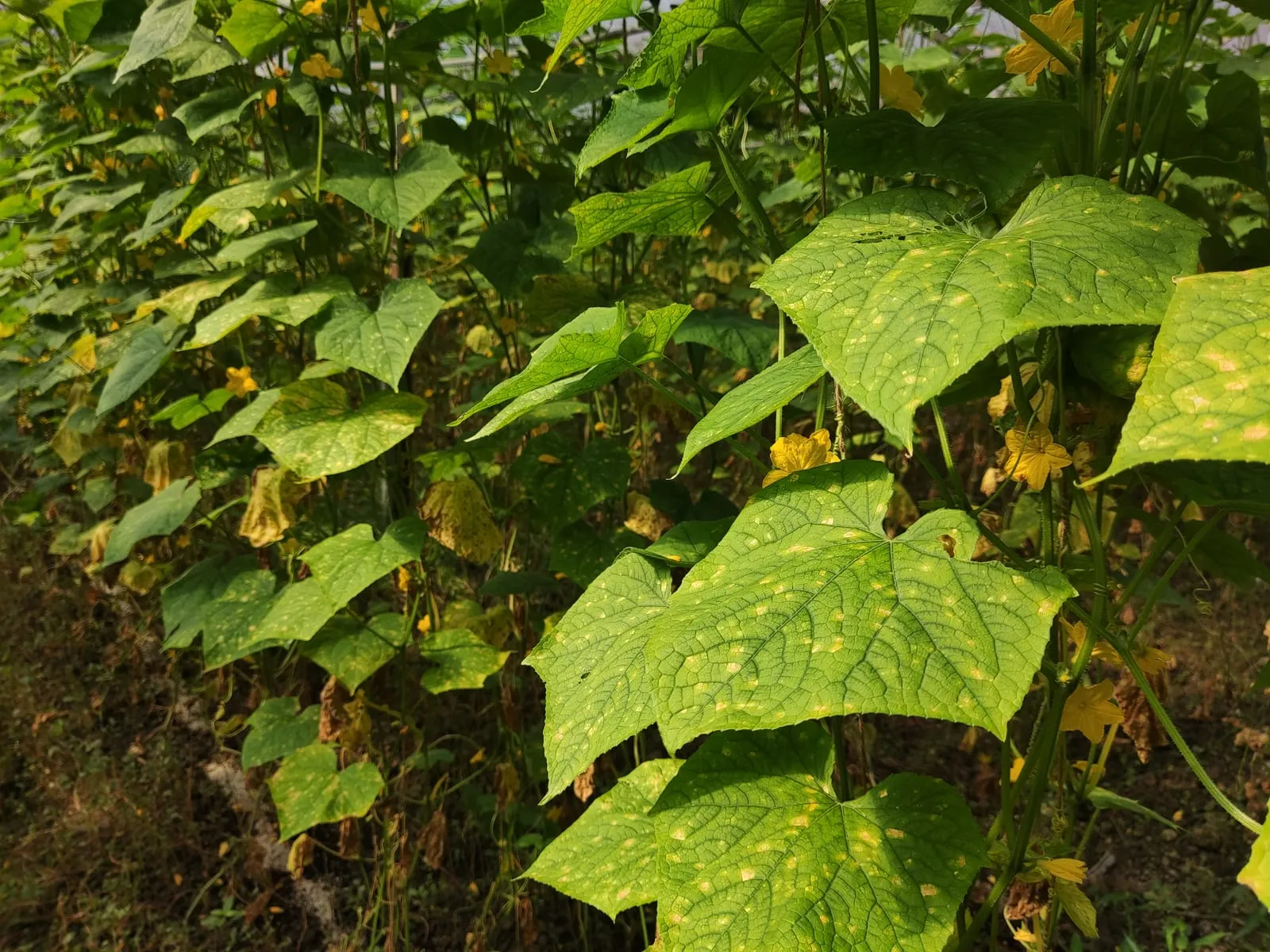
Pseudoperonospora cubensis (cucurbits) and others
Water mold (oomycete, not a true fungus) that thrives in cool damp conditions. Spreads rapidly through cucurbit and brassica plantings on wind-borne spores.
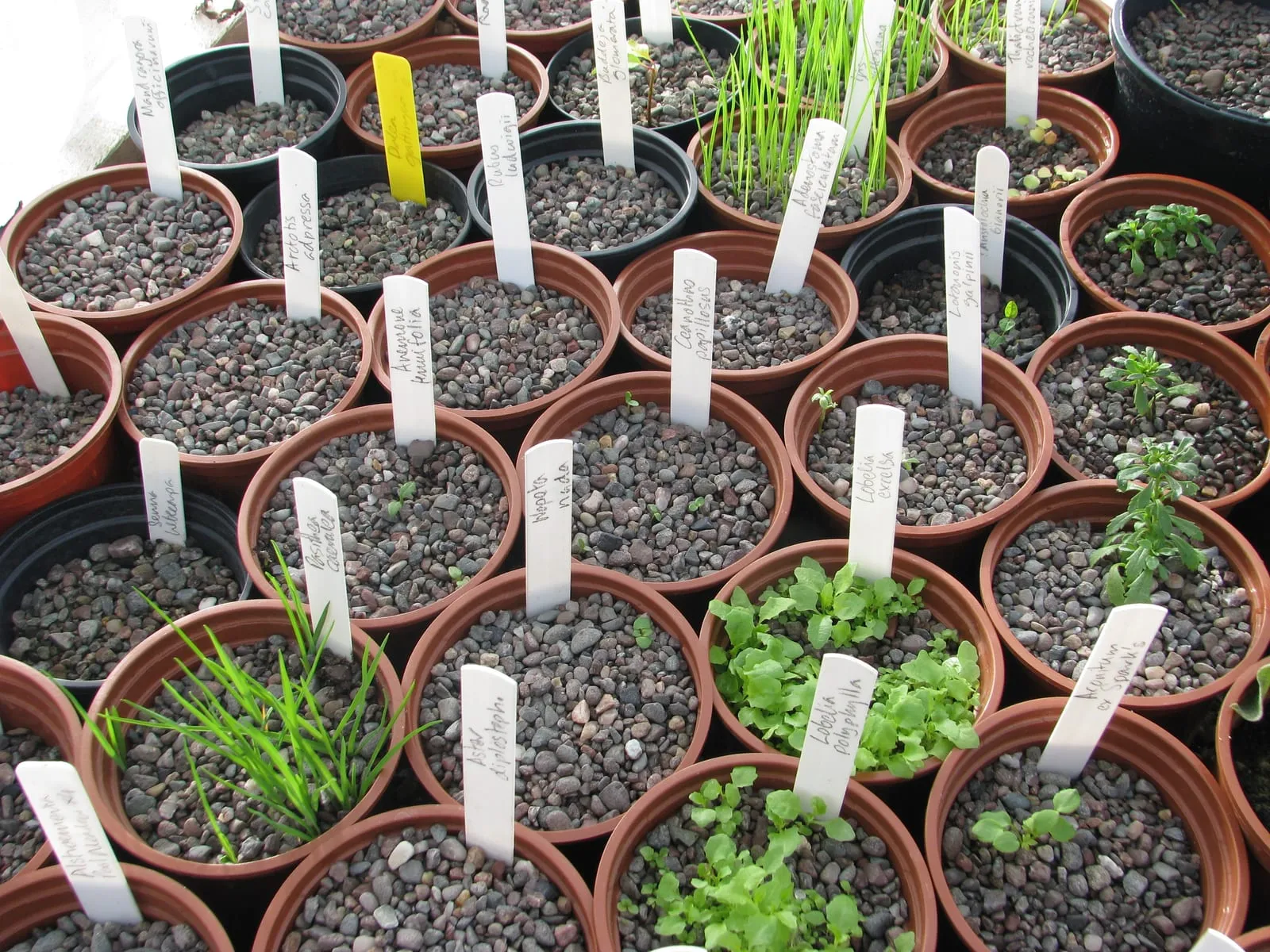
Pythium and Rhizoctonia species
Soil-borne complex of water molds and fungi that kill seedlings before or shortly after emergence. The single most common cause of seed-starting failures.
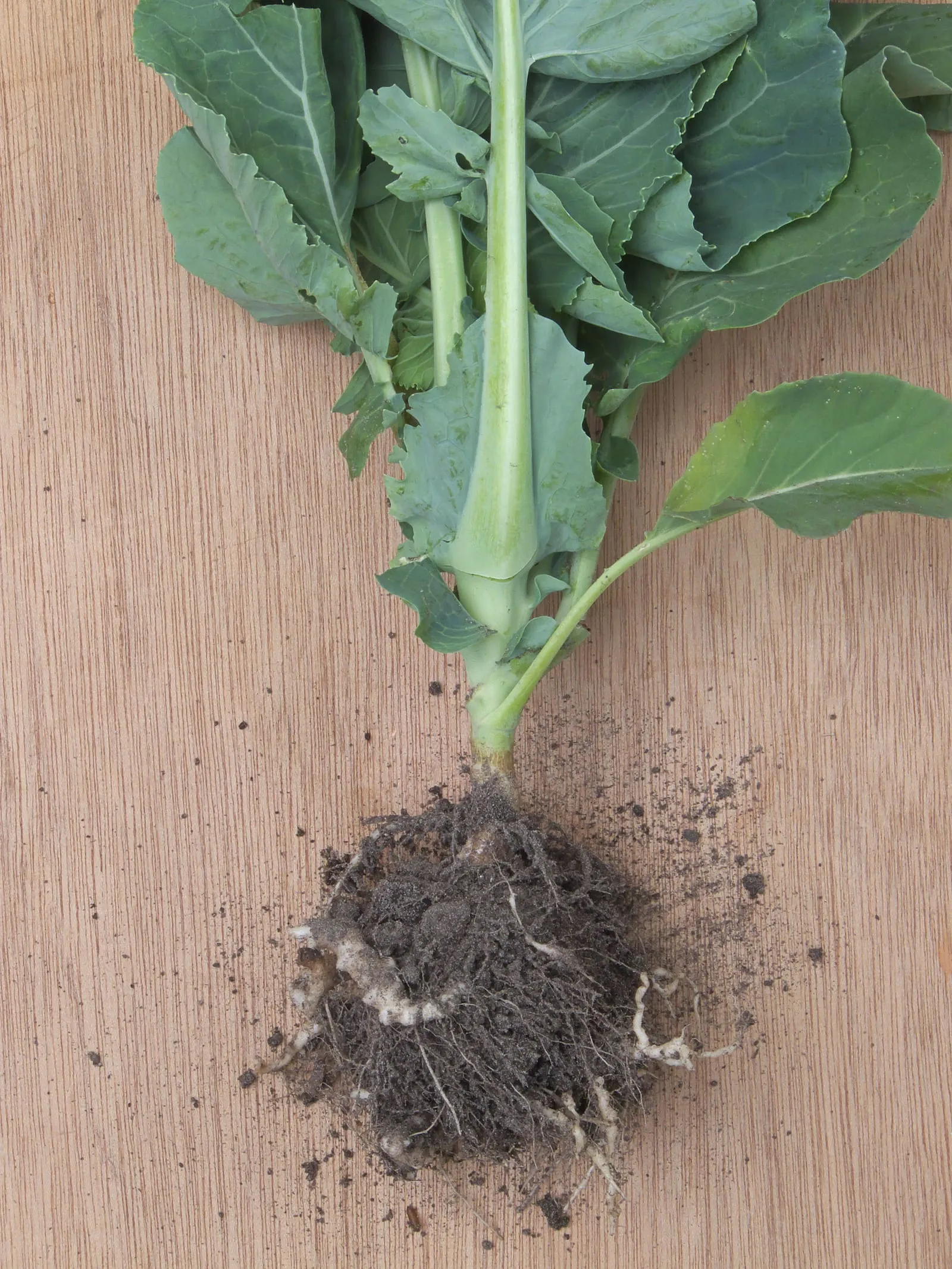
Plasmodiophora brassicae
Soil-borne disease causing characteristic distorted club-shaped roots on brassicas. Persists in soil for 10-20 years; the dominant brassica pathogen in acidic poorly-drained soils.
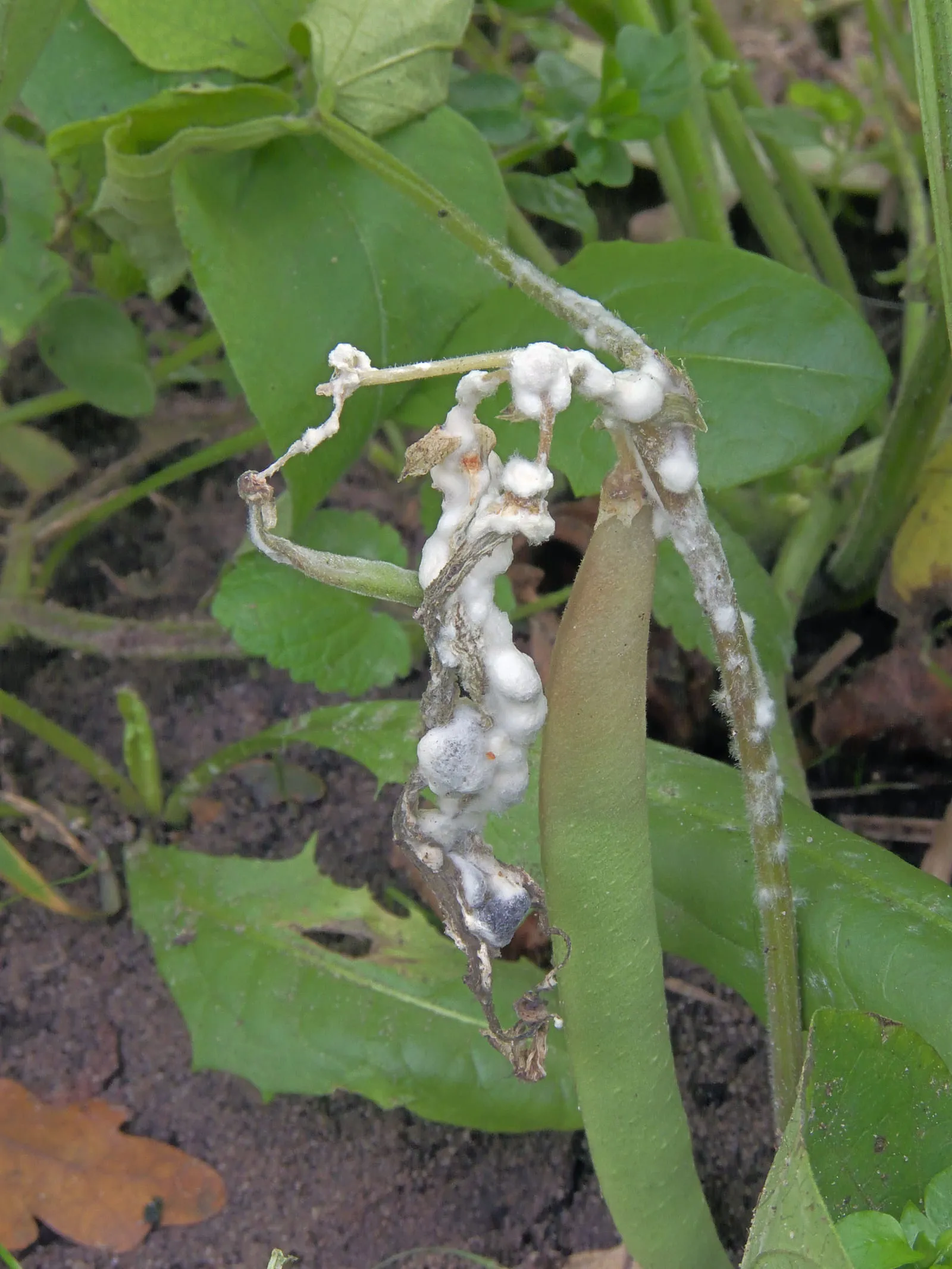
Sclerotinia sclerotiorum
Fungal disease that produces fluffy white mycelium on stems and lower leaves. Forms hard black sclerotia (resting bodies) that survive 5+ years in soil.
Modified care for zone 8b
The highest-priority modification in zone 8b is managing soil nematodes, which damage brassica root systems in the light, sandy soils common across parts of this zone. Raised beds with amended, well-drained growing mix reduce nematode pressure. Soil solarization in summer (covering moist soil with clear plastic for four to six weeks before fall planting) is an effective non-chemical suppression method.
Downy mildew pressure is elevated in humid conditions. Spacing transplants at least 18 inches apart and avoiding overhead irrigation in the evening reduces incidence. Clubroot persists in soil for many years; where it has appeared, raising pH to 7.2 or above with agricultural lime is the primary management tool before replanting brassicas. A 30 to 40 percent shade cloth over spring plantings can extend the harvest window by several days if temperatures spike early, buying time to finish sizing heads before heat degrades curd quality.
Cauliflower in adjacent zones
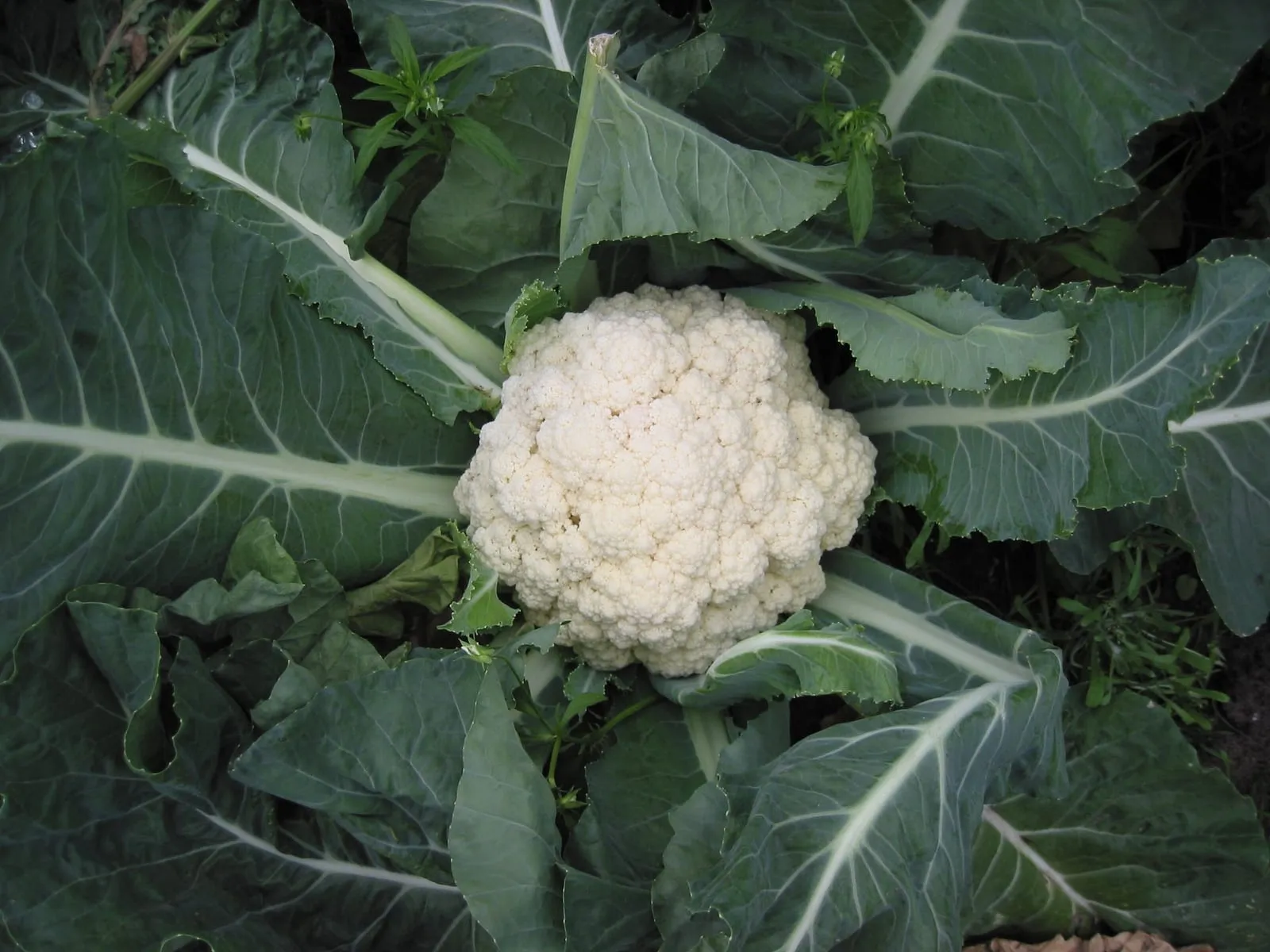
Image: "Bloemkool", by Rasbak, via Wikimedia Commons, licensed under CC-BY Source.

Related