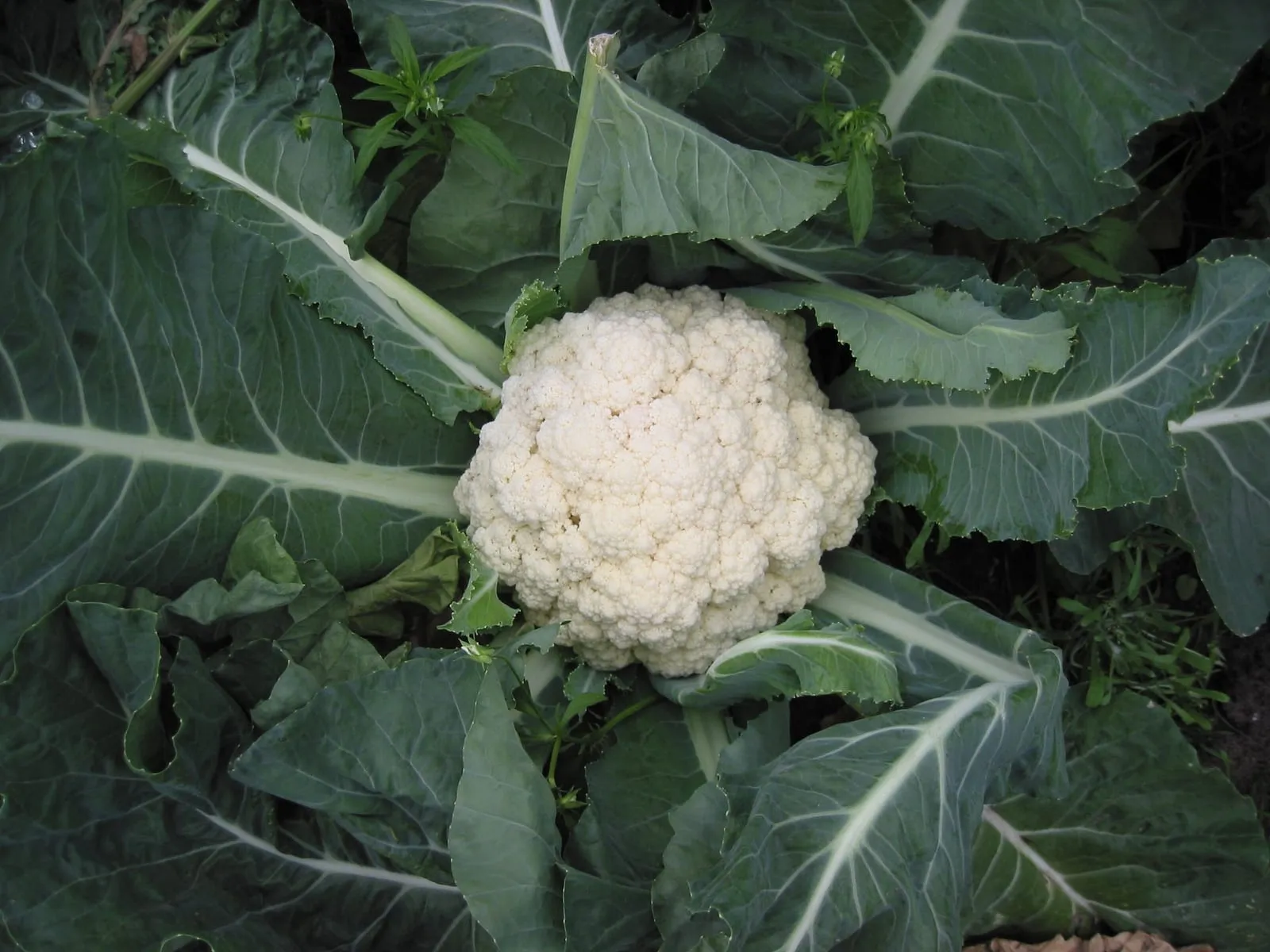
vegetable in zone 9a
Growing cauliflower in zone 9a
Brassica oleracea var. botrytis
- Zone
- 9a 20°F to 25°F
- Growing season
- 290 days
- Suitable varieties
- 0
- Days to harvest
- 55 to 100
The verdict
Cauliflower is a cool-season brassica, not a chill-hour crop, so the chill accumulation constraints that limit stone fruits in zone 9a are not relevant here. What matters for cauliflower is air temperature during head development: the ideal range is 60 to 70°F, and sustained heat above 80°F causes buttoning (tiny premature heads), riciness (loose, granular curds), or outright bolting. Zone 9a's 290-day growing season sounds generous, but for cauliflower it primarily defines a long exclusion window (late spring through early fall) when the crop cannot be grown reliably. The workable window runs roughly October through April. Within that window, zone 9a is genuinely productive for cauliflower: minimum winter temperatures rarely damage established plants, and the extended mild period allows unhurried head development. This is a workable zone, not a sweet spot. Success depends entirely on planting timing. Growers who hit the window consistently can produce excellent heads; those who plant even a few weeks late often end up with poor curd quality as February or March heat arrives early.
Critical timing for zone 9a
Transplants go into the ground from late September through early November in zone 9a, targeting soil temperatures that have dropped below 75°F. Heading typically occurs 55 to 100 days after transplanting depending on variety and season temperature. That puts the primary harvest window from December through March. A second planting in late January or early February can extend harvest into April, though there is increasing risk that a warm spring compresses or ends the season abruptly. Frost risk for the heads themselves is low across most of zone 9a, but occasional hard freezes (the zone minimum is 20 to 25°F) can damage exposed curds. Traditional blanching, folding outer leaves over the developing head and securing them, provides useful protection during cold snaps in addition to its function of excluding light.
Common challenges in zone 9a
- ▸ Limited stone fruit options due to insufficient chill
- ▸ Hurricane and tropical storm exposure
- ▸ Citrus disease pressure
Disease pressure to watch for
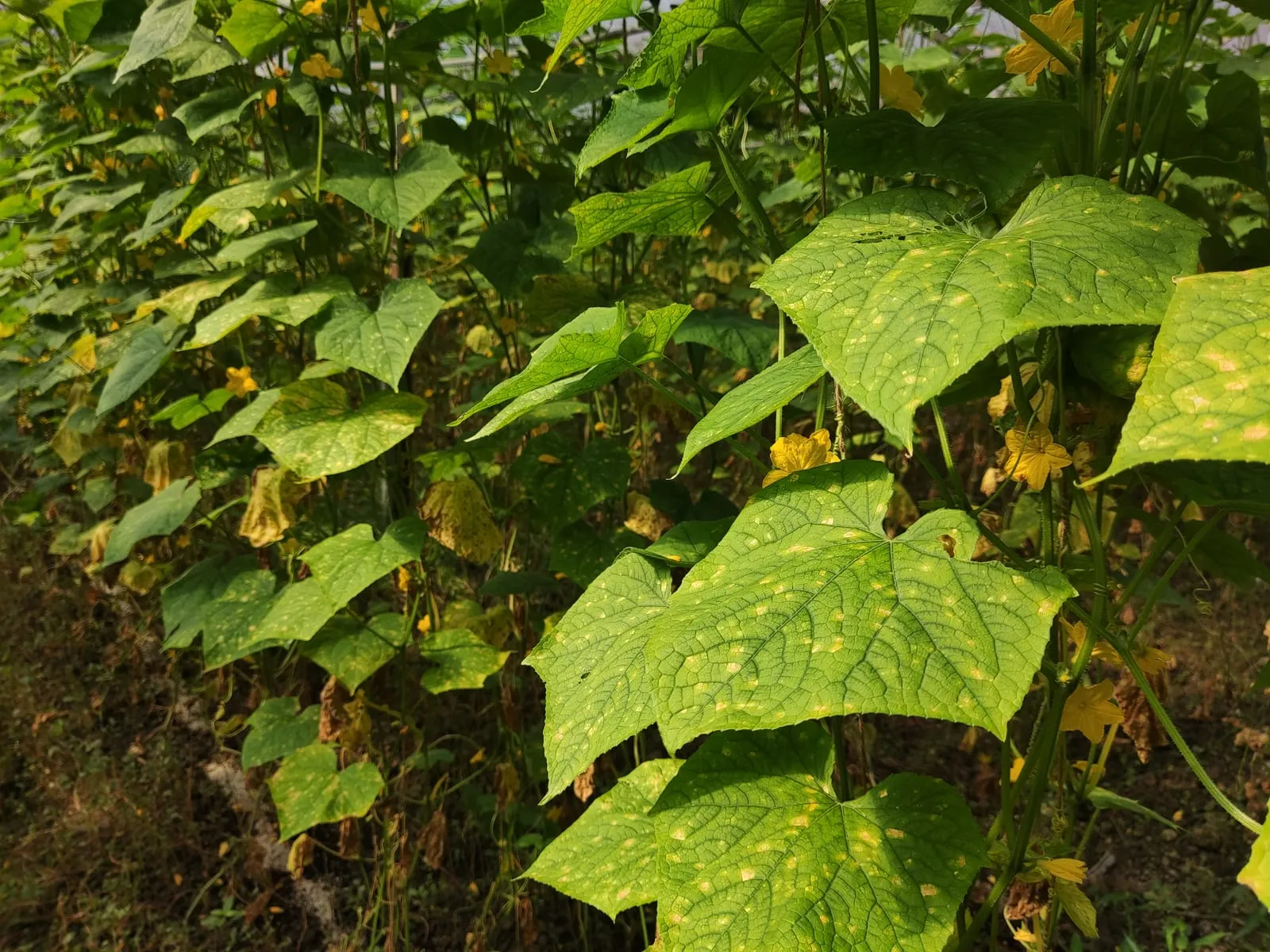
Pseudoperonospora cubensis (cucurbits) and others
Water mold (oomycete, not a true fungus) that thrives in cool damp conditions. Spreads rapidly through cucurbit and brassica plantings on wind-borne spores.
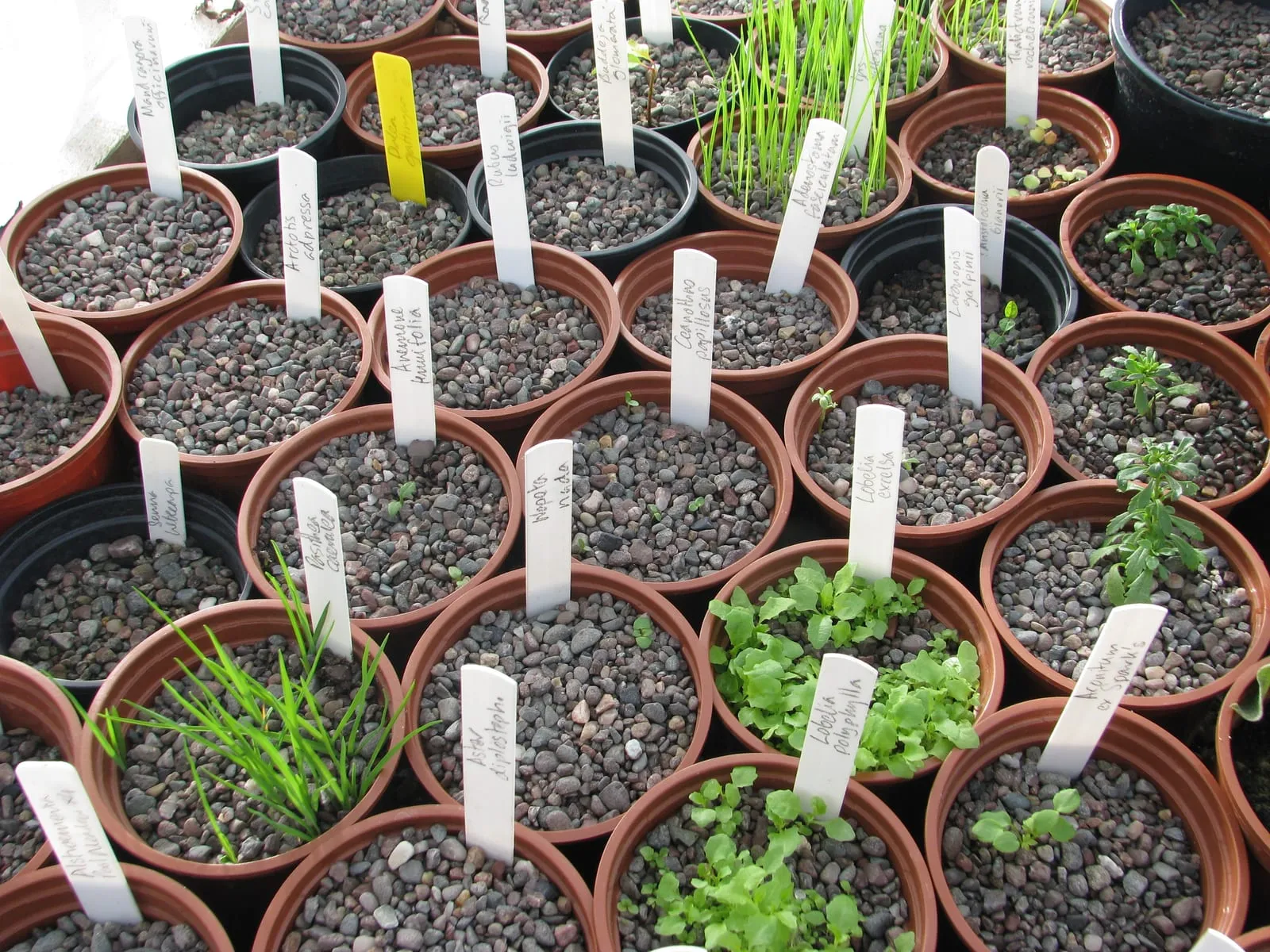
Pythium and Rhizoctonia species
Soil-borne complex of water molds and fungi that kill seedlings before or shortly after emergence. The single most common cause of seed-starting failures.
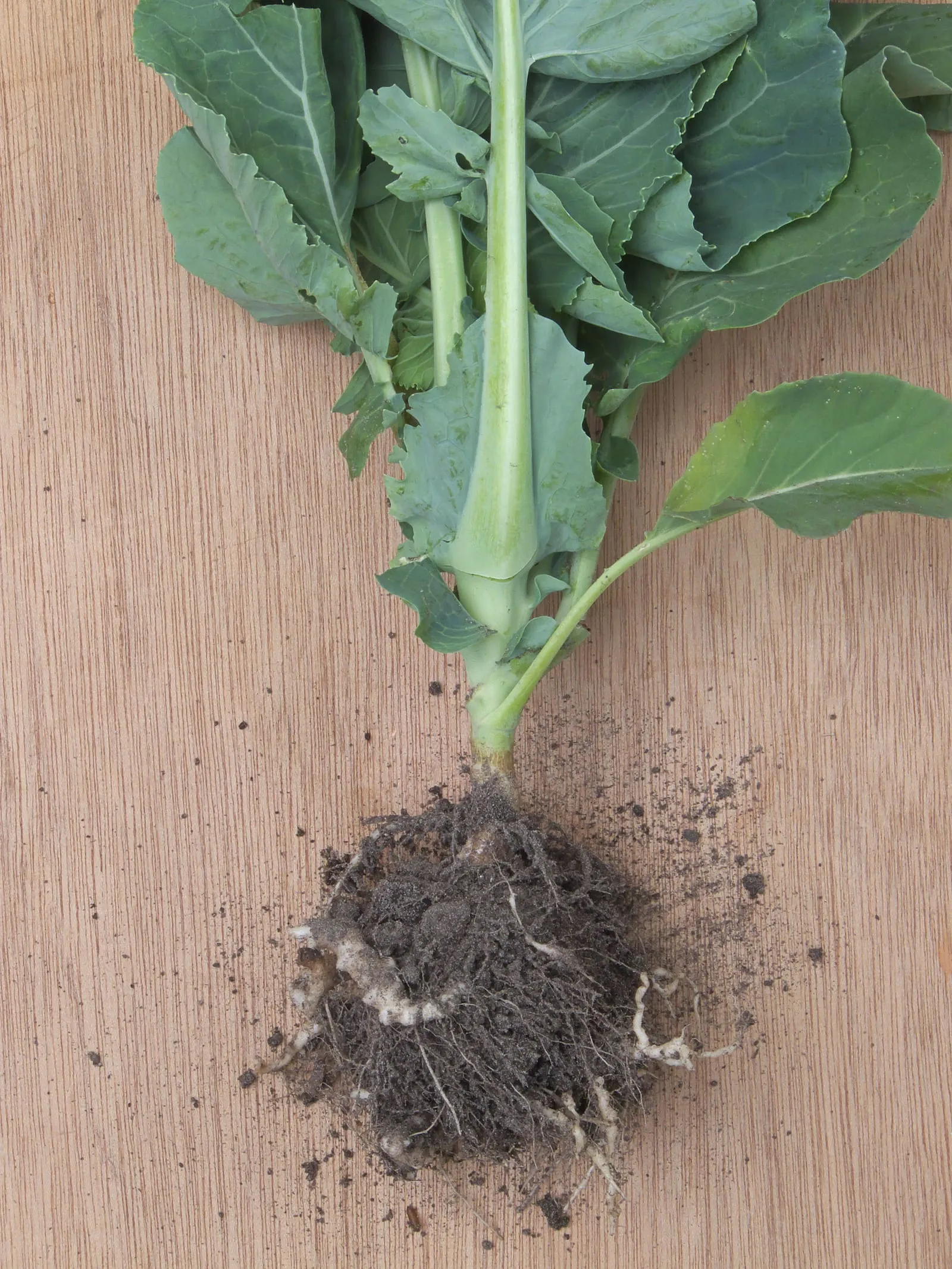
Plasmodiophora brassicae
Soil-borne disease causing characteristic distorted club-shaped roots on brassicas. Persists in soil for 10-20 years; the dominant brassica pathogen in acidic poorly-drained soils.
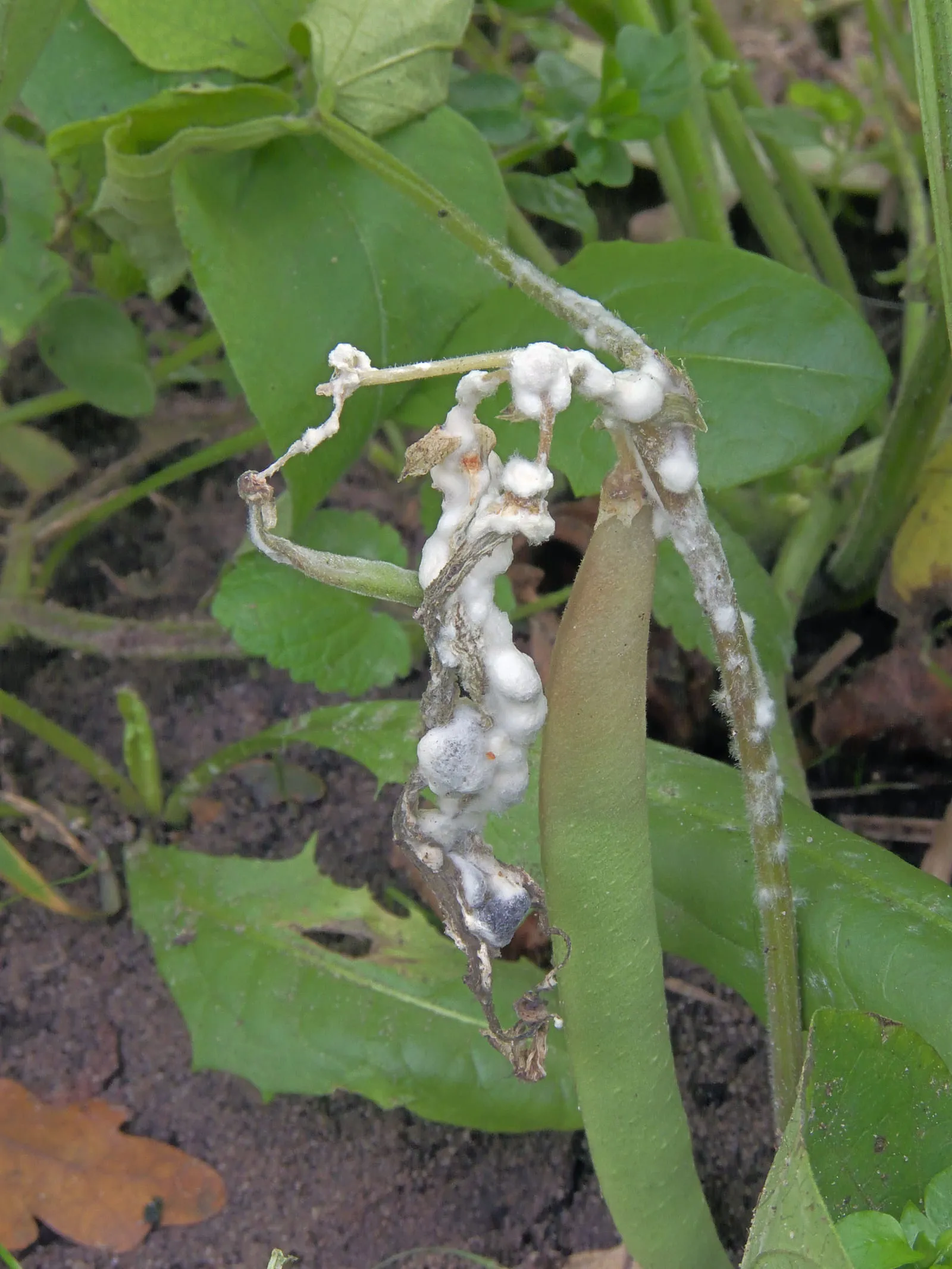
Sclerotinia sclerotiorum
Fungal disease that produces fluffy white mycelium on stems and lower leaves. Forms hard black sclerotia (resting bodies) that survive 5+ years in soil.
Modified care for zone 9a
The central care adjustment in zone 9a is timing discipline. Starting transplants too early means seedlings establish during summer heat and stress; starting too late compresses the cool window before spring warmth arrives. Aim for transplant-ready starts (4 to 6 true leaves) around the time daytime highs consistently drop below 85°F. Disease pressure is the other major modification. Downy Mildew thrives in the warm, humid winters common across zone 9a, particularly in coastal areas; choose resistant varieties where available and avoid overhead irrigation. Clubroot persists in acidic soil for many years, so maintaining soil pH between 7.0 and 7.2 and rotating brassicas on a minimum four-year cycle is important, not optional. White Mold pressure increases in dense plantings with limited airflow. Wider spacing (18 to 24 inches between plants) reduces canopy humidity and is worth the reduced plant count per bed.
Frequently asked questions
- Can cauliflower survive zone 9a winters outdoors?
Established cauliflower plants tolerate light frost without damage. Zone 9a's minimum temperatures (20 to 25°F) can damage exposed heads during hard freezes, but blanching the head with tied outer leaves provides enough protection in most years. The bigger threat in zone 9a is heat, not cold.
- Why is my cauliflower forming tiny heads (buttoning) in zone 9a?
Buttoning happens when plants experience heat stress or nutrient stress during the critical head-initiation period. In zone 9a, this most often means transplanting too late in fall so that heading coincides with warming February or March temperatures. It can also result from transplanting seedlings that are too mature and root-bound.
- Can cauliflower be grown in summer in zone 9a?
Not reliably. Sustained daytime temperatures above 80°F cause poor curd quality, bolting, or complete crop failure. Zone 9a summers are too hot for cauliflower. Stick to the October through April planting window.
- How do I manage clubroot in zone 9a raised beds?
Clubroot (Plasmodiophora brassicae) survives in soil for up to 20 years. In zone 9a, where brassicas grow across a long cool season, it accumulates quickly in beds that are not rotated. Raise soil pH to 7.0 to 7.2 with lime, enforce a four-year brassica-free interval, and remove and bag (not compost) any infected plant material.
+−
+−
+−
+−
Cauliflower in adjacent zones
Image: "Bloemkool", by Rasbak, via Wikimedia Commons, licensed under CC-BY Source.

Related