USDA hardiness zone
Zone 9a
Mild winters allow citrus, avocado, and most subtropical fruits.
On the zone ramp
- Lowest winter temp
- 20°F to 25°F USDA boundary
- Growing season
- 290 days
- Avg chill hours
- ~400 below 45°F
- Hardiness rank
- 17 of 26 temperate
- Compatible crops
- 61
- Sample region
- Central Florida
Growing in zone 9a
Zone 9a brings mild winters (20 to 25°F lows) and a 290-day growing season. The dominant constraint is the opposite of cold-zone gardening: insufficient winter chill. Most apples need 600 to 1000 chill hours, and zone 9a typically delivers 200 to 500. That puts traditional apple varieties out of reach without specific low-chill cultivars.
What thrives here is a different palette: figs, citrus (in 9b proper, marginal in 9a), avocado at the warmer end, pomegranate, jujube, persimmon, and the low-chill stone fruits. If you adjust expectations away from traditional temperate orchard species and toward subtropicals plus low-chill selections, zone 9a is genuinely productive year-round.
Frost timing in zone 9a
In coastal 9a (Pacific Northwest, parts of California), last spring frost lands in February or earlier and first fall frost is November or later. In inland 9a desert locations, the pattern shifts. Frost can arrive into March in cooler microclimates. Track your specific microclimate rather than relying on the zone average; 9a covers a wide range of frost timing depending on whether you're on the coast or inland.
Common challenges
- ▸ Limited stone fruit options due to insufficient chill
- ▸ Hurricane and tropical storm exposure
- ▸ Citrus disease pressure
Best practices
First, match cultivars to your actual chill-hour count. Anna apple needs 200 chill hours; Gala needs 500 to 600. Get this wrong and the trees grow but never fruit consistently. Second, prioritize heat tolerance for summer crops, especially in inland 9a. Many vegetable cultivars bolt or stop setting fruit above 90°F. Heat-tolerant tomatoes and peppers (Cherokee Purple, Solar Fire, Capistrano) hold up through summer. Third, water management matters more than zone math. Drip irrigation and heavy mulch convert difficult inland 9a sites into productive ones.
What to grow in zone 9a
61 crops from our database fit zone 9a, grouped by type. Click through for zone-specific variety recommendations.
Tree fruit
12 crops
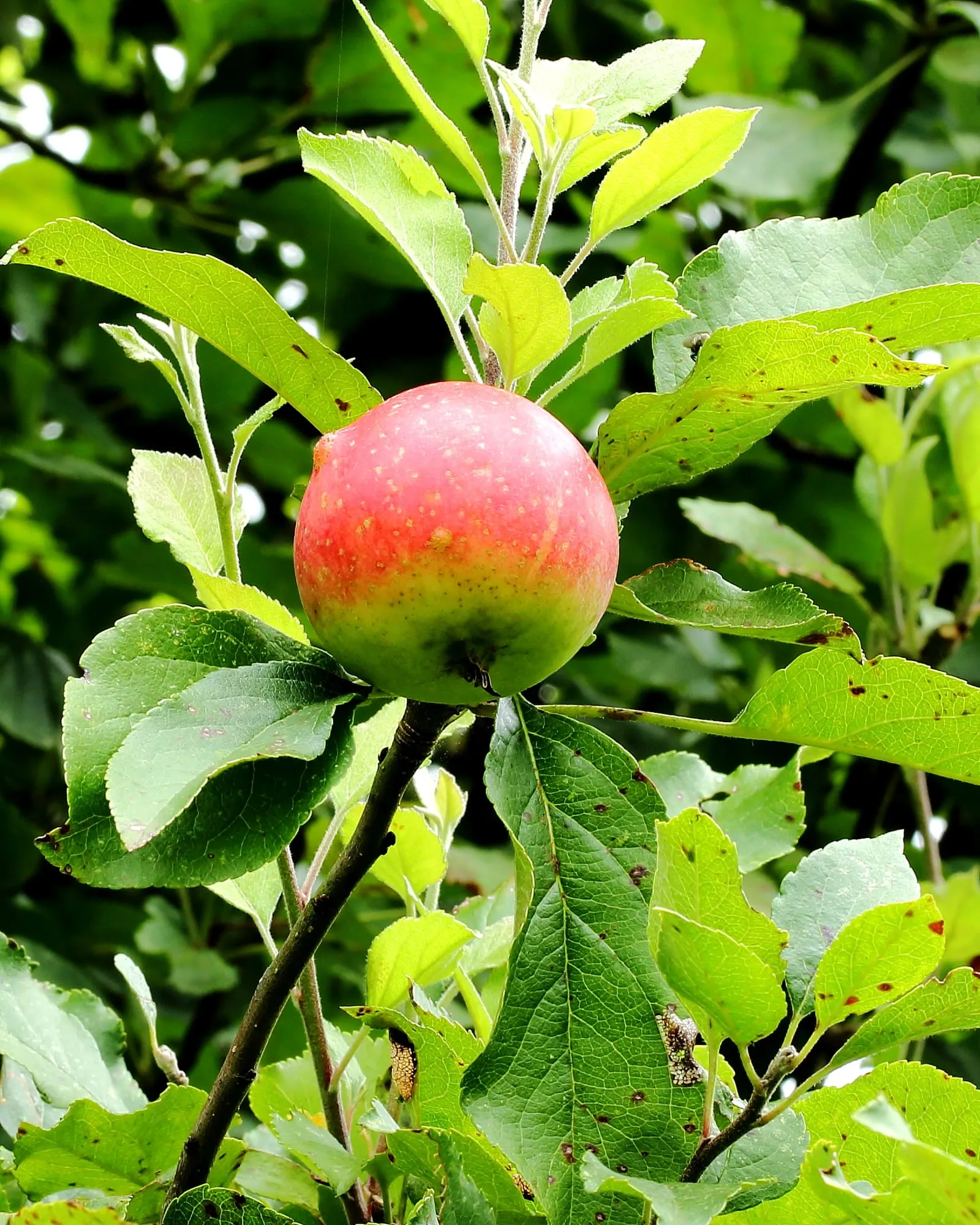 zone 9a
 Apple
Malus domestica
zones 3a–9a
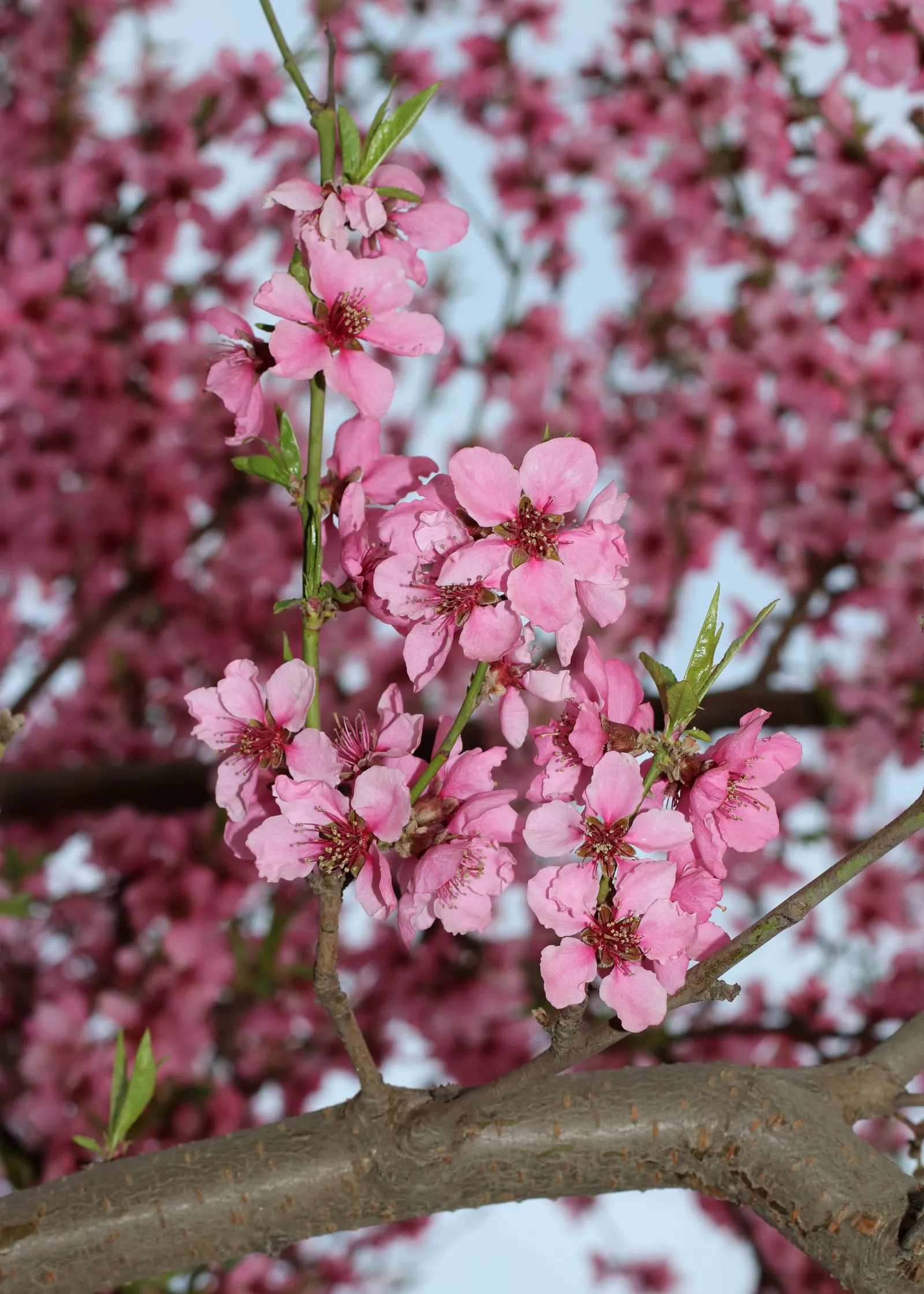 zone 9a
 Peach
Prunus persica
zones 5a–9a
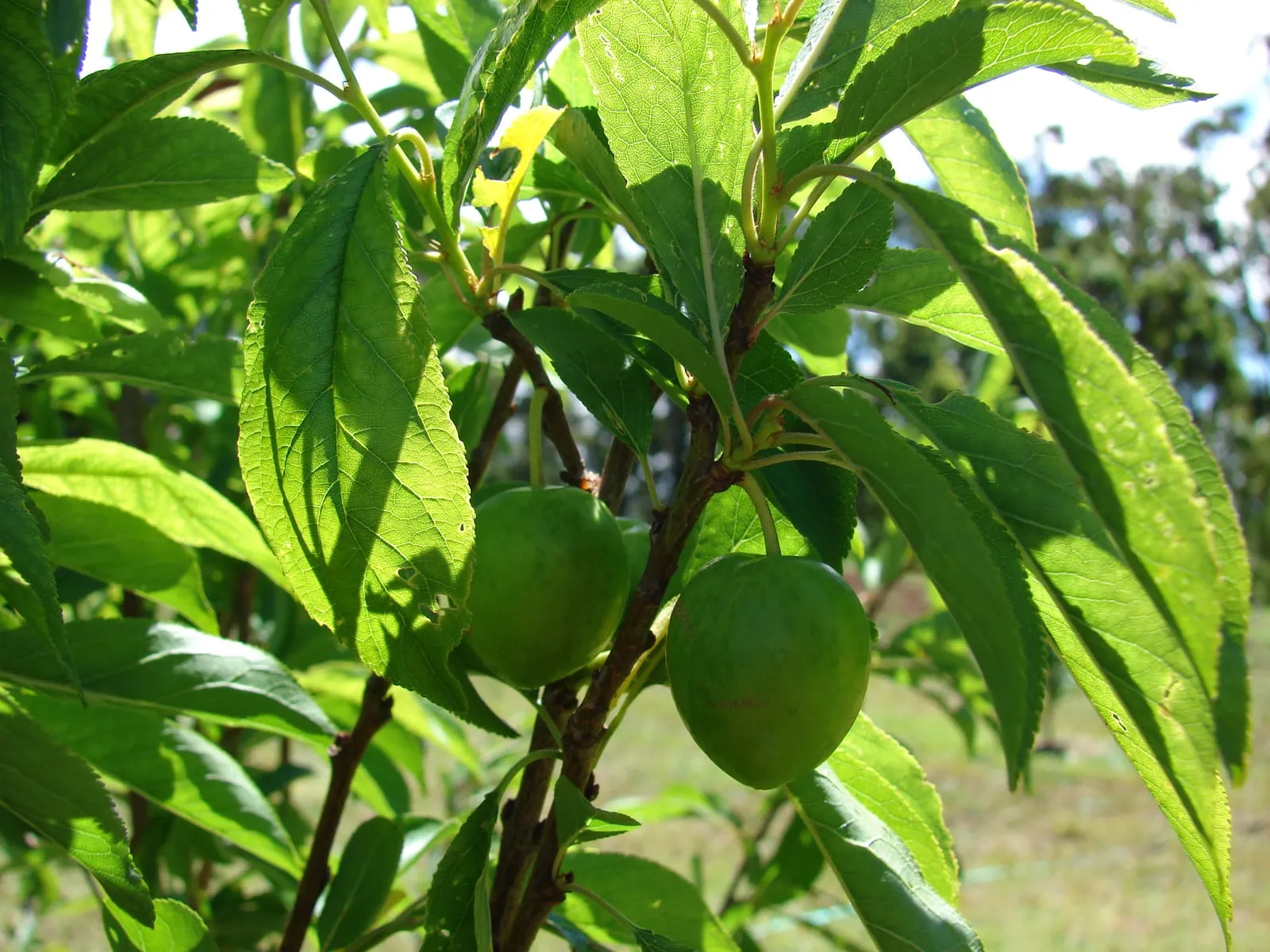 zone 9a
 Japanese Plum
Prunus salicina
zones 5b–9a
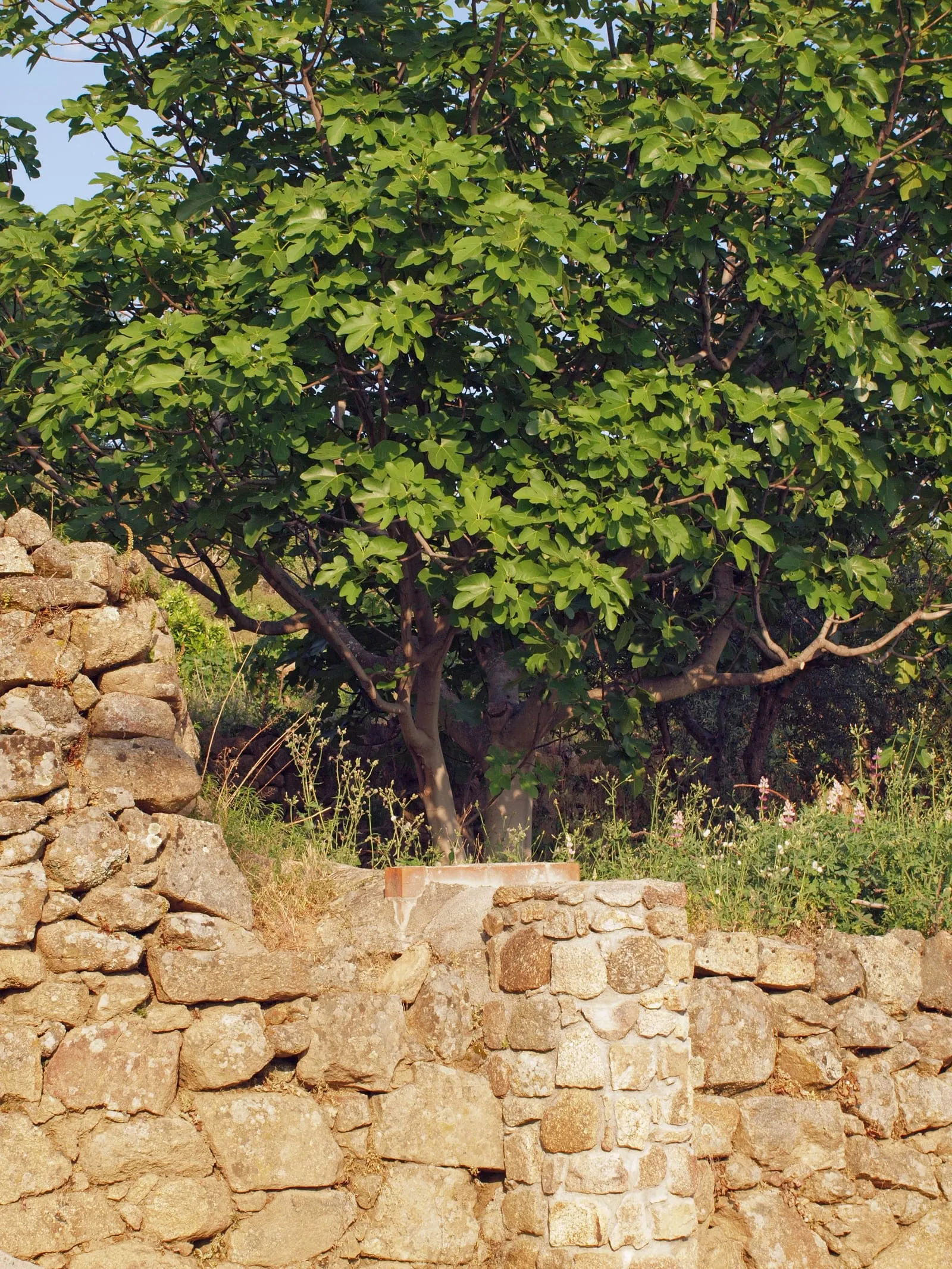 zone 9a
 Fig
Ficus carica
zones 7a–10b
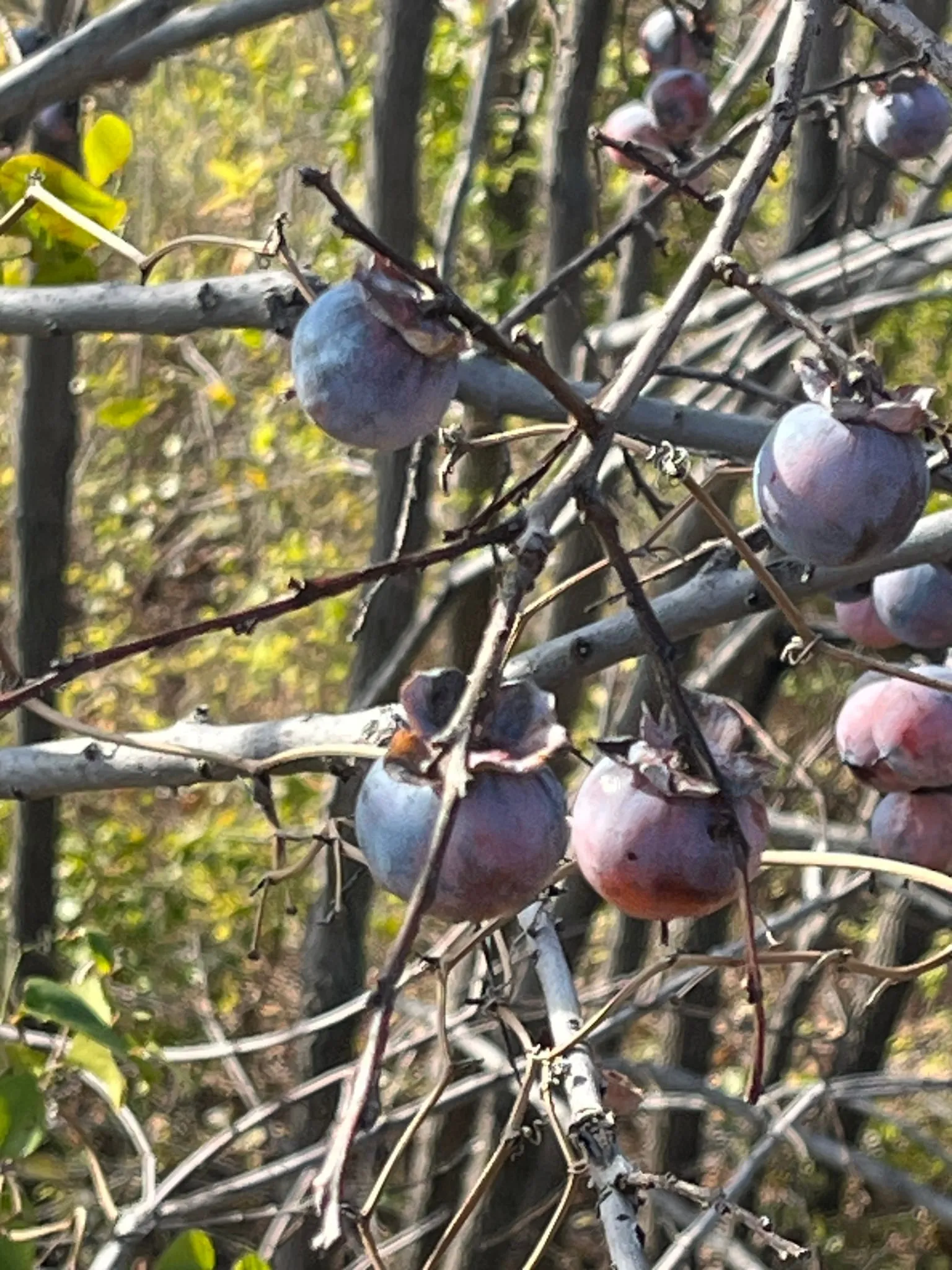 zone 9a
 American Persimmon
Diospyros virginiana
zones 4b–9a
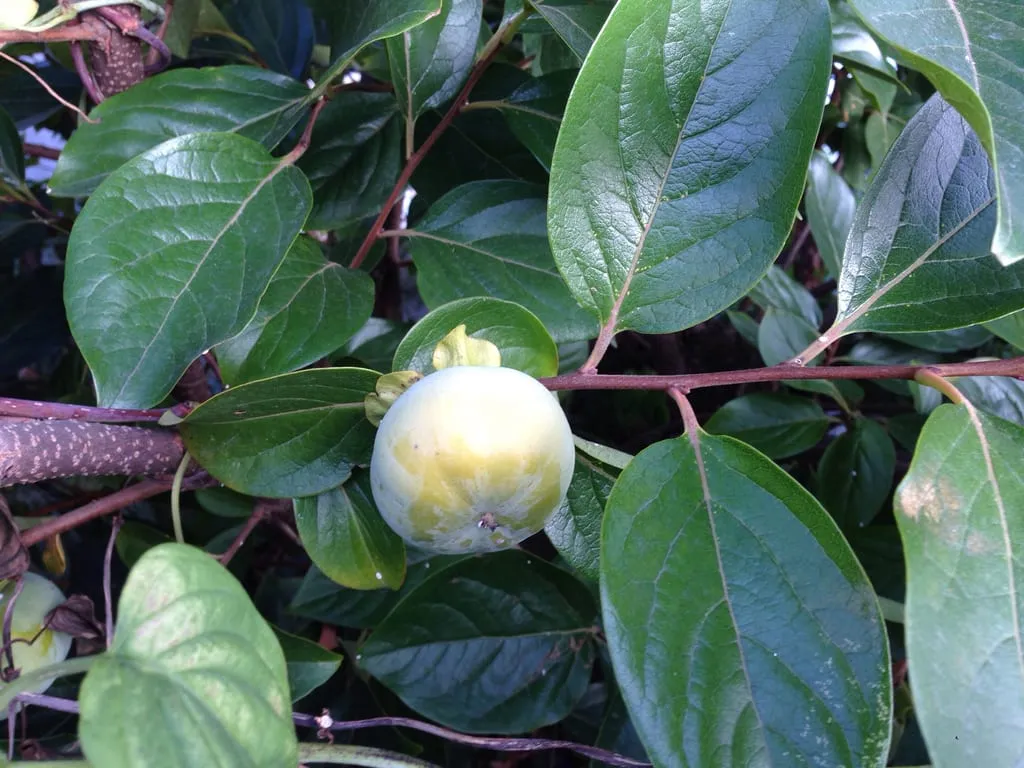 zone 9a
 Asian Persimmon
Diospyros kaki
zones 7a–10a
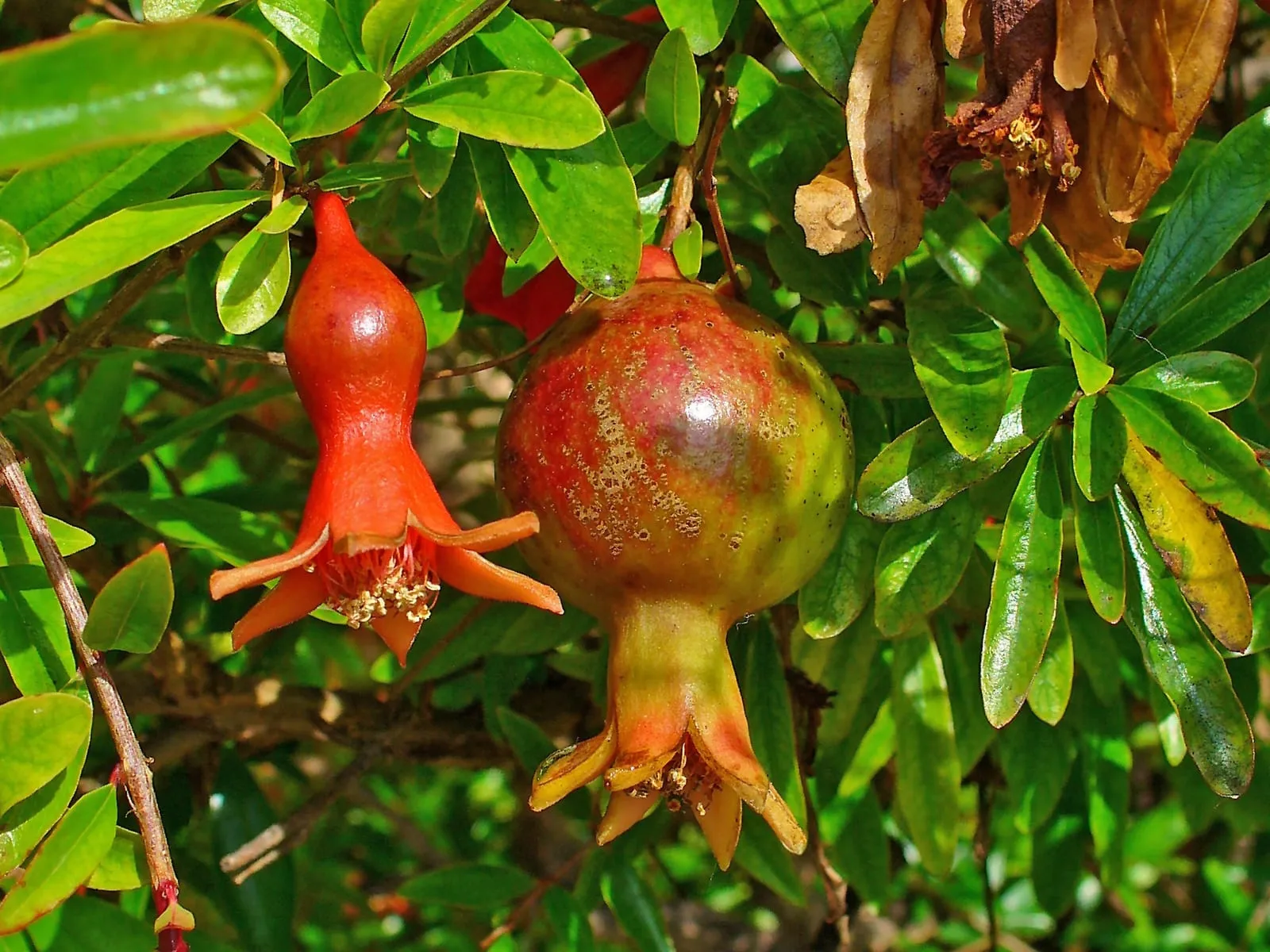 zone 9a
 Pomegranate
Punica granatum
zones 7b–10a
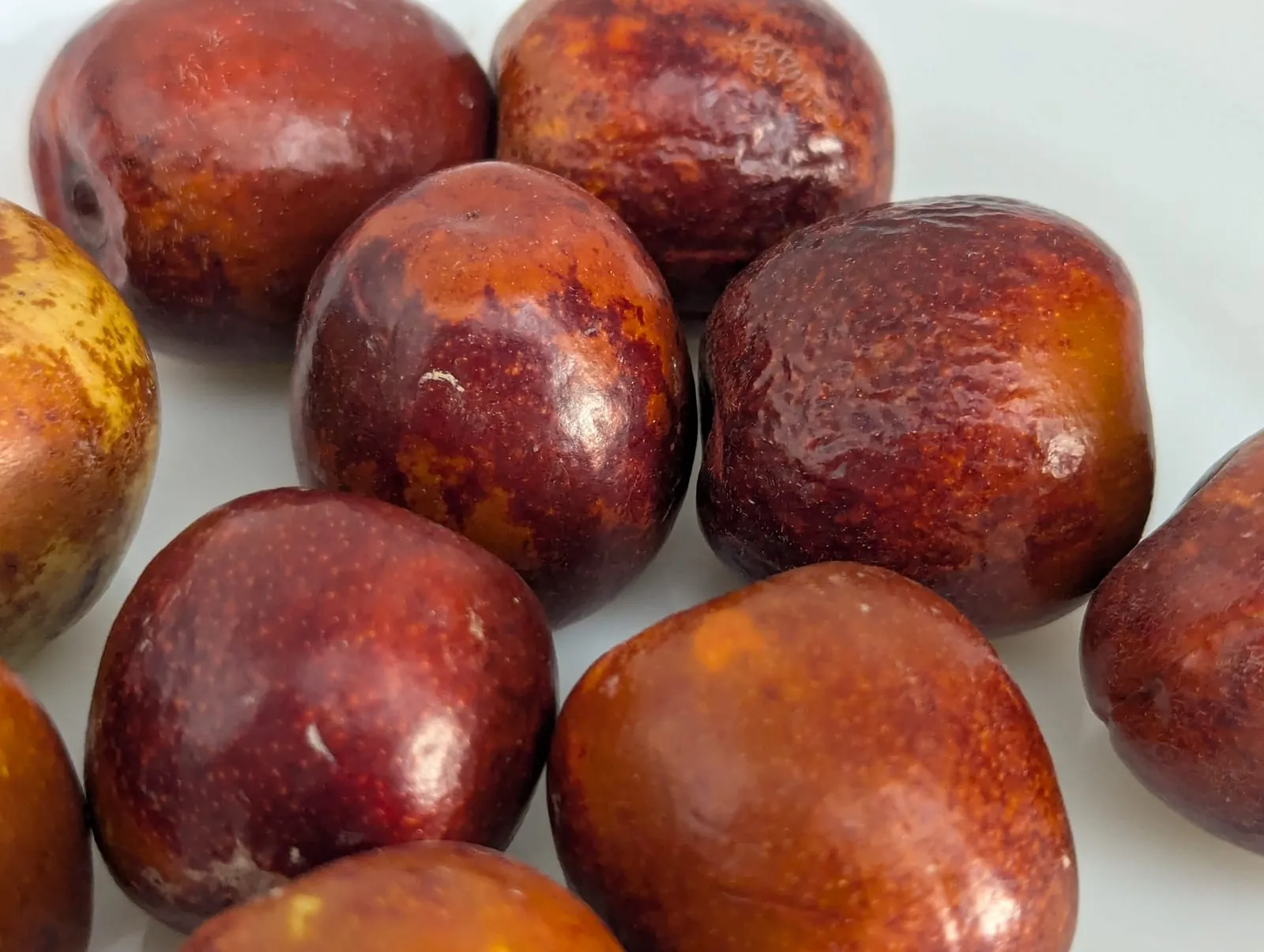 zone 9a
 Jujube
Ziziphus jujuba
zones 6a–9b
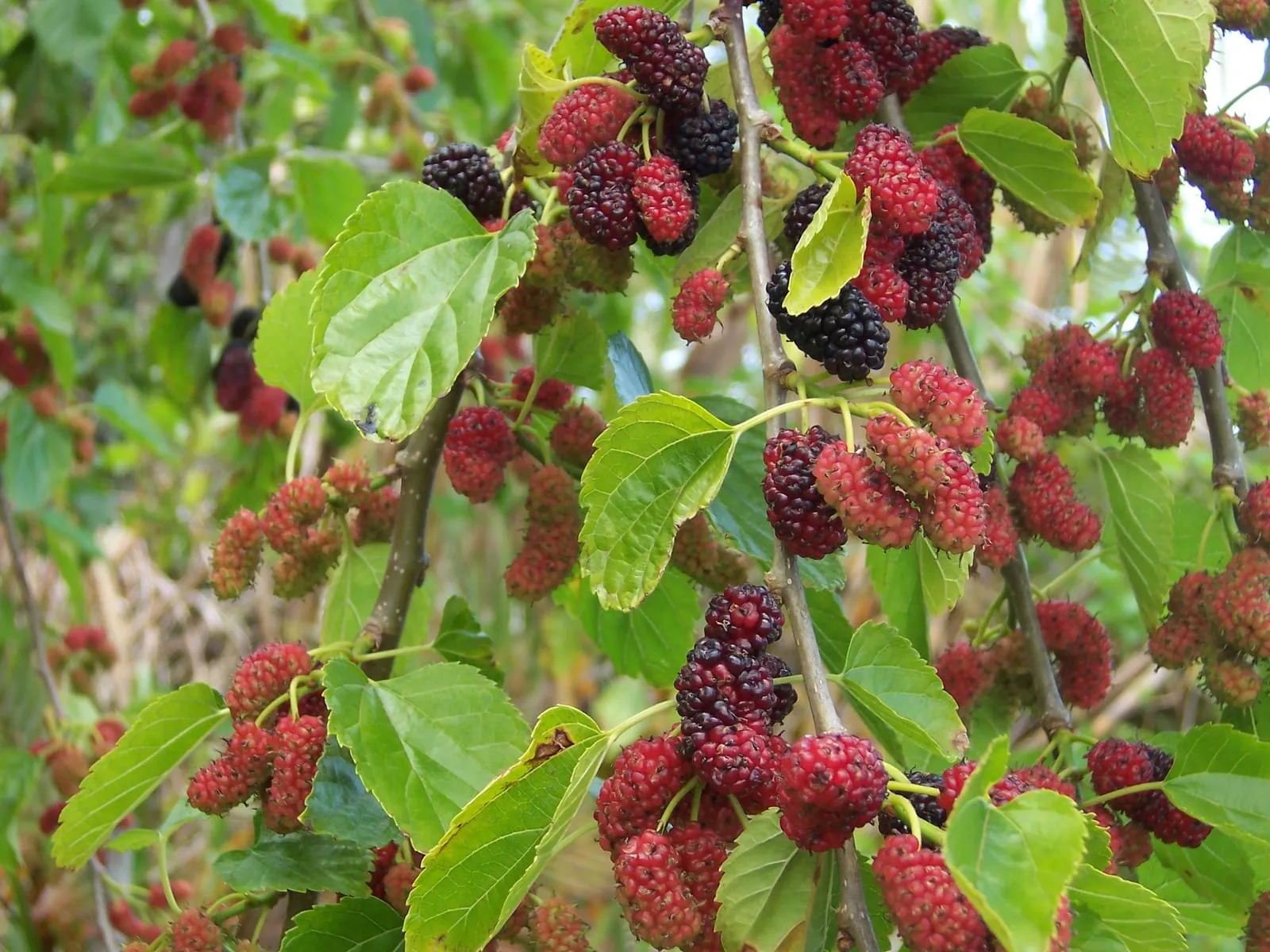 zone 9a
 Mulberry
Morus species
zones 4b–9a
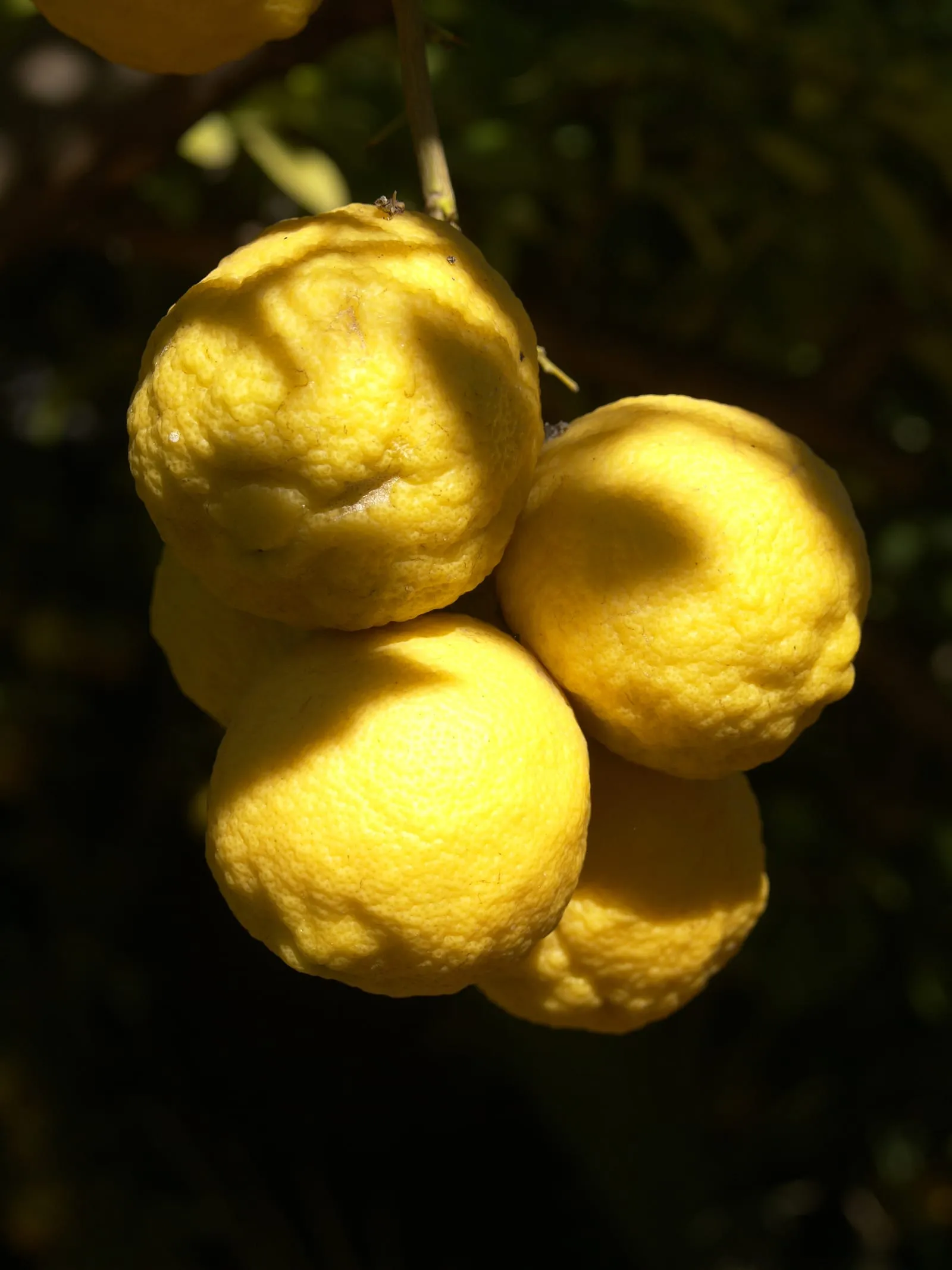 zone 9a
 Lemon
Citrus limon
zones 9a–11b
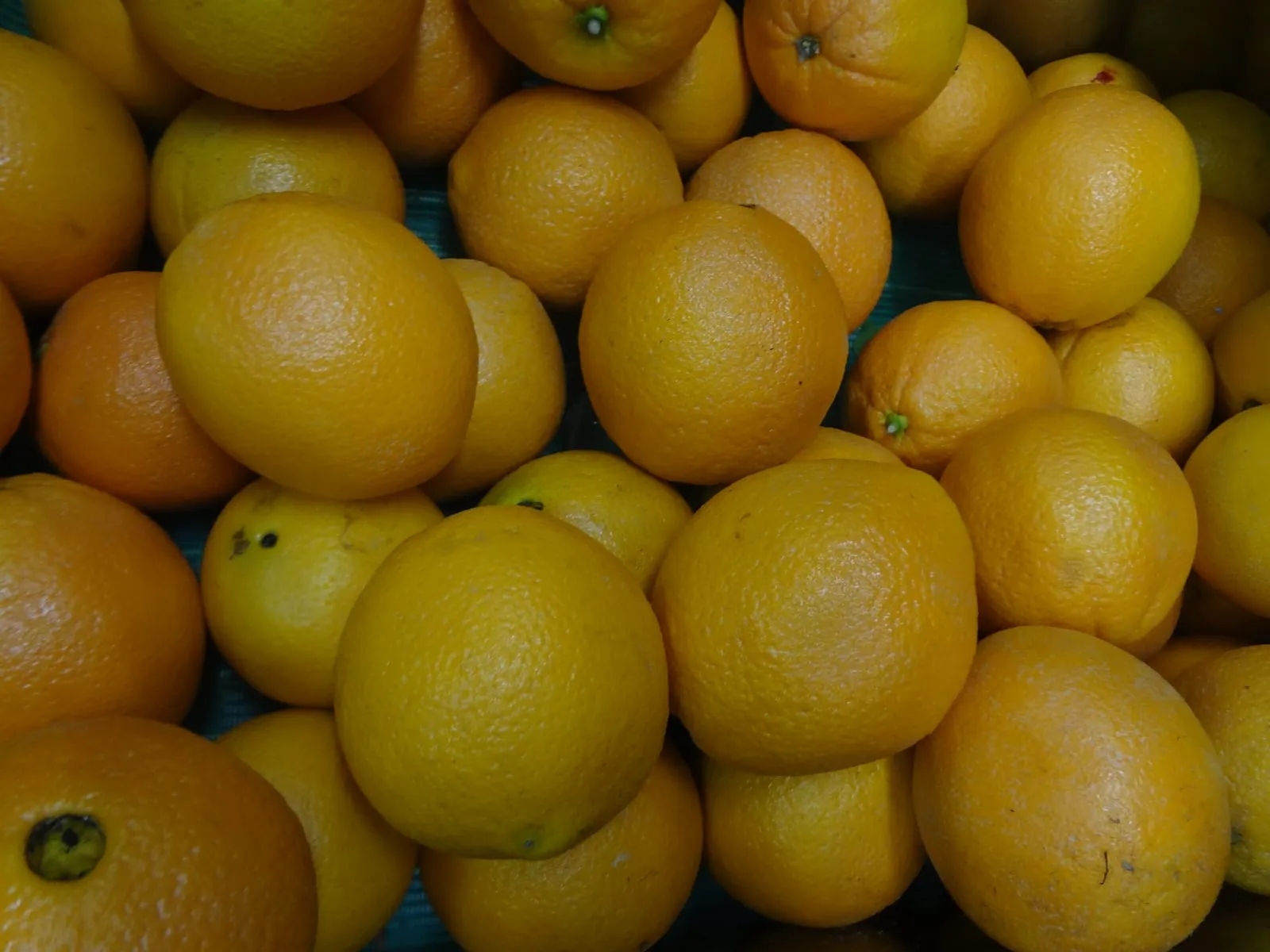 zone 9a
 Orange
Citrus sinensis
zones 9a–11b
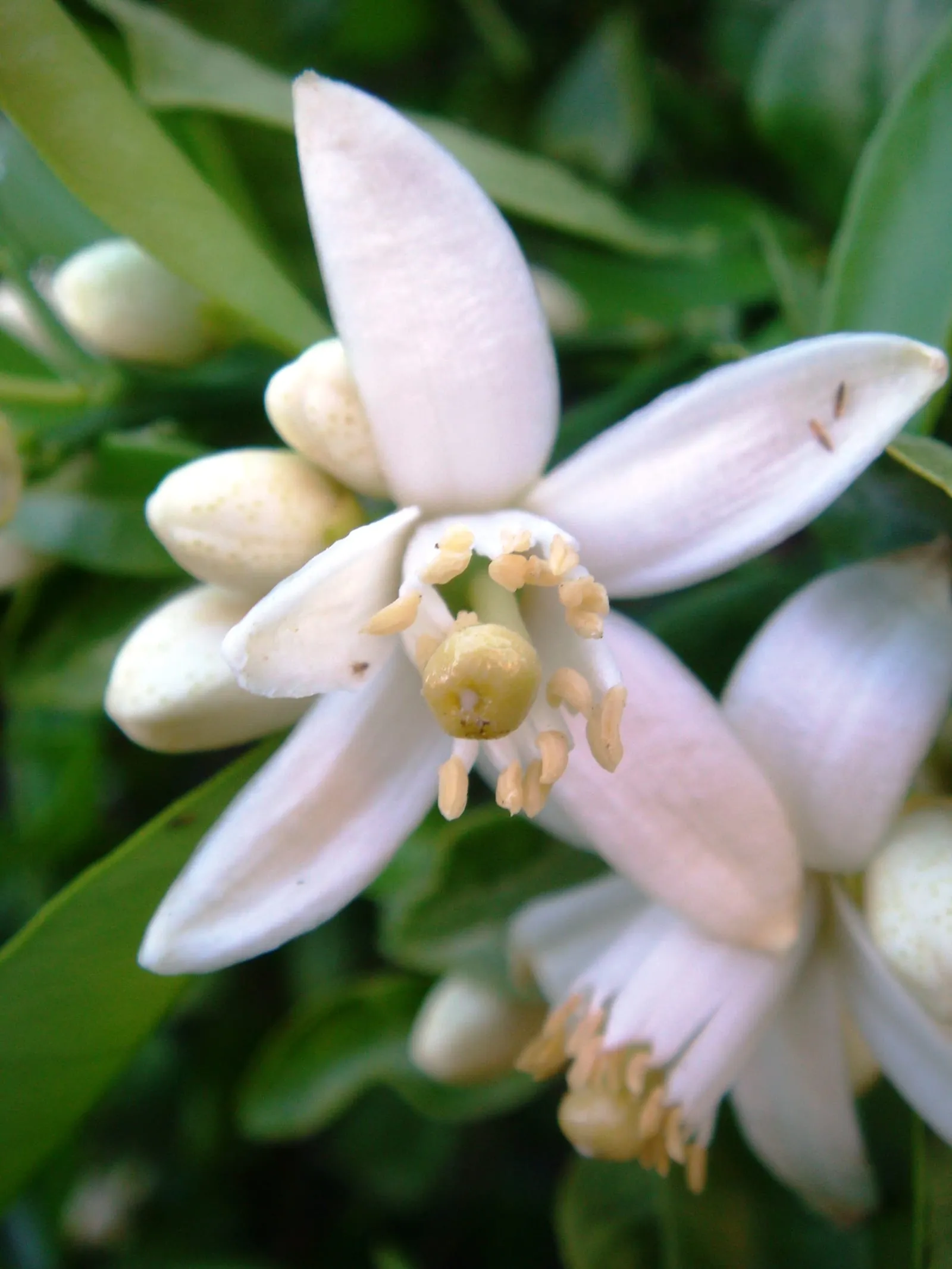 zone 9a
 Grapefruit
Citrus paradisi
zones 9a–11b
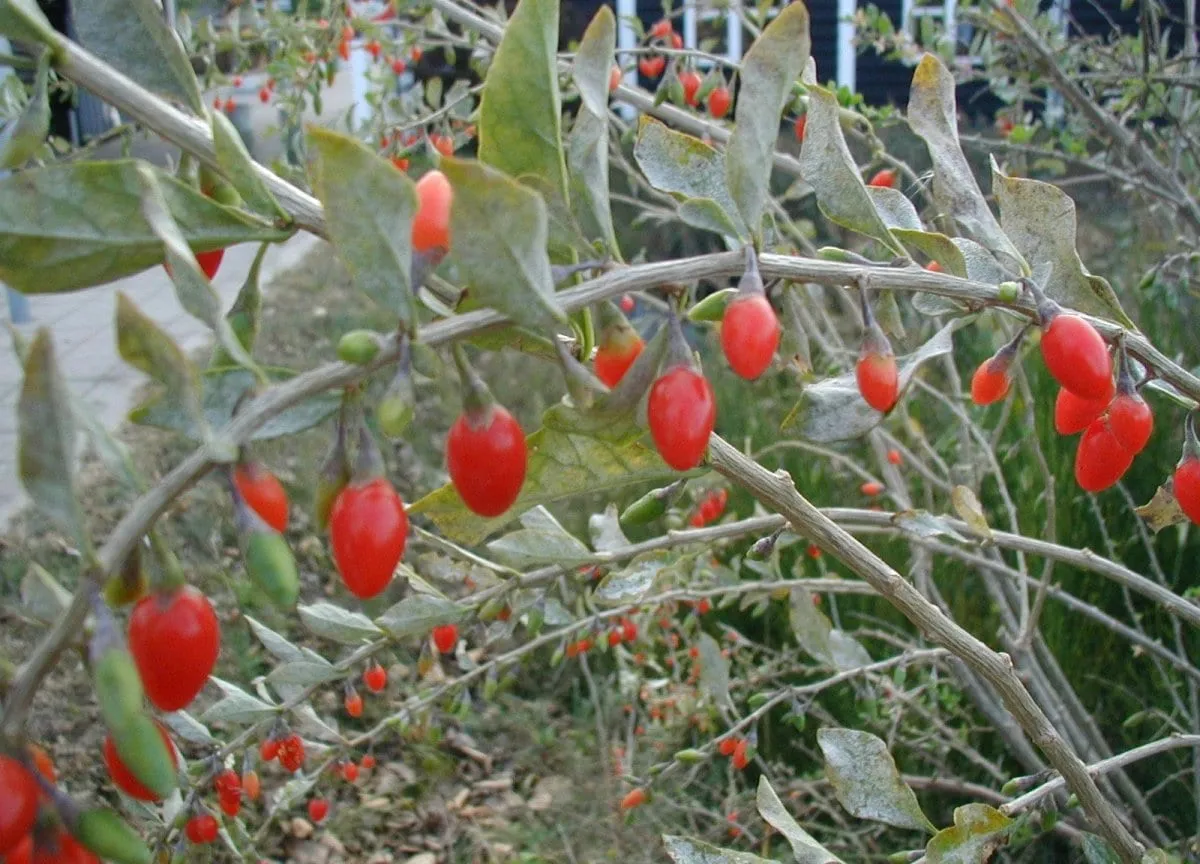
Berries
5 crops
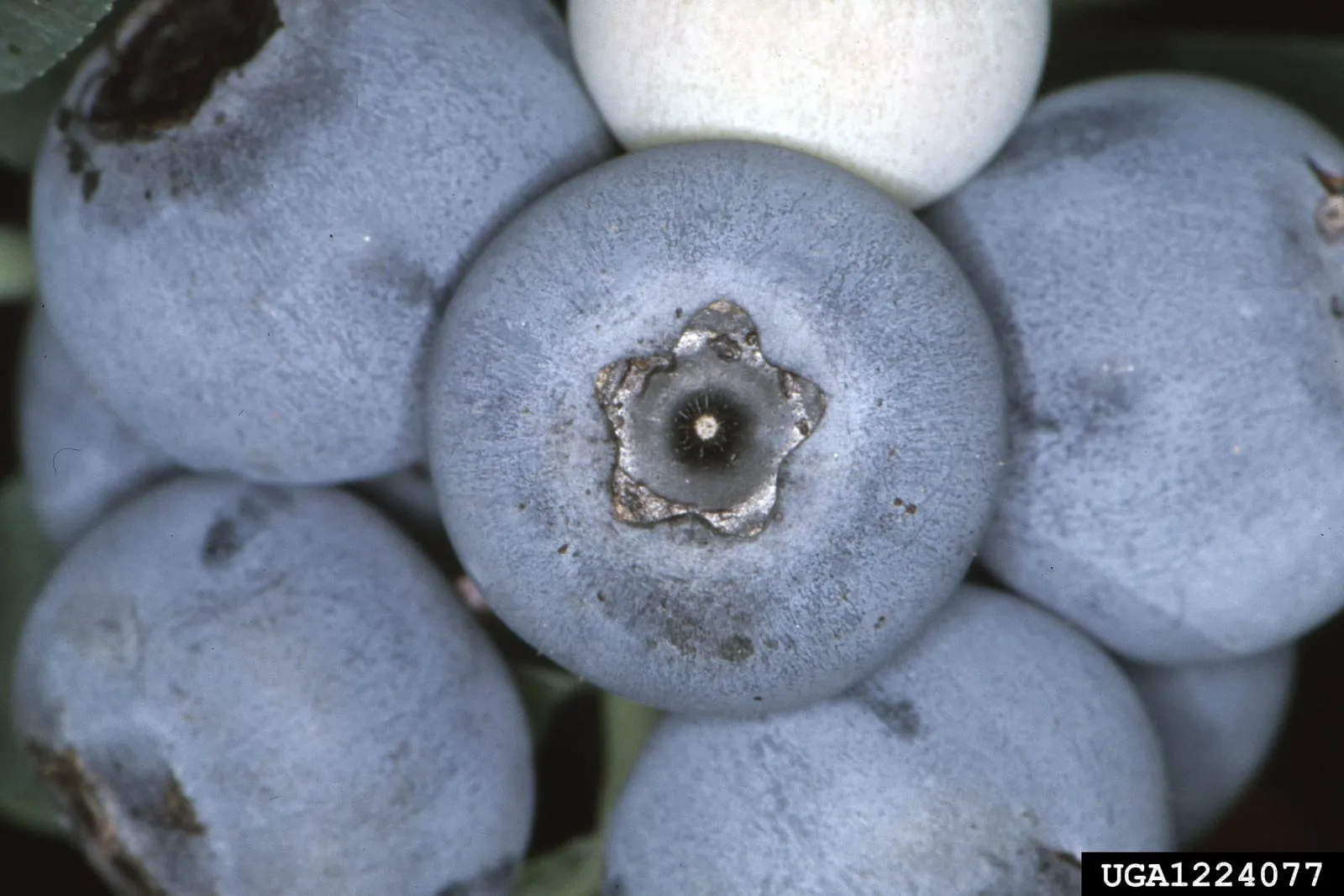
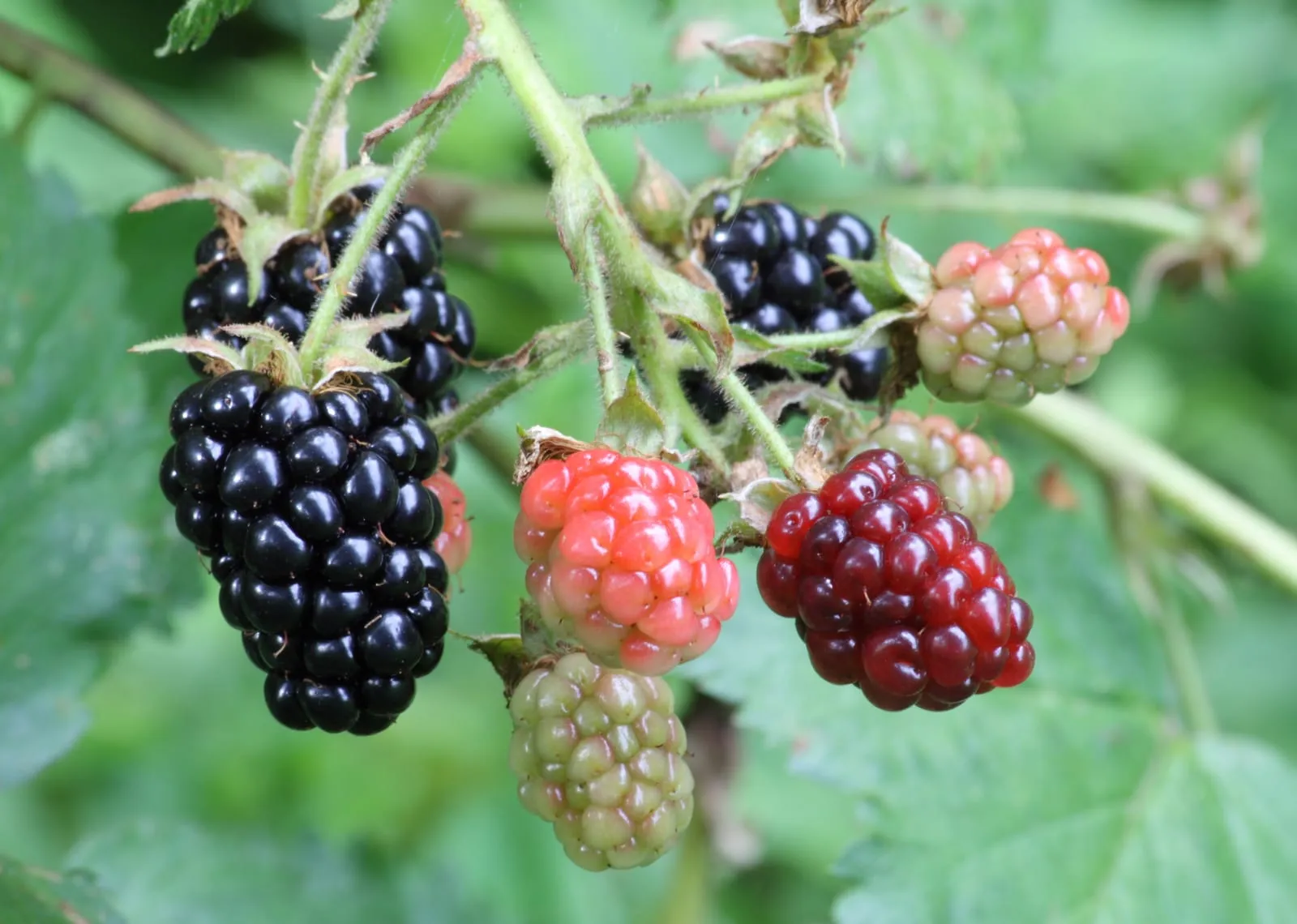
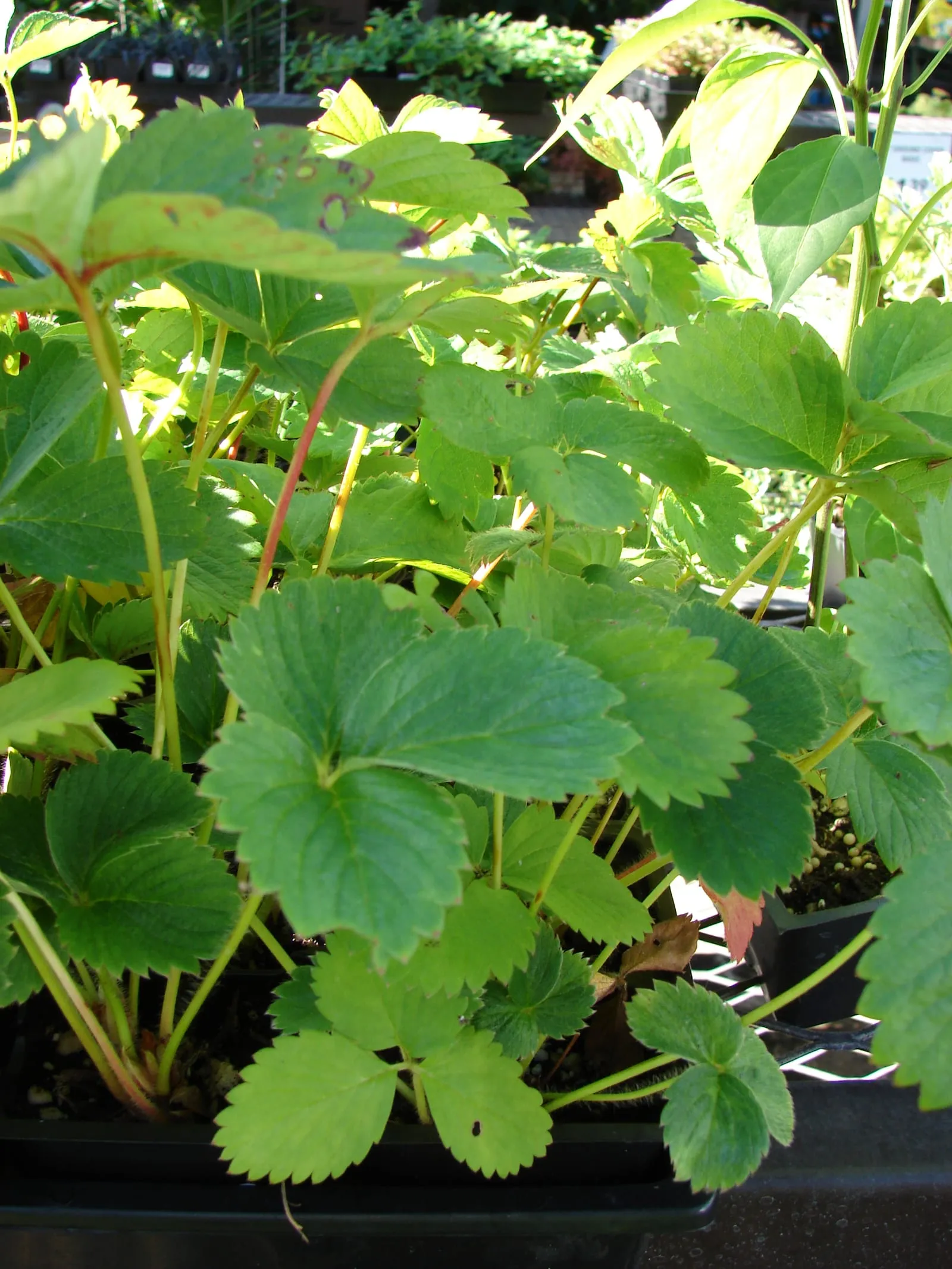
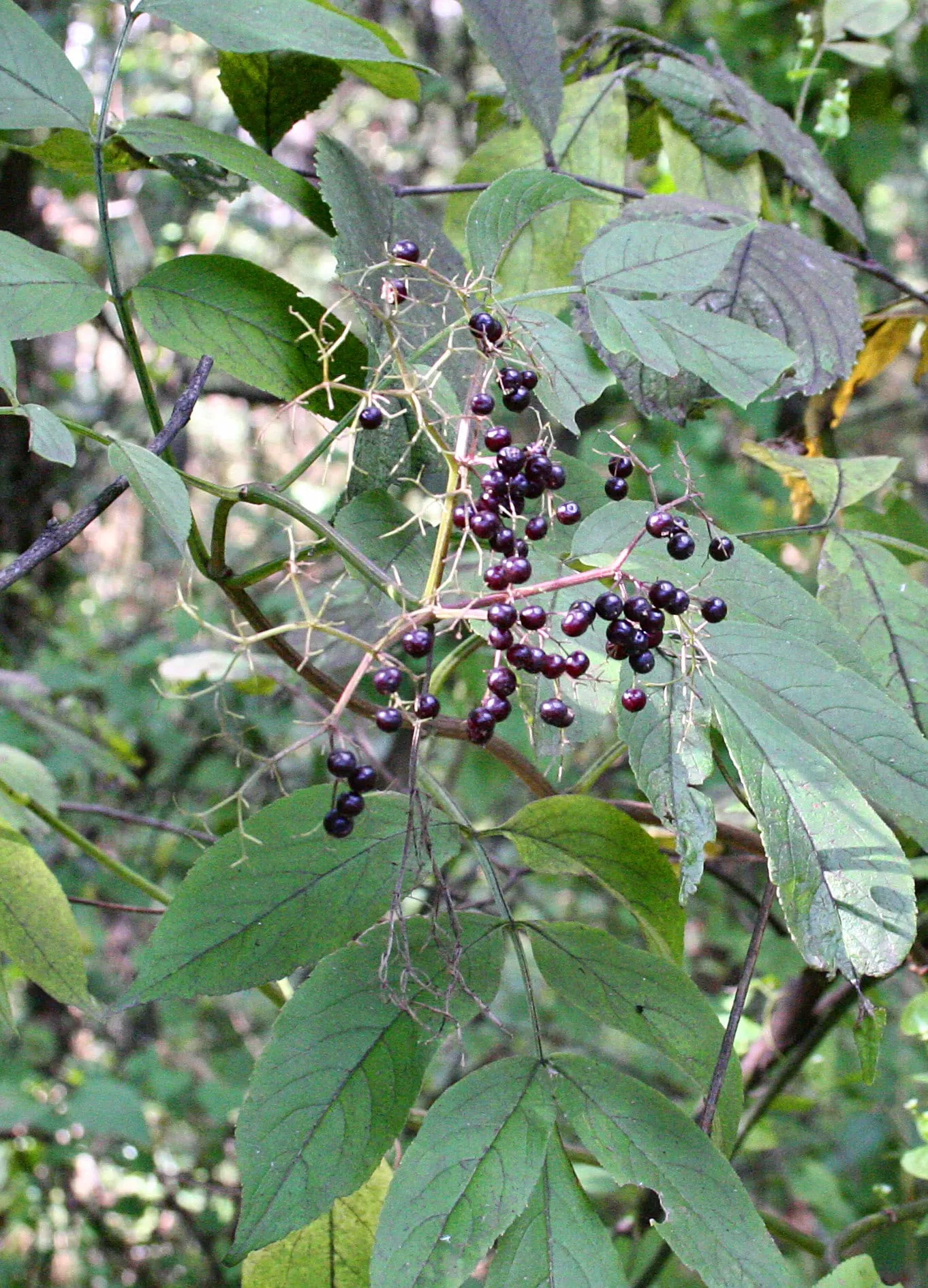
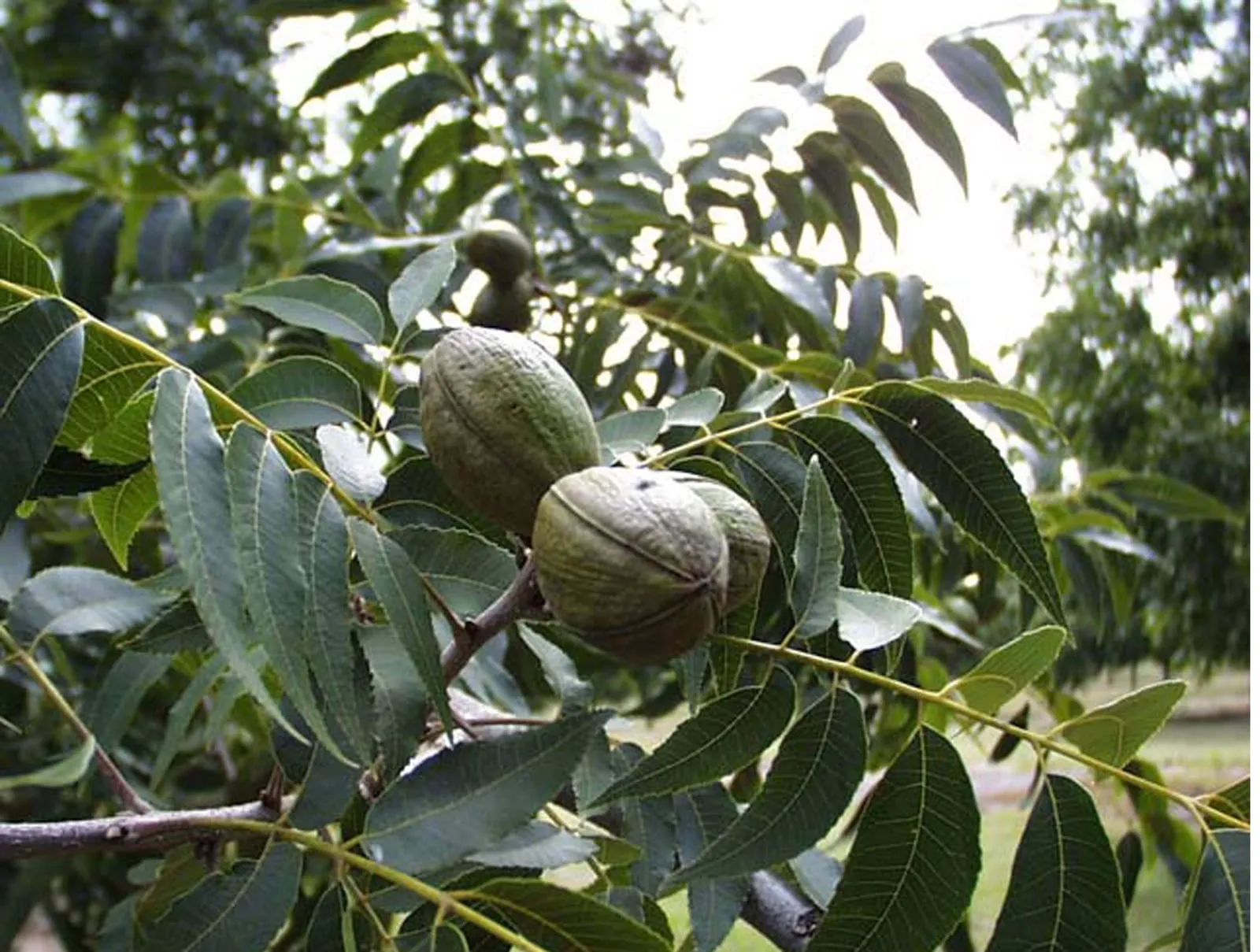
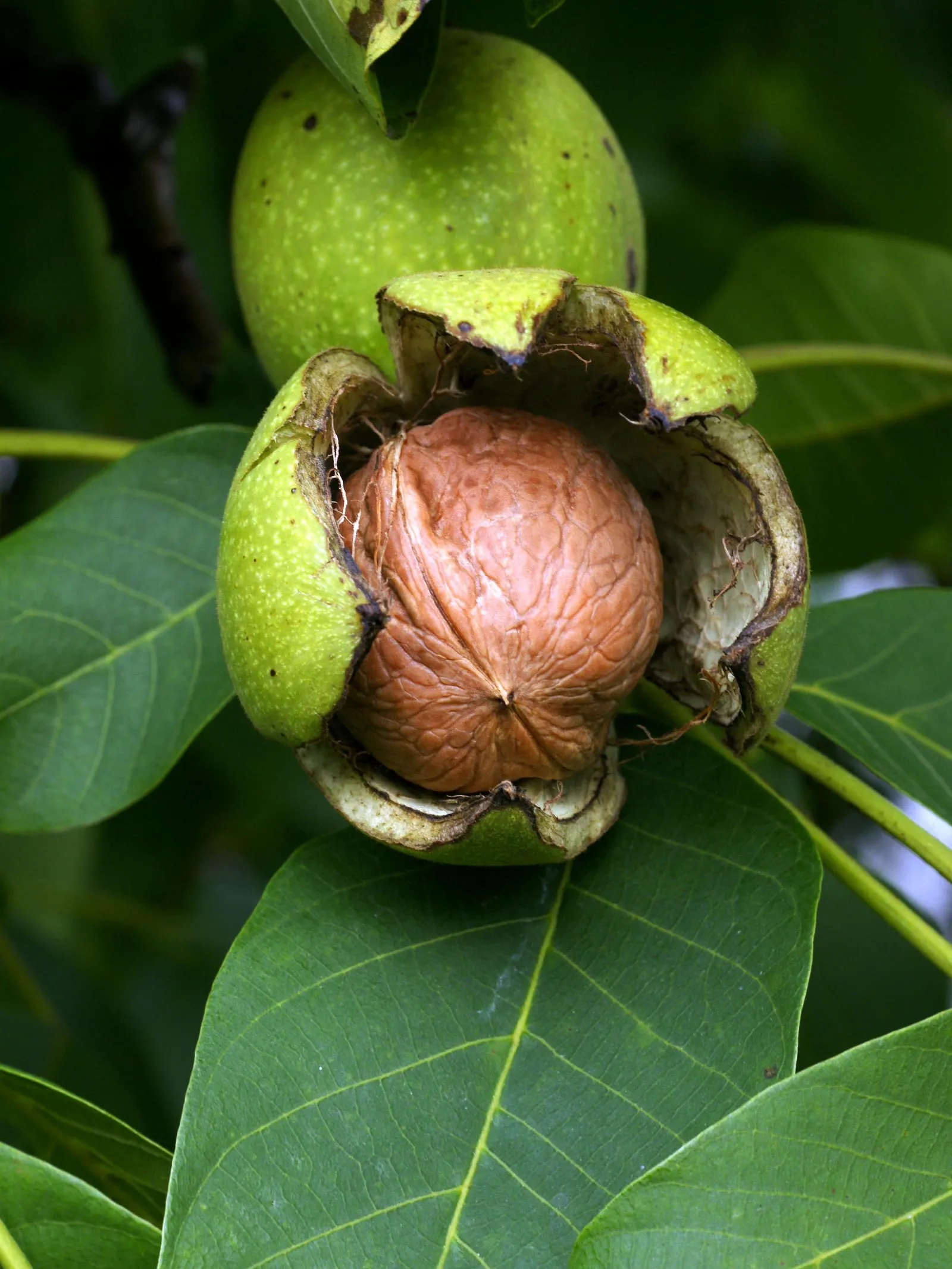
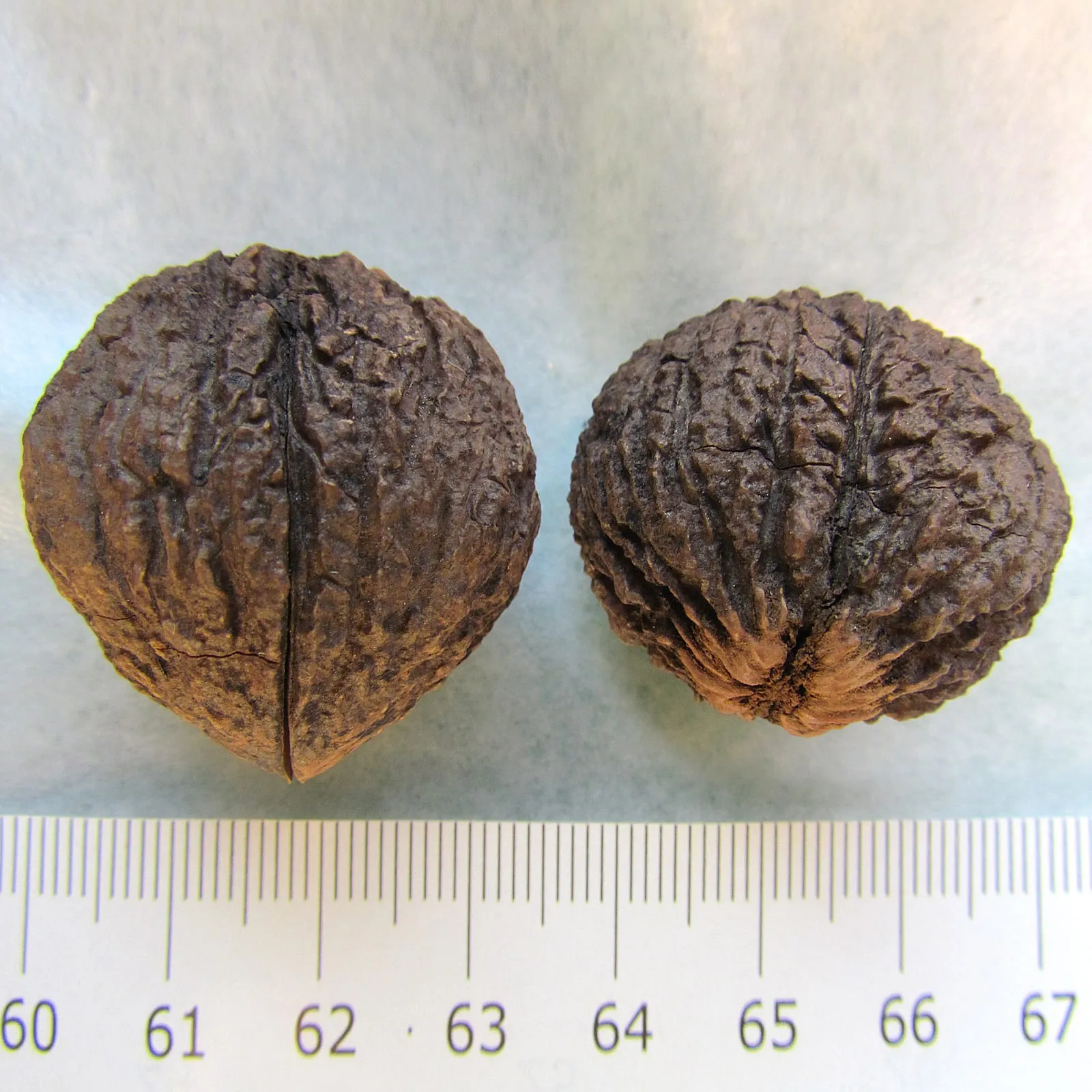
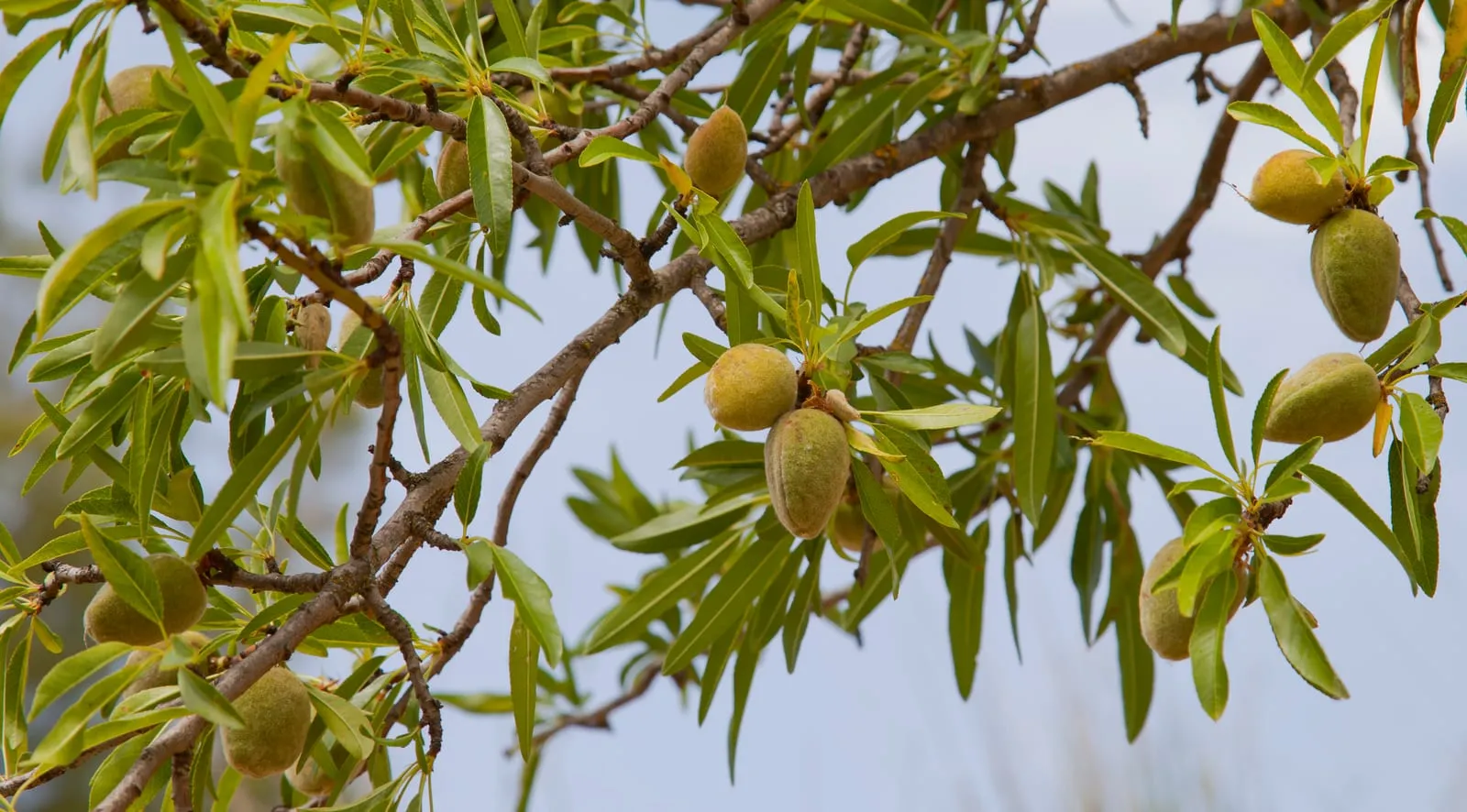
Nuts
4 crops
Vegetables
31 crops
 zone 9a
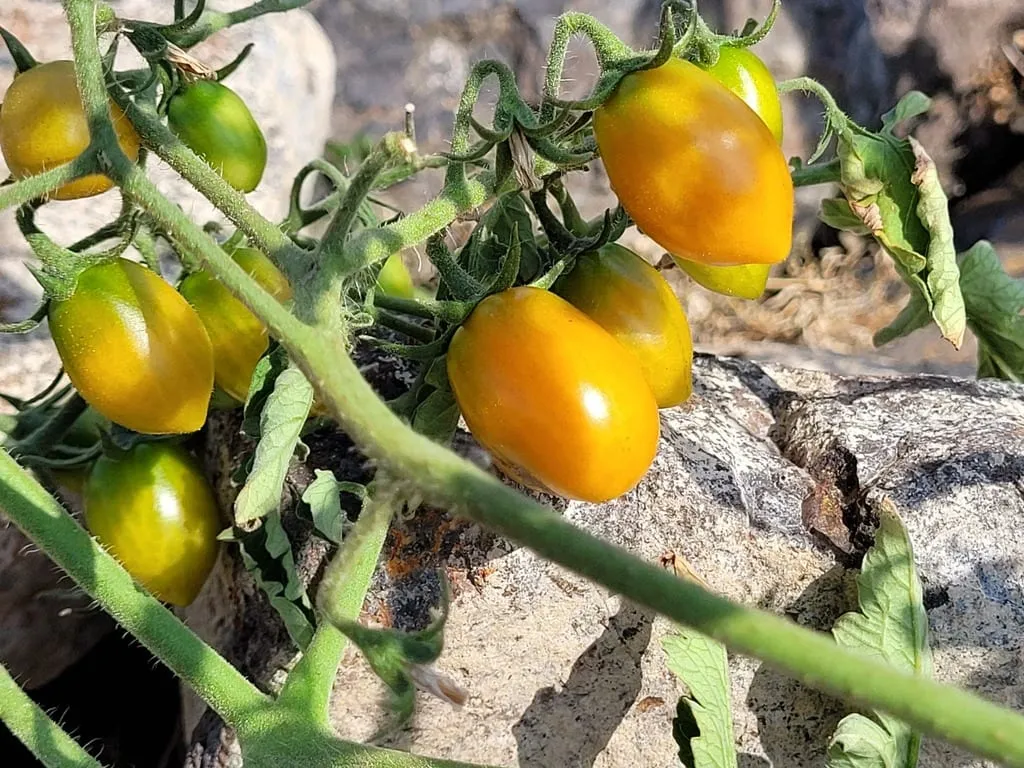
 Tomato
Solanum lycopersicum
zones 3a–10b
 zone 9a
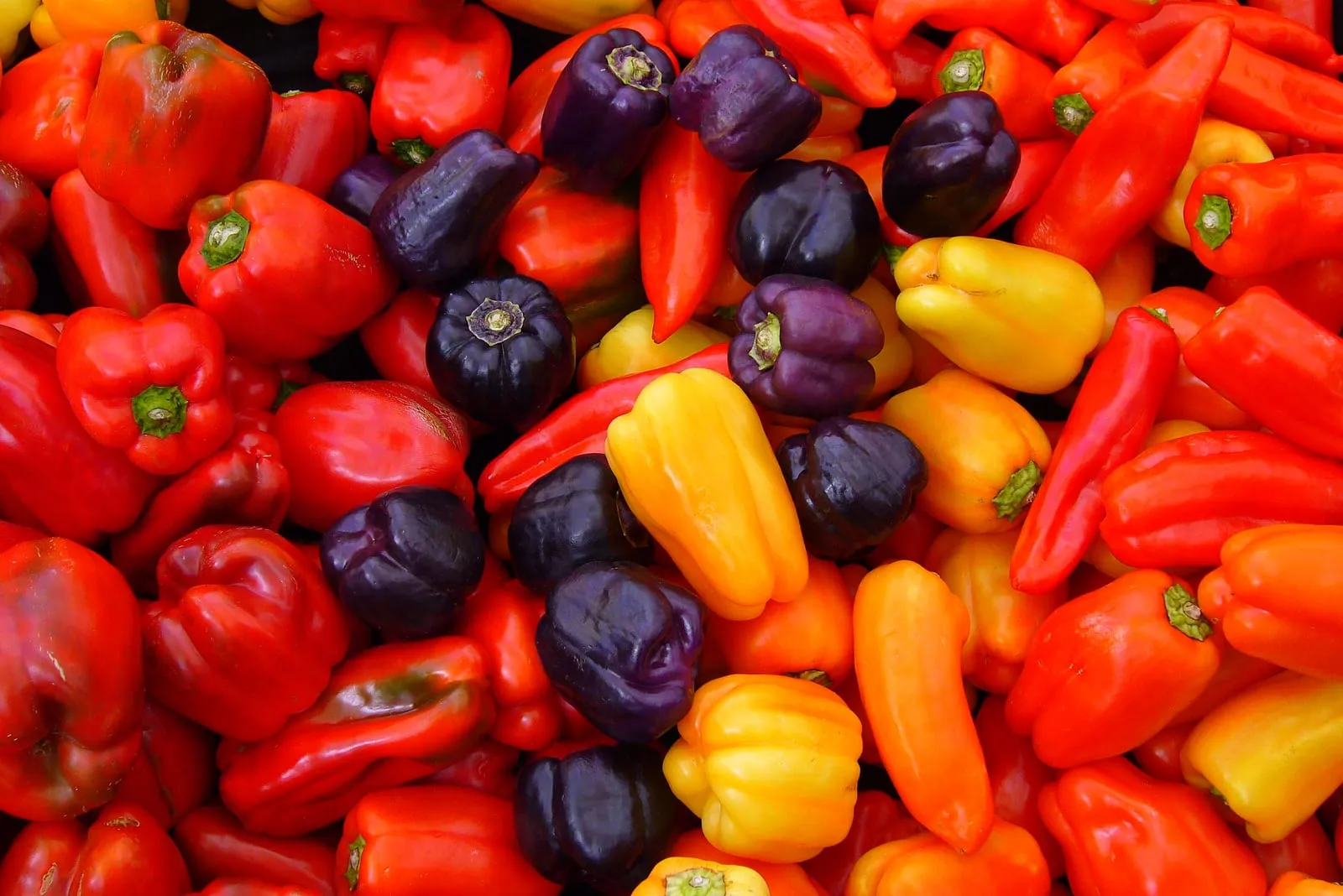
 Sweet Pepper
Capsicum annuum
zones 4a–10b
 zone 9a
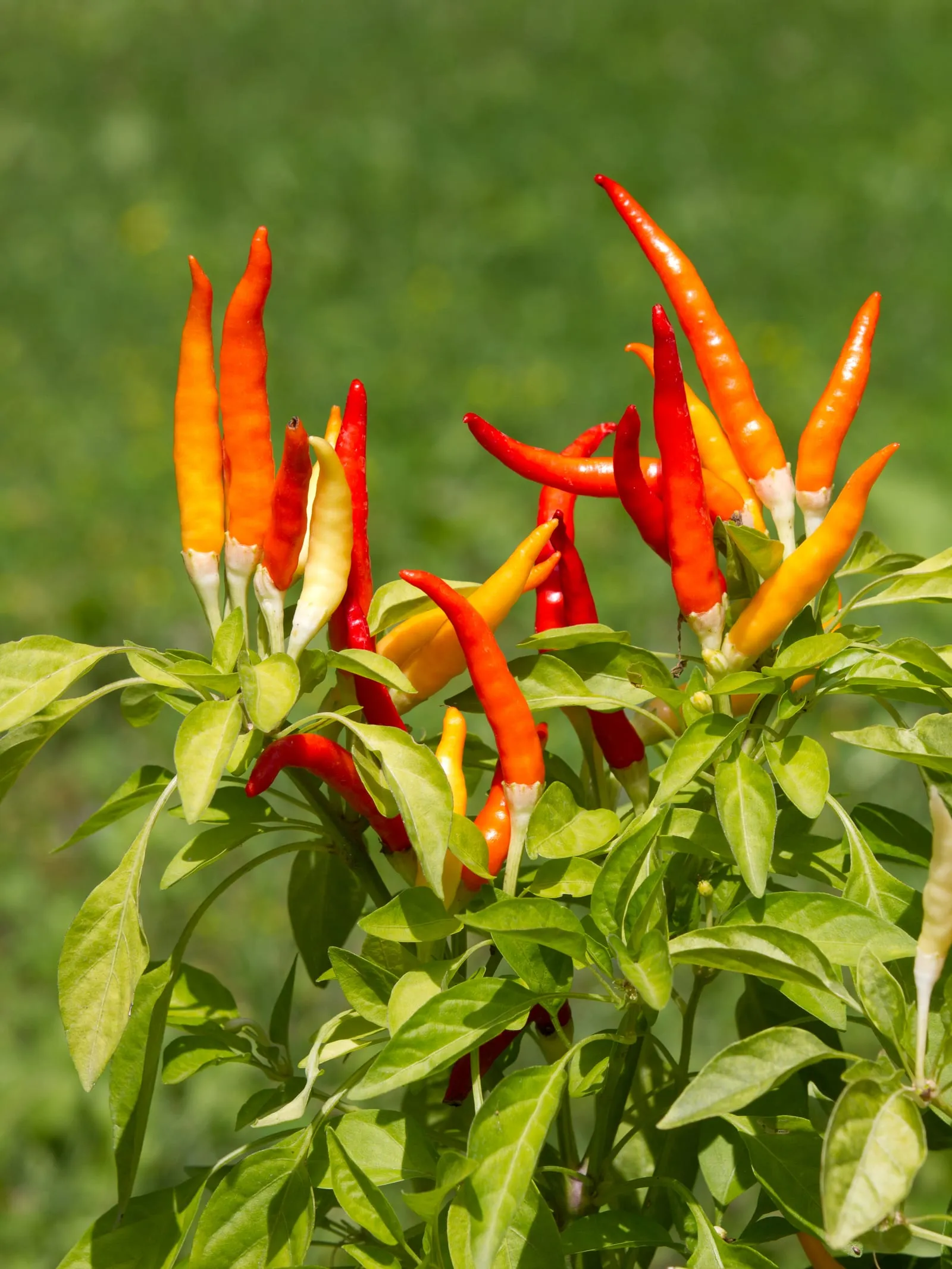
 Hot Pepper
Capsicum species
zones 4a–10b
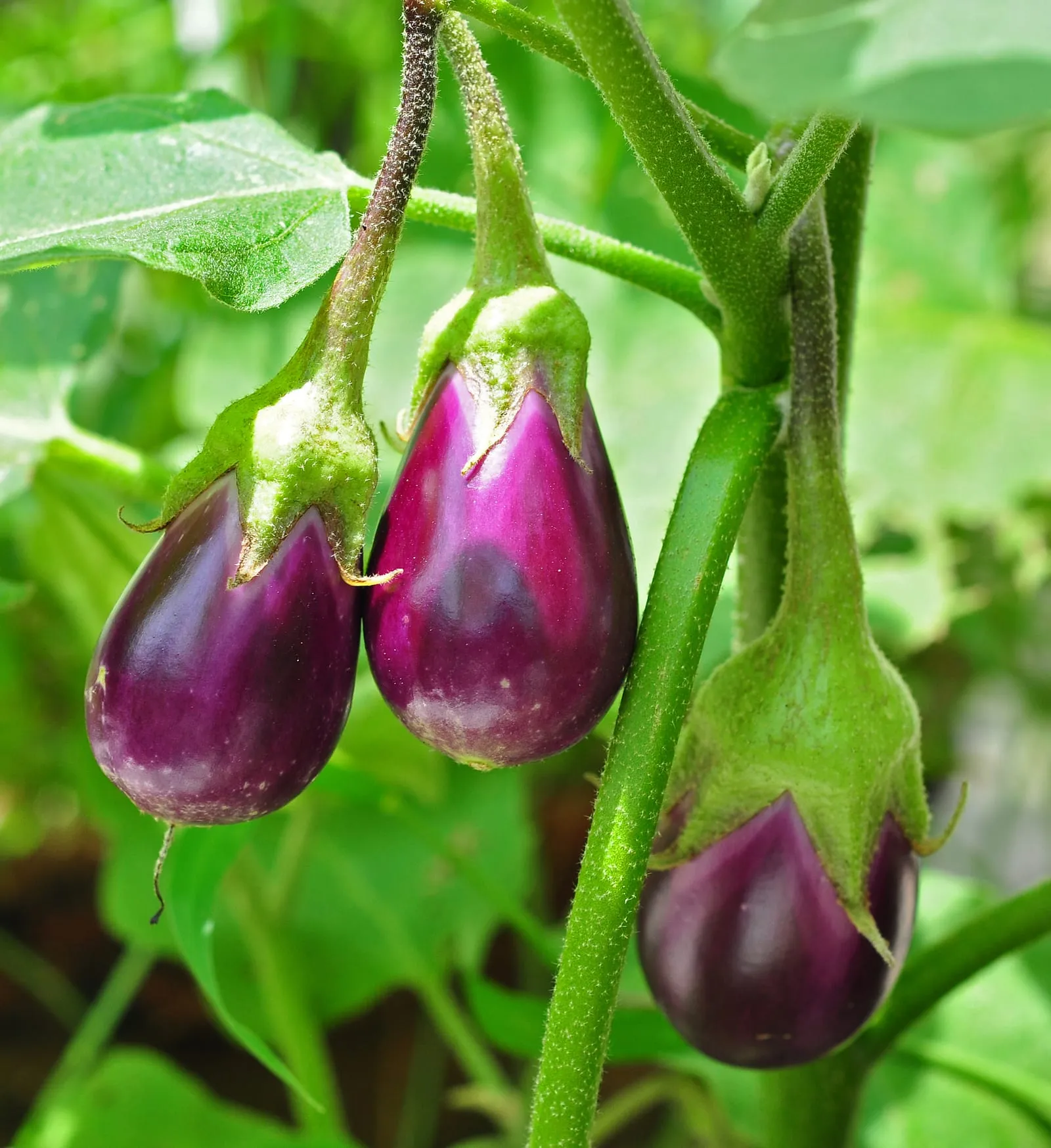 zone 9a
 Eggplant
Solanum melongena
zones 5a–10b
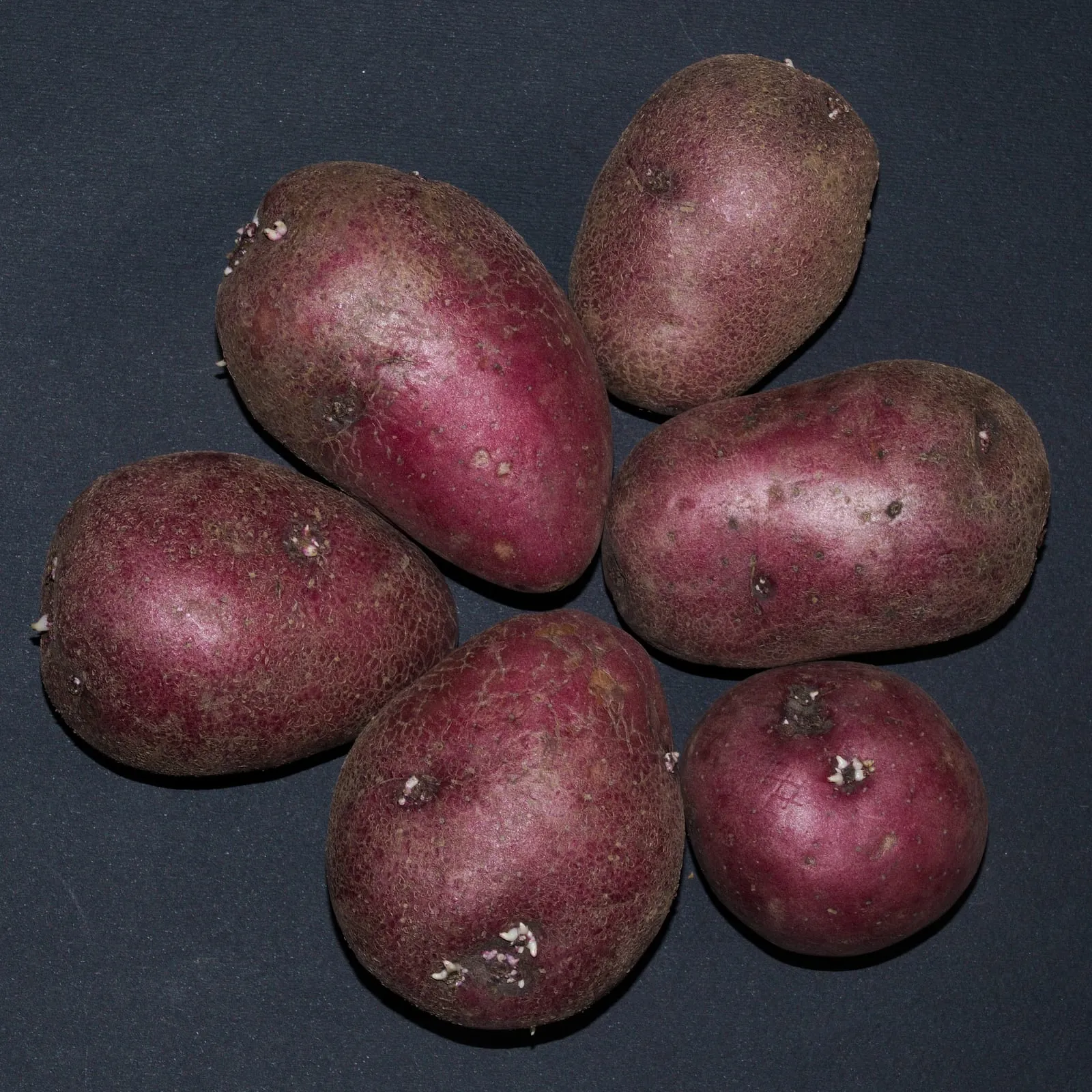 zone 9a
 Potato
Solanum tuberosum
zones 3a–9a
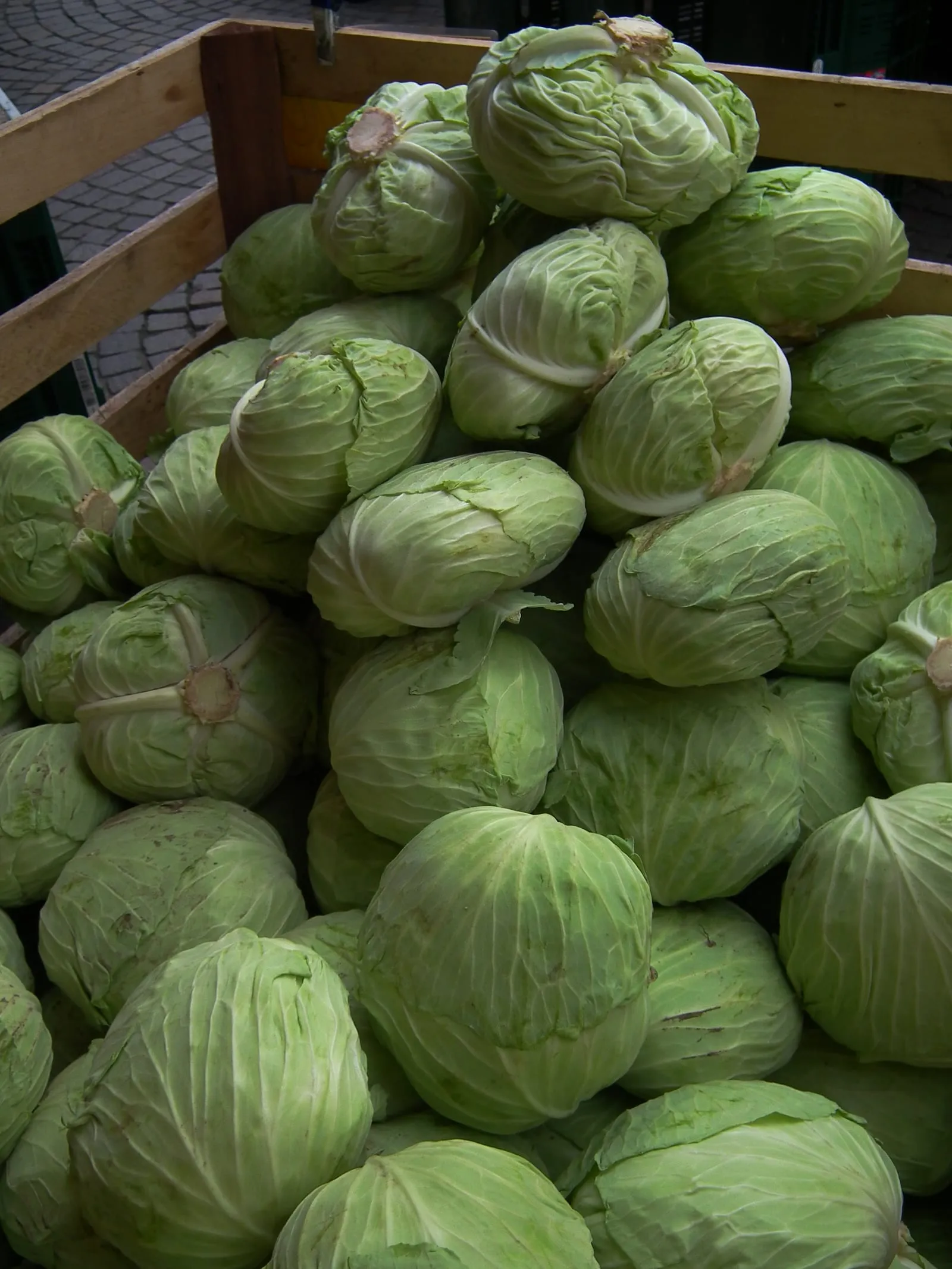 zone 9a
 Cabbage
Brassica oleracea var. capitata
zones 3a–9b
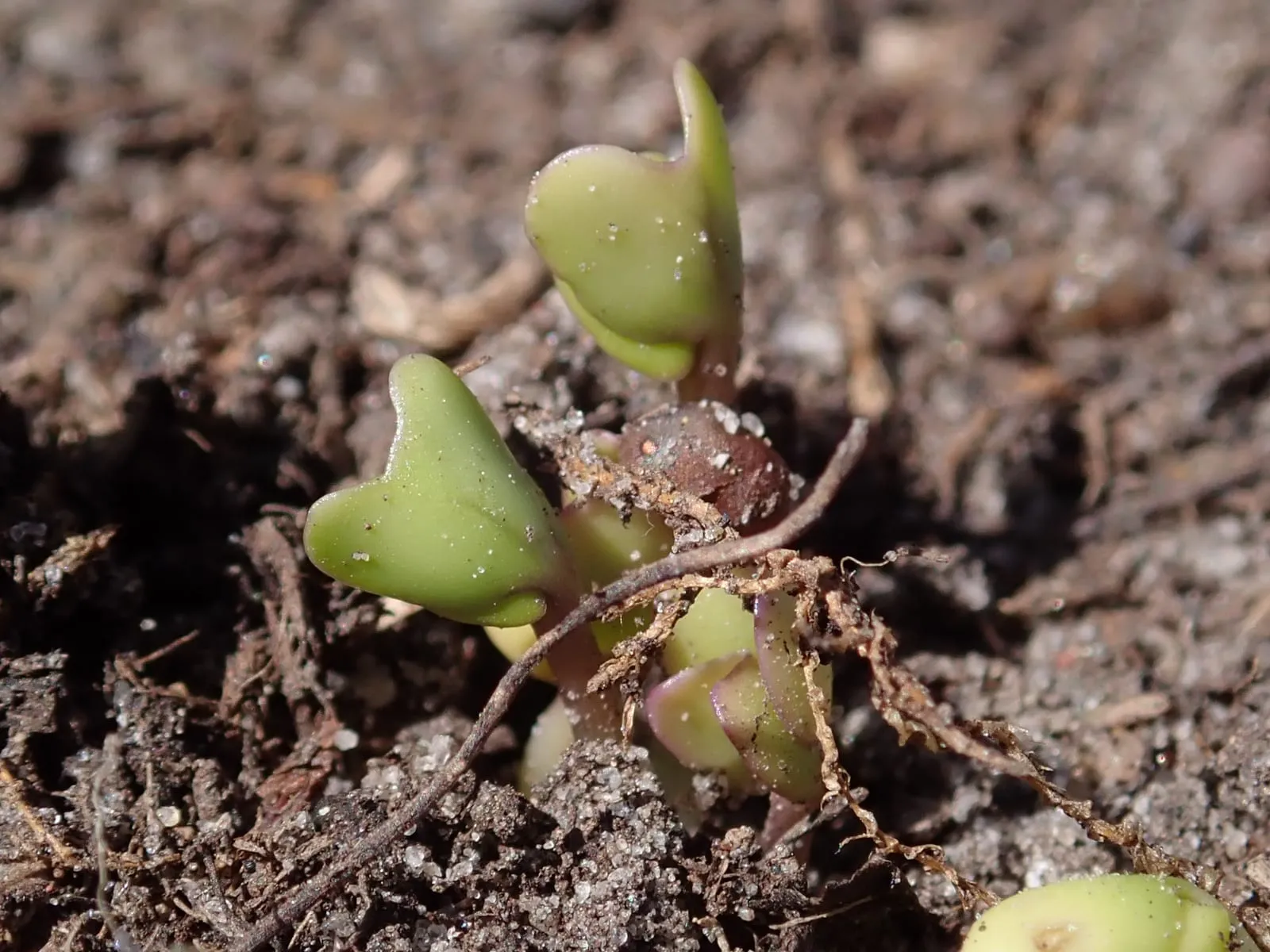 zone 9a
 Broccoli
Brassica oleracea var. italica
zones 3a–9a
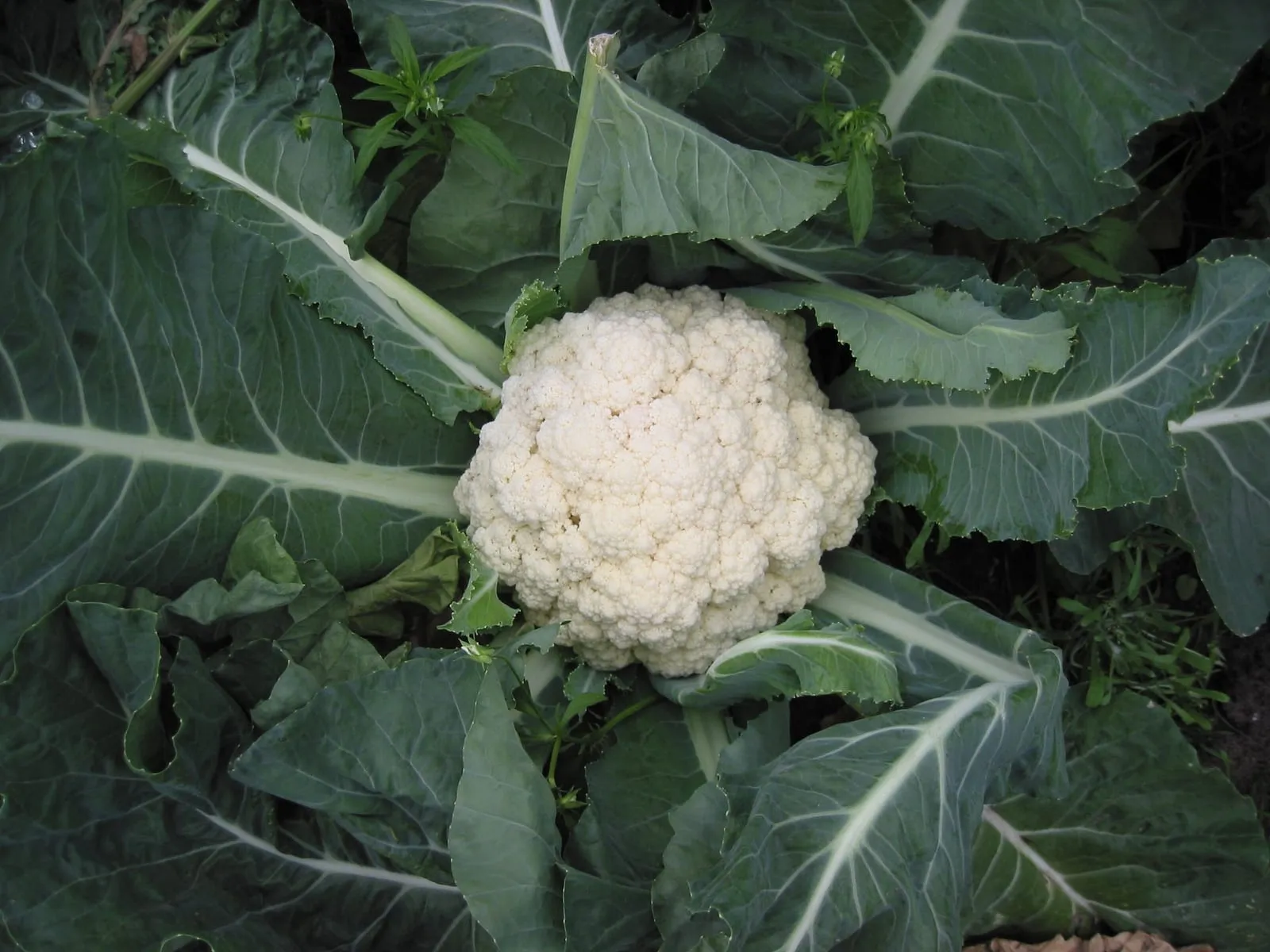 zone 9a
 Cauliflower
Brassica oleracea var. botrytis
zones 3b–9a
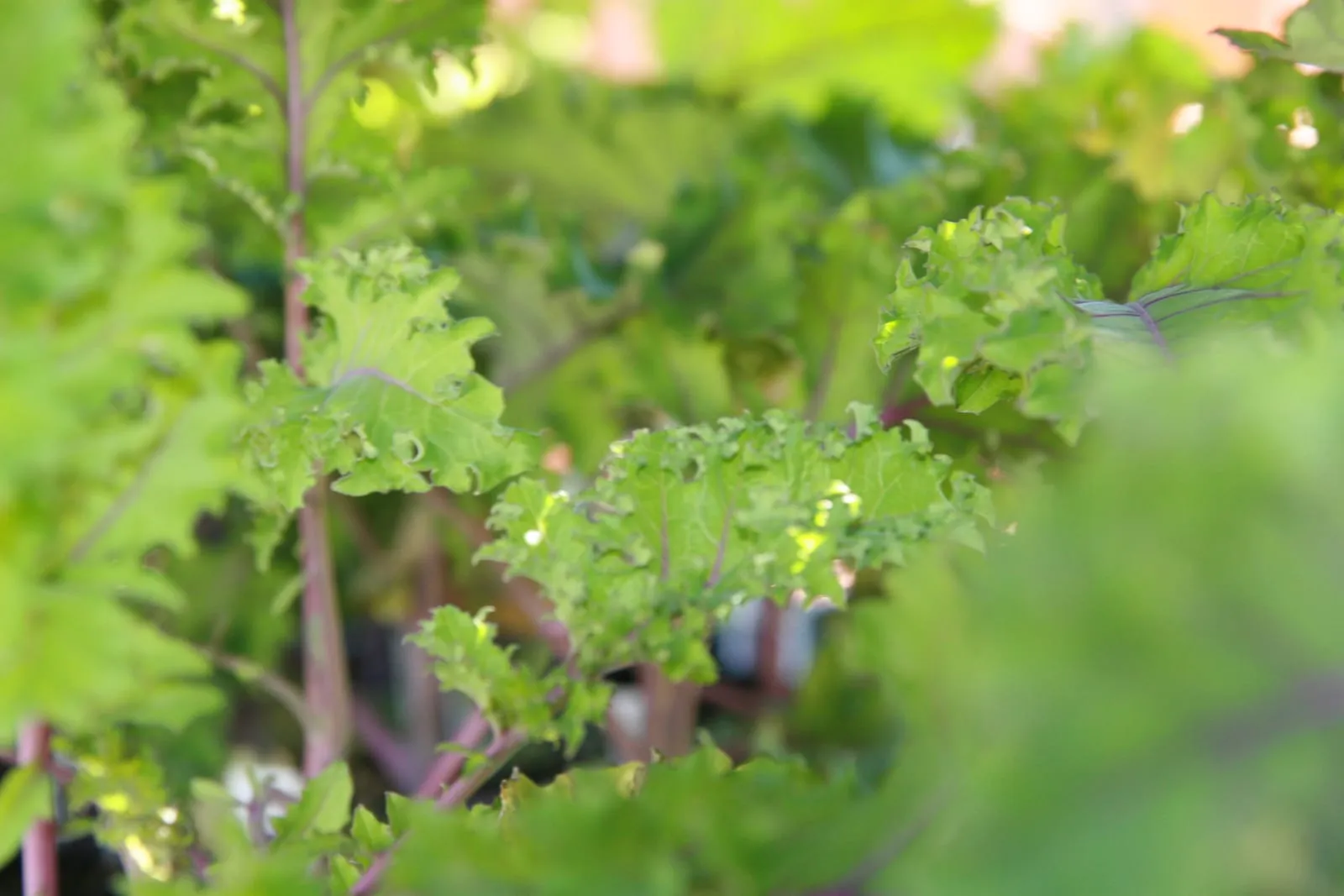 zone 9a
 Kale
Brassica oleracea var. acephala
zones 3a–9b
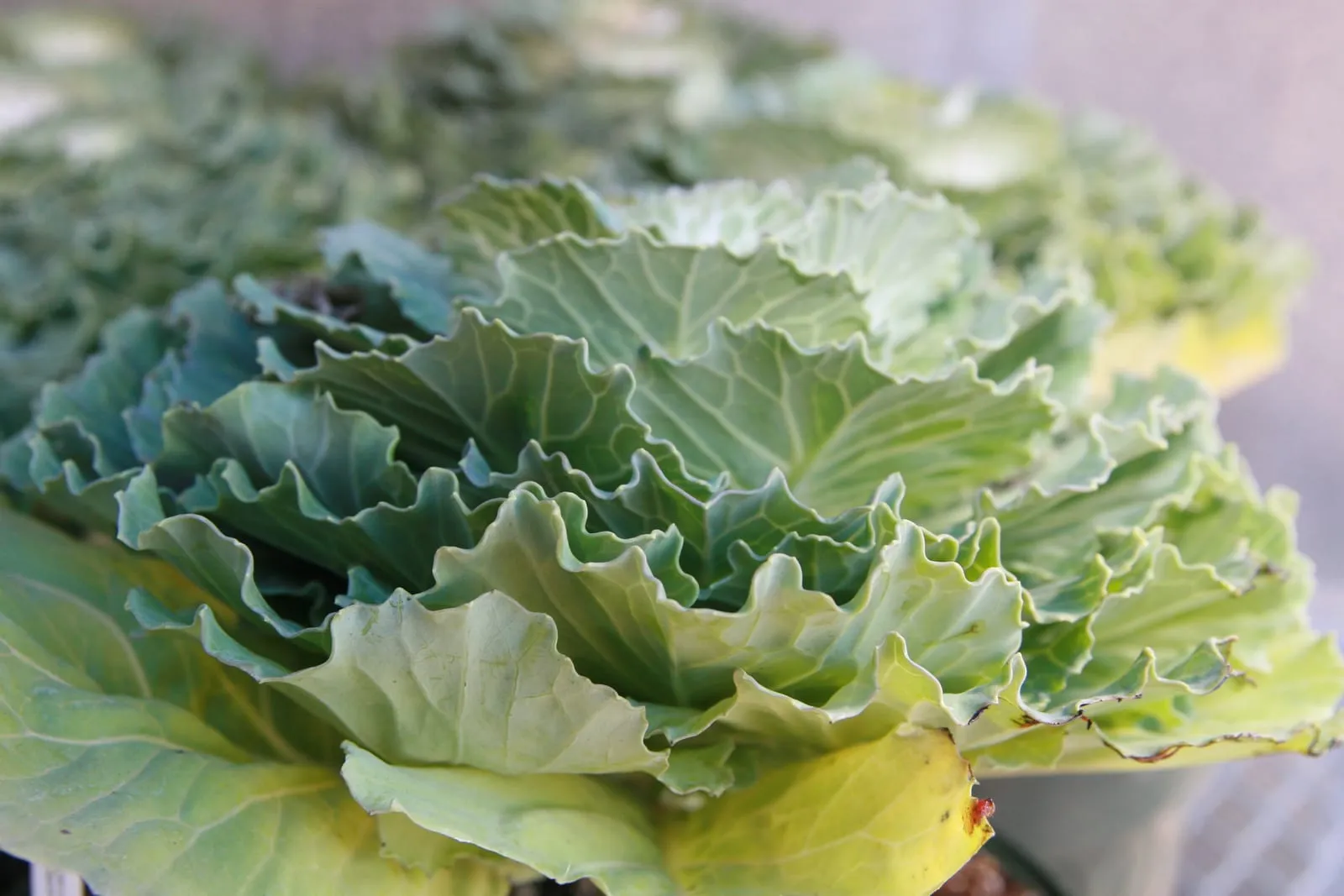 zone 9a
 Collards
Brassica oleracea var. acephala
zones 4a–9b
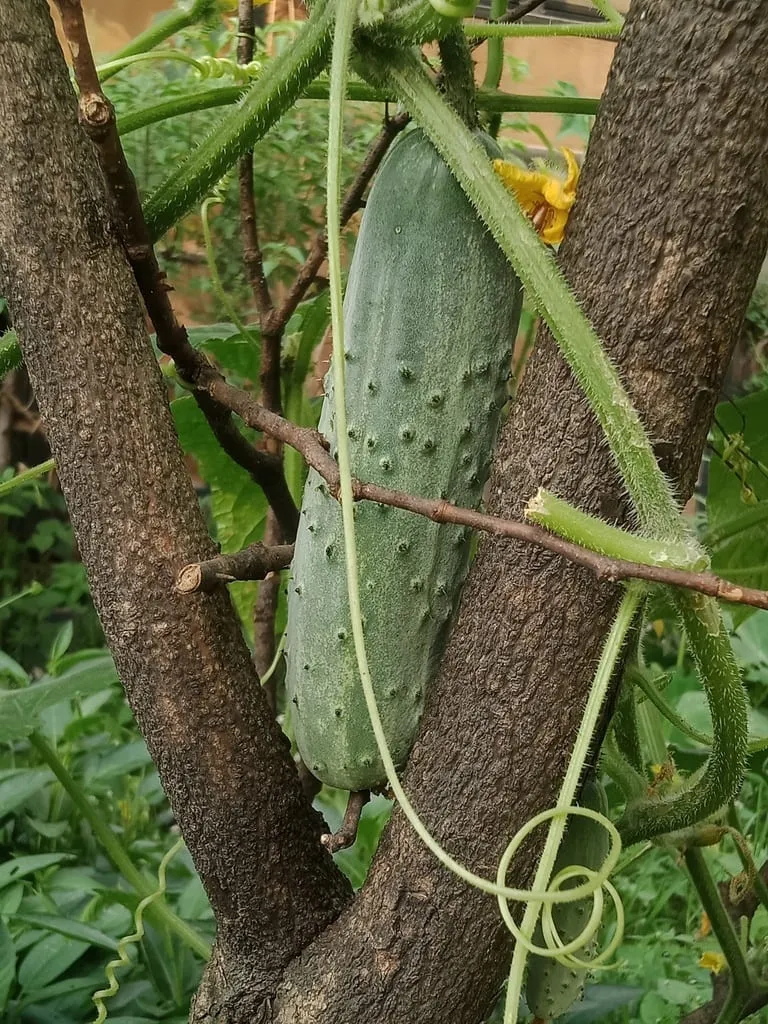 zone 9a
 Cucumber
Cucumis sativus
zones 3b–10a
 zone 9a
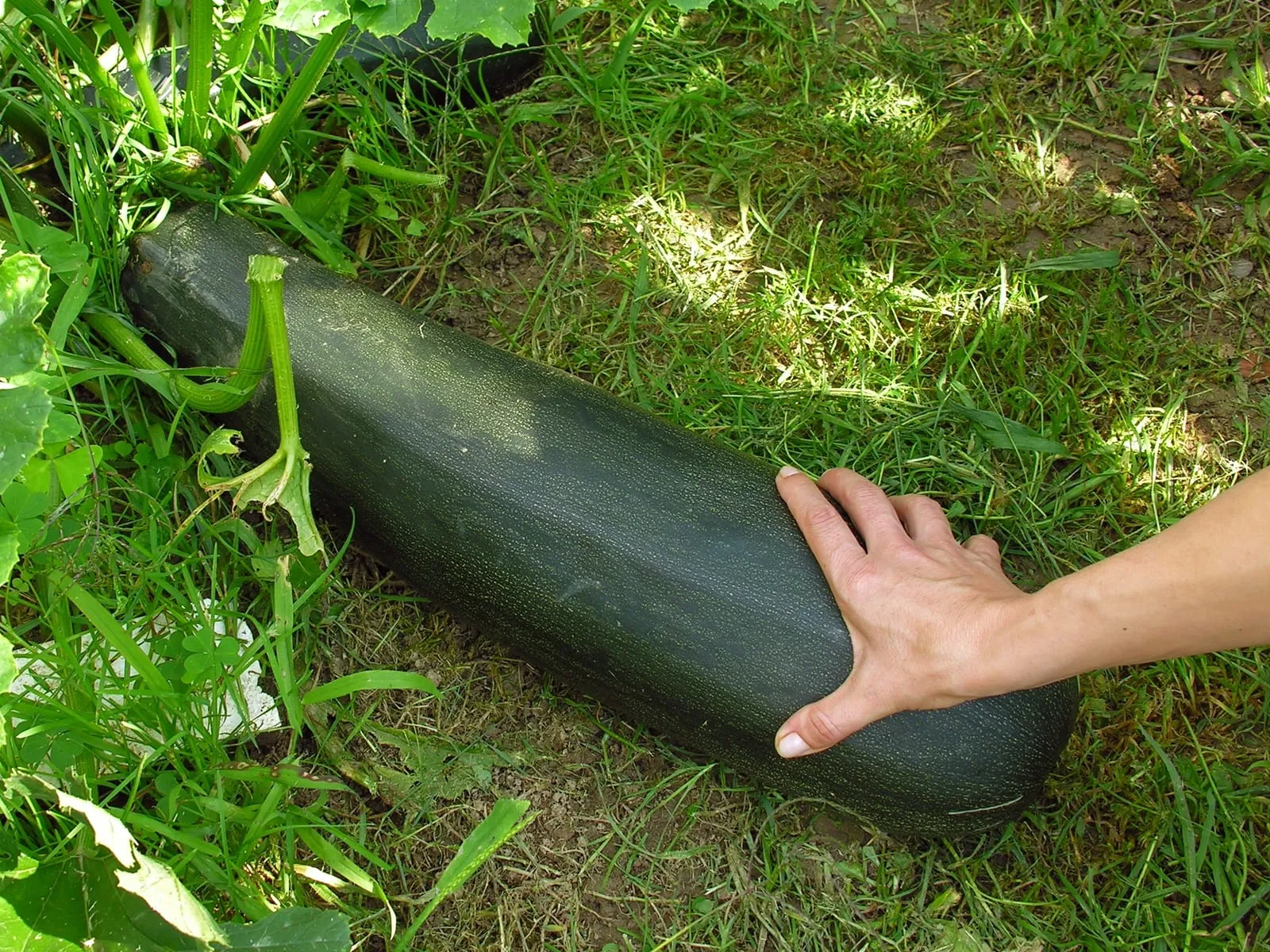
 Summer Squash
Cucurbita pepo
zones 3b–10a
 zone 9a
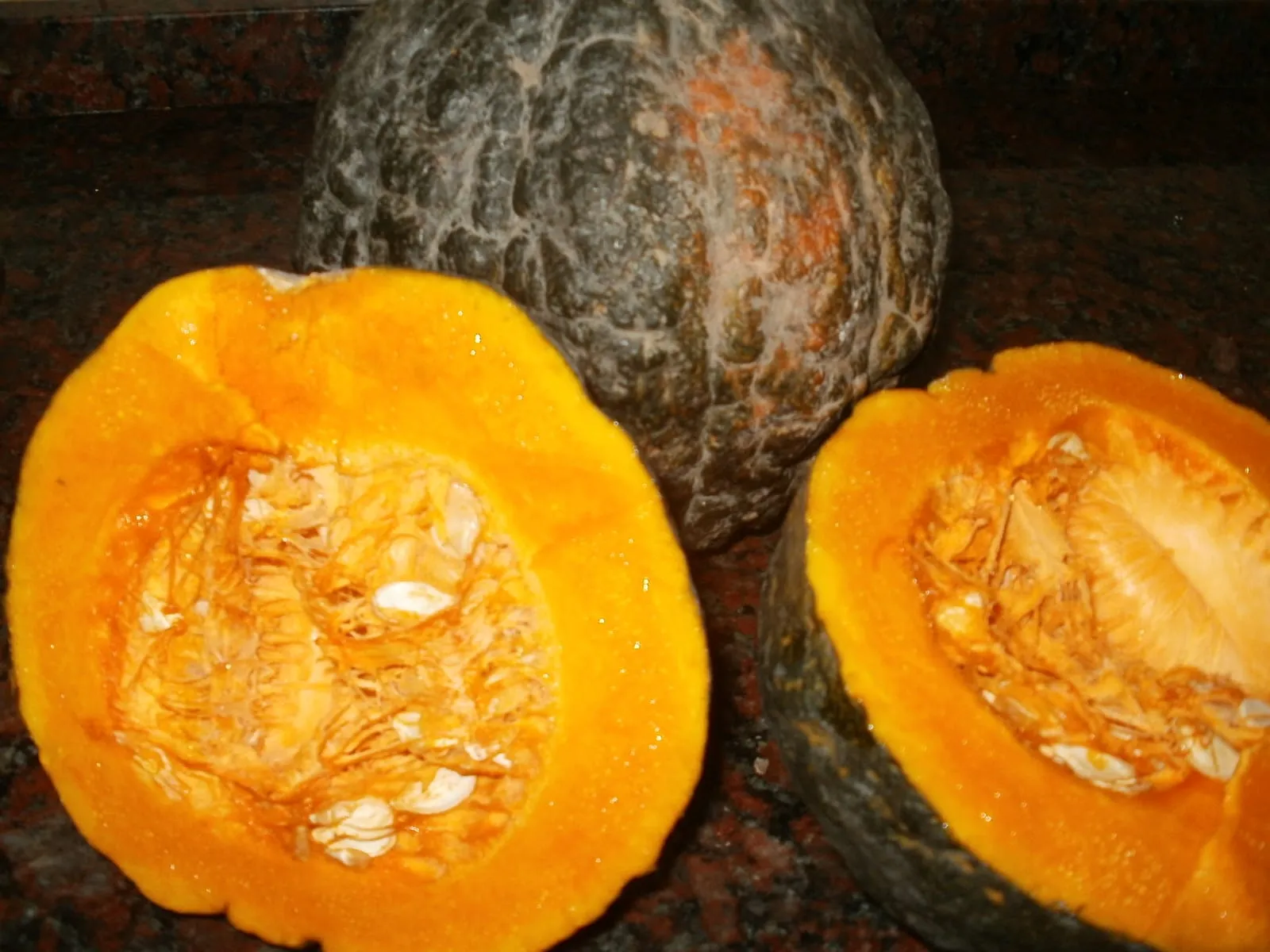
 Winter Squash
Cucurbita maxima and Cucurbita moschata
zones 4a–9a
 zone 9a
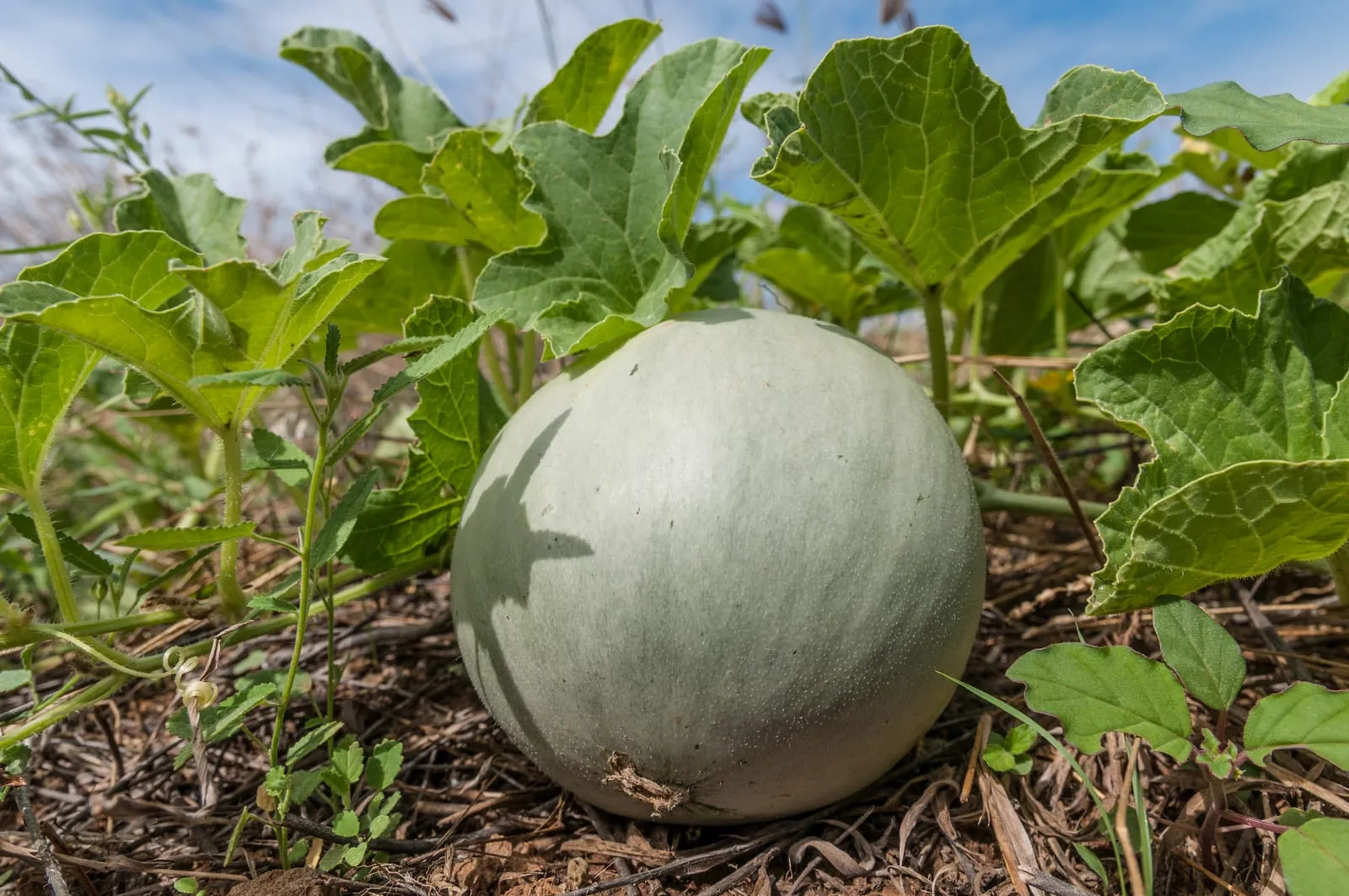
 Melon
Cucumis melo
zones 5a–10a
 zone 9a
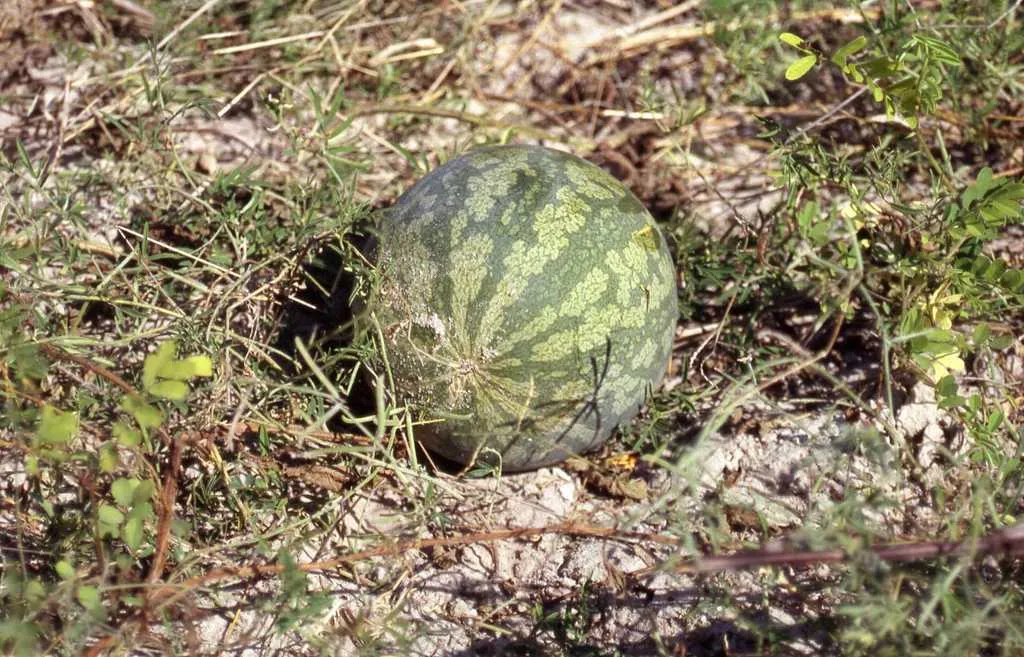
 Watermelon
Citrullus lanatus
zones 5b–10a
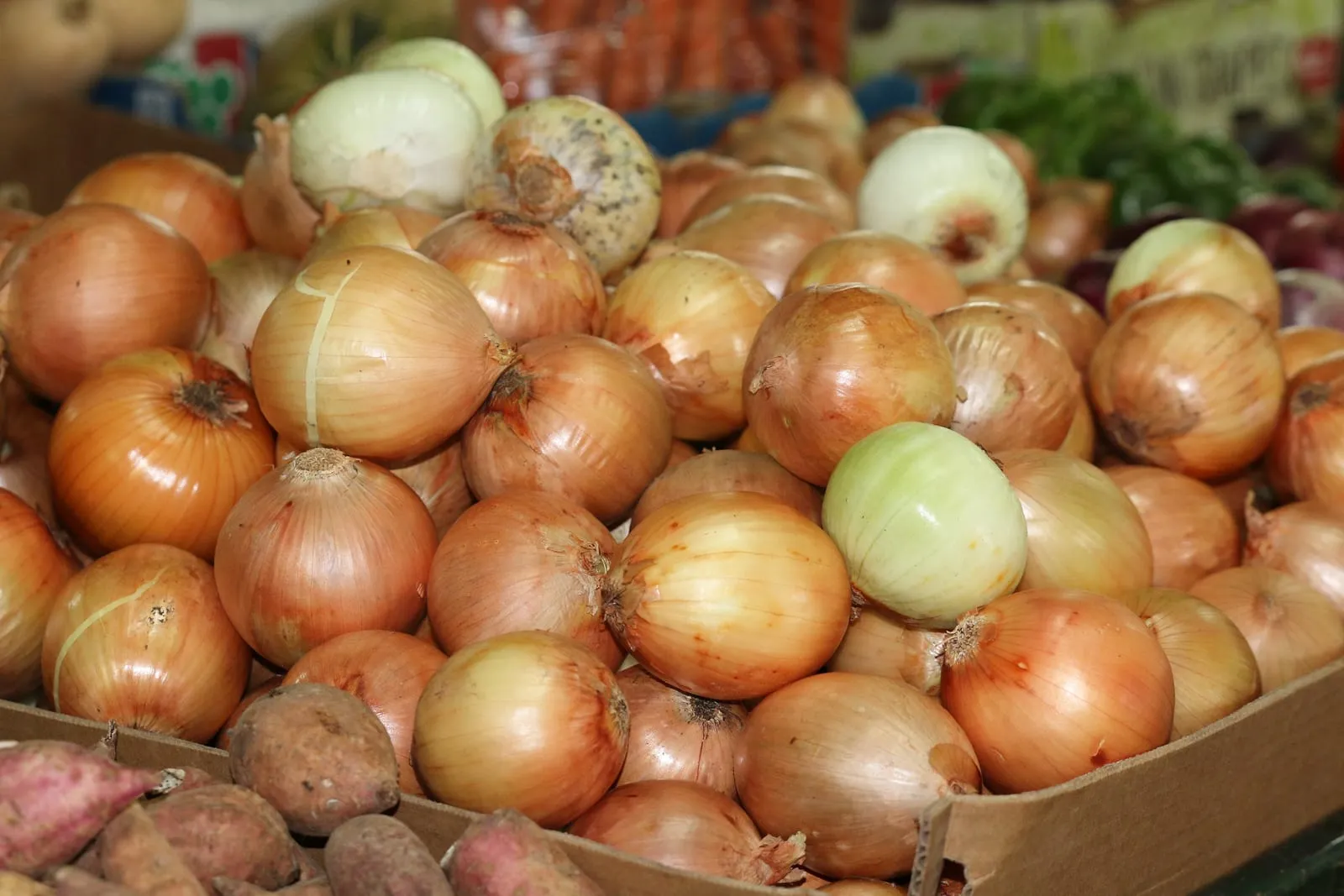 zone 9a
 Onion
Allium cepa
zones 3a–9b
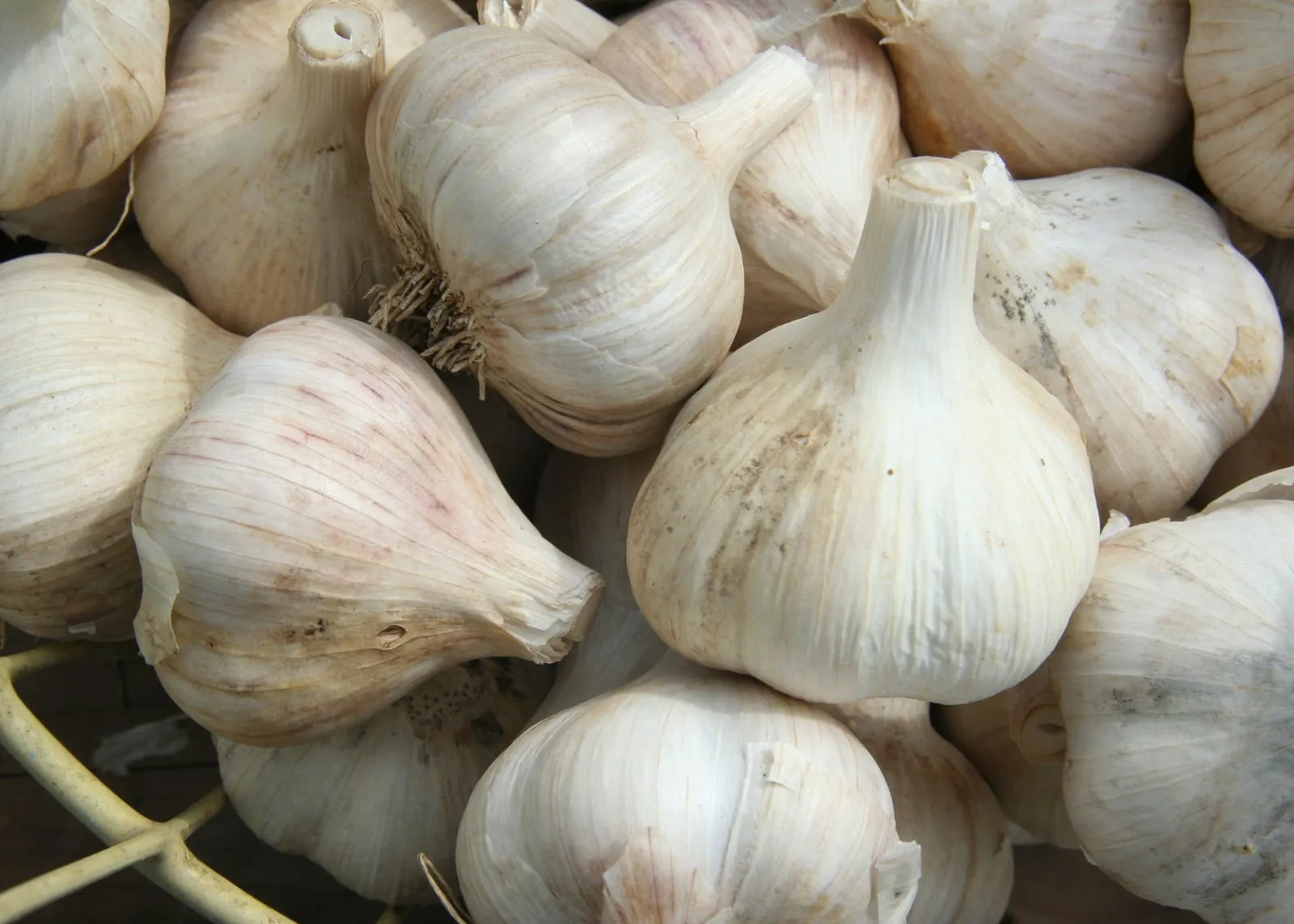 zone 9a
 Garlic
Allium sativum
zones 3a–9a
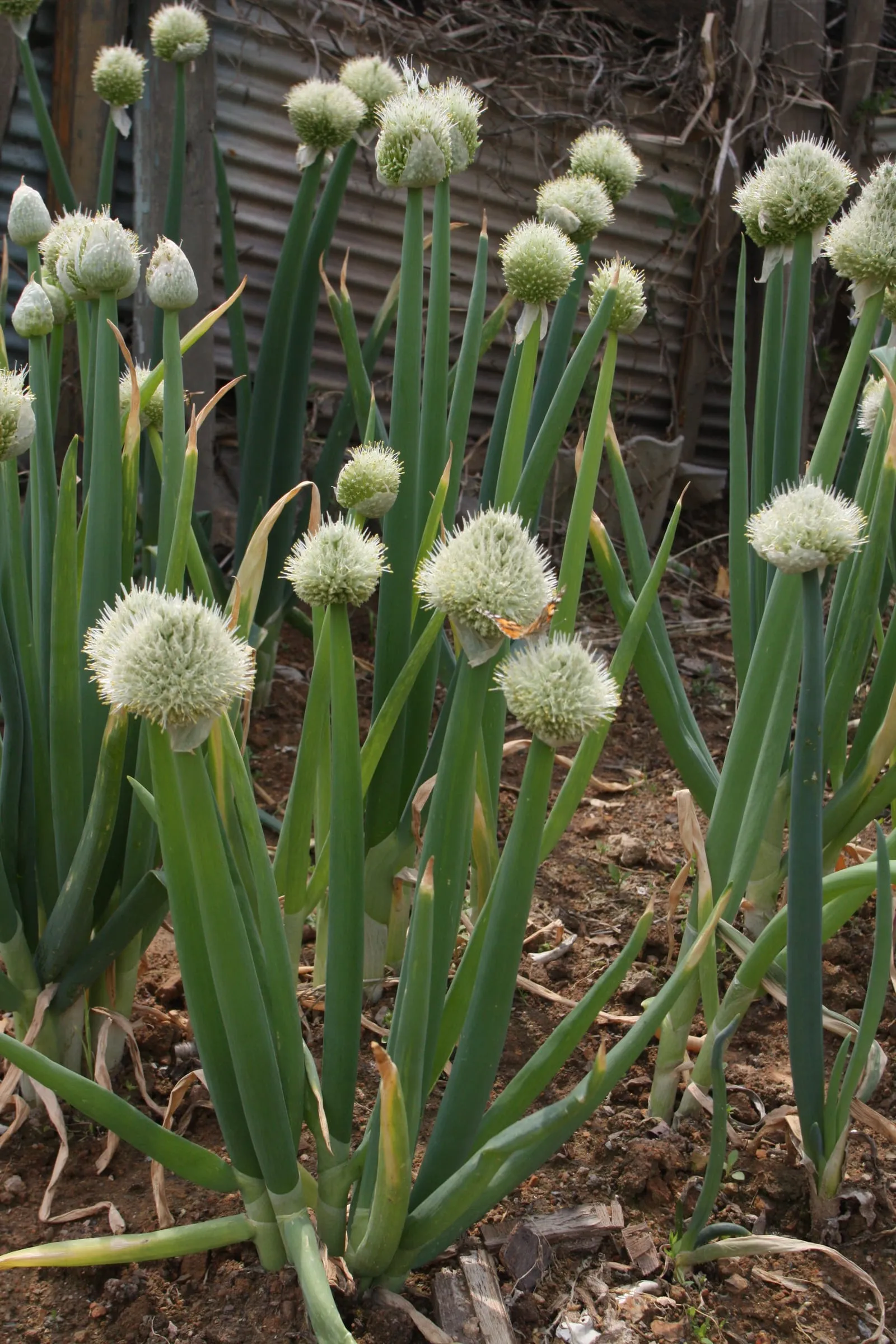 zone 9a
 Scallion (Bunching Onion)
Allium fistulosum
zones 3b–9b
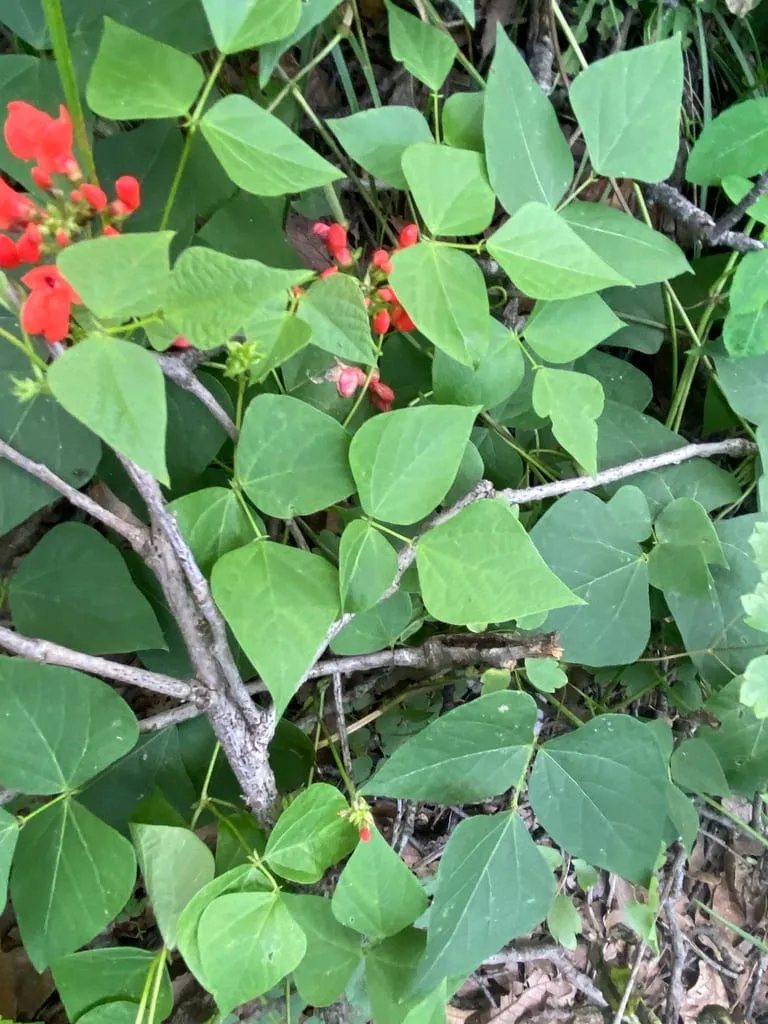 zone 9a
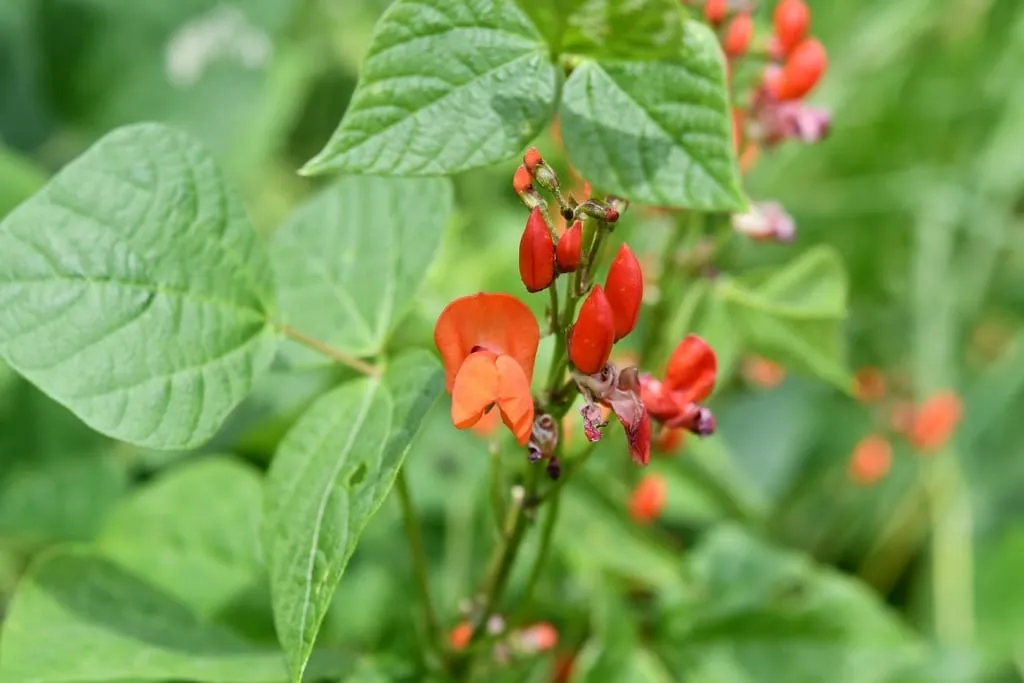
 Bush Bean
Phaseolus vulgaris
zones 3b–9a
 zone 9a
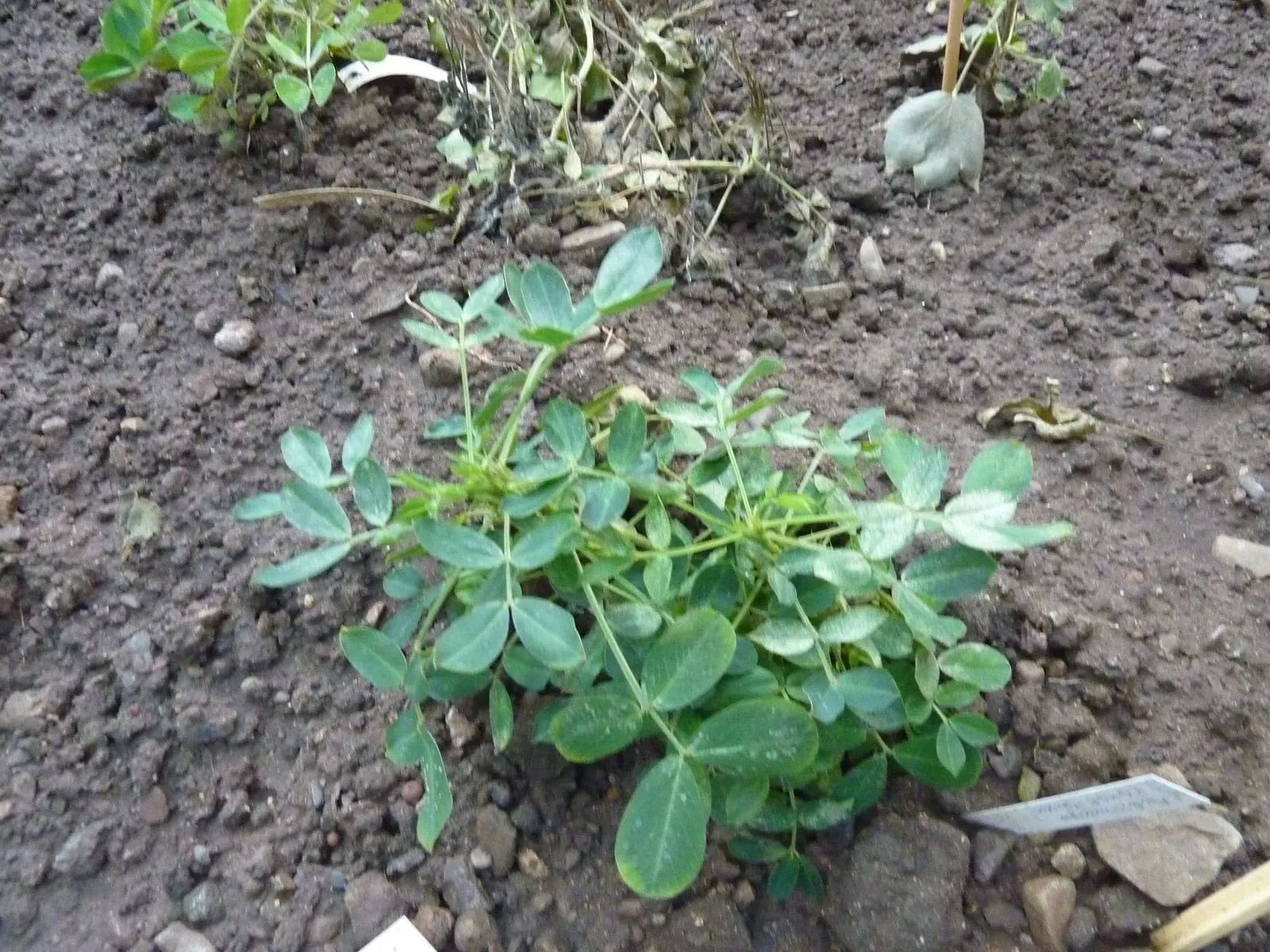
 Pole Bean
Phaseolus vulgaris
zones 3b–9a
 zone 9a
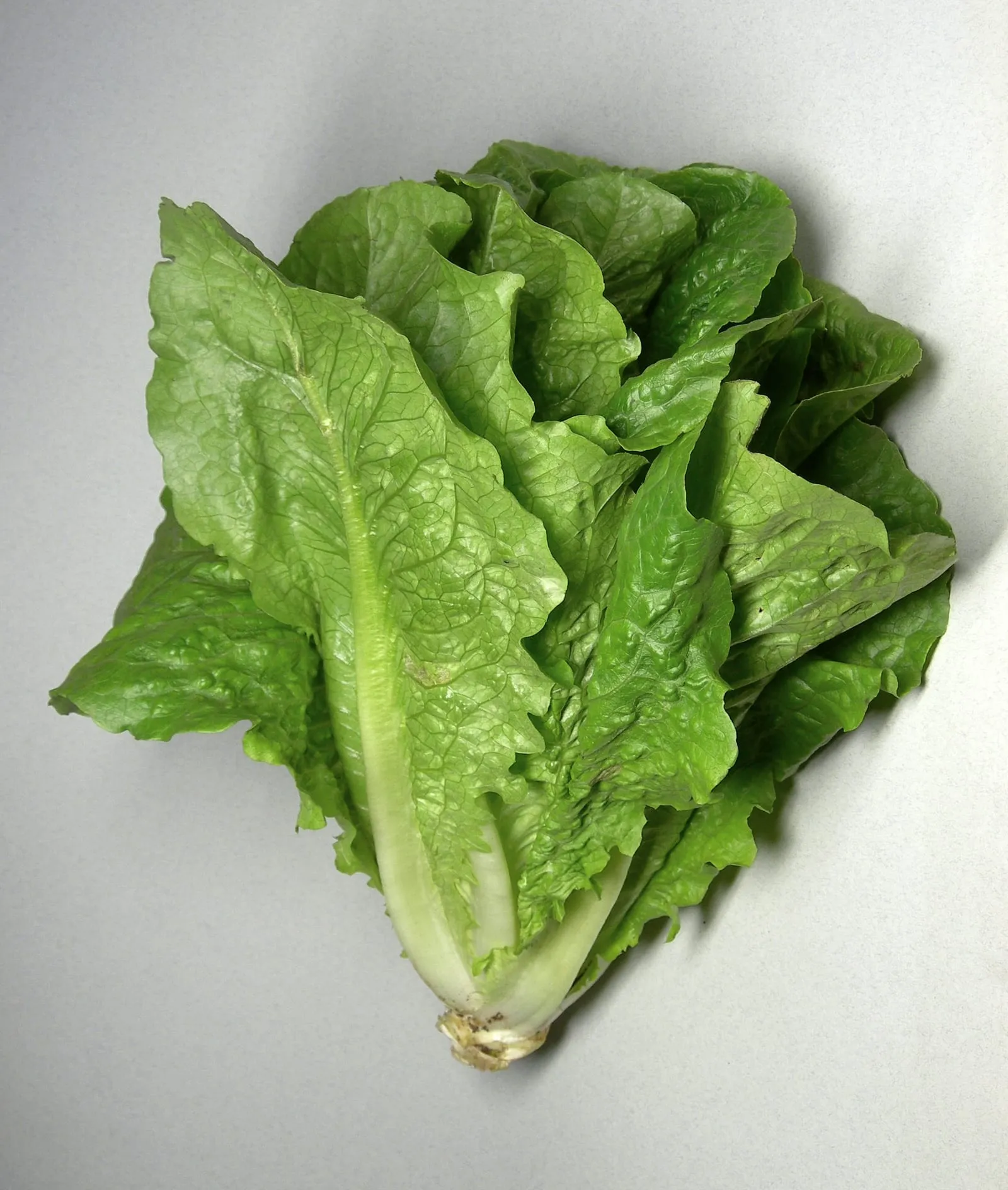
 Peanut
Arachis hypogaea
zones 6a–9b
 zone 9a
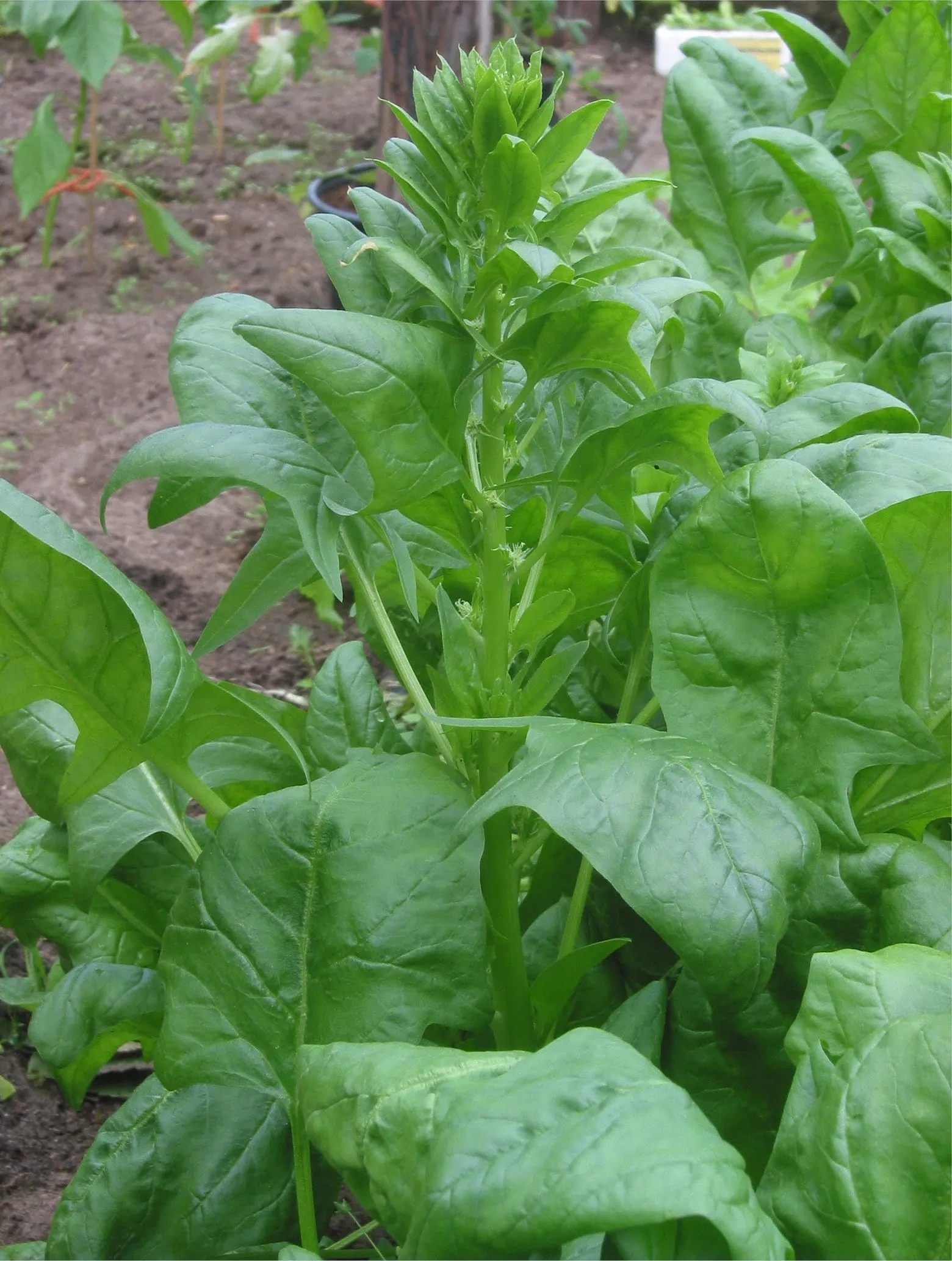
 Lettuce
Lactuca sativa
zones 3a–9b
 zone 9a
 Spinach
Spinacia oleracea
zones 3a–9a
 zone 9a
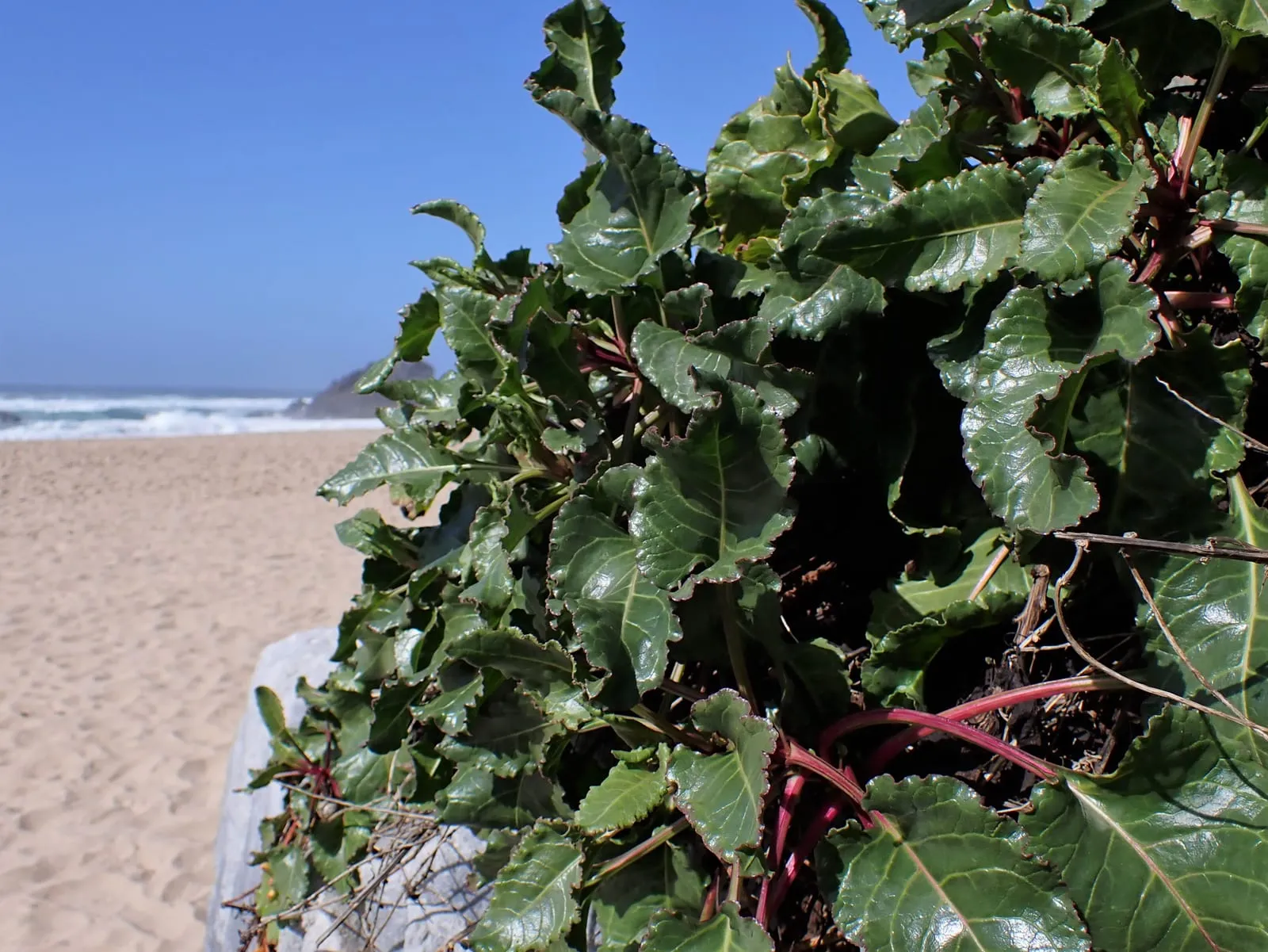
 Swiss Chard
Beta vulgaris subsp. vulgaris
zones 3a–9b
 zone 9a
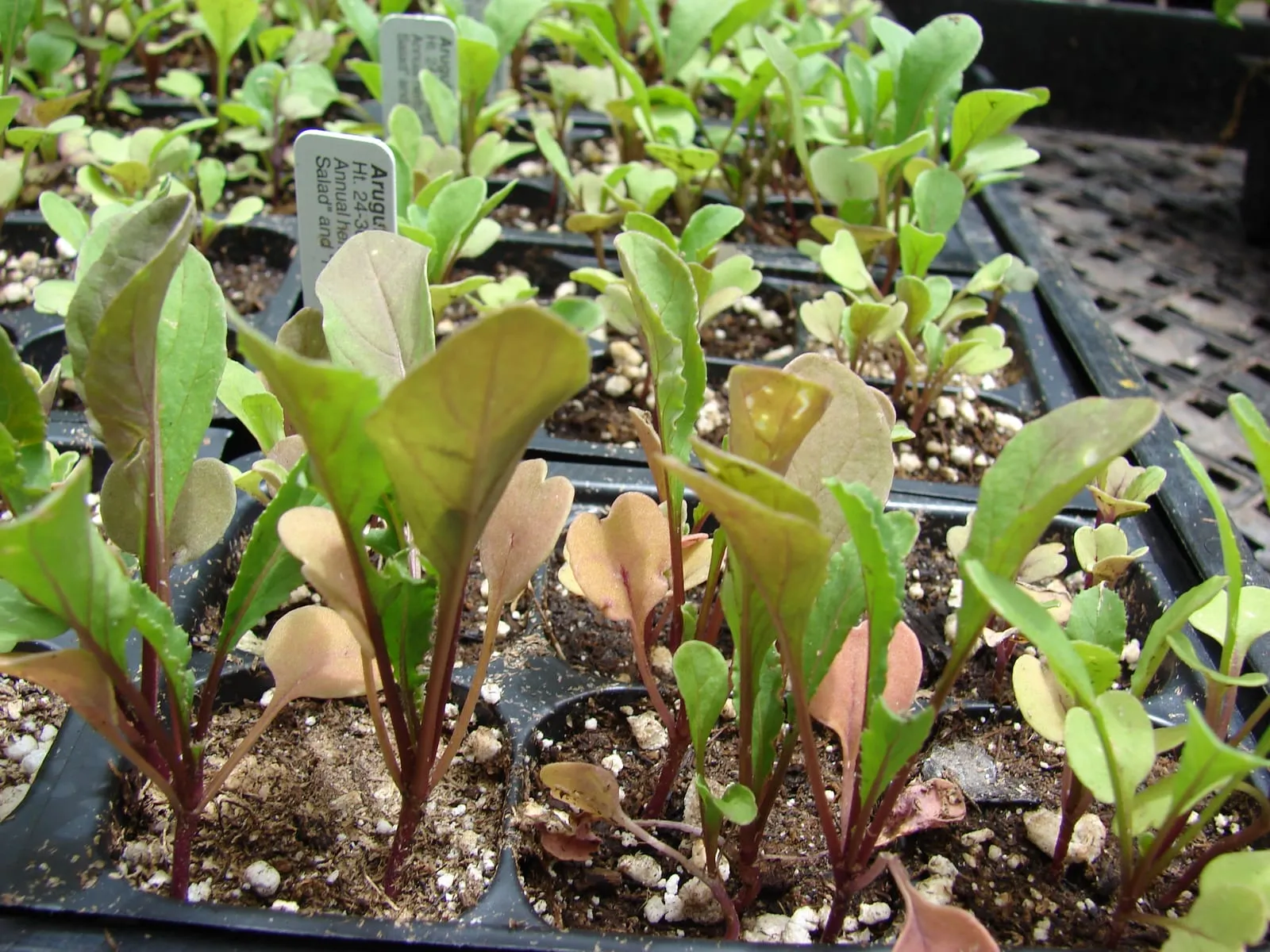
 Arugula
Eruca vesicaria
zones 3b–9a
 zone 9a
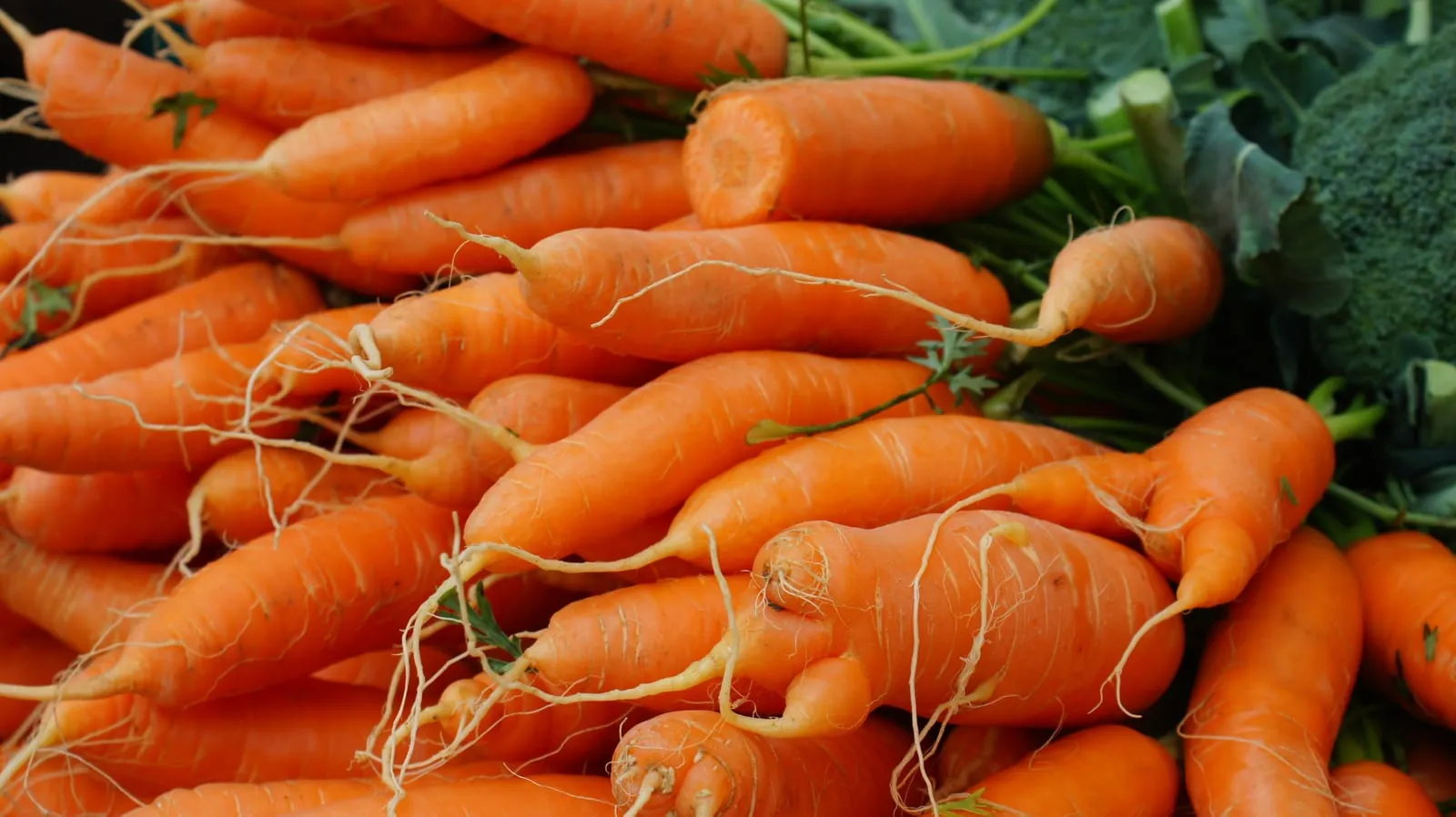
 Carrot
Daucus carota subsp. sativus
zones 3a–9a
 zone 9a
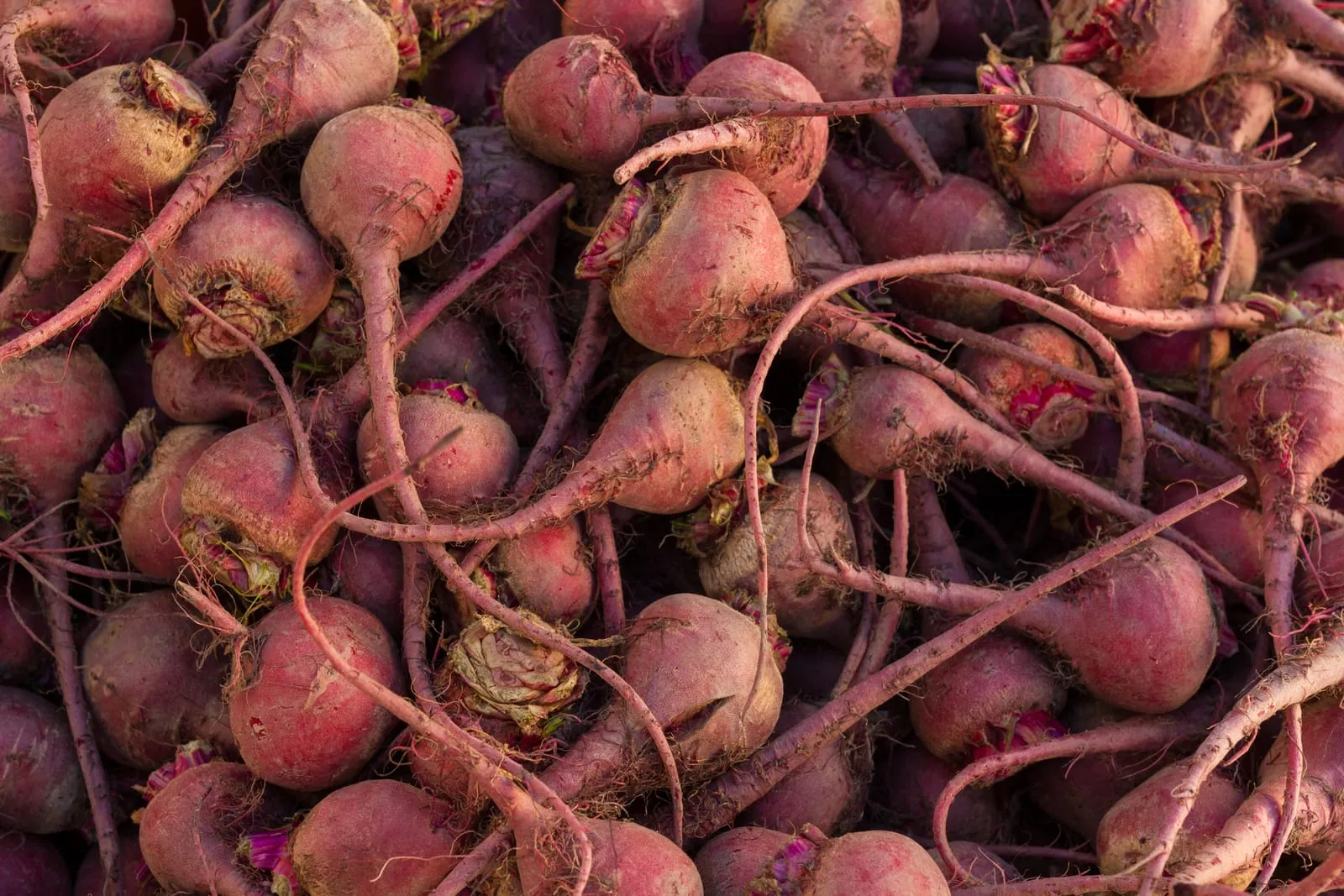
 Beet
Beta vulgaris
zones 3a–9a
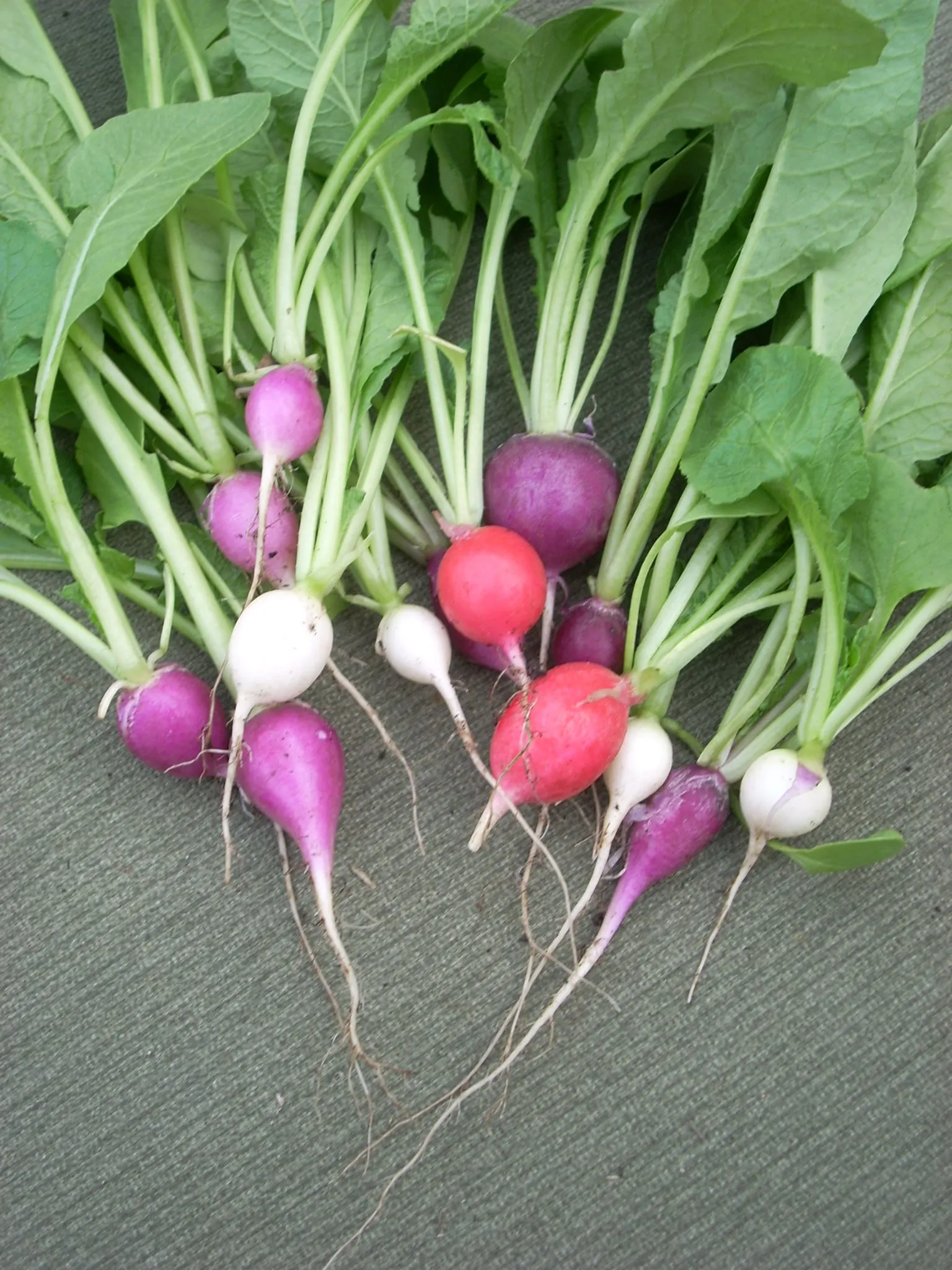 zone 9a
 Radish
Raphanus sativus
zones 3a–9a
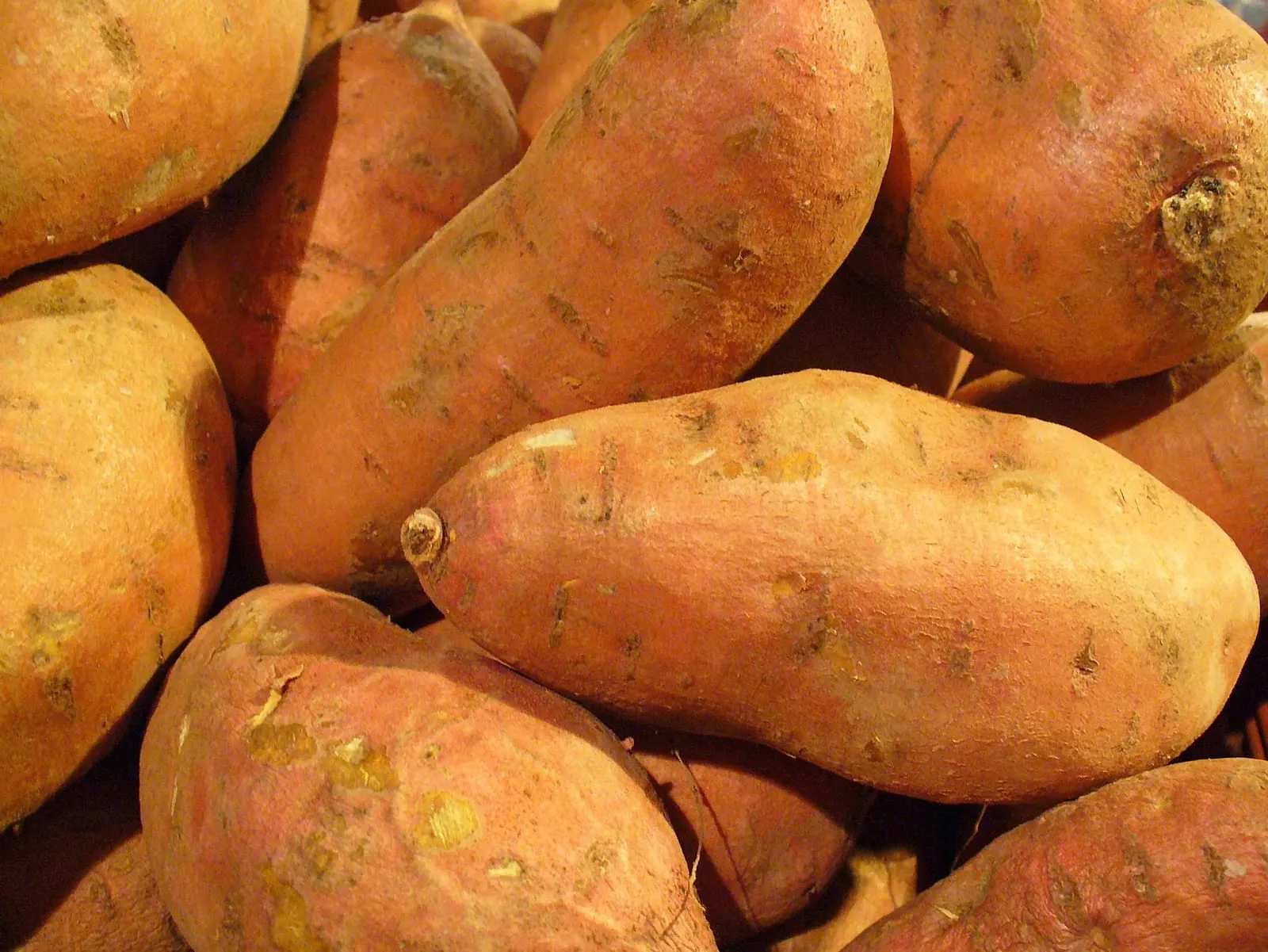 zone 9a
 Sweet Potato
Ipomoea batatas
zones 6a–10b
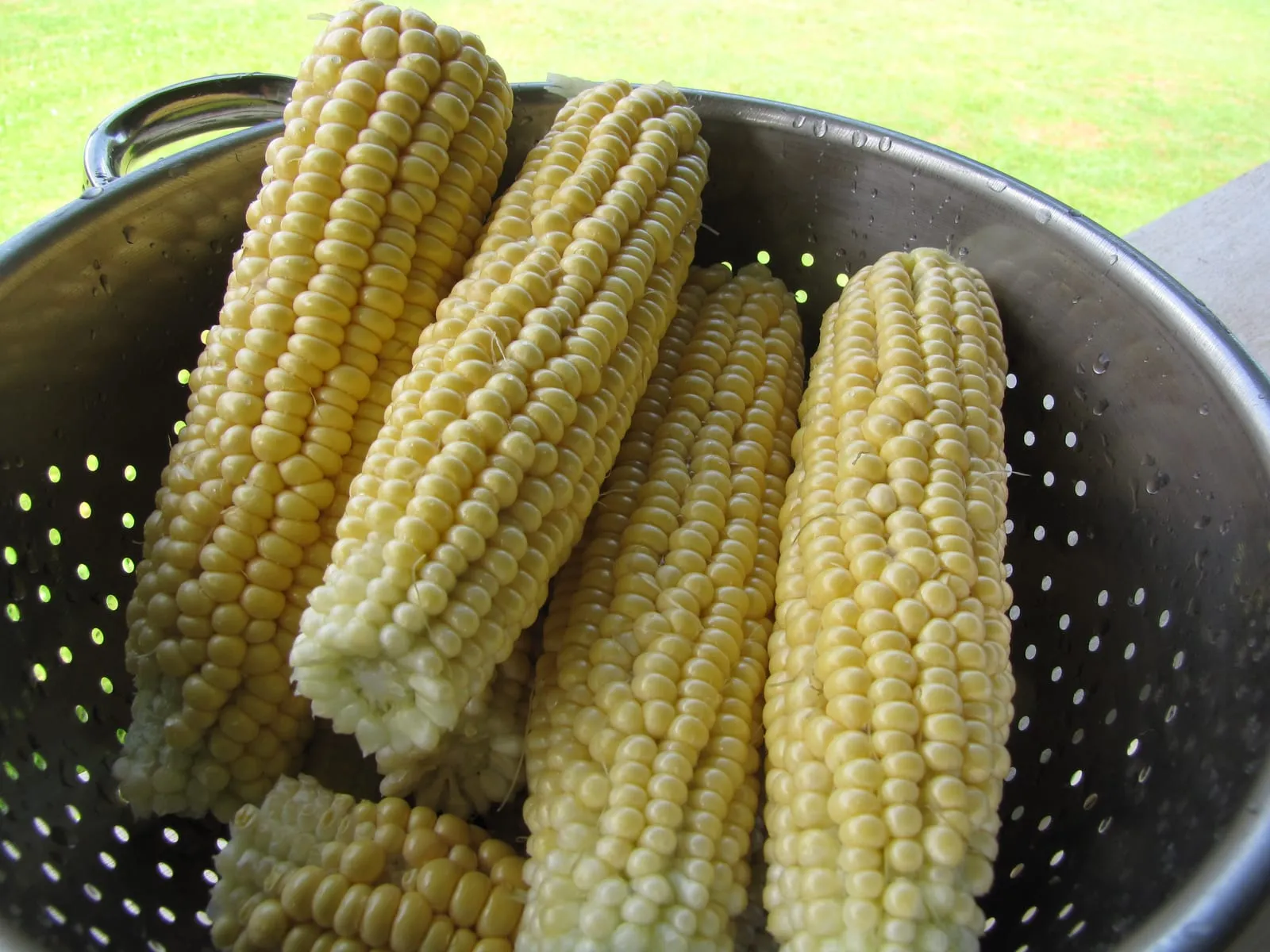 zone 9a
 Sweet Corn
Zea mays var. saccharata
zones 3b–9a
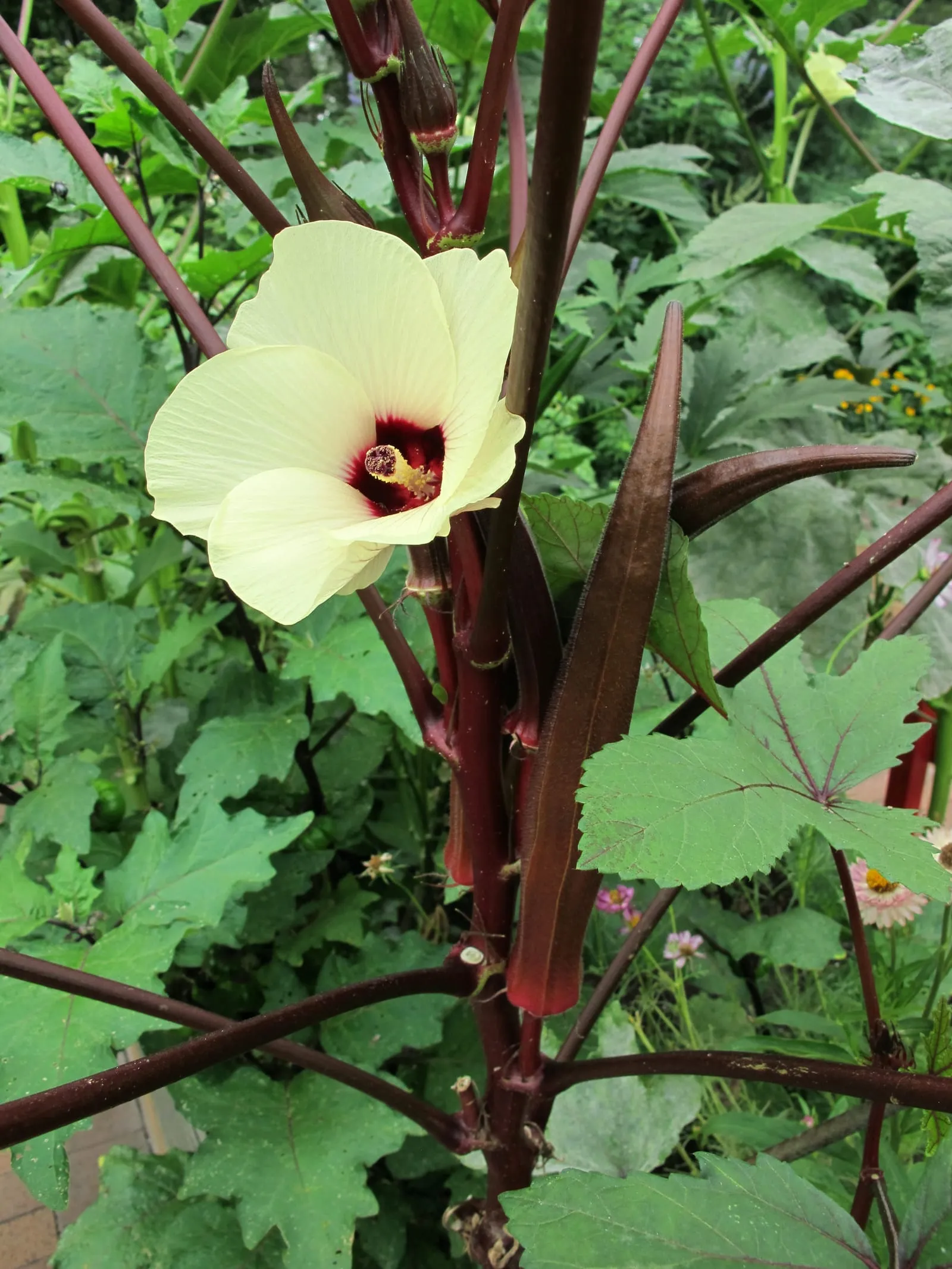 zone 9a
 Okra
Abelmoschus esculentus
zones 6a–10b
Herbs
9 crops
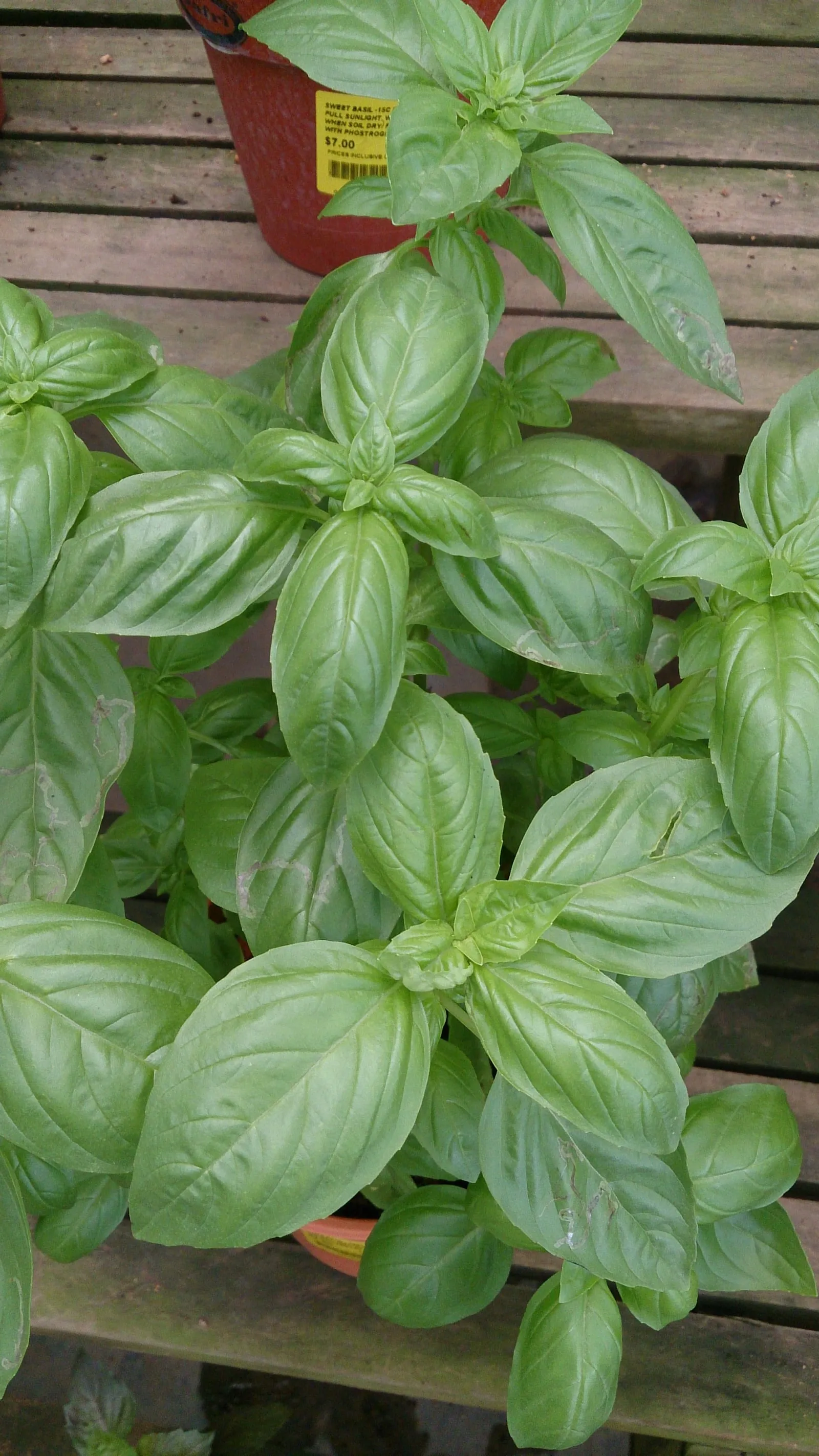 zone 9a
 Basil
Ocimum basilicum
zones 4a–10b
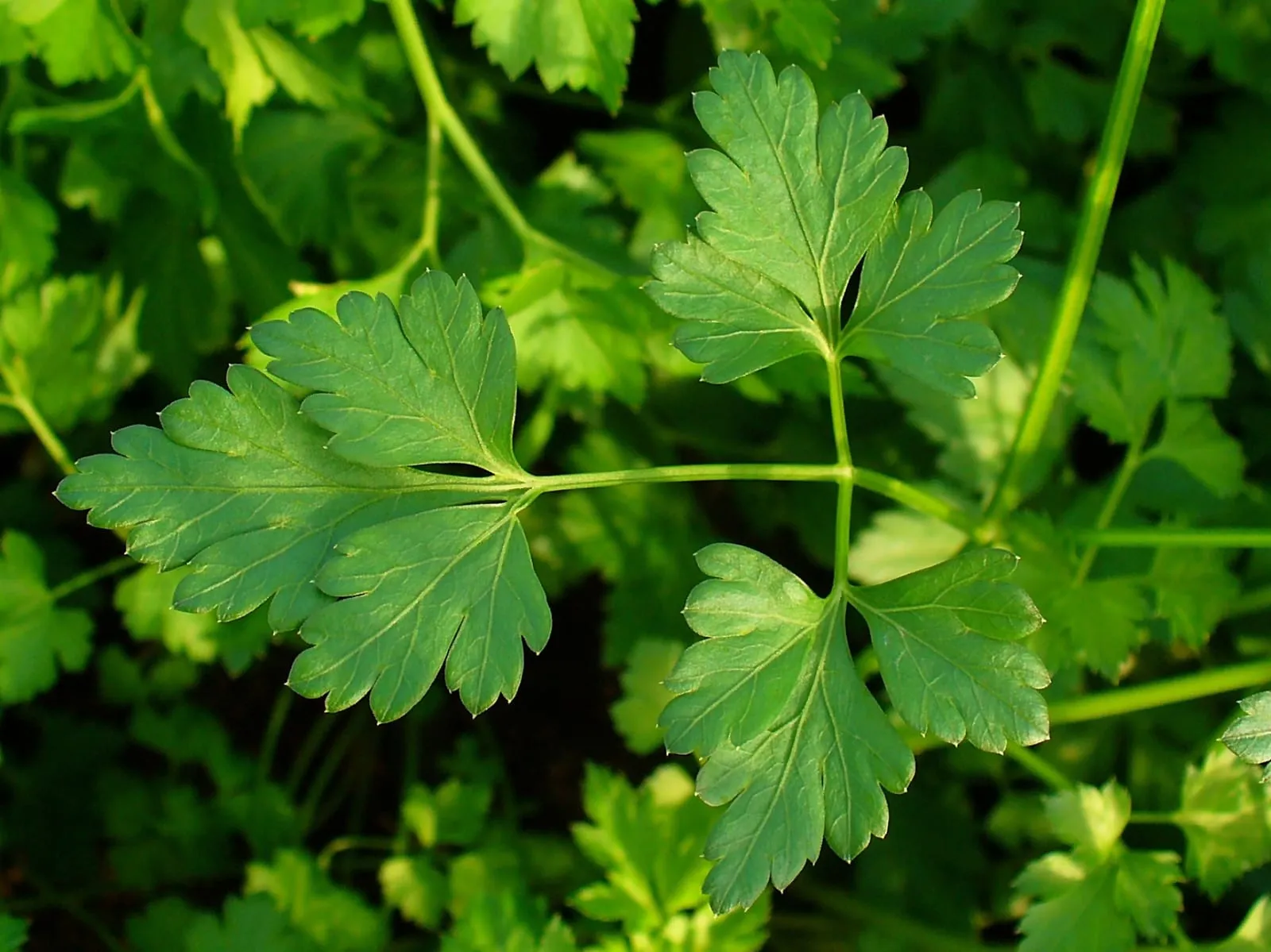 zone 9a
 Parsley
Petroselinum crispum
zones 3b–9b
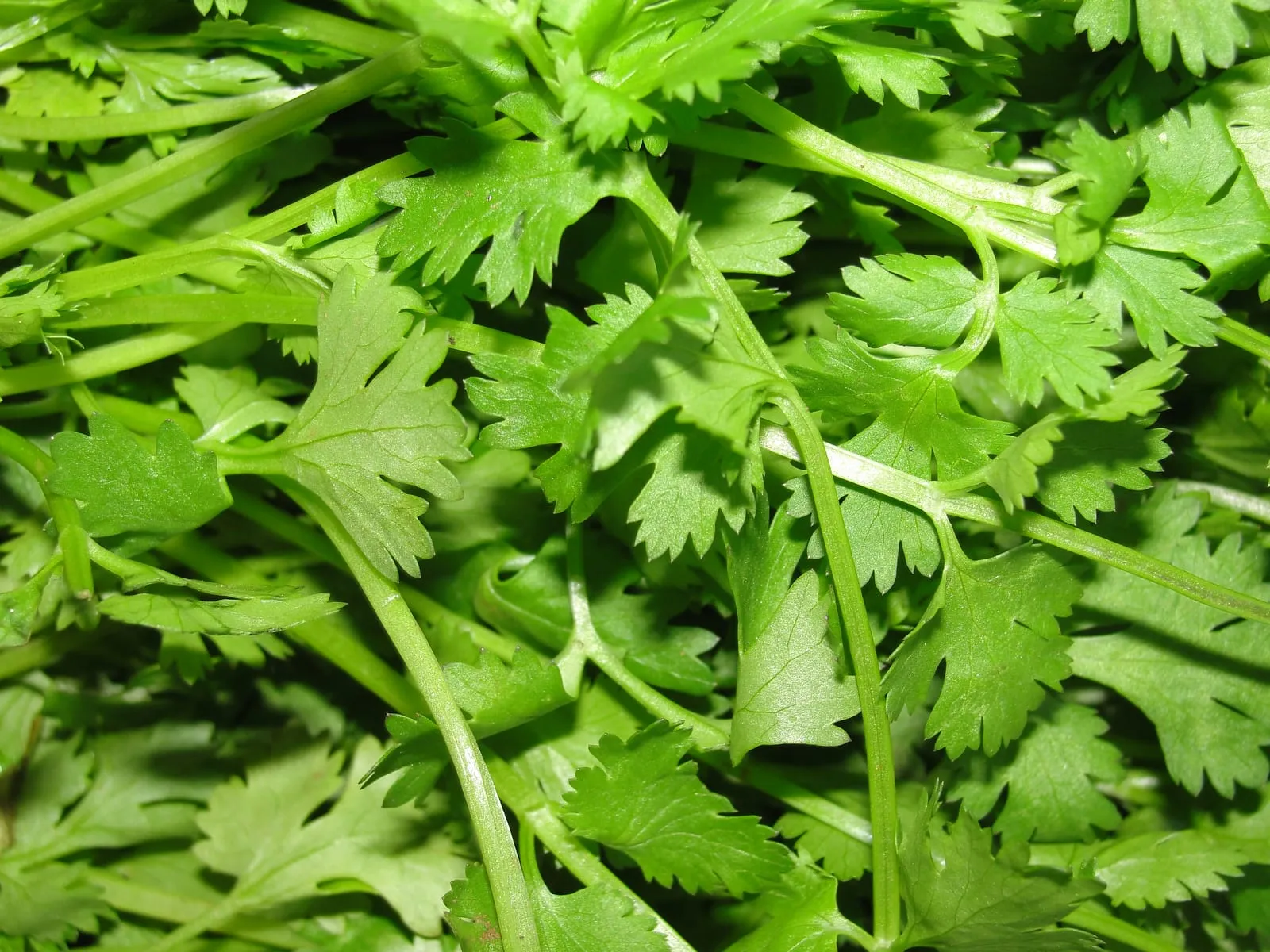 zone 9a
 Cilantro / Coriander
Coriandrum sativum
zones 3b–9b
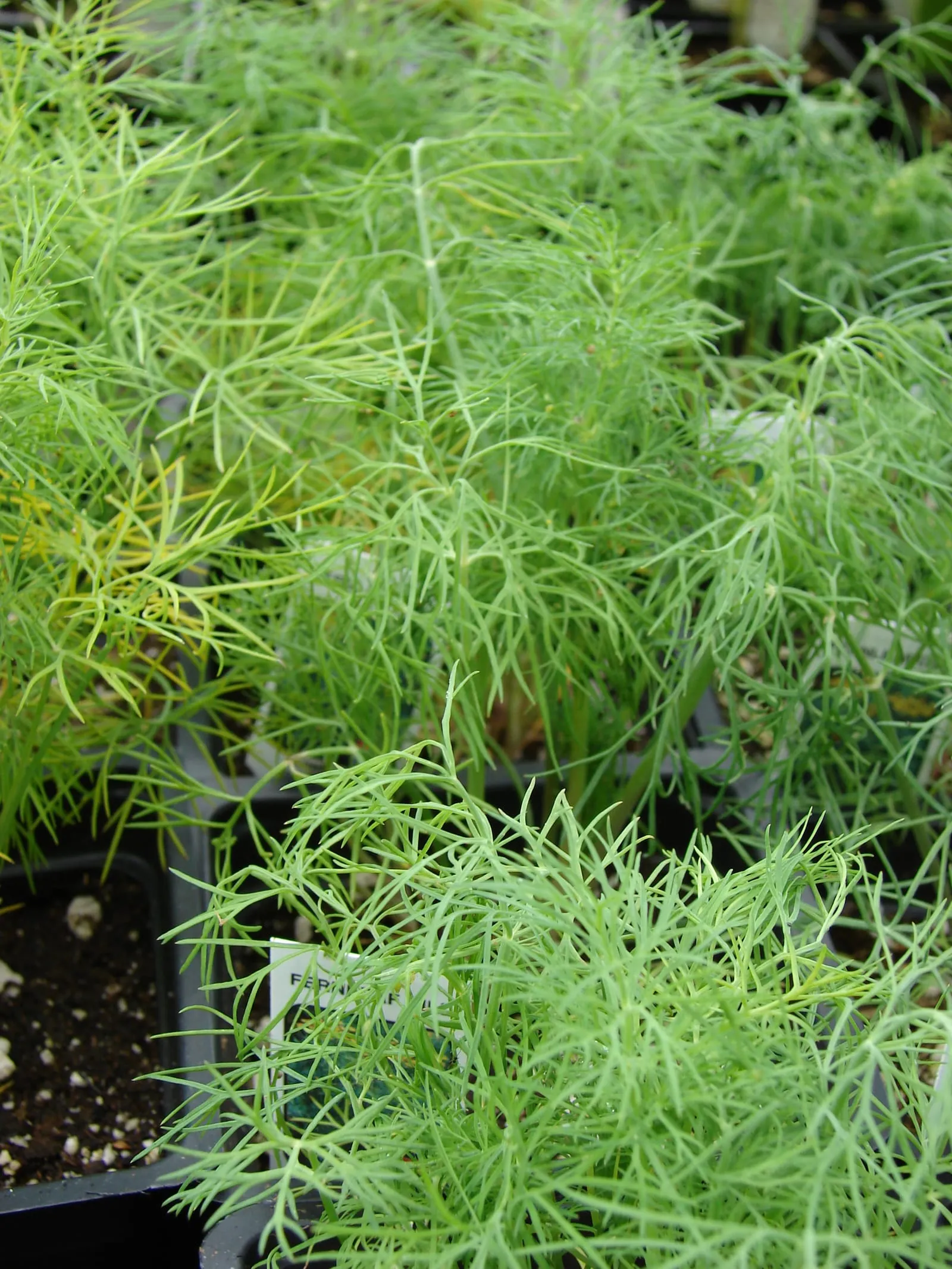 zone 9a
 Dill
Anethum graveolens
zones 3b–9a
 zone 9a
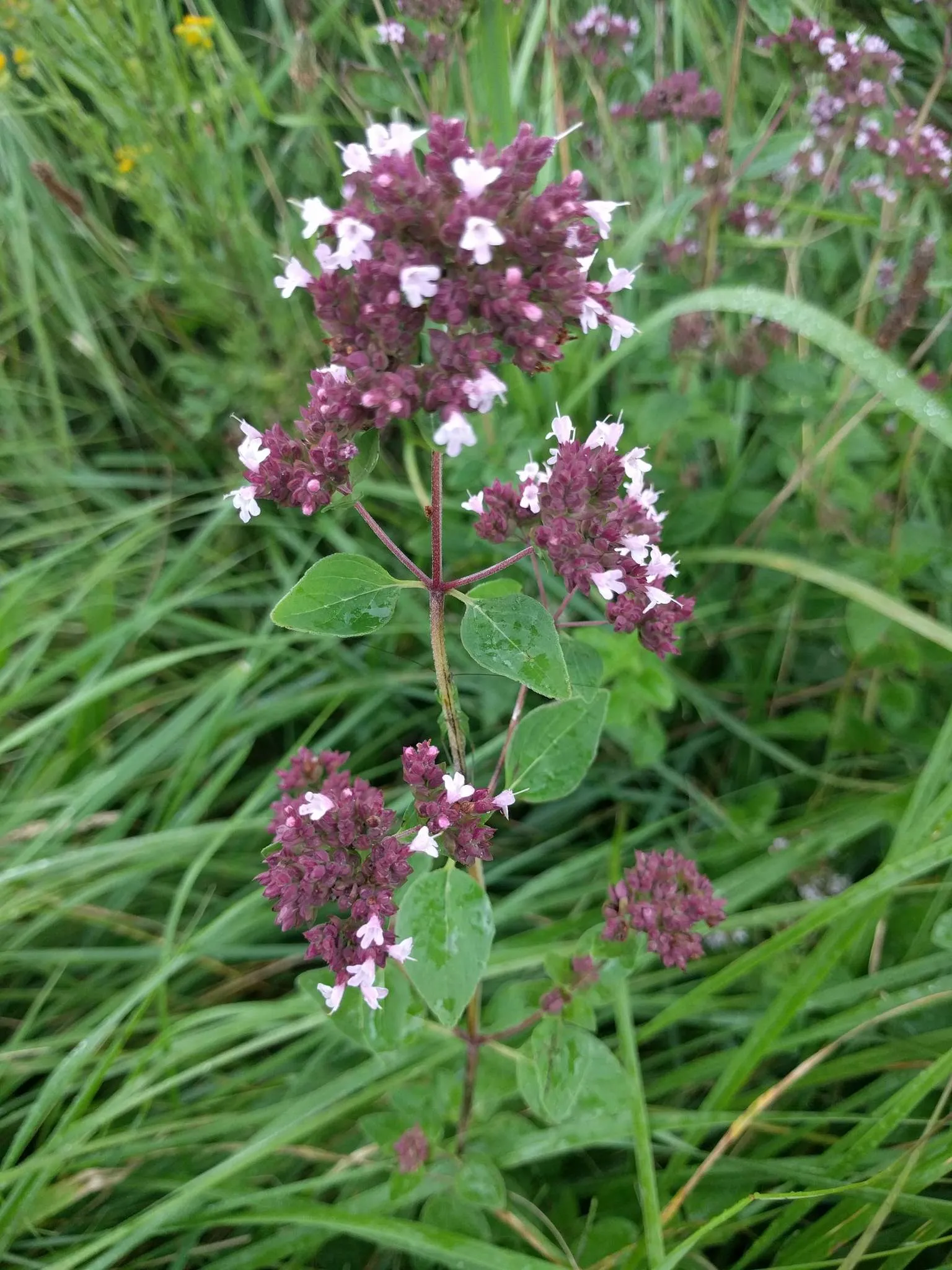
 Oregano
Origanum vulgare
zones 4a–9b
 zone 9a
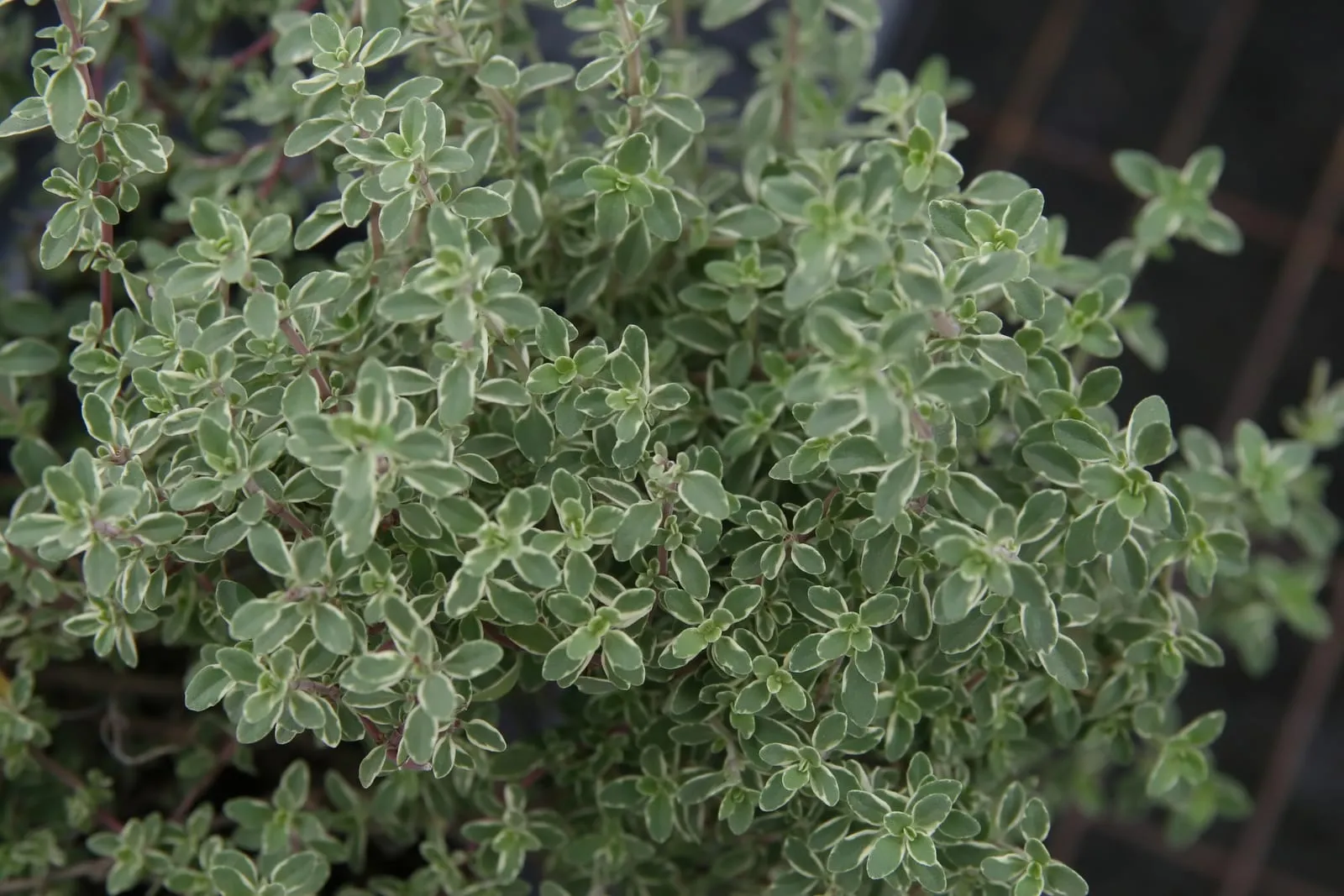
 Thyme
Thymus vulgaris
zones 4a–9a
 zone 9a
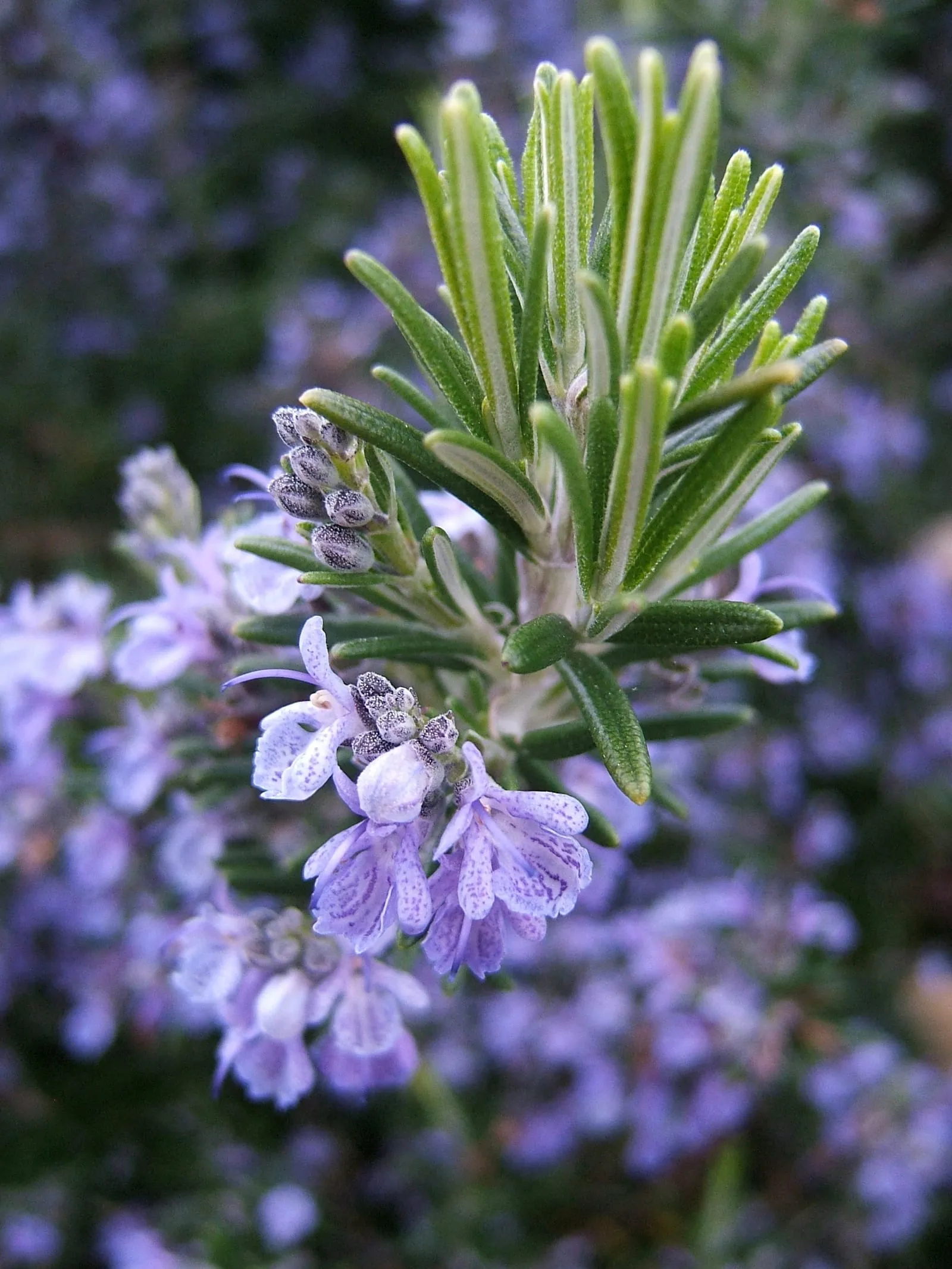
 Rosemary
Salvia rosmarinus
zones 7a–10b
 zone 9a
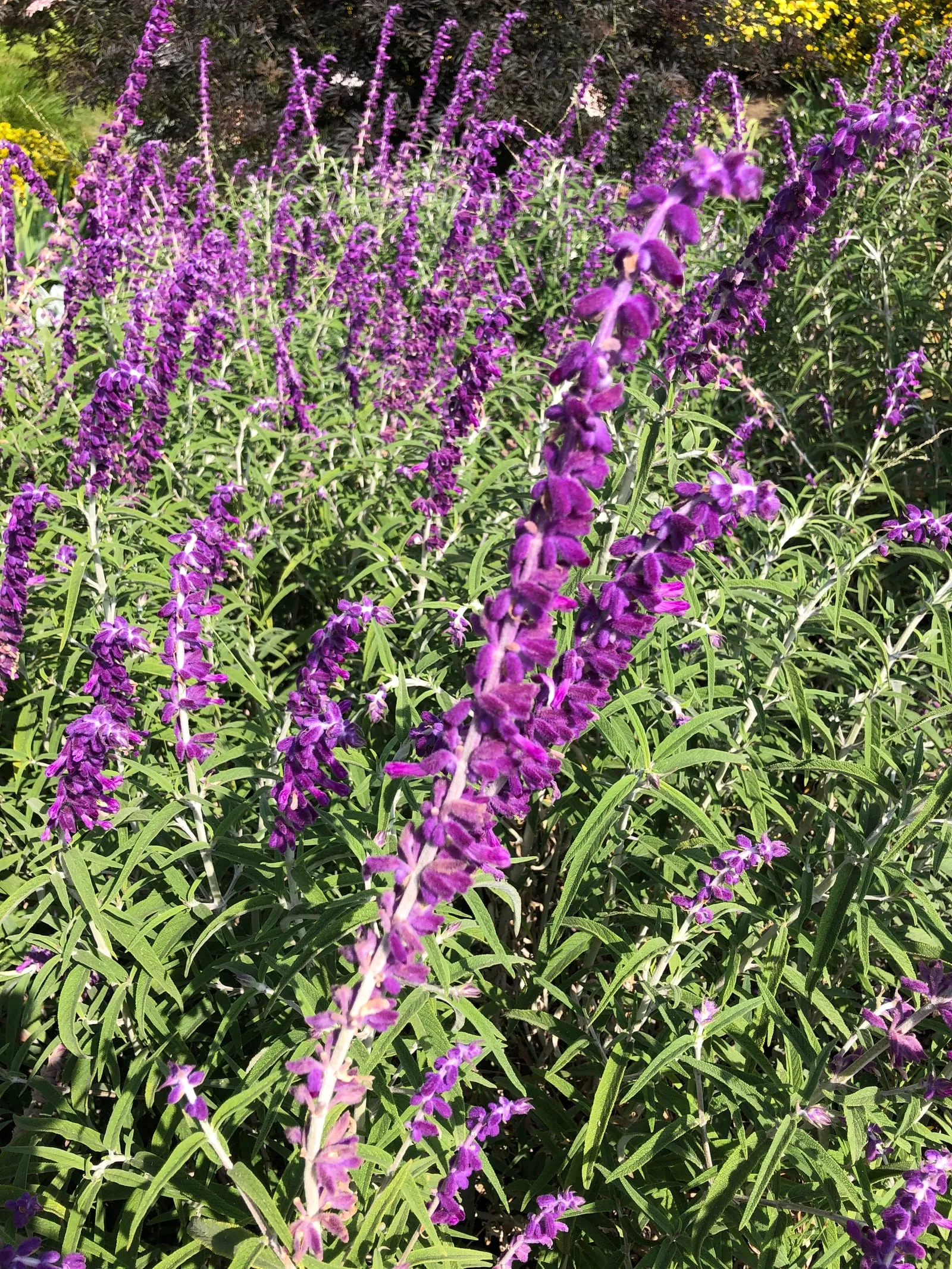
 Sage
Salvia officinalis
zones 4a–9a
 zone 9a
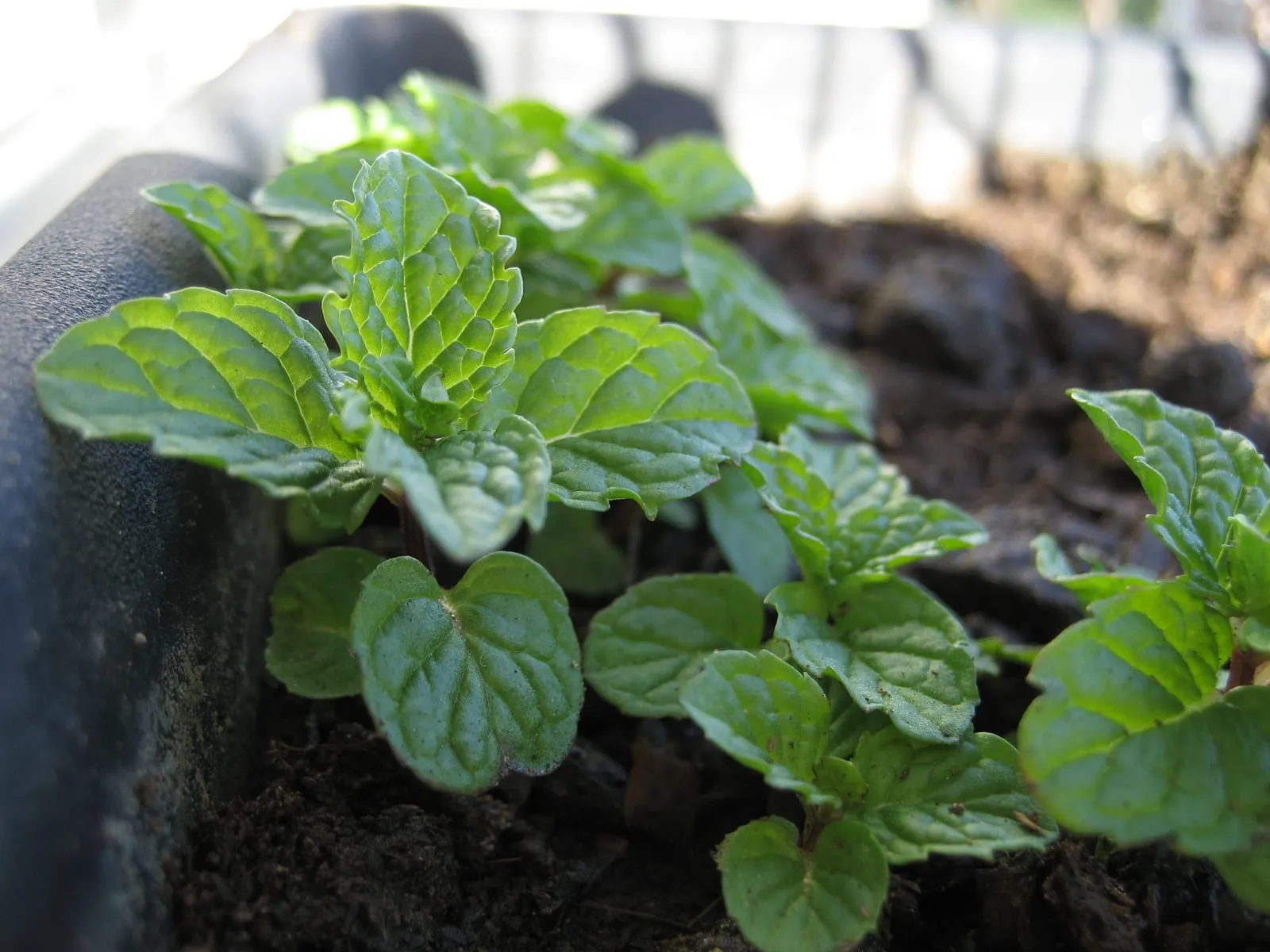
 Mint
Mentha species
zones 3b–9b
When to plant
Planting calendar for zone 9a
Year-view of seed starting, transplanting, planting, pruning, fertilizing, harvest, and pest-watch windows based on the average frost timing for zone 9a.
Week ? · loading
This week in zone 9a
Quiet week in zone 9a. this week is a good time to step back and plan ahead.
Nothing critical on the calendar this week.
303 bars · 61 crops
Calendar logic combines NOAA frost normals with crop-specific timing data. Local microclimate and weather always overrules the calendar; use this as a starting point.
Frequently asked questions
- How many chill hours does zone 9a get?
Roughly 200 to 500 depending on microclimate. Coastal locations are at the low end; inland valleys can reach 500 to 700. Use a local weather station's data rather than the zone average.
- Can I grow apples in zone 9a?
Yes, but only low-chill cultivars: Anna, Dorsett Golden, Tropic Sweet, Ein Shemer. Standard varieties like Honeycrisp and Gala will fail to chill properly and produce poorly.
- What stone fruit grows in 9a?
Low-chill peaches (Florida King, Tropic Beauty, Earligrande) and low-chill plums (Methley, Santa Rosa) are the best matches. Nectarines work similarly. Avoid high-chill varieties.
- Are figs reliable in zone 9a?
Yes, very reliable. Black Mission, Brown Turkey, and Mission all produce two crops per year (breba in spring, main in late summer) in 9a. Heat is the friend here.
+−
+−
+−
+−
Related