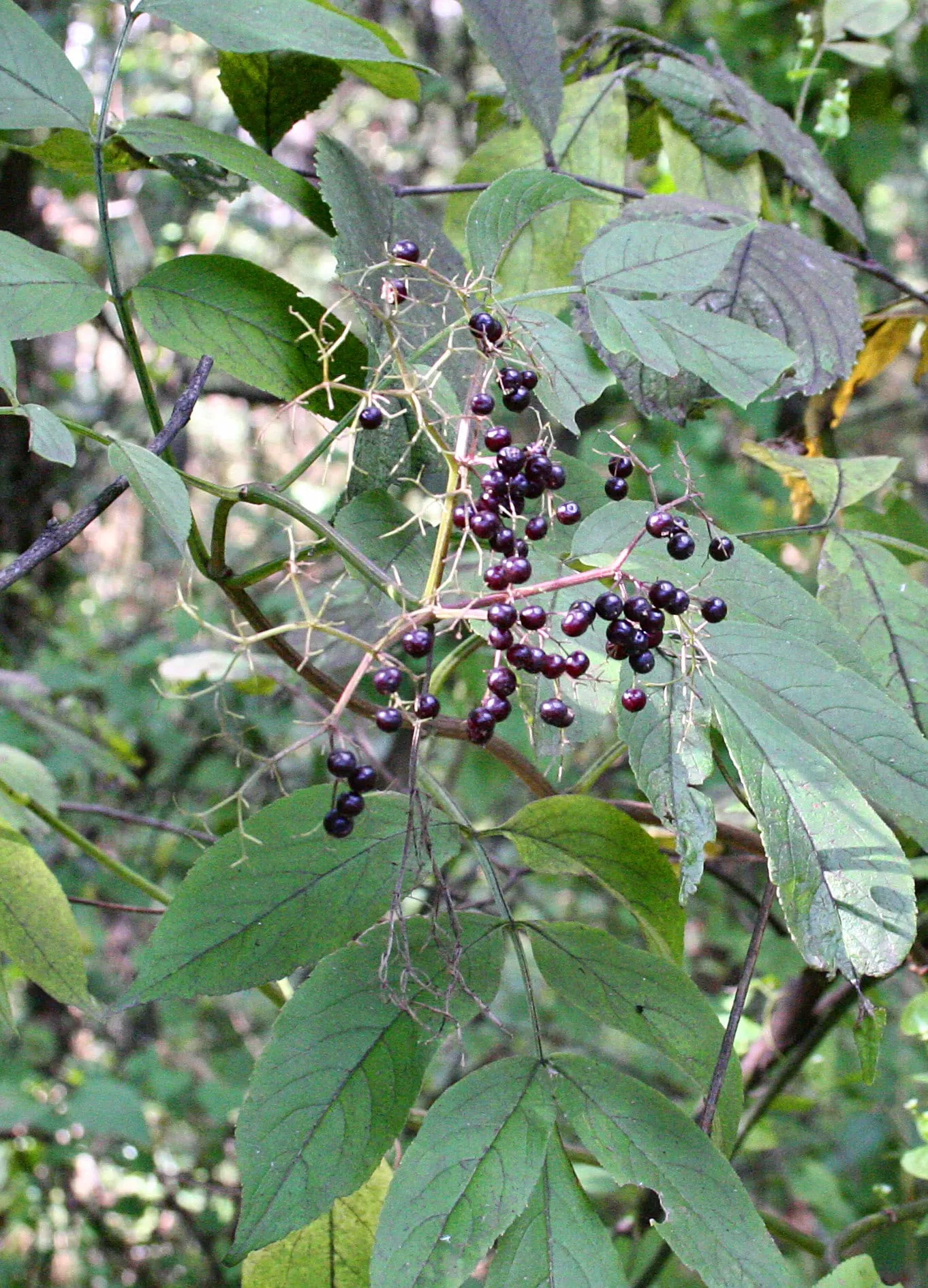
berry in zone 9a
Growing elderberry in zone 9a
Sambucus canadensis
- Zone
- 9a 20°F to 25°F
- Growing season
- 290 days
- Suitable varieties
- 0
- Days to harvest
- 90 to 120
The verdict
Elderberry (Sambucus canadensis and S. nigra) is a marginal crop in zone 9a. Most cultivated varieties require 400 to 900 chill hours to break dormancy reliably and produce well. Zone 9a typically accumulates 200 to 400 chill hours in an average winter, placing this zone at or beyond the warm edge of the elderberry's practical production range.
The consequences of chill-hour shortfall are inconsistent: some winters meet minimum thresholds and plants fruit adequately; others fall short, resulting in patchy leaf-out, poor berry set, or heavy bloom-to-drop. No varieties have been identified in current extension literature as reliably adapted to zone 9a conditions. Growers in this zone should treat elderberry as an experimental planting rather than a reliable crop, and site selection near cool microclimates, such as north-facing slopes or areas with good winter air drainage, improves odds modestly.
Critical timing for zone 9a
In zone 9a's 290-day growing season, elderberry breaks dormancy and begins flowering earlier than in cooler zones, often as soon as late January into February when mild winters are common. This early bloom window creates meaningful frost collision risk on the infrequent nights below 25°F that zone 9a does experience. Open flower clusters are damaged at temperatures near 28°F.
Harvest, assuming adequate fruit set, falls in July to early August, roughly three to four weeks earlier than in zone 6 or 7 plantings. The compressed window between bloom and harvest during hot, humid conditions elevates disease pressure considerably. Growers should monitor closely from fruit set through harvest rather than relying on calendar timing from other regions.
Common challenges in zone 9a
- ▸ Limited stone fruit options due to insufficient chill
- ▸ Hurricane and tropical storm exposure
- ▸ Citrus disease pressure
Disease pressure to watch for
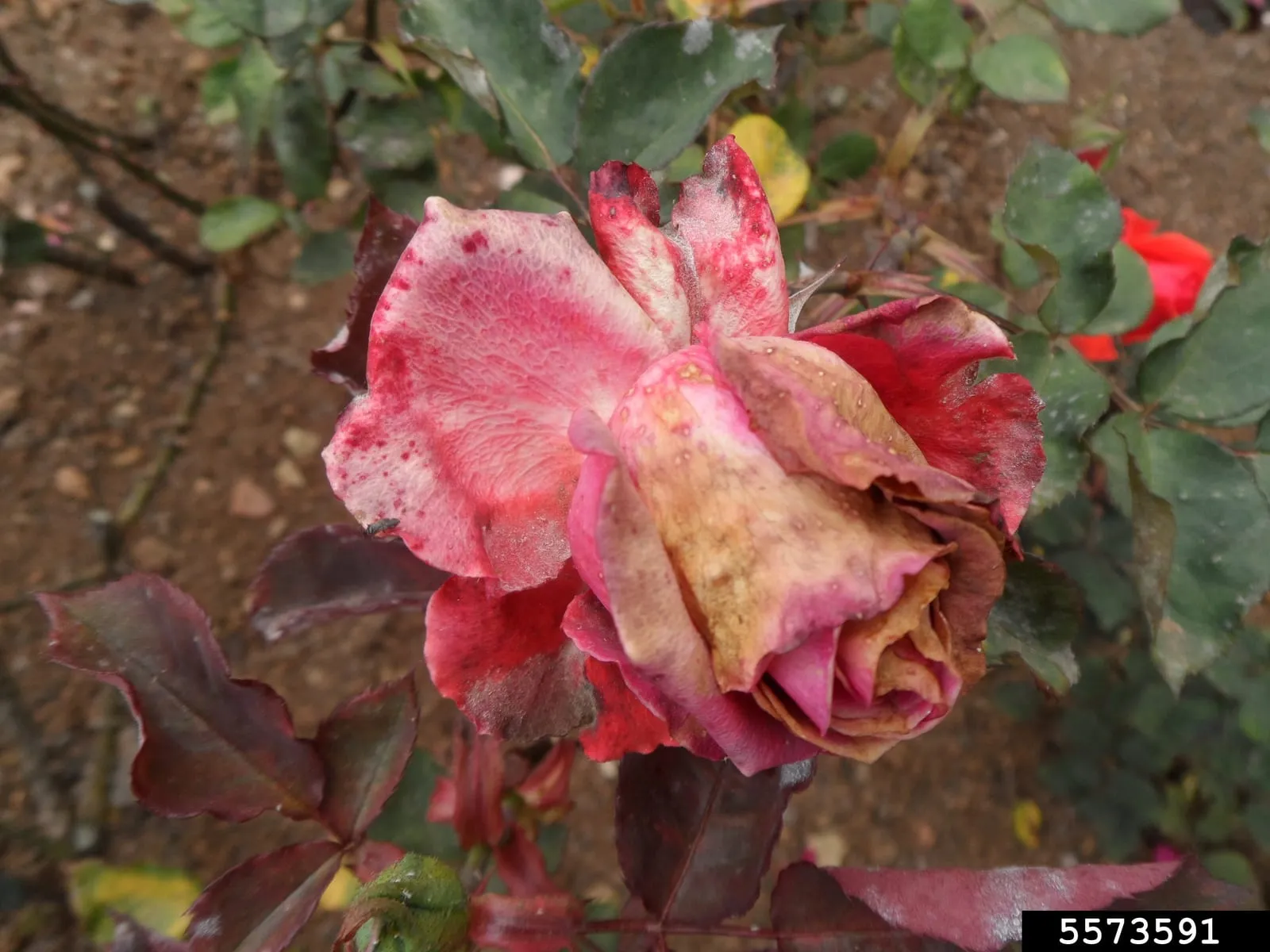
Botrytis cinerea
Ubiquitous fungal disease that causes fruit rot during cool wet weather, often the dominant berry disease in humid regions.
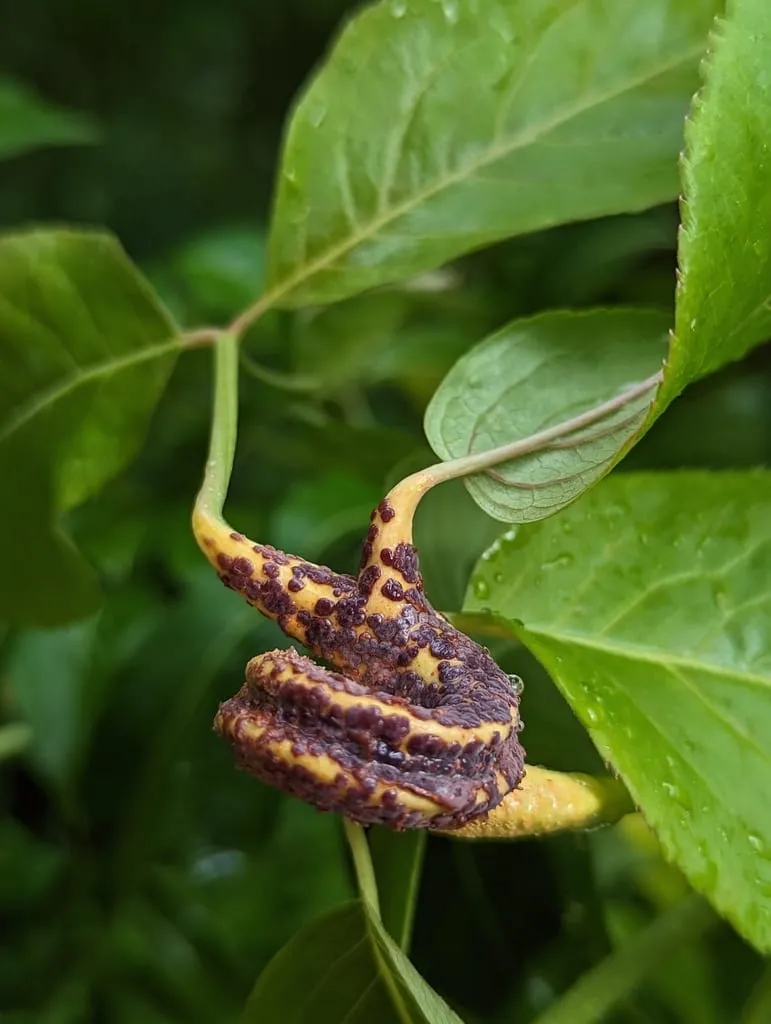
Puccinia sambuci
Two-host rust alternating between elderberry and sedges, causing leaf spots and shoot distortion in spring.
Modified care for zone 9a
Heat and humidity management are the primary adjustments in zone 9a. Mulch heavily (3 to 4 inches) around the root zone to moderate soil temperature during summer, as elderberry roots are shallow and sensitive to sustained heat above 90°F. Supplemental irrigation is typically necessary from May through September.
Gray Mold (Botrytis) and Elderberry Rust both intensify in warm, wet conditions, which zone 9a provides reliably during summer thunderstorm seasons and hurricane exposure. Improve air circulation through selective thinning, and avoid overhead irrigation once flowering begins. In hurricane-prone areas, site plants away from structures and stake young canes to reduce wind damage. Because chill accumulation is already borderline, avoid any late-fall pruning that could delay dormancy entry further.
Frequently asked questions
- Can elderberry grow in zone 9a?
Elderberry is marginal in zone 9a. Most varieties need 400 to 900 chill hours; zone 9a typically provides 200 to 400. Plants may survive and occasionally fruit in favorable winters, but consistent production is not reliable. Treat it as an experimental planting rather than a productive crop.
- What diseases affect elderberry in zone 9a?
Gray Mold (Botrytis) and Elderberry Rust are the primary concerns. Both thrive in the warm, humid conditions common to zone 9a summers. Good air circulation, dry-season irrigation at the root zone rather than overhead, and prompt removal of damaged canes reduce pressure.
- When does elderberry bloom in zone 9a?
Bloom typically begins in late January to February in zone 9a, several weeks earlier than in cooler zones. This early timing increases collision risk with late cold snaps. Flower clusters are frost-sensitive at approximately 28°F.
+−
+−
+−
Elderberry in adjacent zones
Image: "Sambucus nigra subsp canadensis - Indiana", by Unknown, via Wikimedia Commons, licensed under CC-BY Source.

Related