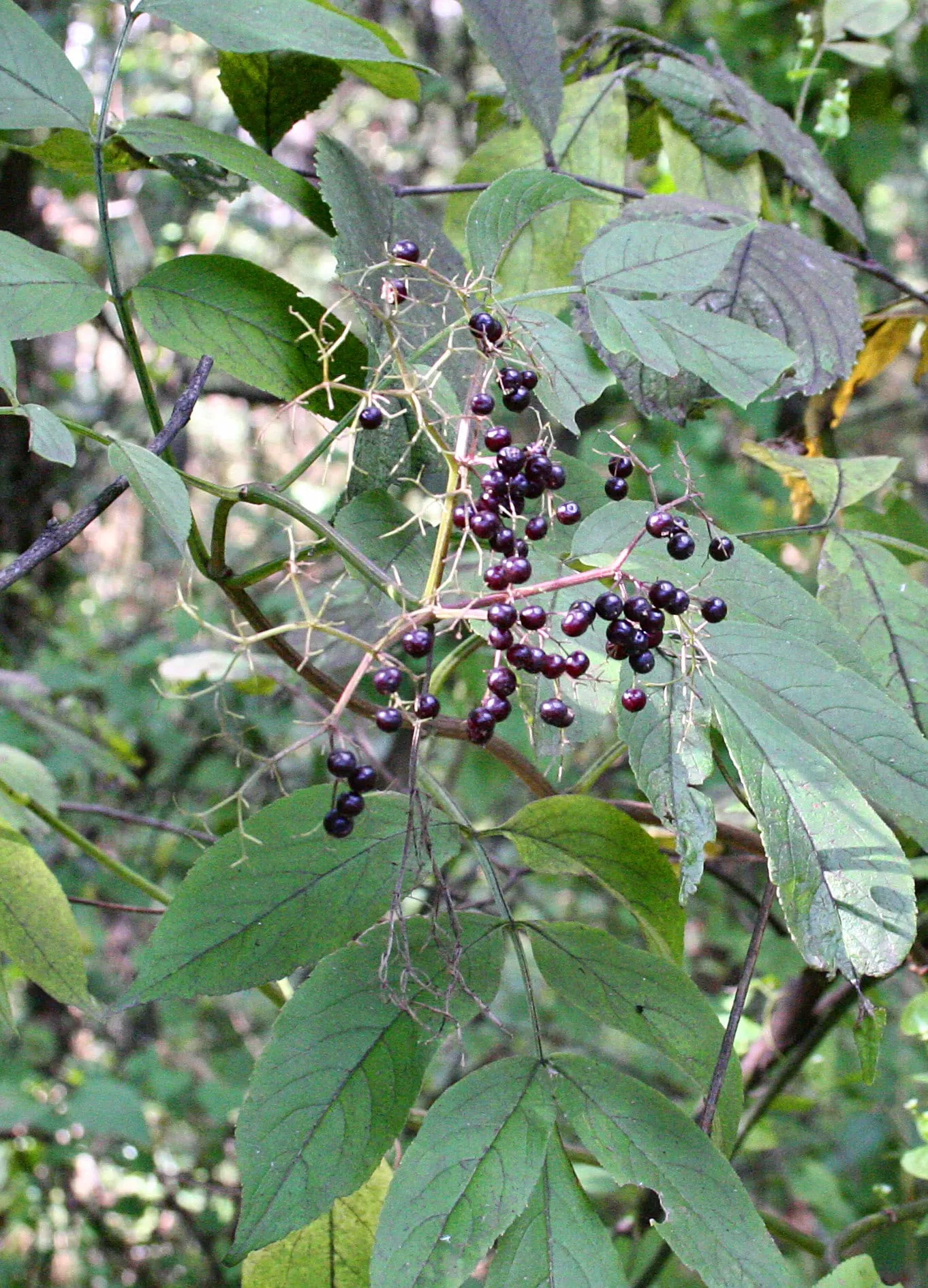
berry in zone 8b
Growing elderberry in zone 8b
Sambucus canadensis
- Zone
- 8b 15°F to 20°F
- Growing season
- 260 days
- Suitable varieties
- 0
- Days to harvest
- 90 to 120
The verdict
Elderberry is a workable crop in zone 8b, not a marginal one. Minimum winter temperatures of 15 to 20°F fall well within the plant's cold hardiness range, and elderberry sustains no meaningful cold damage in typical zone 8b winters. Chill hours are the more relevant concern. American elderberry (Sambucus canadensis) has modest chill requirements, generally in the 400- to 500-hour range as documented in USDA Cooperative Extension publications, which zone 8b meets reliably in most years. European elderberry (Sambucus nigra) runs somewhat higher and can underperform in warm-winter years when chill accumulation falls short. Zone 8b's 260-day growing season gives elderberry ample time to mature fruit before fall, which is rarely a limiting factor here. The principal risks are summer heat stress, nematode pressure in sandy soils, and disease susceptibility during humid periods, not cold hardiness or season length.
Critical timing for zone 8b
In zone 8b, elderberry typically breaks dormancy and begins flowering in late February to mid-April, depending on winter temperatures and position within the zone. Coastal sites often see bloom two to three weeks earlier than inland locations. The zone's last frost generally falls in late February to early March, which means an early bloom flush can intersect with late frost events and damage open flower clusters before fruit set. Harvest runs from late June into August for established plants, roughly two to four weeks earlier than in zones 6 and 7 due to the longer, warmer growing season. Growers should monitor bloom timing against local frost forecasts in February and early March rather than relying on calendar dates alone.
Common challenges in zone 8b
- ▸ Low chill hours limit apple variety selection
- ▸ Citrus greening risk
- ▸ Nematodes in sandy soils
Disease pressure to watch for
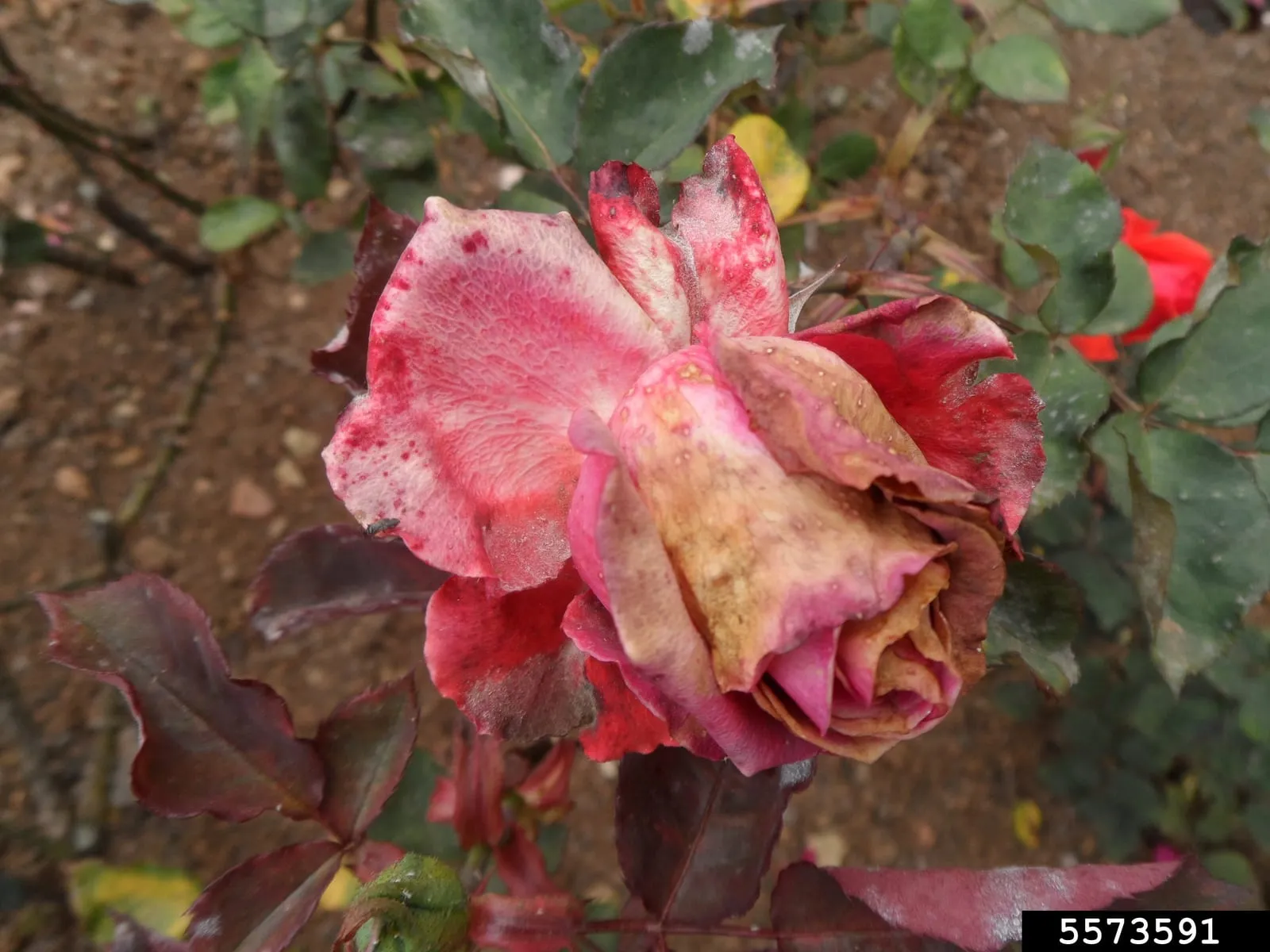
Botrytis cinerea
Ubiquitous fungal disease that causes fruit rot during cool wet weather, often the dominant berry disease in humid regions.
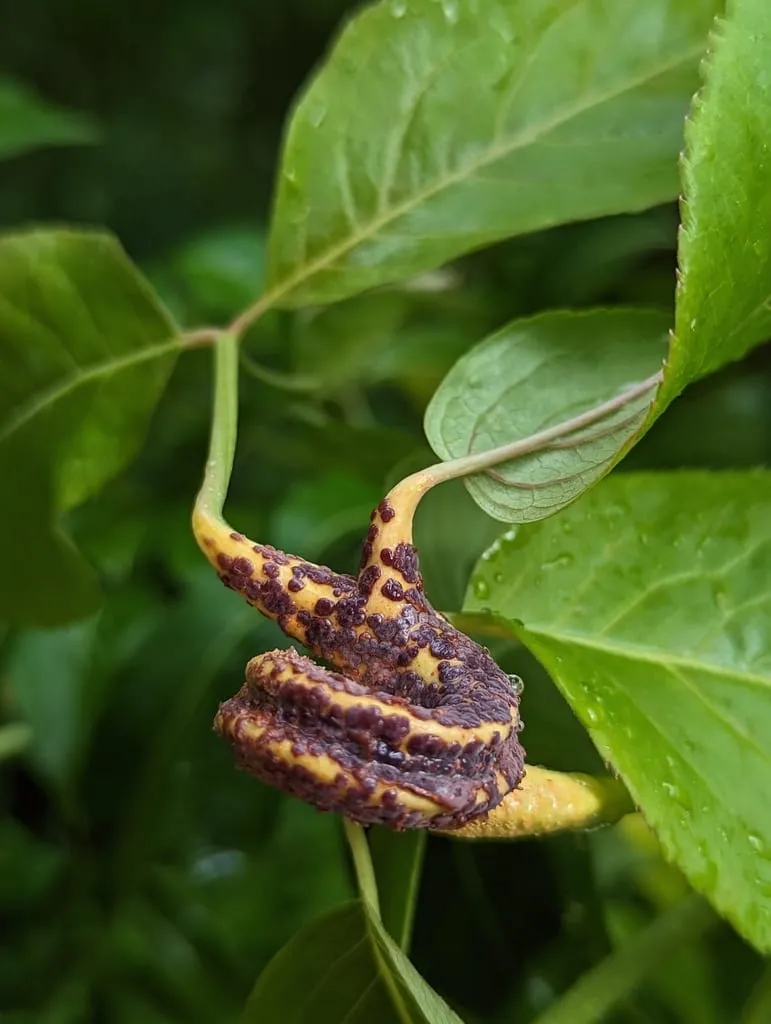
Puccinia sambuci
Two-host rust alternating between elderberry and sedges, causing leaf spots and shoot distortion in spring.
Modified care for zone 8b
Three management areas differ meaningfully from the crop's core range. Nematode pressure in sandy soils is a zone 8b-specific concern: elderberry planted in light, sandy ground can suffer root damage that reduces yield and shortens plant life. Raised planting beds with organic matter amendment help, and site selection that avoids known nematode-prone fields is worthwhile. Disease pressure from Gray Mold (Botrytis) and Elderberry Rust is elevated by zone 8b's humid summers. Annual renewal pruning to open the canopy and improve airflow is the primary cultural defense; overhead irrigation should be avoided during flowering and fruiting. Water management is the third adjustment: June and July can be hot and dry in parts of zone 8b, and elderberry's berry development requires consistent soil moisture during this window. Drip irrigation is preferable to overhead for disease control reasons.
Frequently asked questions
- Is zone 8b too warm for elderberry?
Not for American elderberry (Sambucus canadensis), which has modest chill-hour requirements that zone 8b meets in most years. European elderberry (Sambucus nigra) is less reliable in warm-winter years when chill accumulation falls short of its higher threshold.
- When does elderberry fruit ripen in zone 8b?
Harvest typically runs late June through August in zone 8b, roughly two to four weeks earlier than in zones 6 and 7. Exact timing depends on winter chill accumulation and whether spring temperatures advanced bloom early or late.
- How serious is nematode pressure for elderberry in zone 8b?
Significant on sandy soils. Root damage from nematodes reduces plant vigor and long-term yield. The most practical response is site selection: avoid light, sandy ground with a history of nematode problems and amend planting beds with organic matter to improve soil structure.
+−
+−
+−
Elderberry in adjacent zones
Image: "Sambucus nigra subsp canadensis - Indiana", by Unknown, via Wikimedia Commons, licensed under CC-BY Source.

Related