berry in zone 8a
Growing elderberry in zone 8a
Sambucus canadensis
- Zone
- 8a 10°F to 15°F
- Growing season
- 240 days
- Suitable varieties
- 2
- Days to harvest
- 90 to 120
The verdict
Zone 8a sits at the warm edge of elderberry's comfortable range, but it is not a marginal zone for the crop. Adams and York, both American elderberry selections (Sambucus canadensis), perform reliably here. American elderberry requires relatively modest chill hours compared to many fruit crops, and zone 8a typically delivers enough winter cold to satisfy dormancy requirements, though growers in the warmer, coastal pockets of the zone may see reduced berry set in low-chill winters.
The 240-day growing season is more than adequate for elderberry to complete its full cycle from bloom through harvest. The greater concern in zone 8a is summer heat and humidity, which creates favorable conditions for the fungal diseases this crop is prone to, not cold or chill-hour shortfall. For most zone 8a locations, elderberry is a reliable, low-maintenance crop rather than a gamble.
Recommended varieties for zone 8a
2 cultivars suited to this zone, with disease-resistance and zone-fit annotations.
| Variety | Notes | Zone fit | Disease resistance |
|---|---|---|---|
| Adams fits zone 8a | Tart, complex, deep purple-black; juice, jelly, syrup, wine. Cooked only (raw berries cause mild GI upset). Heavy producer, large clusters, the American home-garden standard. Plant two for cross-pollination. | | none noted |
| York fits zone 8a | Tart, rich, very large dark berries; juice, jelly, wine, syrup. The largest fruit of any American elderberry, excellent processor. Pollinates with Adams. | | none noted |
Critical timing for zone 8a
In zone 8a, elderberry typically comes into bloom between late April and mid-May, depending on the specific location and the timing of spring warm-up. This window generally falls well after the zone's last frost, so bloom protection is rarely needed. Late frosts in zone 8a are uncommon after mid-March, and elderberry blooms late enough to avoid most frost risk.
Harvest runs from mid-August through September for Adams and York. Berries in the same cluster ripen unevenly, so most growers harvest by cutting entire clusters when roughly 95 percent of the berries have darkened, then stripping them post-harvest rather than picking selectively. The long growing season leaves ample time for the crop to mature fully before fall temperatures drop.
Common challenges in zone 8a
- ▸ Insufficient chill hours for some apple varieties
- ▸ Pierce's disease in grapes
- ▸ Heat stress on cool-season crops
Disease pressure to watch for
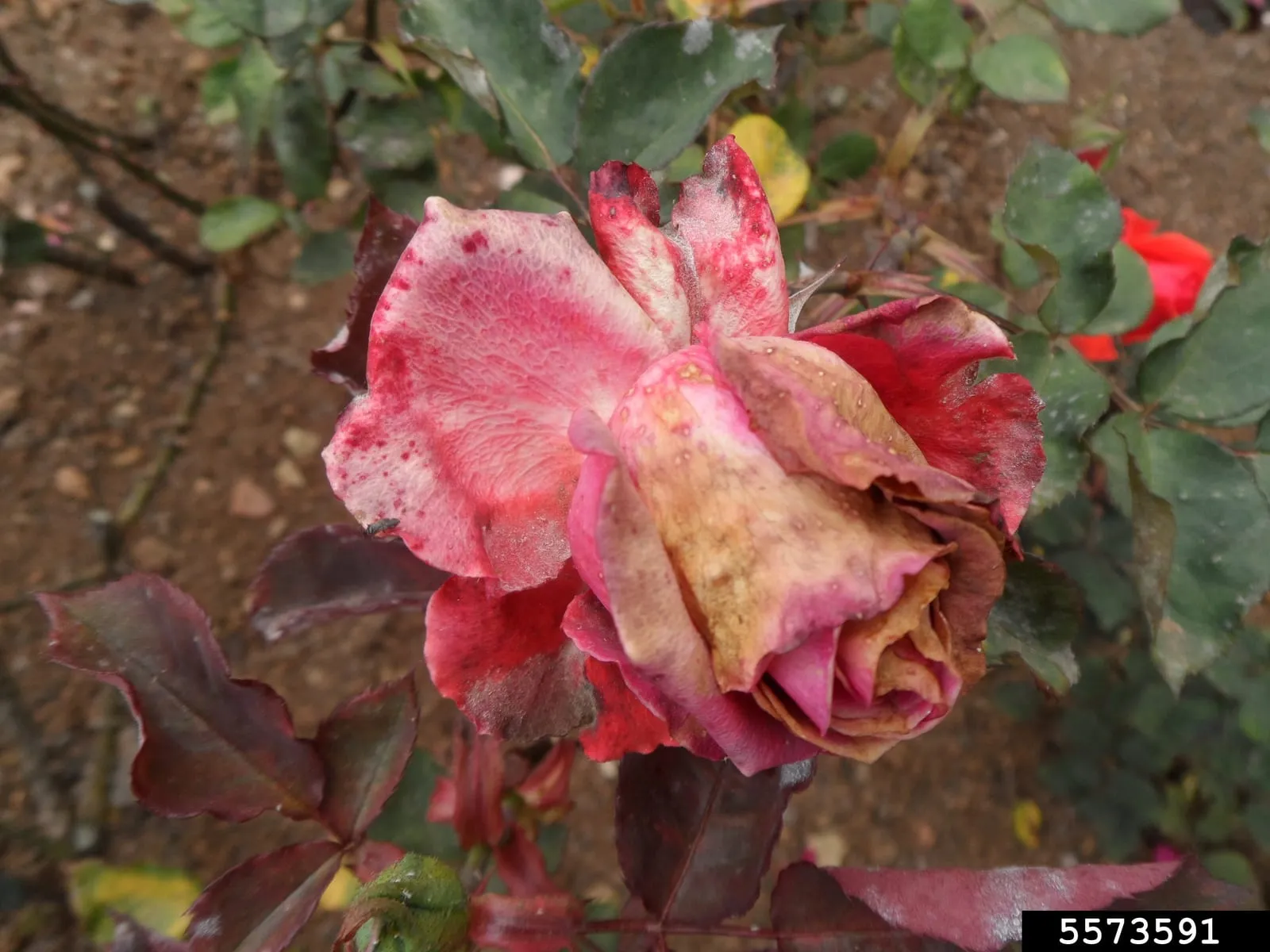
Botrytis cinerea
Ubiquitous fungal disease that causes fruit rot during cool wet weather, often the dominant berry disease in humid regions.
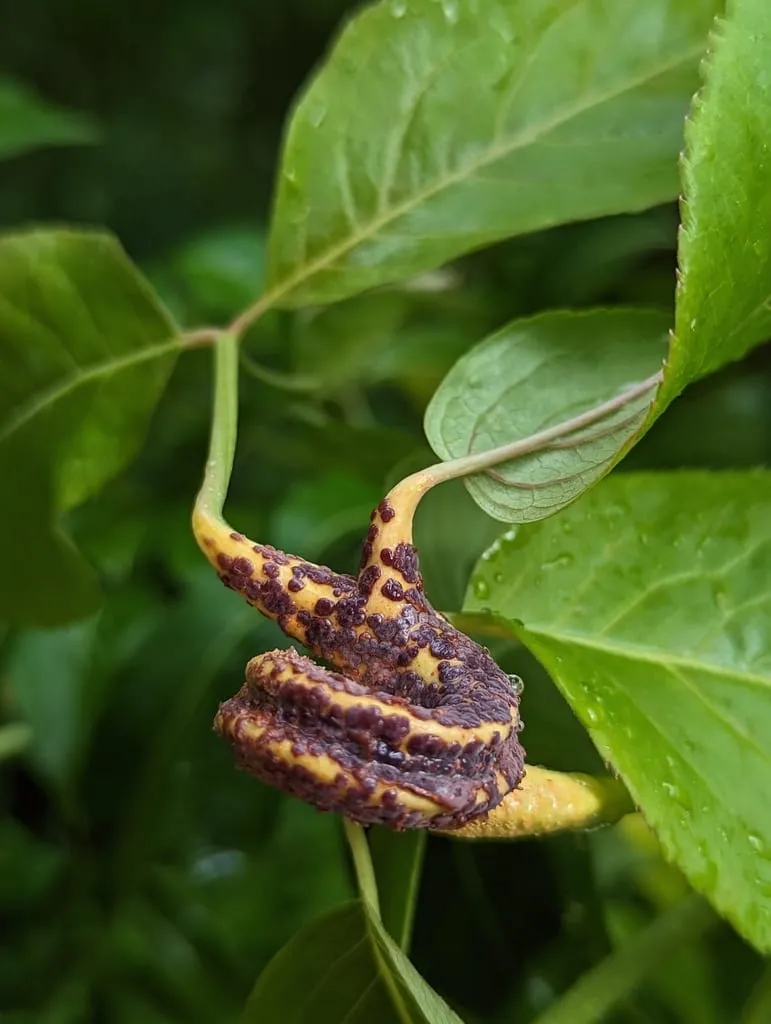
Puccinia sambuci
Two-host rust alternating between elderberry and sedges, causing leaf spots and shoot distortion in spring.
Modified care for zone 8a
The primary adjustment in zone 8a is managing fungal disease pressure. Gray mold (Botrytis) and elderberry rust both intensify under warm, humid summer conditions common to much of the zone. Maintaining open canopy structure through annual pruning reduces moisture retention in the fruiting zone and improves spray penetration if intervention becomes necessary. Avoid overhead irrigation during flowering and early fruit set.
Summer heat rarely damages established elderberry directly, but young plants in their first season benefit from consistent soil moisture during dry spells above 95 degrees Fahrenheit. Elderberry roots are shallow and drought stress in the first two years can set back establishment noticeably. A 3-inch layer of organic mulch over the root zone moderates soil temperature and reduces moisture loss. No winter protection is needed for Adams or York in zone 8a; both handle the zone's minimum temperatures of 10 to 15 degrees Fahrenheit without damage.
Frequently asked questions
- Do Adams and York elderberry get enough chill hours in zone 8a?
In most zone 8a locations, yes. American elderberry varieties including Adams and York have moderate chill-hour requirements that zone 8a winters typically satisfy. Growers in the warmest coastal pockets of the zone may occasionally see lighter crops after unusually mild winters, but outright failure from chill-hour deficit is uncommon.
- When should elderberry be pruned in zone 8a?
Late winter, while the plant is still dormant, is the standard window. In zone 8a that typically means late January through February. Remove canes older than three years at the base and thin the remaining canes to maintain an open, airy structure. Elderberry fruits on second-year wood, so balancing old-cane removal against new-cane retention is the core pruning discipline.
- Is elderberry rust a serious threat in zone 8a?
Elderberry rust (caused by Puccinia sambuci and related species) can defoliate plants in humid summers but rarely kills established shrubs. It is more of an aesthetic and vigor concern than a fatal one. Good air circulation through pruning and avoiding waterlogged sites reduce incidence. Badly affected canes can be removed during the winter pruning cycle.
+−
+−
+−
Elderberry in adjacent zones
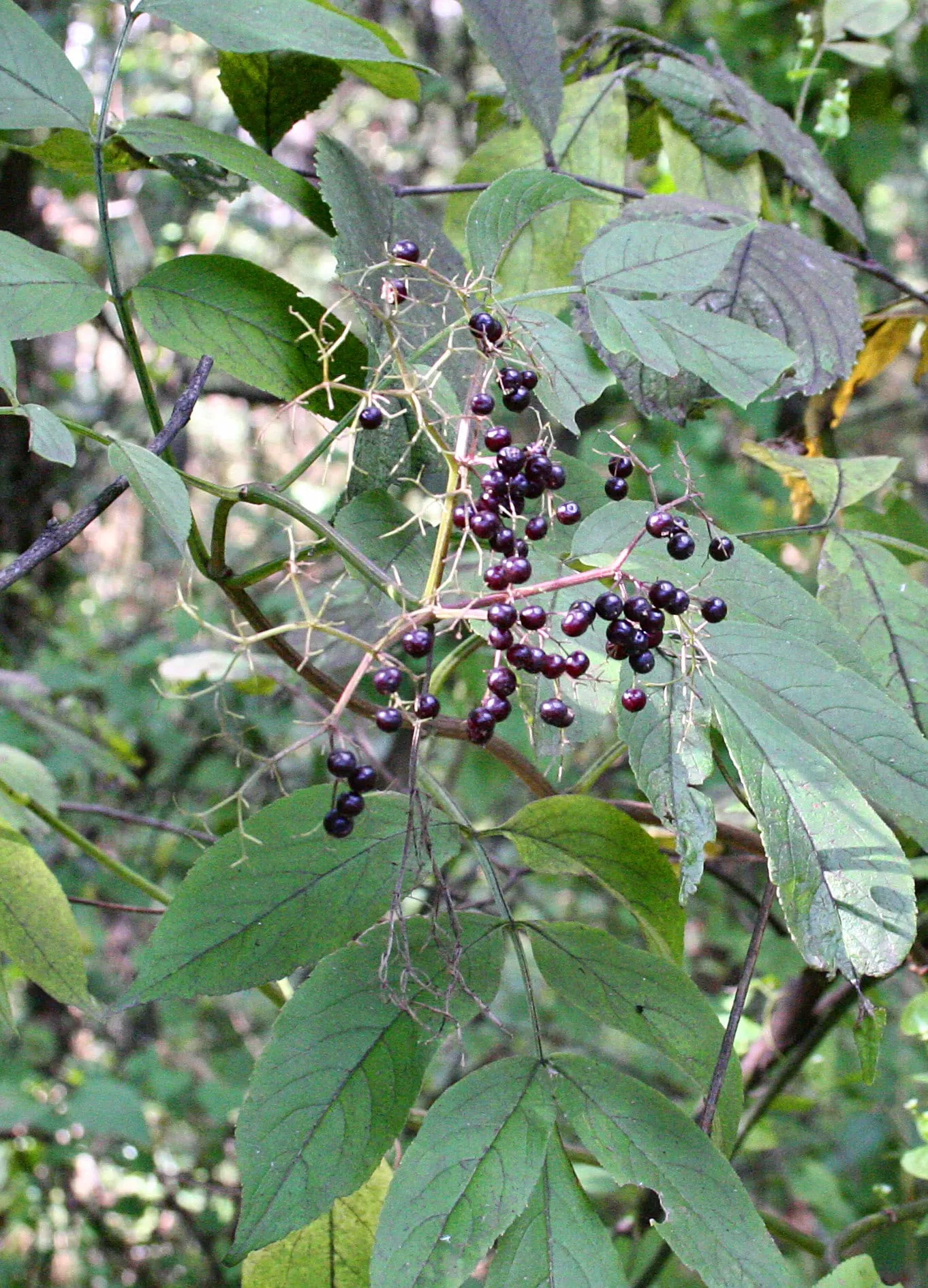
Image: "Sambucus nigra subsp canadensis - Indiana", by Unknown, via Wikimedia Commons, licensed under CC-BY Source.

Related