berry in zone 7b
Growing elderberry in zone 7b
Sambucus canadensis
- Zone
- 7b 5°F to 10°F
- Growing season
- 220 days
- Suitable varieties
- 4
- Days to harvest
- 90 to 120
The verdict
Zone 7b is a genuine sweet spot for elderberry, not a marginal situation. American elderberry (Sambucus canadensis) is native to the eastern piedmont and naturally adapted to the region's humidity, heat, and variable winters. The minimum temperatures of 5 to 10°F that define zone 7b present no hardiness problem for any of the recommended varieties. Chill-hour requirements for elderberry are moderate and well within what zone 7b winters reliably deliver. The 220-day growing season provides ample time from spring emergence through full berry ripeness in late summer.
All four compatible varieties listed for this zone (Adams, York, Bob Gordon, Wyldewood) have documented performance in similar climates. The challenge in zone 7b is not whether elderberry will survive, but how to manage the pest and disease pressures that accompany the warm, humid summers of the mid-Atlantic and southern piedmont.
Recommended varieties for zone 7b
4 cultivars suited to this zone, with disease-resistance and zone-fit annotations.
| Variety | Notes | Zone fit | Disease resistance |
|---|---|---|---|
| Adams fits zone 7b | Tart, complex, deep purple-black; juice, jelly, syrup, wine. Cooked only (raw berries cause mild GI upset). Heavy producer, large clusters, the American home-garden standard. Plant two for cross-pollination. | | none noted |
| York fits zone 7b | Tart, rich, very large dark berries; juice, jelly, wine, syrup. The largest fruit of any American elderberry, excellent processor. Pollinates with Adams. | | none noted |
| Bob Gordon fits zone 7b | Tart, heavily flavored; juice, syrup, wine. Productive Missouri selection with cymes that hang upside-down (deters bird damage). Heavy yields. | | none noted |
| Wyldewood fits zone 7b | Tart, classic elderberry flavor; syrup, juice, wine. University of Missouri release with extra-large cymes and high yields. Self-fertile but better with a partner. | | none noted |
Critical timing for zone 7b
In zone 7b, elderberry typically breaks dormancy and begins leafing out in late March, with the flat-topped flower clusters opening through May. The zone's average last frost falls in mid-to-late March, so there is rarely meaningful overlap between late-season frost events and bloom.
Harvest timing varies by variety: Bob Gordon tends to ripen earliest, generally mid-July into early August. Adams and York follow in August and carry into September. Wyldewood ripens on a schedule close to Adams. Across a mixed planting, the full harvest window spans four to six weeks. Interplanting at least two varieties also improves cross-pollination and set throughout the planting.
Common challenges in zone 7b
- ▸ Cedar-apple rust pressure heavy in piedmont
- ▸ Japanese beetles
- ▸ Brown marmorated stink bug
- ▸ Late summer disease pressure
Disease pressure to watch for
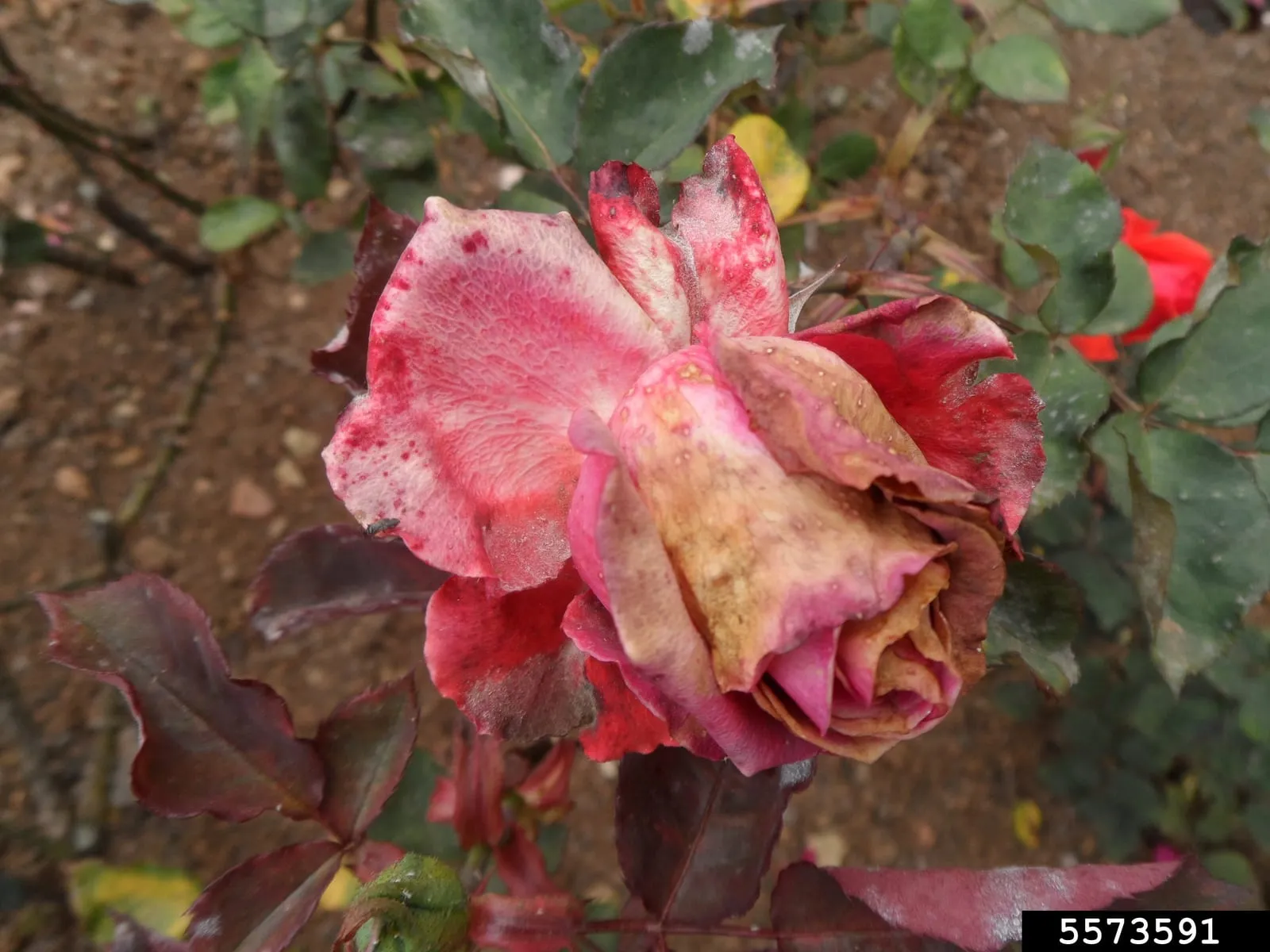
Botrytis cinerea
Ubiquitous fungal disease that causes fruit rot during cool wet weather, often the dominant berry disease in humid regions.
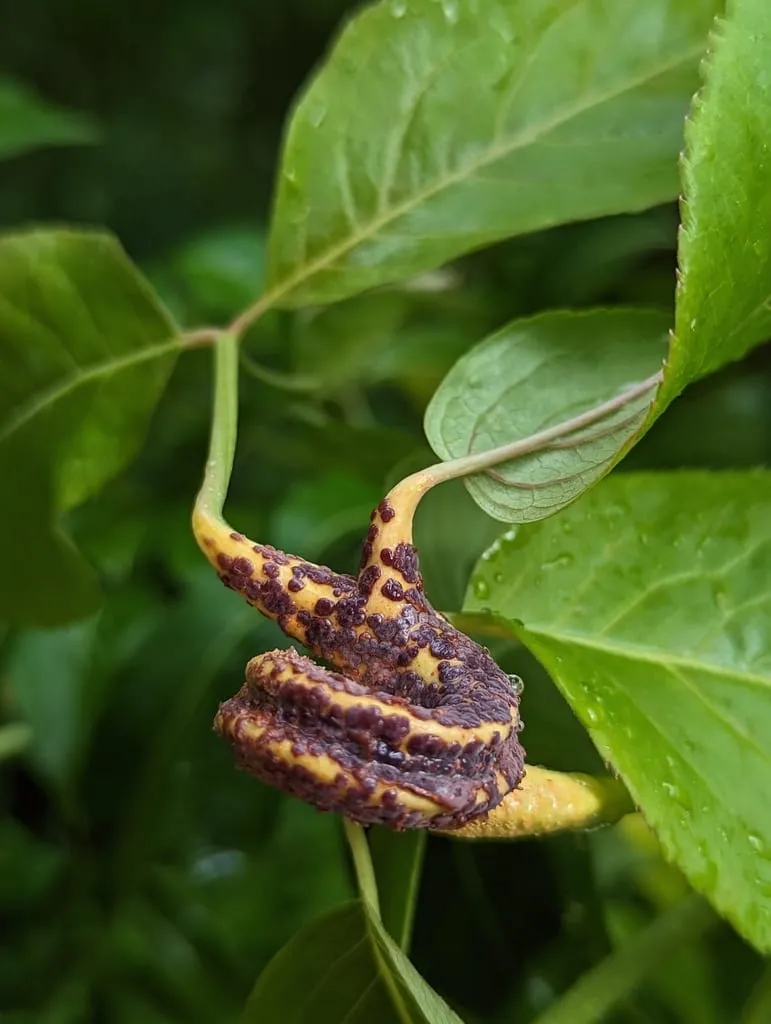
Puccinia sambuci
Two-host rust alternating between elderberry and sedges, causing leaf spots and shoot distortion in spring.
Modified care for zone 7b
The primary adjustments in zone 7b center on pest and disease management rather than cold protection. Gray Mold (Botrytis cinerea) and Elderberry Rust both intensify when wet conditions coincide with the late summer fruit window. Pruning for an open canopy structure and removing crowded interior canes reduces infection risk without relying on fungicide applications.
Japanese beetles arrive in late June and feed on foliage and flower clusters. Row covers during peak beetle emergence provide effective protection but must be removed during bloom to allow pollinator access. Brown marmorated stink bugs are opportunistic feeders on ripe berries from August onward; timely harvest at peak ripeness is the most practical management tool. No additional winter protection is needed for any of the listed varieties in zone 7b. The 5 to 10°F minimum temperatures are well within the hardiness range of S. canadensis and its named cultivars.
Frequently asked questions
- Does elderberry need a pollinator partner in zone 7b?
Most elderberry varieties produce better yields with a second variety nearby for cross-pollination. Pairing Adams with York or Bob Gordon with Wyldewood is a common approach in zone 7b plantings. Self-pollination does occur but fruit set is typically heavier with cross-pollination.
- When should elderberry be pruned in zone 7b?
Late winter, while the plant is still dormant, is the standard pruning window. In zone 7b, late February to mid-March generally works before growth resumes. Remove canes older than three years to the ground and open up the center of the plant to reduce disease pressure from Gray Mold and Rust.
- Are elderberries deer-resistant in zone 7b?
Elderberry is not reliably deer-resistant. Young canes in particular attract browse pressure in spring. Established plantings with thick multi-stem growth sustain browsing better than newly planted shrubs, but protection is advisable during establishment in areas with heavy deer populations.
+−
+−
+−
Elderberry in adjacent zones
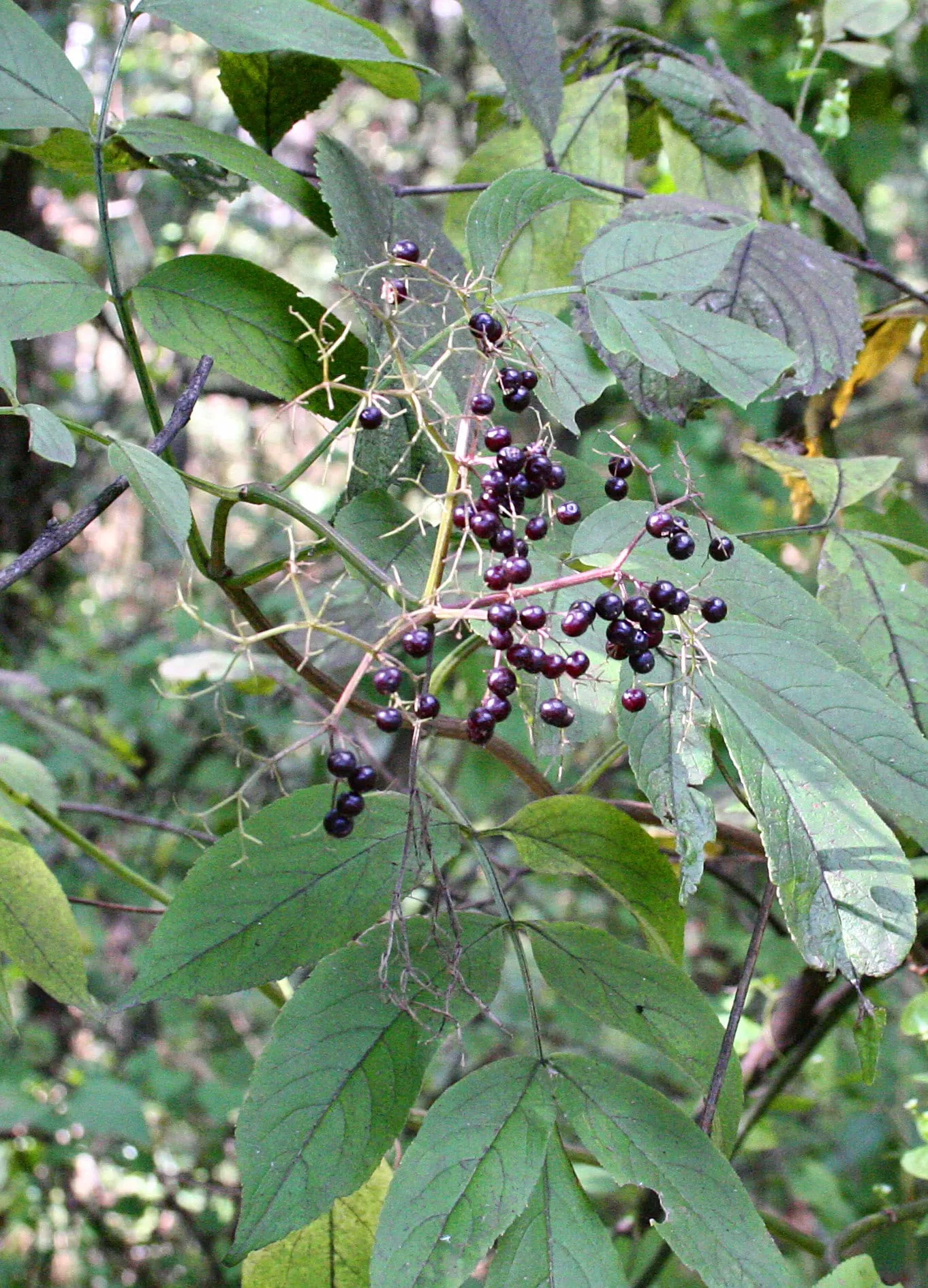
Image: "Sambucus nigra subsp canadensis - Indiana", by Unknown, via Wikimedia Commons, licensed under CC-BY Source.

Related