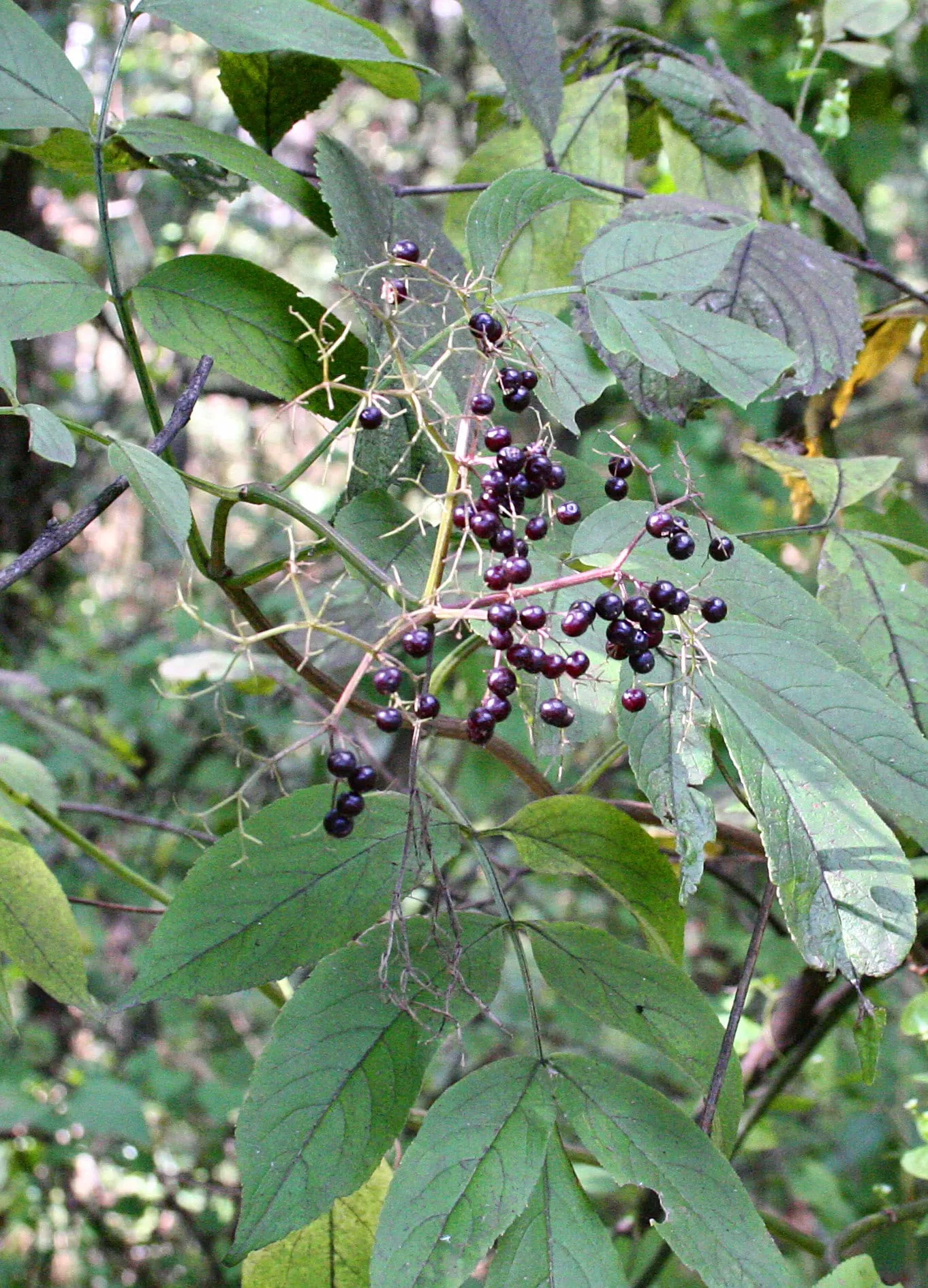
berry
Elderberry
Sambucus canadensis
USDA hardiness range
- Zones
- 3b–9a
- Days to harvest
- 90 to 120
- Sun
- Full
- Water
- Moderate
- Lifespan
- 20 to 50 years
Growing elderberry
Elderberry (Sambucus canadensis) is one of the most cold-hardy productive shrubs available to home growers, thriving from zone 3b through 9a, a range few fruiting plants can match. That adaptability comes with a meaningful catch: elderberry is a vigorous, multi-stemmed shrub that requires space, a compatible pollinator partner, and consistent management to produce the large, heavy cymes that make harvest worthwhile.
The fruit has a tart, complex flavor that does not translate well raw. Most varieties contain compounds that cause mild gastrointestinal upset when eaten uncooked, so all culinary use requires cooking. Juice, jelly, syrup, and wine are the primary products, and processed elderberry from well-grown plants is genuinely excellent.
Productive elderberry plantings share a few traits: two or more compatible varieties planted within 50 to 60 feet of each other for cross-pollination, reliable moisture through fruit development, and site selection that avoids frost pockets. In northern zones (3b to 5a), plants establish quickly but the growing season is short, with harvest typically falling in the 90 to 120 day window after bloom, usually August into early September. In zones 8a to 9a, summer heat can compress flavor development and reduce yields in dry years. University of Missouri Elderberry and Cornell Elderberry Production are the most thorough publicly available resources for variety selection and management.
Recommended varieties
See all 4 →4 cultivars for home growers, with notes on flavor, ripening, and disease resistance.
| Variety | Notes | Zone fit | Disease resistance |
|---|---|---|---|
| Adams | Tart, complex, deep purple-black; juice, jelly, syrup, wine. Cooked only (raw berries cause mild GI upset). Heavy producer, large clusters, the American home-garden standard. Plant two for cross-pollination. | | none noted |
| York | Tart, rich, very large dark berries; juice, jelly, wine, syrup. The largest fruit of any American elderberry, excellent processor. Pollinates with Adams. | | none noted |
| Bob Gordon | Tart, heavily flavored; juice, syrup, wine. Productive Missouri selection with cymes that hang upside-down (deters bird damage). Heavy yields. | | none noted |
| Wyldewood | Tart, classic elderberry flavor; syrup, juice, wine. University of Missouri release with extra-large cymes and high yields. Self-fertile but better with a partner. | | none noted |
Soil and site requirements
Elderberry tolerates a wider range of soils than most fruiting shrubs, but performs best in loamy, well-drained soil with a pH between 5.5 and 6.5. Avoid poorly drained or compacted sites. Standing water after rain promotes crown rot and steadily reduces long-term plant vigor, even in otherwise cold-hardy varieties.
Full sun is the practical requirement. Shaded plants produce fewer and smaller cymes, and fruit quality declines noticeably. A minimum of six hours of direct sun per day is the floor; more is better in northern zones. South or southeast-facing slopes offer a warming advantage in zones 3b to 5b, where the growing season is short and early season warmth accelerates establishment.
Spacing matters more than many growers anticipate. Mature elderberry clumps can spread 8 to 12 feet wide and reach 10 to 12 feet in height without regular pruning. Plant multiple varieties at least 6 feet apart within rows, with 10 to 14 feet between rows for plantings of more than two or three shrubs. Closer spacing creates airflow problems that directly increase gray mold (Botrytis) pressure at harvest.
Elderberry is moderately drought-tolerant once established, but consistent moisture during the 90 to 120 day fruit development period significantly affects berry size and juice content. A 3-inch mulch layer around the base conserves moisture and suppresses competing vegetation without encouraging crown rot.
Common diseases
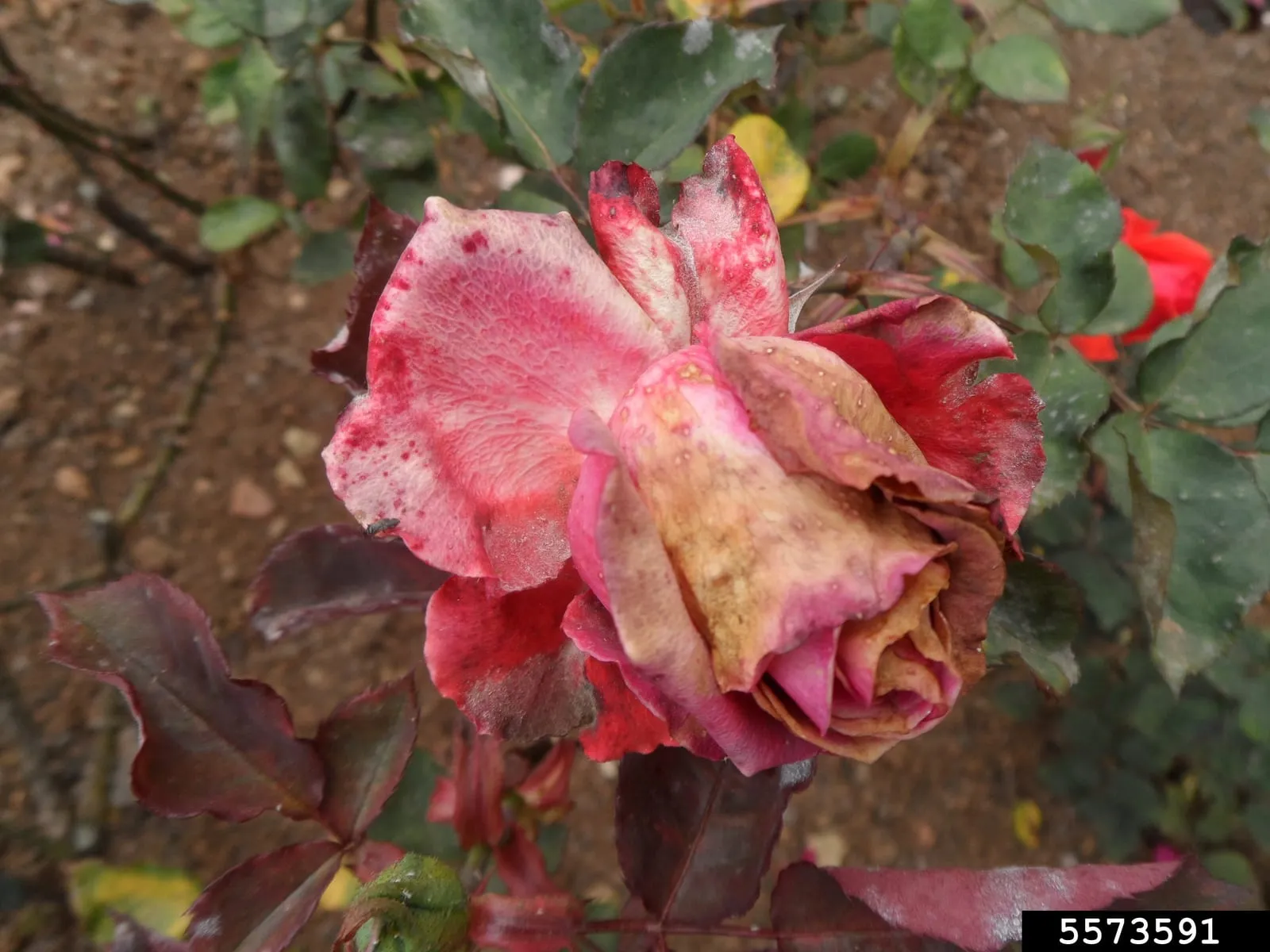
Botrytis cinerea
Ubiquitous fungal disease that causes fruit rot during cool wet weather, often the dominant berry disease in humid regions.
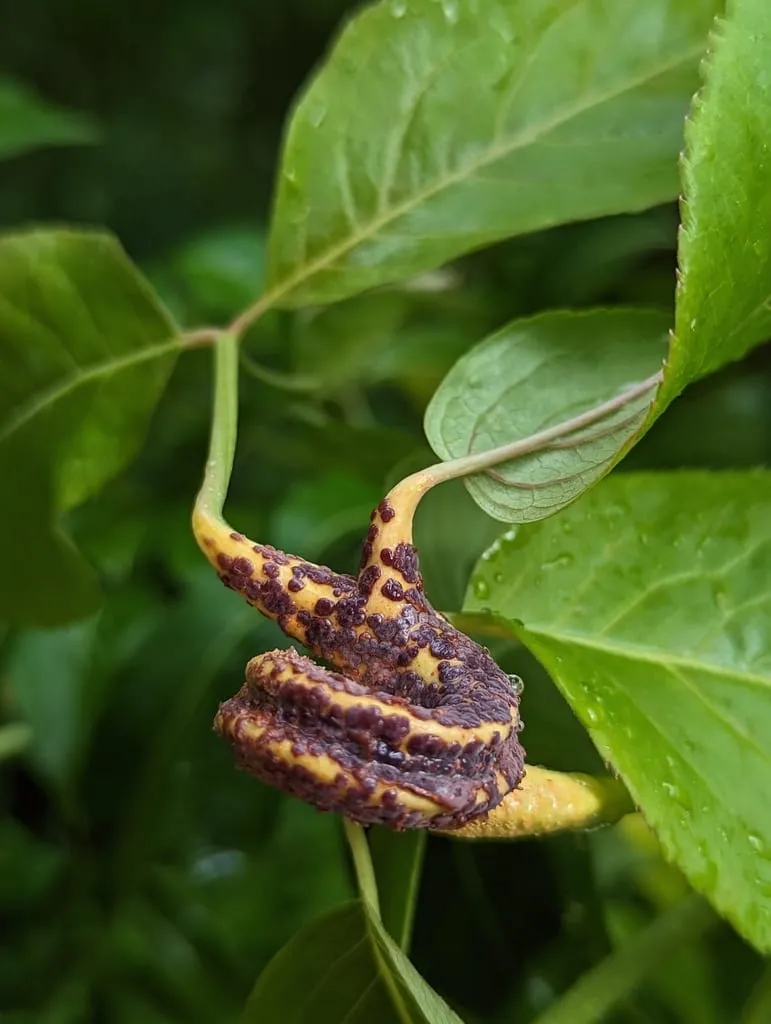
Puccinia sambuci
Two-host rust alternating between elderberry and sedges, causing leaf spots and shoot distortion in spring.
Common pests
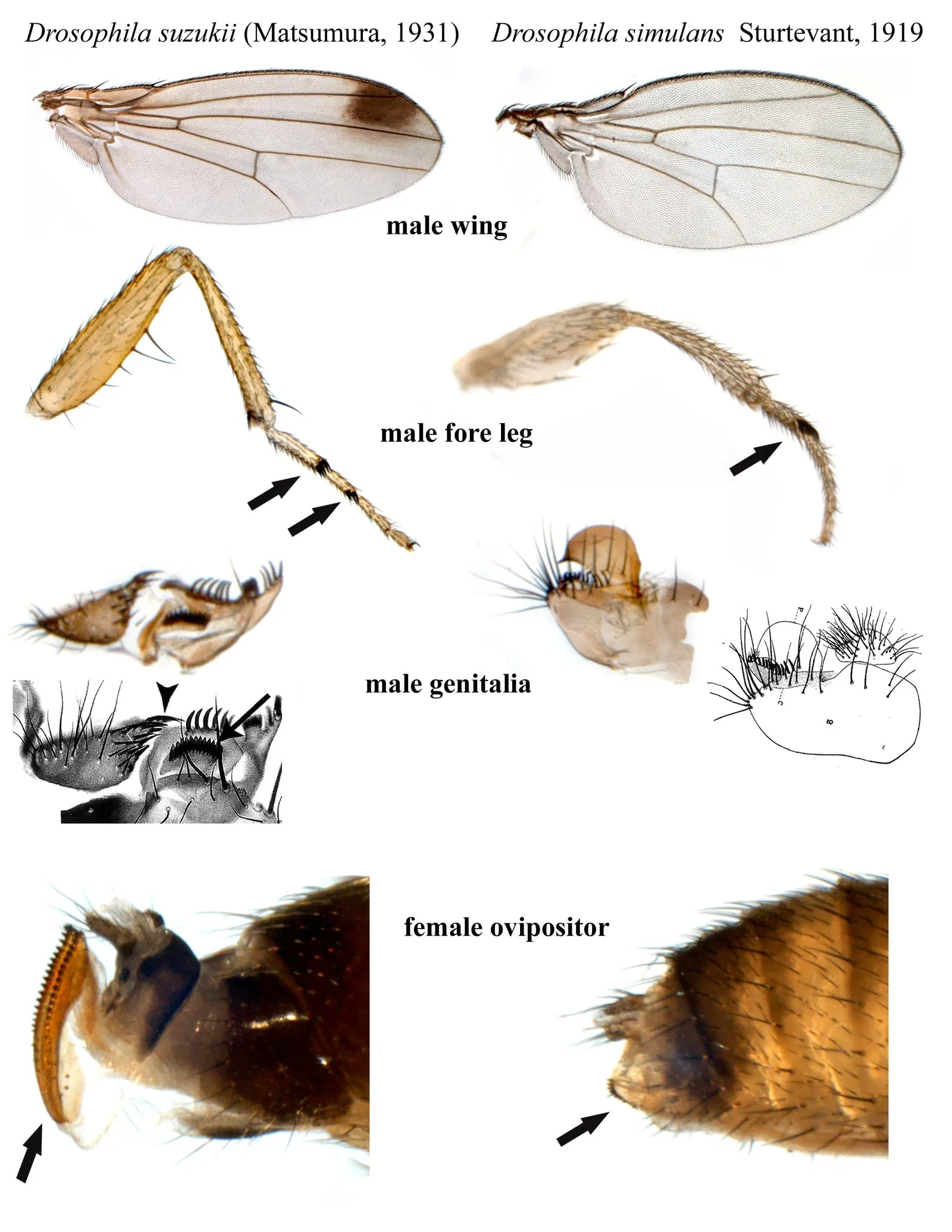
Drosophila suzukii
Invasive vinegar fly that attacks ripening soft fruit, unlike native Drosophila species which target overripe fruit. Now the dominant berry-and-cherry pest across the US.
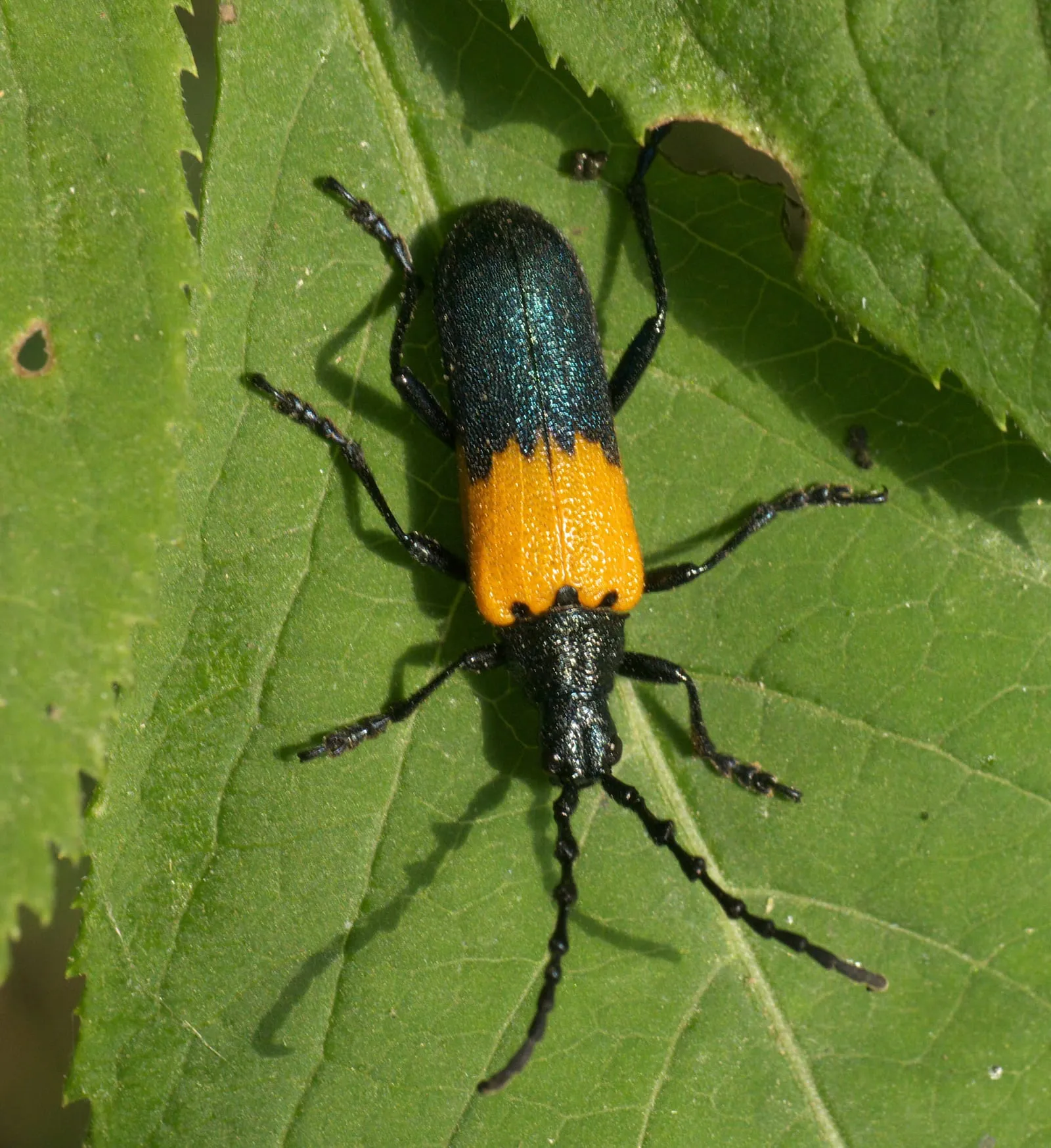
Desmocerus palliatus
Long-horned beetle whose larvae bore into elderberry stems and roots, weakening older canes.
Multiple species
Robins, catbirds, mockingbirds, starlings, cedar waxwings and other songbirds can strip ripening berry and fruit crops in days. Crows and blackbirds also damage fresh sweet corn ears in milk stage. The single biggest yield-loss factor in unprotected home plantings.
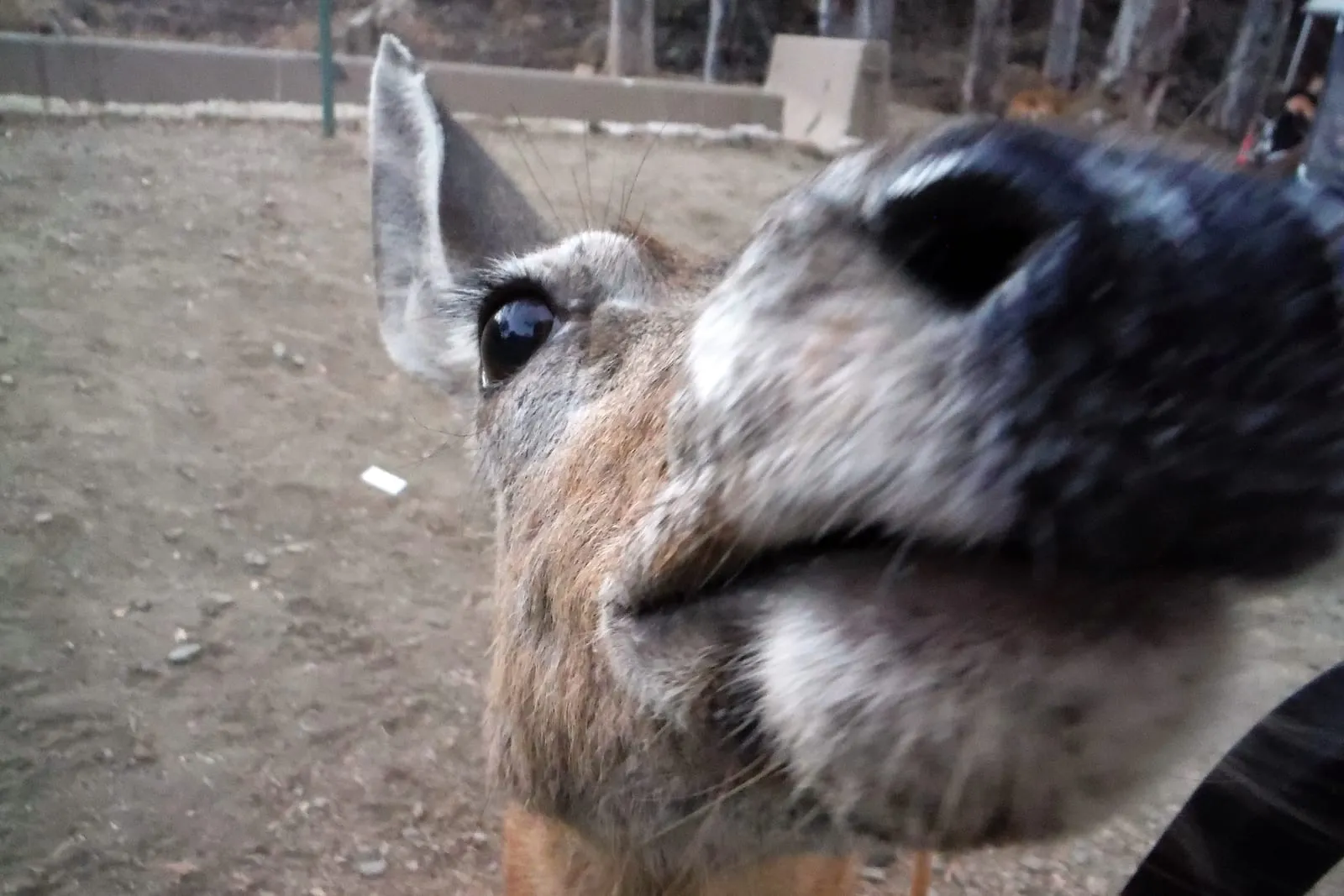
Odocoileus species
Whitetail and mule deer browse can devastate orchards and gardens, particularly in winter when food is scarce. Antler rub on young trunks kills saplings outright.
Common challenges
The most consistent failure point in home elderberry plantings is inadequate pollination. Most American elderberry varieties, including Adams and York, are not reliably self-fertile. A single-variety planting typically produces sparse, irregular cymes regardless of growing conditions. Two compatible varieties within 50 to 60 feet of each other resolve this. Adams and York are the most widely documented pollination partners and a safe default choice for growers without variety trial data from their region.
Spotted wing drosophila (SWD) is the dominant insect pest across most of the elderberry range, and it is a serious economic problem in some years. SWD lays eggs inside ripening fruit; infested berries are unacceptable for processing. Unlike most drosophila species, SWD attacks firm, still-ripening fruit rather than overripe material. Management depends on timing: harvest cymes promptly at peak ripeness (deep purple-black, clusters slightly drooping), refrigerate harvested fruit immediately, and consider fine mesh netting if SWD pressure has been documented locally. Delaying harvest by even a few days substantially increases infestation rates.
Gray mold (Botrytis cinerea) is the dominant disease problem, particularly in wet seasons and dense plantings. It thrives in high humidity and poor airflow. The practical controls are adequate spacing, prompt removal of damaged or overripe fruit, and cutting out dead wood during dormancy to open the canopy. Organic fungicides including copper, sulfur, and Bacillus subtilis-based products offer limited but real suppression when applied at early bloom under persistently wet conditions.
Companion plants
Frequently asked questions
- Does elderberry require a specific number of chill hours?
Elderberry does not have a documented minimum chilling requirement the way stone fruits do. Sambucus canadensis enters dormancy naturally across its full range (zones 3b to 9a) and breaks dormancy reliably without a specific chill-hour target. In zones 8a to 9a, years with limited winter cold may delay budbreak slightly, but outright failure from insufficient chilling is uncommon.
- How long does elderberry take to produce fruit after planting?
Most plants produce a modest first crop in year two, with full production beginning in years three to four. Once established and in full production, cymes ripen 90 to 120 days after bloom, typically in August and September in zones 5a through 7b. Northern plantings (zones 3b to 4b) may push harvest into September.
- What USDA zones does elderberry grow in?
Sambucus canadensis is hardy in zones 3b through 9a, covering most of the continental United States. Performance varies considerably across that range: northern plantings have shorter seasons and lower total heat accumulation, while southern plantings in zones 8b to 9a may see heat-related yield reduction and flavor compression in dry years.
- Does elderberry self-pollinate, or does it need a second variety?
Most elderberry varieties, including Adams and York, are not reliably self-fertile. Planting two compatible varieties within 50 to 60 feet of each other is the standard recommendation and is effectively required for consistent, heavy yields. Adams and York are the most widely documented pollination partners for American elderberry and are available from most specialty nurseries.
- What is the most common disease problem in elderberry?
Gray mold (Botrytis cinerea) is the most frequently encountered disease in home and commercial plantings. It thrives in wet conditions and poorly ventilated plantings. Good spacing, prompt removal of damaged or overripe fruit, and dormant pruning to open the canopy are the primary management tools. Elderberry rust is a secondary concern in some regions but rarely causes significant crop loss.
- Can elderberries be eaten raw?
Raw elderberries from most Sambucus canadensis varieties contain compounds that cause mild gastrointestinal upset. All culinary use requires cooking. Juice, jelly, syrup, and wine are the standard products. Flowers are generally considered safe raw or cooked and are used separately in cordials and fritters.
- Which elderberry variety produces the most fruit?
York produces the largest individual berries of any widely available American elderberry variety and is considered an excellent processing cultivar. Adams is the most commonly planted home-garden variety, noted for large clusters and consistent yields. Bob Gordon, a Missouri selection, is documented for exceptionally heavy yields and cymes that hang downward, which provides some passive deterrence against bird damage.
+−
+−
+−
+−
+−
+−
+−
Sources
Image: "Sambucus nigra subsp canadensis - Indiana", by Unknown, via Wikimedia Commons, licensed under CC-BY. Source.

Elderberry by zone
Related