berry in zone 4b
Growing elderberry in zone 4b
Sambucus canadensis
- Zone
- 4b -25°F to -20°F
- Growing season
- 130 days
- Suitable varieties
- 4
- Days to harvest
- 90 to 120
The verdict
Elderberry is well-suited to zone 4b, not a marginal case. The plant is native across much of temperate North America and tolerates minimum temperatures of -25 to -20°F without issue once established. Unlike many tree fruits, elderberry does not have precise chill-hour thresholds that constrain cold-climate performance; it simply requires sufficient cold to break dormancy, which zone 4b delivers every year without fail.
The 130-day growing season is adequate for the recommended varieties. Adams and York are proven cold-climate performers that have been grown in zone 4 conditions for decades. Bob Gordon and Wyldewood were specifically selected in the upper Midwest under zone 4 and 5 conditions and are optimized for shorter seasons. Zone 4b is genuinely a strong zone for elderberry production, not a stretch. Growers who struggle here are more likely dealing with site selection or disease pressure than with cold hardiness limits.
Recommended varieties for zone 4b
4 cultivars suited to this zone, with disease-resistance and zone-fit annotations.
| Variety | Notes | Zone fit | Disease resistance |
|---|---|---|---|
| Adams fits zone 4b | Tart, complex, deep purple-black; juice, jelly, syrup, wine. Cooked only (raw berries cause mild GI upset). Heavy producer, large clusters, the American home-garden standard. Plant two for cross-pollination. | | none noted |
| York fits zone 4b | Tart, rich, very large dark berries; juice, jelly, wine, syrup. The largest fruit of any American elderberry, excellent processor. Pollinates with Adams. | | none noted |
| Bob Gordon fits zone 4b | Tart, heavily flavored; juice, syrup, wine. Productive Missouri selection with cymes that hang upside-down (deters bird damage). Heavy yields. | | none noted |
| Wyldewood fits zone 4b | Tart, classic elderberry flavor; syrup, juice, wine. University of Missouri release with extra-large cymes and high yields. Self-fertile but better with a partner. | | none noted |
Critical timing for zone 4b
In zone 4b, elderberry typically blooms in late May to early June, after the most dangerous frost window has passed but not by a comfortable margin. A late frost in mid-May can damage flower clusters and reduce that season's harvest, and late frosts do occur in zone 4b with some regularity. Choosing a sheltered site or delaying bloom through slight shading can reduce this risk.
Fruit ripens in late August to mid-September depending on variety. Bob Gordon and Wyldewood generally ripen earlier than Adams or York, which can matter when working within a 130-day frost-free window. The first fall frosts in zone 4b typically arrive in late September to early October, so harvest timing is workable but not leisurely.
Common challenges in zone 4b
- ▸ Spring frost timing
- ▸ Apple scab pressure
- ▸ Cane berry winter dieback
Disease pressure to watch for
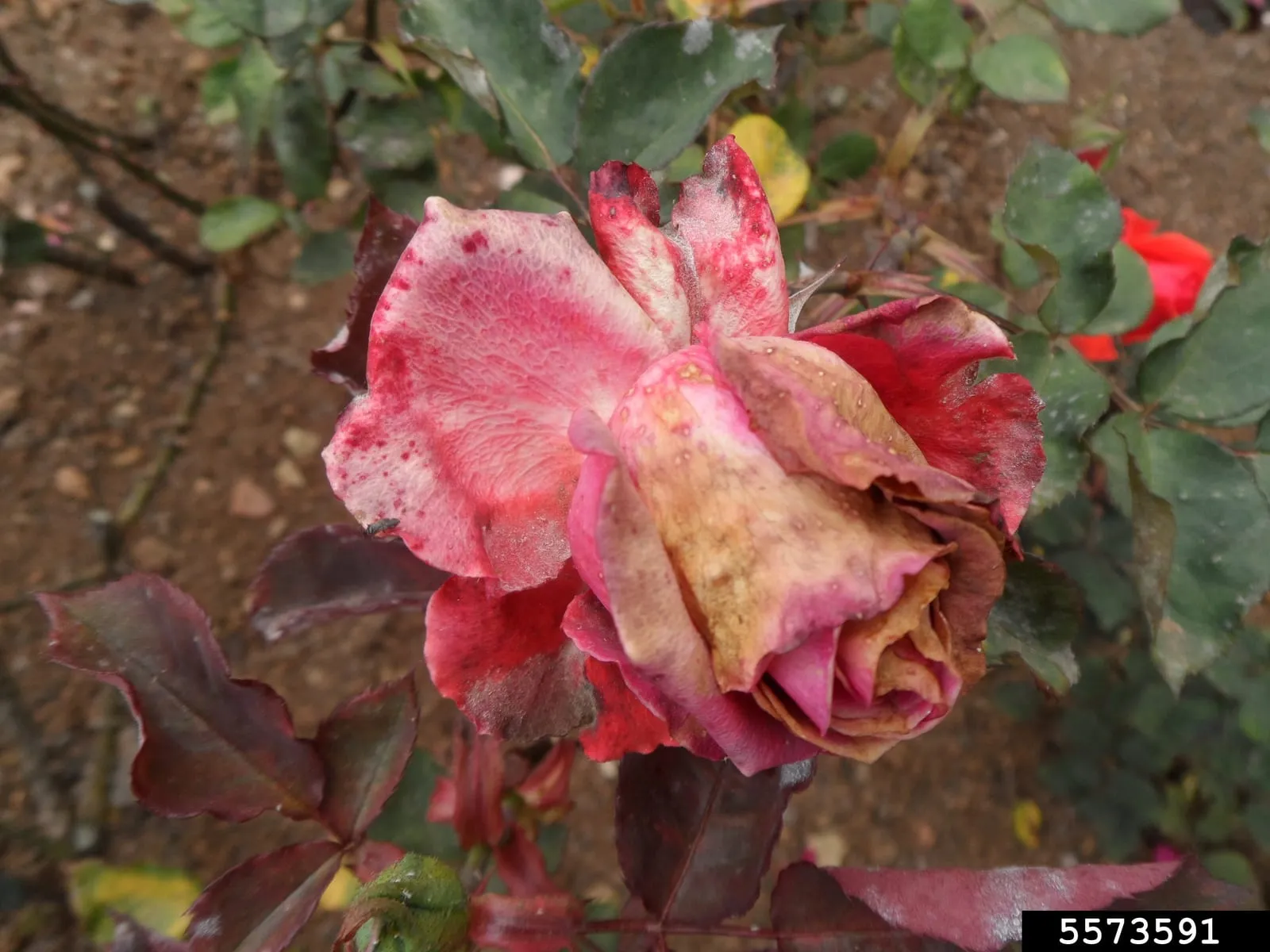
Botrytis cinerea
Ubiquitous fungal disease that causes fruit rot during cool wet weather, often the dominant berry disease in humid regions.
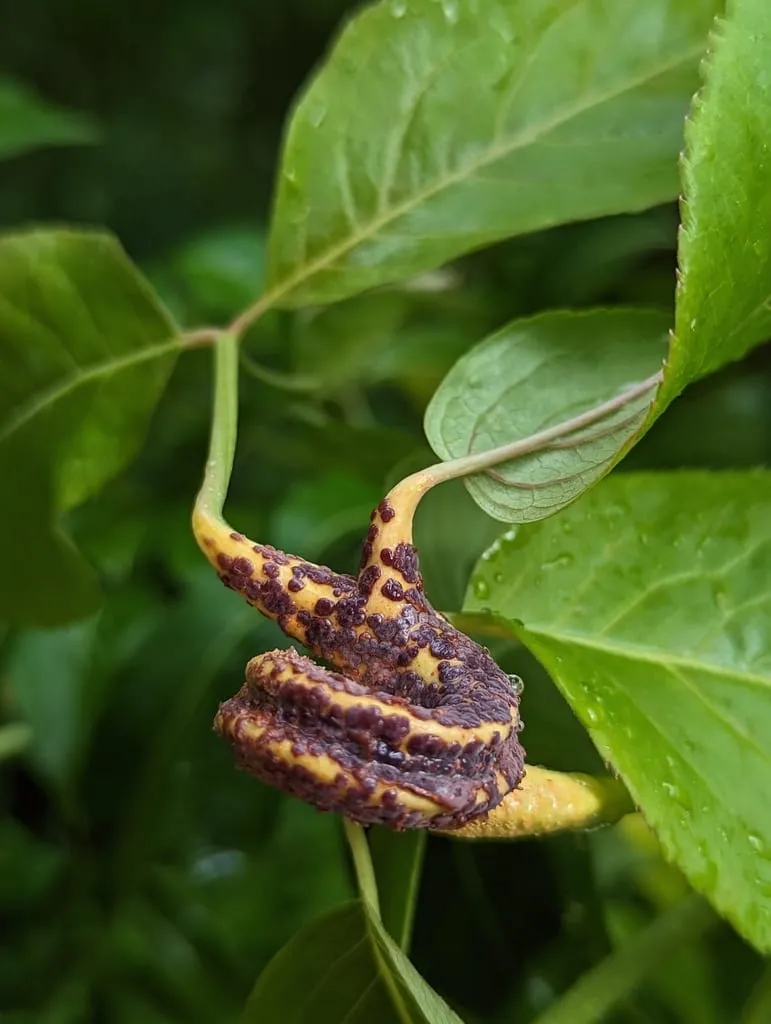
Puccinia sambuci
Two-host rust alternating between elderberry and sedges, causing leaf spots and shoot distortion in spring.
Modified care for zone 4b
The primary zone 4b adjustment is managing cane dieback. Elderberry roots are reliably hardy in this zone, but top growth can sustain tip dieback after severe winters. Plants rarely die outright since elderberry resprouts aggressively from the crown, but significant dieback resets cane development and delays berry production in the following season. A consistent annual pruning program, removing the oldest canes each spring, limits the productivity loss from dieback and keeps fruiting wood young.
Gray Mold (Botrytis) warrants more attention in zone 4b than in warmer zones. Cool, wet springs that extend over the bloom period create favorable conditions for infection at the flower cluster stage. Adequate plant spacing and annual thinning to improve airflow are the most practical management tools. Elderberry Rust is possible but tends to be less problematic than gray mold in zone 4b conditions.
Frequently asked questions
- Is zone 4b cold enough to damage established elderberry plants?
Established elderberry roots survive zone 4b winters (-25 to -20°F) without difficulty. Top growth may experience tip dieback in severe winters, but plants resprout from the crown reliably. Annual pruning manages this and keeps the planting productive.
- Which elderberry varieties perform best in zone 4b?
Adams, York, Bob Gordon, and Wyldewood are all appropriate for zone 4b. Bob Gordon and Wyldewood ripen earlier, which is an advantage in a 130-day season. Adams and York are widely available and have a long track record in cold-climate production.
- How does late spring frost affect elderberry in zone 4b?
Elderberry blooms in late May to early June in zone 4b, which reduces but does not eliminate frost risk. A late frost in mid-May can damage open flower clusters. Site selection on slightly elevated ground or near a south-facing windbreak helps moderate this risk.
+−
+−
+−
Elderberry in adjacent zones
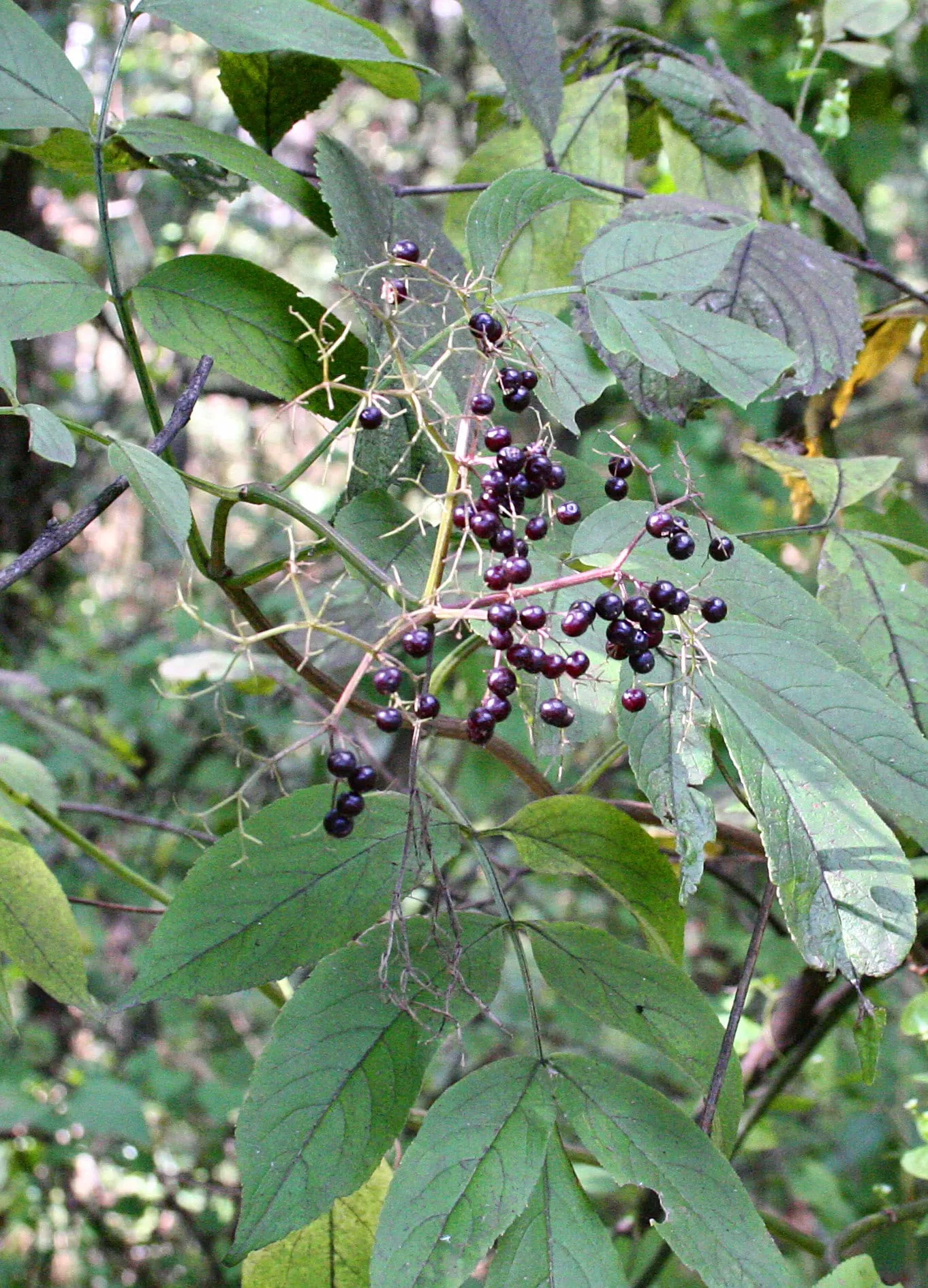
Image: "Sambucus nigra subsp canadensis - Indiana", by Unknown, via Wikimedia Commons, licensed under CC-BY Source.

Related