berry in zone 5a
Growing elderberry in zone 5a
Sambucus canadensis
- Zone
- 5a -20°F to -15°F
- Growing season
- 150 days
- Suitable varieties
- 4
- Days to harvest
- 90 to 120
The verdict
Elderberry is a natural fit for zone 5a, not a marginal case. The species (primarily Sambucus canadensis for American-type selections) is native across temperate North America and performs reliably through the -20 to -15°F winters this zone imposes. Elderberry's chilling requirement typically falls in the range of 800 to 1,000 hours below 45°F, a threshold zone 5a meets comfortably without exceptional winters.
The 150-day growing season provides adequate time for cane development and berry maturation before fall frosts arrive. All four recommended varieties, Adams, York, Bob Gordon, and Wyldewood, were selected with cold-climate performance in mind. Adams and York are long-established American selections known to perform reliably in zones 4 and 5. Bob Gordon and Wyldewood were developed in the Northern Plains specifically for short-season, cold-winter production. For zone 5a growers, elderberry carries less zone-related risk than most tree fruits and many cane fruits.
Recommended varieties for zone 5a
4 cultivars suited to this zone, with disease-resistance and zone-fit annotations.
| Variety | Notes | Zone fit | Disease resistance |
|---|---|---|---|
| Adams fits zone 5a | Tart, complex, deep purple-black; juice, jelly, syrup, wine. Cooked only (raw berries cause mild GI upset). Heavy producer, large clusters, the American home-garden standard. Plant two for cross-pollination. | | none noted |
| York fits zone 5a | Tart, rich, very large dark berries; juice, jelly, wine, syrup. The largest fruit of any American elderberry, excellent processor. Pollinates with Adams. | | none noted |
| Bob Gordon fits zone 5a | Tart, heavily flavored; juice, syrup, wine. Productive Missouri selection with cymes that hang upside-down (deters bird damage). Heavy yields. | | none noted |
| Wyldewood fits zone 5a | Tart, classic elderberry flavor; syrup, juice, wine. University of Missouri release with extra-large cymes and high yields. Self-fertile but better with a partner. | | none noted |
Critical timing for zone 5a
Elderberry blooms late relative to other fruit crops, producing its flat-topped flower clusters in late May to early June in zone 5a. Last frost dates in zone 5a generally fall between mid-April and early May, meaning bloom typically occurs after the period of hard freeze risk has passed. This late phenology is one reason elderberry weathers unpredictable zone 5a springs better than earlier-blooming crops.
Harvest timing varies by variety. Bob Gordon is among the earliest, reaching maturity in late July to early August. Adams and York ripen in mid-to-late August. Wyldewood follows a similar mid-August window. The 150-day growing season is sufficient for all four varieties to reach full maturity before first fall frosts, which typically arrive in late September to early October across zone 5a.
Common challenges in zone 5a
- ▸ Fire blight in pears
- ▸ Cedar-apple rust
- ▸ Late spring frosts
Disease pressure to watch for
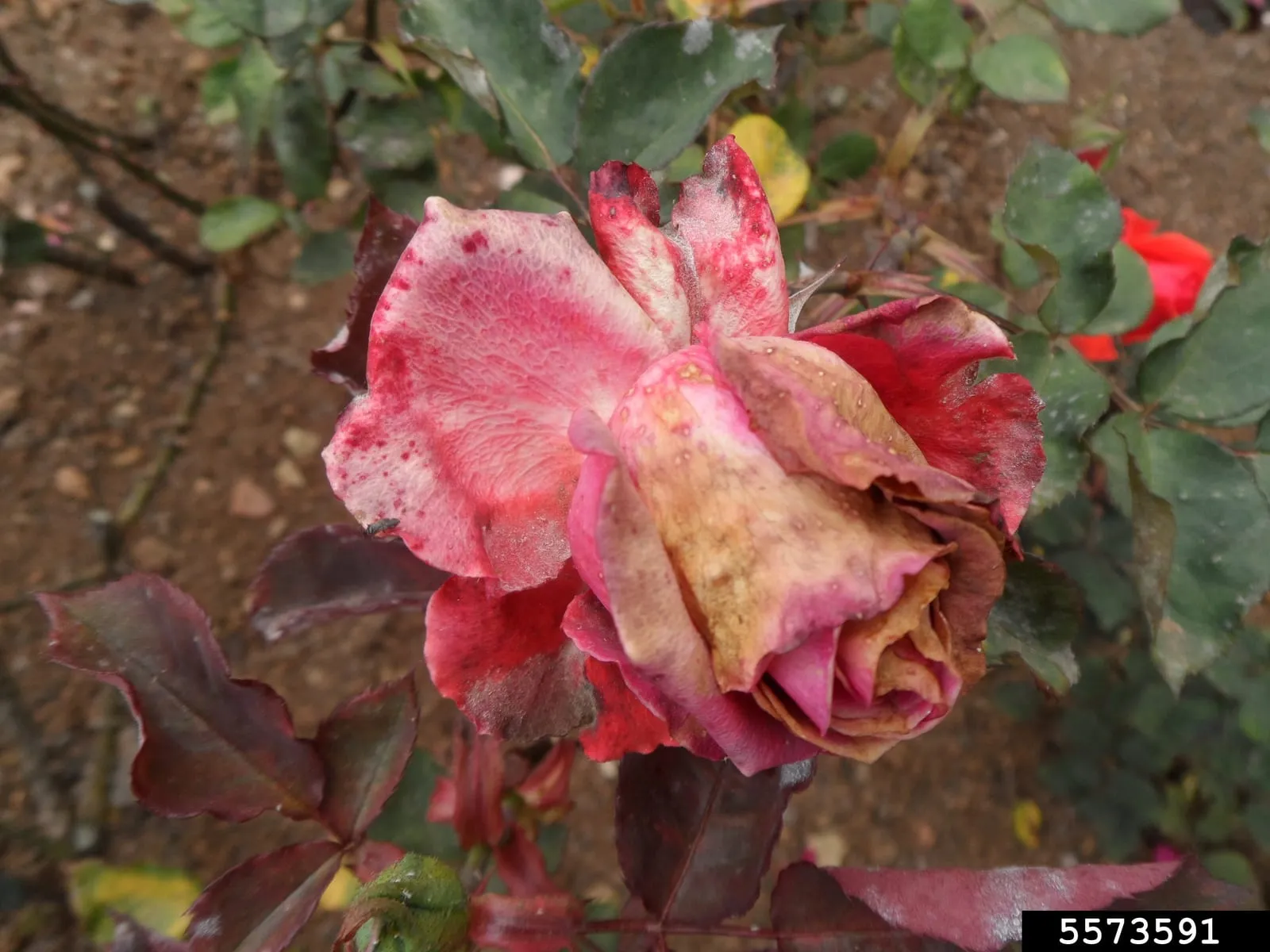
Botrytis cinerea
Ubiquitous fungal disease that causes fruit rot during cool wet weather, often the dominant berry disease in humid regions.
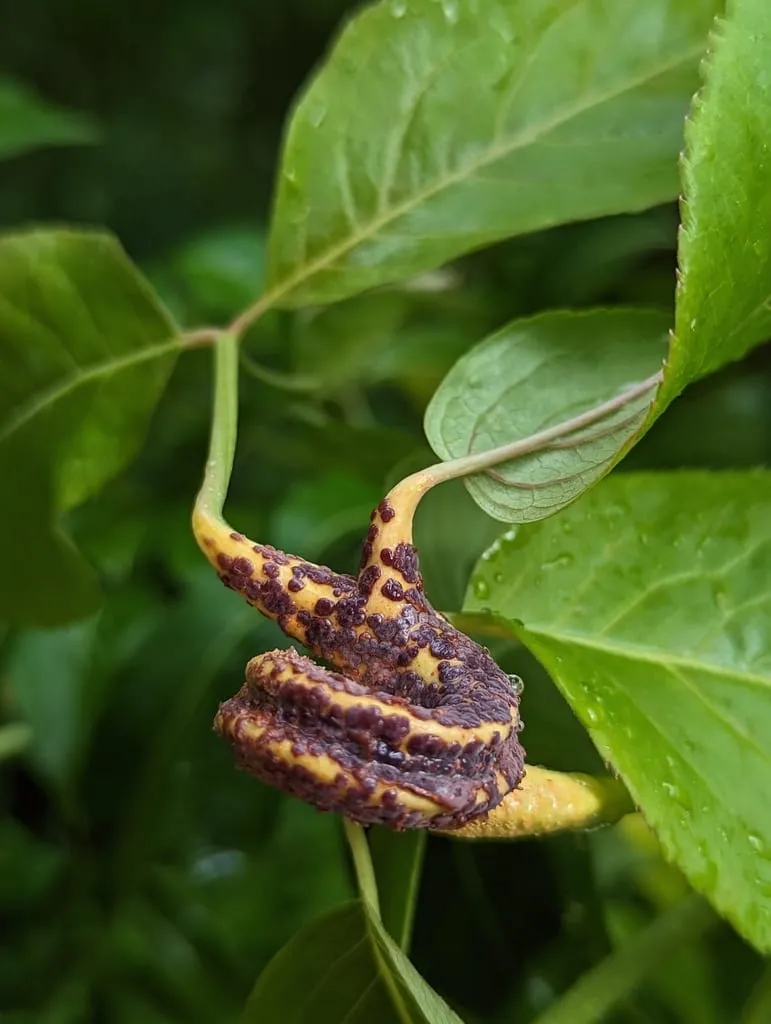
Puccinia sambuci
Two-host rust alternating between elderberry and sedges, causing leaf spots and shoot distortion in spring.
Modified care for zone 5a
Zone 5a winters fall well within elderberry's cold tolerance, so established plantings do not require winter wrapping or mulching for the canes themselves. First-year plantings are the exception: young root systems are more vulnerable to frost heave, and 4 to 6 inches of wood chip or straw mulch over the root zone through the first winter reduces that risk.
Gray Mold (Botrytis cinerea) pressure is elevated in the cool, wet springs common in zone 5a. Annual renewal pruning, removing roughly one-third of the oldest canes each spring, maintains the open canopy structure that limits humidity and slows fungal spread. Elderberry Rust cycles through sedge (Carex spp.) as an alternate host; removing sedge near planting sites reduces spore load where practical. Late spring frosts listed as a zone 5a challenge pose little direct threat to flowers given the late bloom window, but early May cold snaps can scorch new vegetative growth on young or recently cut-back canes.
Elderberry in adjacent zones
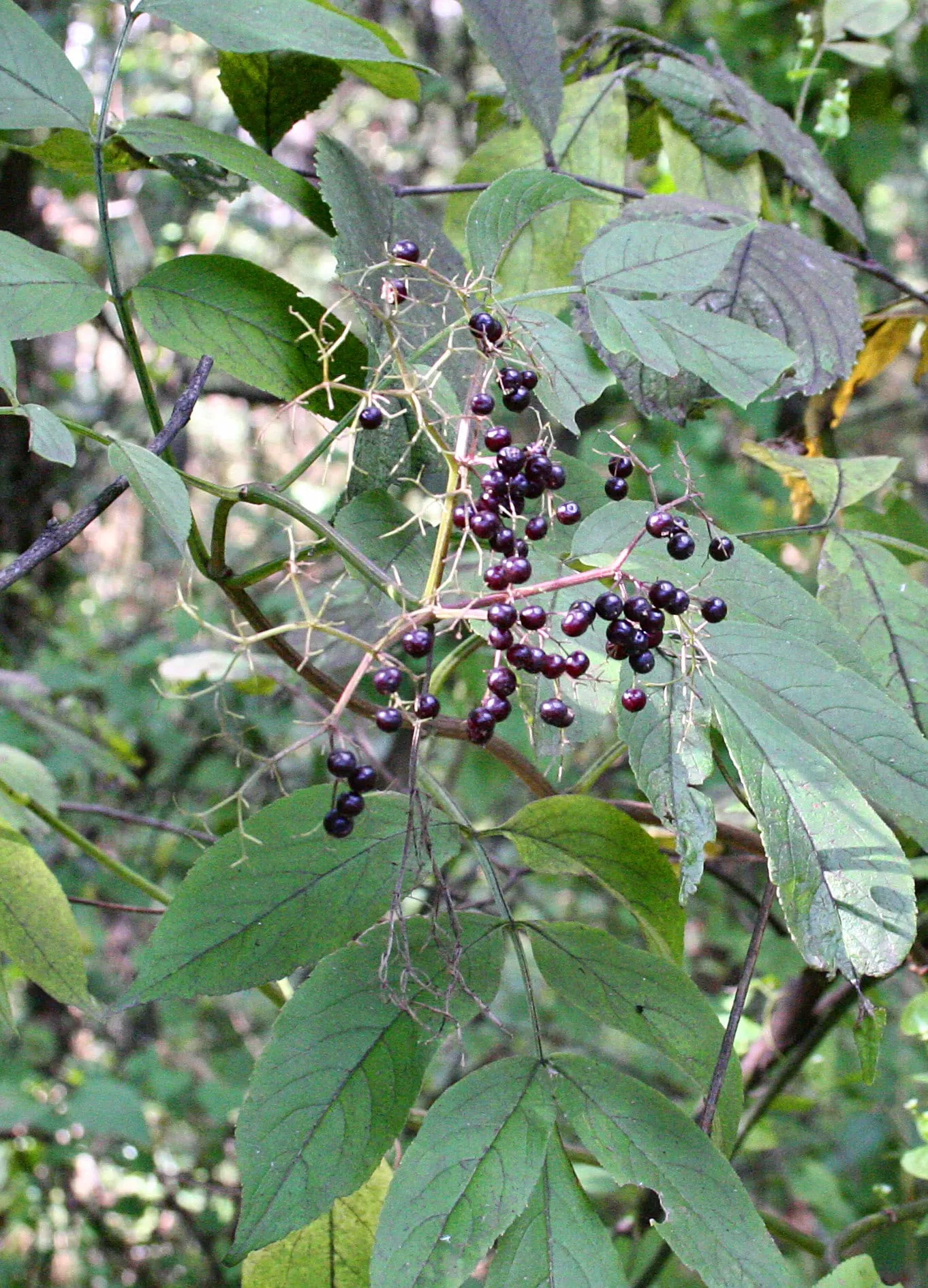
Image: "Sambucus nigra subsp canadensis - Indiana", by Unknown, via Wikimedia Commons, licensed under CC-BY Source.

Related