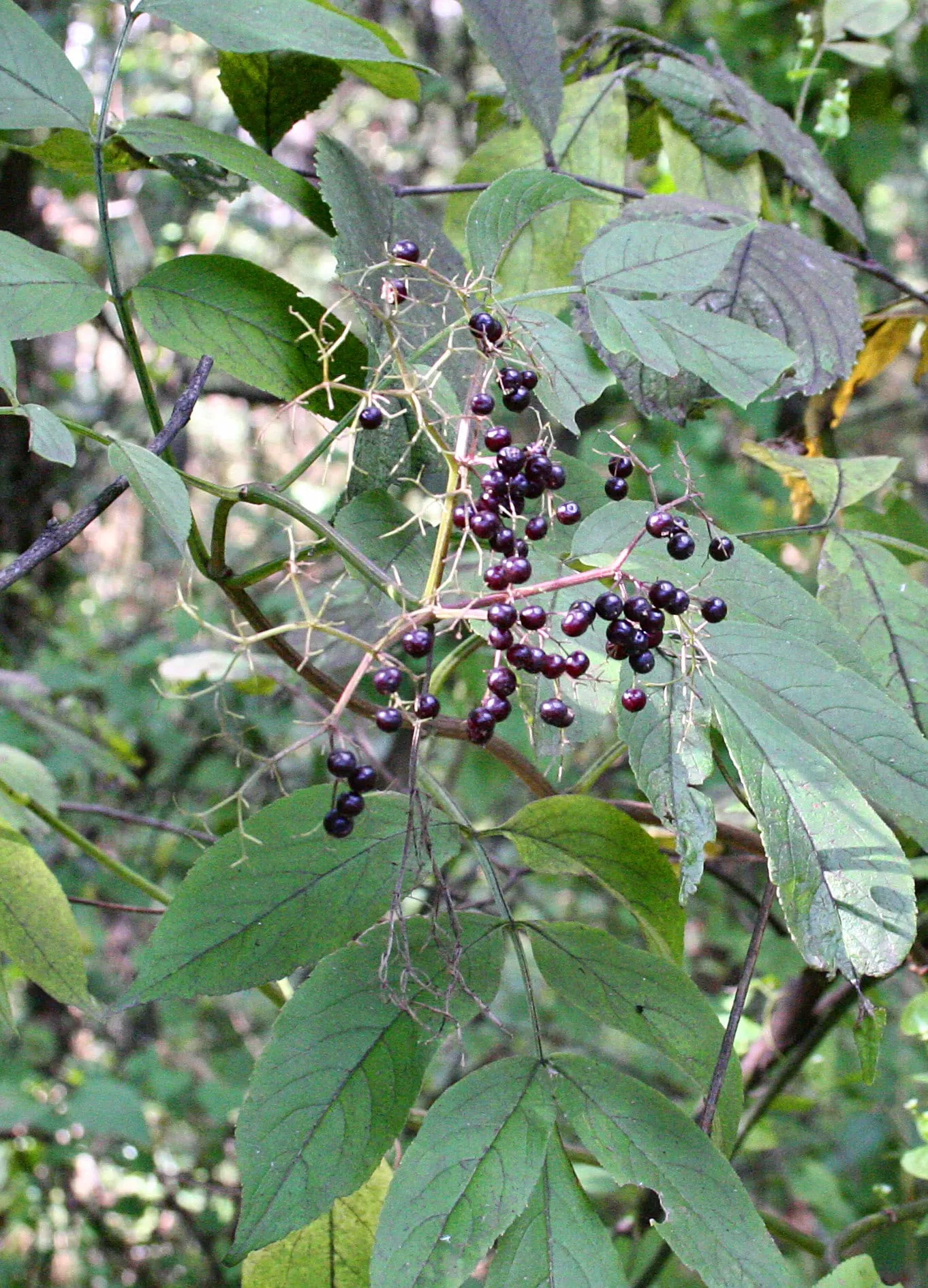
berry in zone 5b
Growing elderberry in zone 5b
Sambucus canadensis
- Zone
- 5b -15°F to -10°F
- Growing season
- 165 days
- Suitable varieties
- 4
- Days to harvest
- 90 to 120
The verdict
American elderberry (Sambucus canadensis) is well-matched to zone 5b. Cold-hardy to zone 3, elderberry treats zone 5b winters as comfortable rather than challenging. The temperature range of -15 to -10°F will not threaten established plants, and all four recommended varieties, Adams, York, Bob Gordon, and Wyldewood, were developed or selected with cold-climate production in mind.
Chill-hour requirements are modest compared to tree fruits. Elderberry generally needs 200 to 500 hours below 45°F, a threshold zone 5b winters clear without difficulty. There is no risk of insufficient chilling pushing bloom timing off or reducing set. The 165-day growing season is adequate to bring fruit to full ripeness before the first fall frost. This is a sweet spot for the crop, not a marginal zone.
Recommended varieties for zone 5b
4 cultivars suited to this zone, with disease-resistance and zone-fit annotations.
| Variety | Notes | Zone fit | Disease resistance |
|---|---|---|---|
| Adams fits zone 5b | Tart, complex, deep purple-black; juice, jelly, syrup, wine. Cooked only (raw berries cause mild GI upset). Heavy producer, large clusters, the American home-garden standard. Plant two for cross-pollination. | | none noted |
| York fits zone 5b | Tart, rich, very large dark berries; juice, jelly, wine, syrup. The largest fruit of any American elderberry, excellent processor. Pollinates with Adams. | | none noted |
| Bob Gordon fits zone 5b | Tart, heavily flavored; juice, syrup, wine. Productive Missouri selection with cymes that hang upside-down (deters bird damage). Heavy yields. | | none noted |
| Wyldewood fits zone 5b | Tart, classic elderberry flavor; syrup, juice, wine. University of Missouri release with extra-large cymes and high yields. Self-fertile but better with a partner. | | none noted |
Critical timing for zone 5b
Elderberry breaks dormancy in April as soils warm, with bloom typically occurring from late May into mid-June in zone 5b. That timing follows the average last frost date by several weeks, so flower clusters are rarely at risk from late cold snaps. The gap between last frost and bloom is one reason elderberry performs reliably here.
Harvest falls in late August through September. York tends to ripen a week or two later than Adams. With the first fall frost arriving around mid to late October in most zone 5b locations, there is a comfortable margin for berries to accumulate sugar and anthocyanin content before the season closes.
Common challenges in zone 5b
- ▸ Plum curculio
- ▸ Codling moth
- ▸ Cedar-apple rust
Disease pressure to watch for
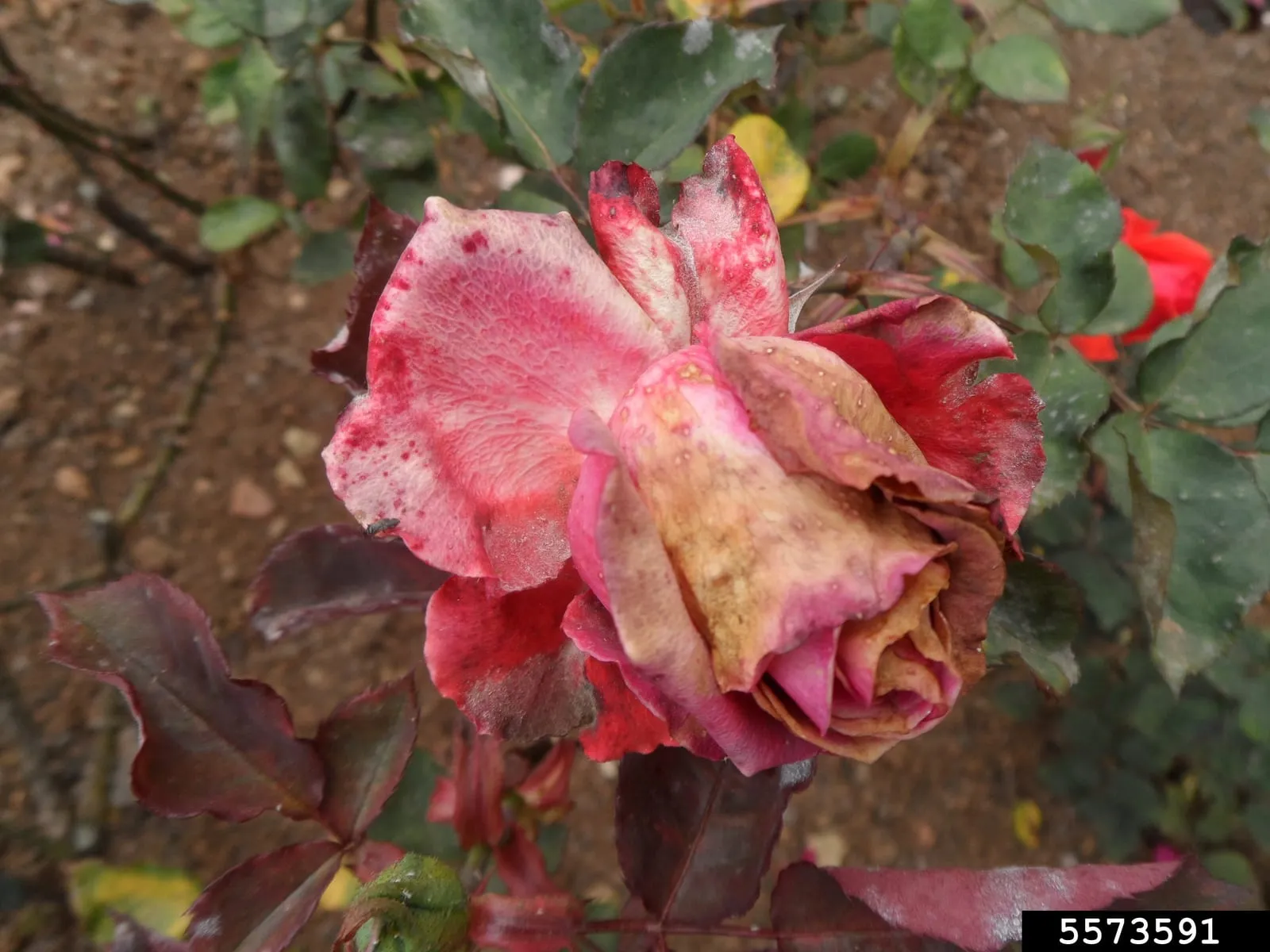
Botrytis cinerea
Ubiquitous fungal disease that causes fruit rot during cool wet weather, often the dominant berry disease in humid regions.
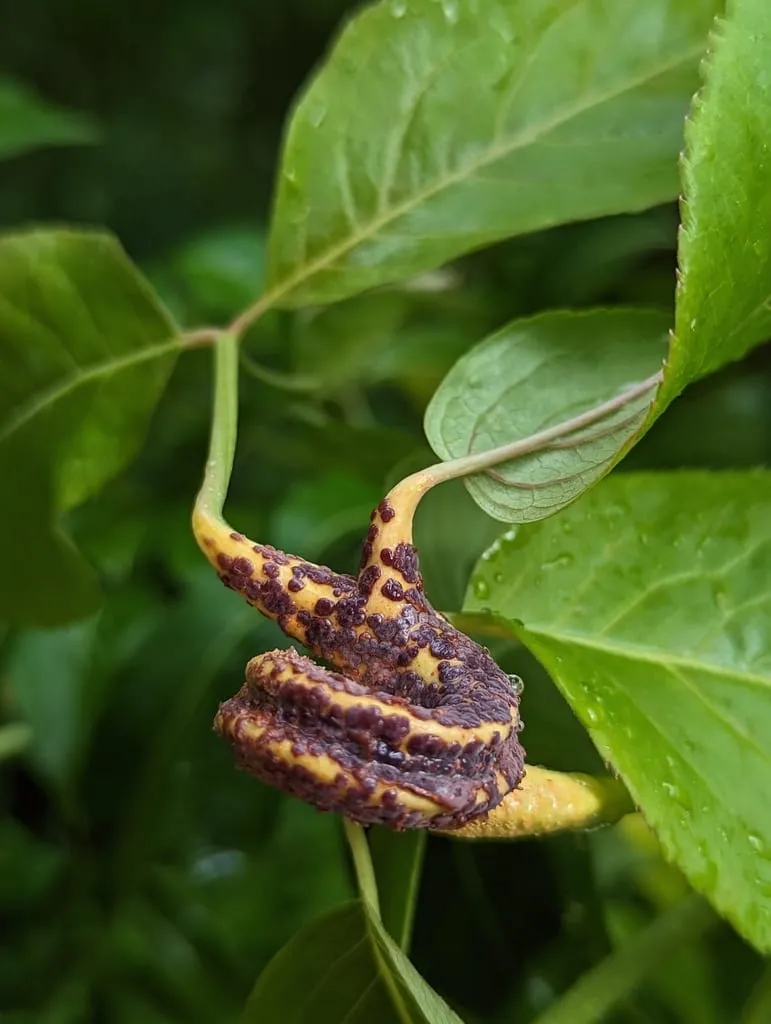
Puccinia sambuci
Two-host rust alternating between elderberry and sedges, causing leaf spots and shoot distortion in spring.
Modified care for zone 5b
Established elderberry requires little winter protection in zone 5b. The main seasonal adjustment is managing canopy moisture during spring. Botrytis (gray mold) is favored by the cool, wet conditions common during bloom; infected flower clusters turn brown and fail to set. Annual renewal pruning, removing canes older than three years each winter, keeps the canopy open and reduces the humid microclimate where Botrytis takes hold.
Elderberry rust appears in wet years as yellow-orange pustules on leaves. It rarely causes serious yield loss, but removing affected tissue limits the spore load for the following season.
Plum curculio and codling moth, while present in zone 5b orchards, are primarily pests of stone fruits and apples. Their impact on elderberry is minimal; standard orchard hygiene such as removing fallen fruit and mowing under plants is sufficient. Disease pressure from gray mold is a more relevant concern for elderberry growers in this zone than insect pressure.
Frequently asked questions
- Is elderberry hardy enough to survive zone 5b winters without protection?
Yes. American elderberry is cold-hardy to zone 3. Established plants handle the -15 to -10°F temperature range of zone 5b without any winter wrapping or mulching for cold protection. New plantings benefit from a light mulch layer in the first winter to moderate soil temperature swings, but this is precautionary rather than essential.
- Do I need two elderberry plants for pollination in zone 5b?
Elderberry produces better yields with cross-pollination. Adams and York are a commonly recommended pairing, and both perform reliably in zone 5b. Plant them within 60 feet of each other to ensure pollinator movement between the two. Bob Gordon and Wyldewood can also serve as cross-pollinators for each other.
- When should I prune elderberry in zone 5b?
Late winter, once the coldest temperatures have passed but before new growth begins, is the standard window. In zone 5b that typically means late February through March. Remove canes older than three years at the base each season; elderberry fruits on one and two-year-old wood, so renewal pruning directly supports yield.
- How do I identify and manage elderberry rust in zone 5b?
Elderberry rust (Puccinia sambuci) appears as yellow-orange powdery pustules on the undersides of leaves, usually during wet summers. It rarely causes significant yield loss. Remove and dispose of heavily infected leaves rather than composting them. Improving air circulation through pruning reduces recurrence in subsequent seasons.
+−
+−
+−
+−
Elderberry in adjacent zones
Image: "Sambucus nigra subsp canadensis - Indiana", by Unknown, via Wikimedia Commons, licensed under CC-BY Source.

Related