berry in zone 6a
Growing elderberry in zone 6a
Sambucus canadensis
- Zone
- 6a -10°F to -5°F
- Growing season
- 180 days
- Suitable varieties
- 4
- Days to harvest
- 90 to 120
The verdict
Elderberry is native across much of eastern North America, and zone 6a sits comfortably within that native range. Unlike apples or stone fruits, elderberry does not have a narrow chill-hour window to satisfy. It accumulates chill hours readily in a zone 6a winter, with minimum temperatures of -10 to -5°F posing no hardship to established plants, which are hardy well into zones 3 and 4. The 180-day growing season is more than sufficient for full fruit development.
This is not a marginal zone for elderberry. Adams and York are classic northeastern selections bred for climates much like zone 6a. Bob Gordon and Wyldewood, developed on the northern Great Plains, are arguably overbuilt for the cold here but perform reliably. Growers in this zone can expect consistent flowering, fruit set, and annual yields without the frost anxiety that defines peach or apricot growing in the same zone.
Recommended varieties for zone 6a
4 cultivars suited to this zone, with disease-resistance and zone-fit annotations.
| Variety | Notes | Zone fit | Disease resistance |
|---|---|---|---|
| Adams fits zone 6a | Tart, complex, deep purple-black; juice, jelly, syrup, wine. Cooked only (raw berries cause mild GI upset). Heavy producer, large clusters, the American home-garden standard. Plant two for cross-pollination. | | none noted |
| York fits zone 6a | Tart, rich, very large dark berries; juice, jelly, wine, syrup. The largest fruit of any American elderberry, excellent processor. Pollinates with Adams. | | none noted |
| Bob Gordon fits zone 6a | Tart, heavily flavored; juice, syrup, wine. Productive Missouri selection with cymes that hang upside-down (deters bird damage). Heavy yields. | | none noted |
| Wyldewood fits zone 6a | Tart, classic elderberry flavor; syrup, juice, wine. University of Missouri release with extra-large cymes and high yields. Self-fertile but better with a partner. | | none noted |
Critical timing for zone 6a
In zone 6a, elderberry leafs out in early to mid-April and produces its flat-topped flower clusters (corymbs) from late May into June, well after the last frost date for most of this zone. This later bloom window is an advantage: the crop largely sidesteps the spring frost damage that affects stone fruits in the same zone.
Fruit ripens from mid-August through September. Adams typically finishes earlier in the window; York and Wyldewood run a bit later. Given that first fall frosts in zone 6a usually arrive in mid-October, there is adequate margin to reach full berry maturity in a normal season. A late summer drought, however, can compress and partially abort the fruit set, so consistent moisture from fruit set through harvest matters.
Common challenges in zone 6a
- ▸ Brown rot in stone fruit
- ▸ Japanese beetles
- ▸ Spring frost damage to peach buds
Disease pressure to watch for
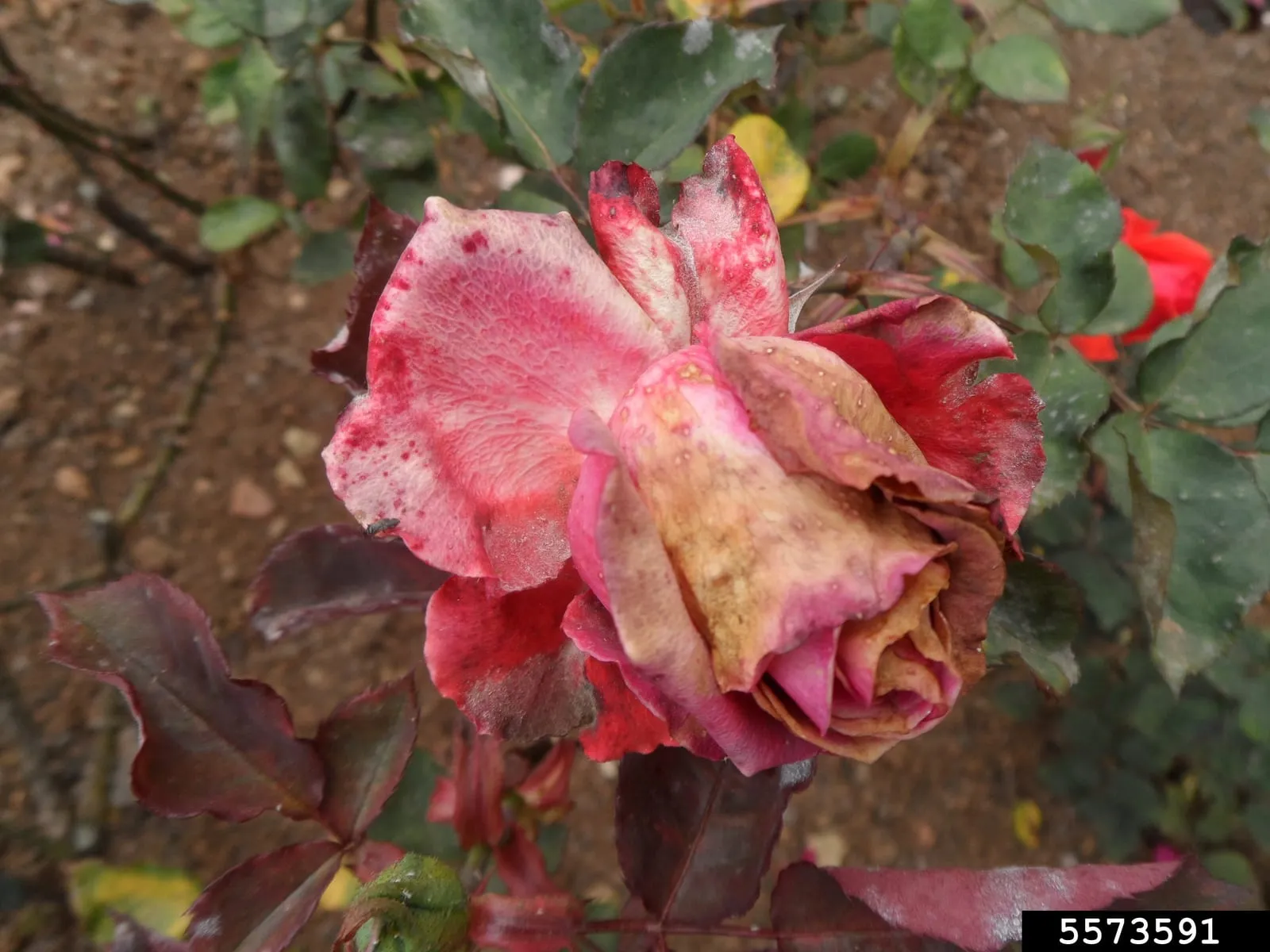
Botrytis cinerea
Ubiquitous fungal disease that causes fruit rot during cool wet weather, often the dominant berry disease in humid regions.
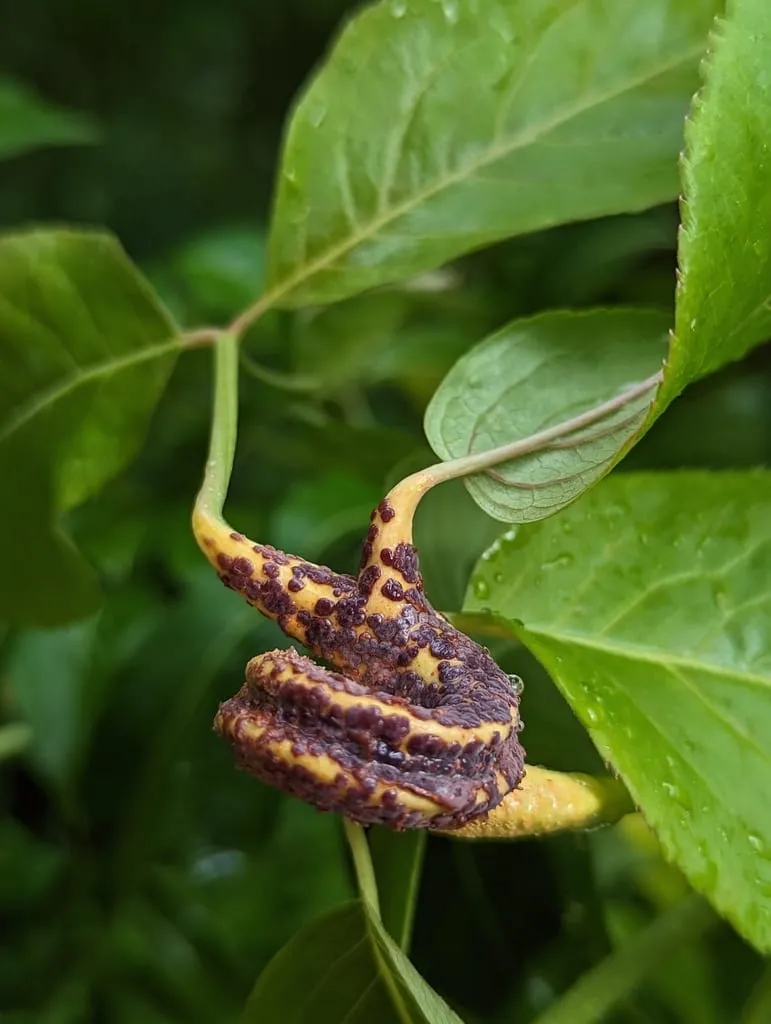
Puccinia sambuci
Two-host rust alternating between elderberry and sedges, causing leaf spots and shoot distortion in spring.
Modified care for zone 6a
Japanese beetles are a genuine pest concern in zone 6a, and elderberry foliage is a preferred host. Peak pressure typically runs 4 to 6 weeks in July. Hand-removal works on small plantings; on larger ones, row cover during peak beetle season or targeted intervention is worth considering. Beetle damage alone rarely kills a plant, but heavy defoliation mid-season can reduce the following year's cane vigor.
Gray Mold (Botrytis) is the more consequential disease risk, especially in wet summers or dense plantings. The primary mitigation is structural: prune to maintain open canopy spacing and remove canes older than three years on a rotating basis. This also maximizes production, since elderberry fruits most heavily on second-year wood. Elderberry Rust may appear on foliage but rarely progresses to yield loss in this zone.
Frequently asked questions
- How cold-hardy is elderberry in zone 6a?
American elderberry (Sambucus canadensis) is hardy to zone 3, so zone 6a winters present no meaningful cold risk to established plants. Even after temperatures near -10°F, the crown and root system survive reliably. Some cane tip dieback may occur after hard snaps, but the plant regrows vigorously the following spring.
- Do elderberries need a pollinator in zone 6a?
Most elderberry varieties set larger, more consistent crops when planted with at least one other variety nearby. Adams and York are a commonly recommended pairing. Single-variety plantings will produce fruit, but yield is often reduced. Plant two or more varieties within 60 feet of each other for best results.
- When should elderberry canes be pruned in zone 6a?
Late winter, while the plant is fully dormant, is the standard timing. Remove canes older than three years at ground level, leaving a mix of first- and second-year wood. Second-year canes carry the heaviest fruit load. Avoid heavy pruning in fall, which can expose cut surfaces to winter injury.
+−
+−
+−
Elderberry in adjacent zones
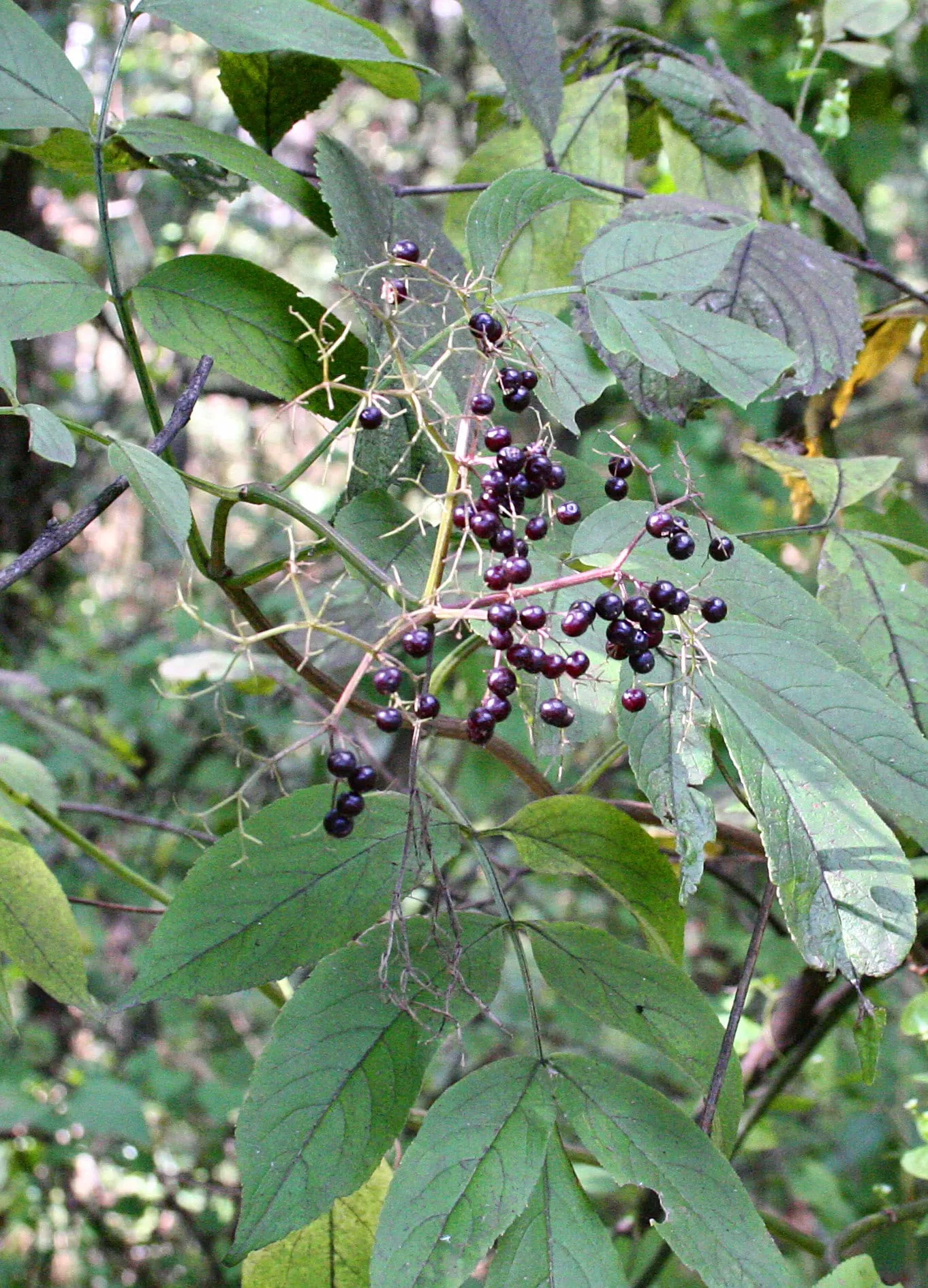
Image: "Sambucus nigra subsp canadensis - Indiana", by Unknown, via Wikimedia Commons, licensed under CC-BY Source.

Related