berry in zone 6b
Growing elderberry in zone 6b
Sambucus canadensis
- Zone
- 6b -5°F to 0°F
- Growing season
- 190 days
- Suitable varieties
- 4
- Days to harvest
- 90 to 120
The verdict
Zone 6b is a reliable, well-matched zone for elderberry, not a marginal one. Sambucus canadensis and its cultivated selections are native across much of eastern North America and tolerate winter minimums well below the -5 to 0°F range that defines zone 6b. Chill-hour accumulation in zone 6b typically runs 1,000 to 1,500 hours, comfortably exceeding the 700 to 900 hours most productive elderberry varieties require. The 190-day growing season is sufficient to carry berries from bloom to full ripeness with time to spare.
The four varieties listed for this zone, Adams, York, Bob Gordon, and Wyldewood, are all proven performers in the zone 6b band. Adams and York are older American selections bred for cold-climate reliability. Bob Gordon and Wyldewood were developed by university programs in the northern Great Plains and perform especially well where summers are warm but not excessively humid. Growers in zone 6b can expect consistent annual yields without the heat stress concerns that arise in zones 8 and above.
Recommended varieties for zone 6b
4 cultivars suited to this zone, with disease-resistance and zone-fit annotations.
| Variety | Notes | Zone fit | Disease resistance |
|---|---|---|---|
| Adams fits zone 6b | Tart, complex, deep purple-black; juice, jelly, syrup, wine. Cooked only (raw berries cause mild GI upset). Heavy producer, large clusters, the American home-garden standard. Plant two for cross-pollination. | | none noted |
| York fits zone 6b | Tart, rich, very large dark berries; juice, jelly, wine, syrup. The largest fruit of any American elderberry, excellent processor. Pollinates with Adams. | | none noted |
| Bob Gordon fits zone 6b | Tart, heavily flavored; juice, syrup, wine. Productive Missouri selection with cymes that hang upside-down (deters bird damage). Heavy yields. | | none noted |
| Wyldewood fits zone 6b | Tart, classic elderberry flavor; syrup, juice, wine. University of Missouri release with extra-large cymes and high yields. Self-fertile but better with a partner. | | none noted |
Critical timing for zone 6b
In zone 6b, elderberry typically blooms in late May to mid-June, after last-frost risk has largely passed. Average last-frost dates for zone 6b fall between mid-April and early May depending on local elevation and proximity to large water bodies, so bloom timing is generally safe from damaging freezes. Late cold snaps in early May can clip the earliest flower clusters, but elderberry's extended bloom window means partial frost damage rarely destroys an entire year's crop.
Harvest falls in August through early September for most zone 6b locations, with York and Adams maturing somewhat earlier than Bob Gordon. The 190-day growing season provides adequate time for berries to develop full sugar content and dark color before first fall frost, which typically arrives in mid- to late October.
Common challenges in zone 6b
- ▸ Cedar-apple rust
- ▸ Fire blight
- ▸ Stink bugs
Disease pressure to watch for
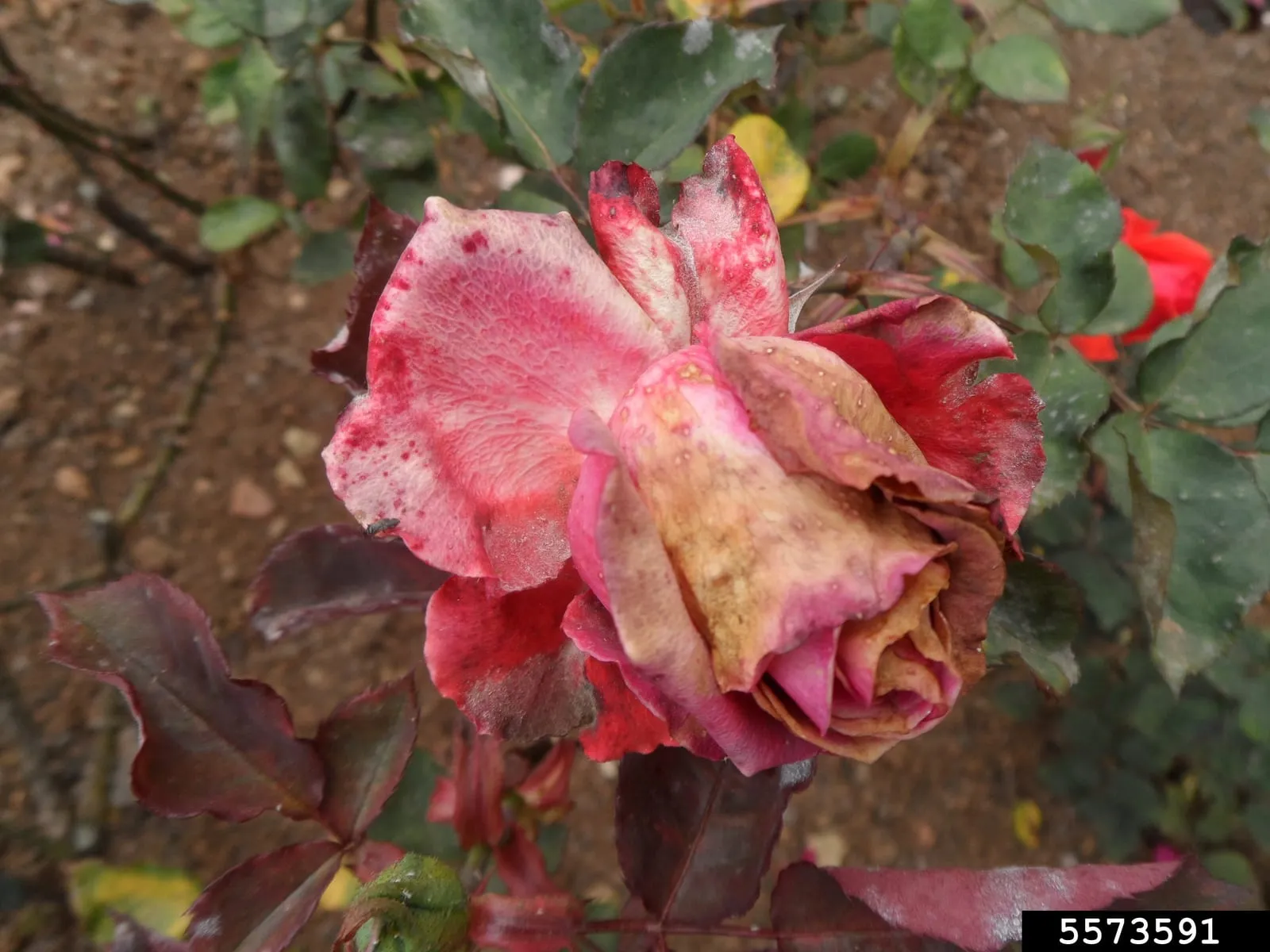
Botrytis cinerea
Ubiquitous fungal disease that causes fruit rot during cool wet weather, often the dominant berry disease in humid regions.
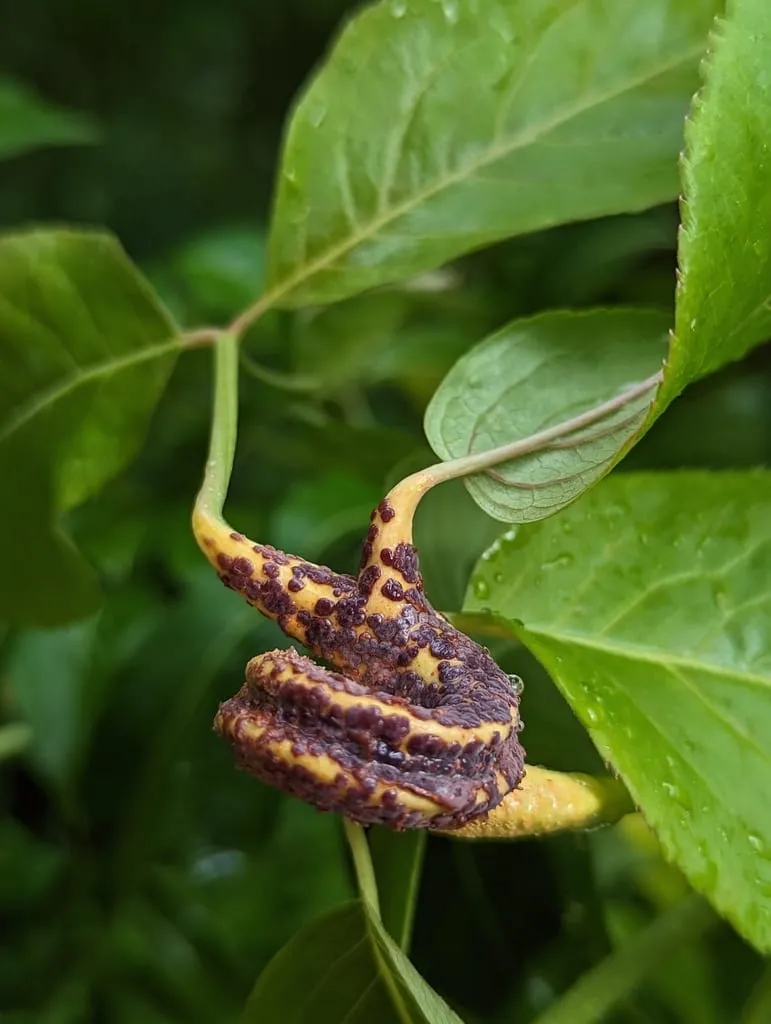
Puccinia sambuci
Two-host rust alternating between elderberry and sedges, causing leaf spots and shoot distortion in spring.
Modified care for zone 6b
Zone 6b does not require winter protection for established elderberry plantings. The canes and root crowns handle zone 6b cold without mulching beyond standard weed suppression. The more pressing management concern is disease pressure during the growing season.
Gray mold (Botrytis) becomes problematic in wet springs when flower clusters hold moisture for extended periods. Spacing canes to allow airflow through the canopy, and avoiding overhead irrigation during bloom, reduces incidence. Elderberry rust can flare in seasons with persistent humidity.
Stink bugs, listed as a zone challenge, are a significant berry pest across the mid-Atlantic and lower Midwest portions of zone 6b. They puncture individual drupelets and cause unmarketable clusters. Row covers during the late berry-fill period offer protection for small plantings; commercial-scale growers in this zone increasingly use perimeter trap crops (sorghum, sunflower) to draw populations away from berry blocks.
Elderberry in adjacent zones
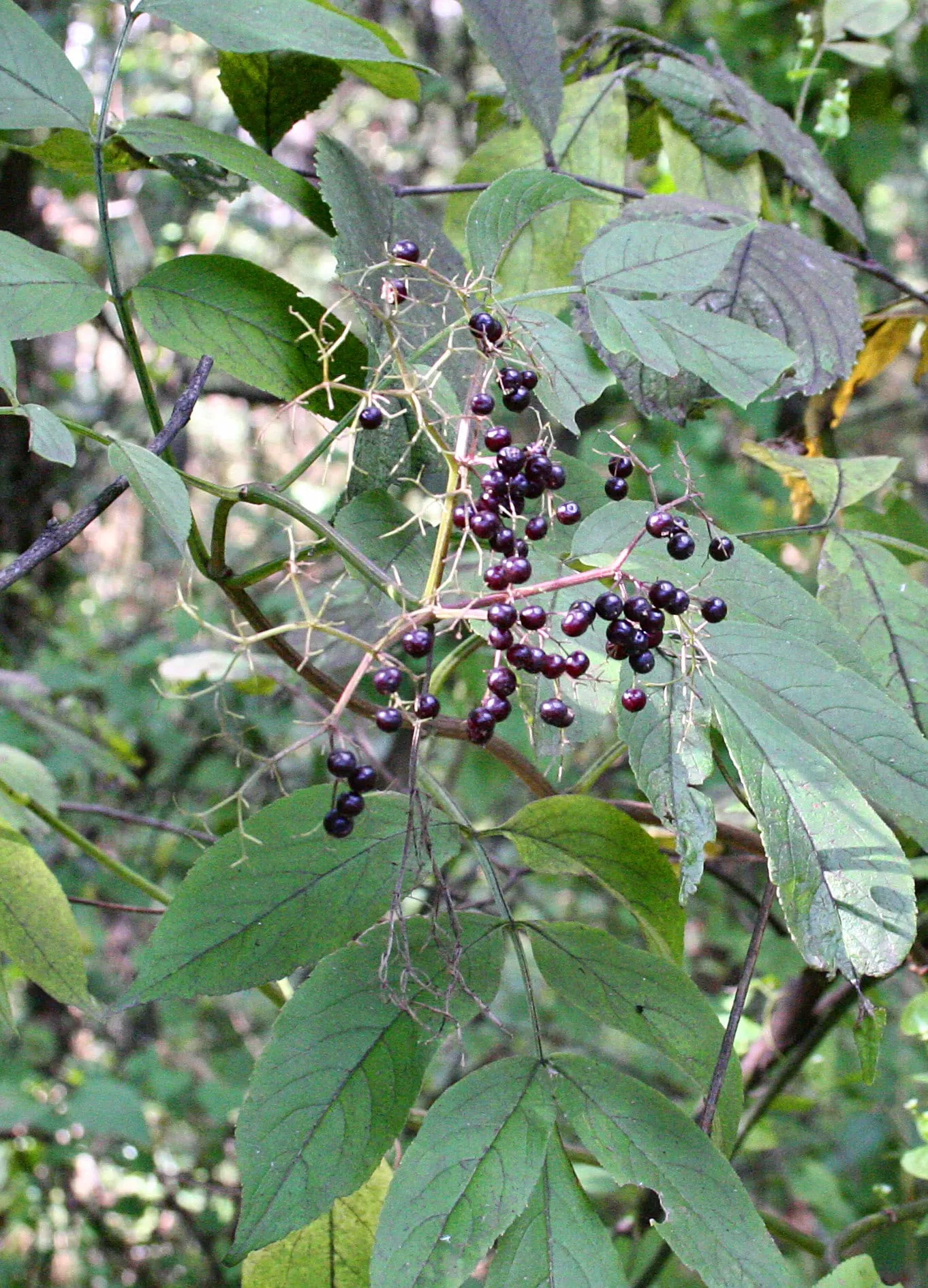
Image: "Sambucus nigra subsp canadensis - Indiana", by Unknown, via Wikimedia Commons, licensed under CC-BY Source.

Related