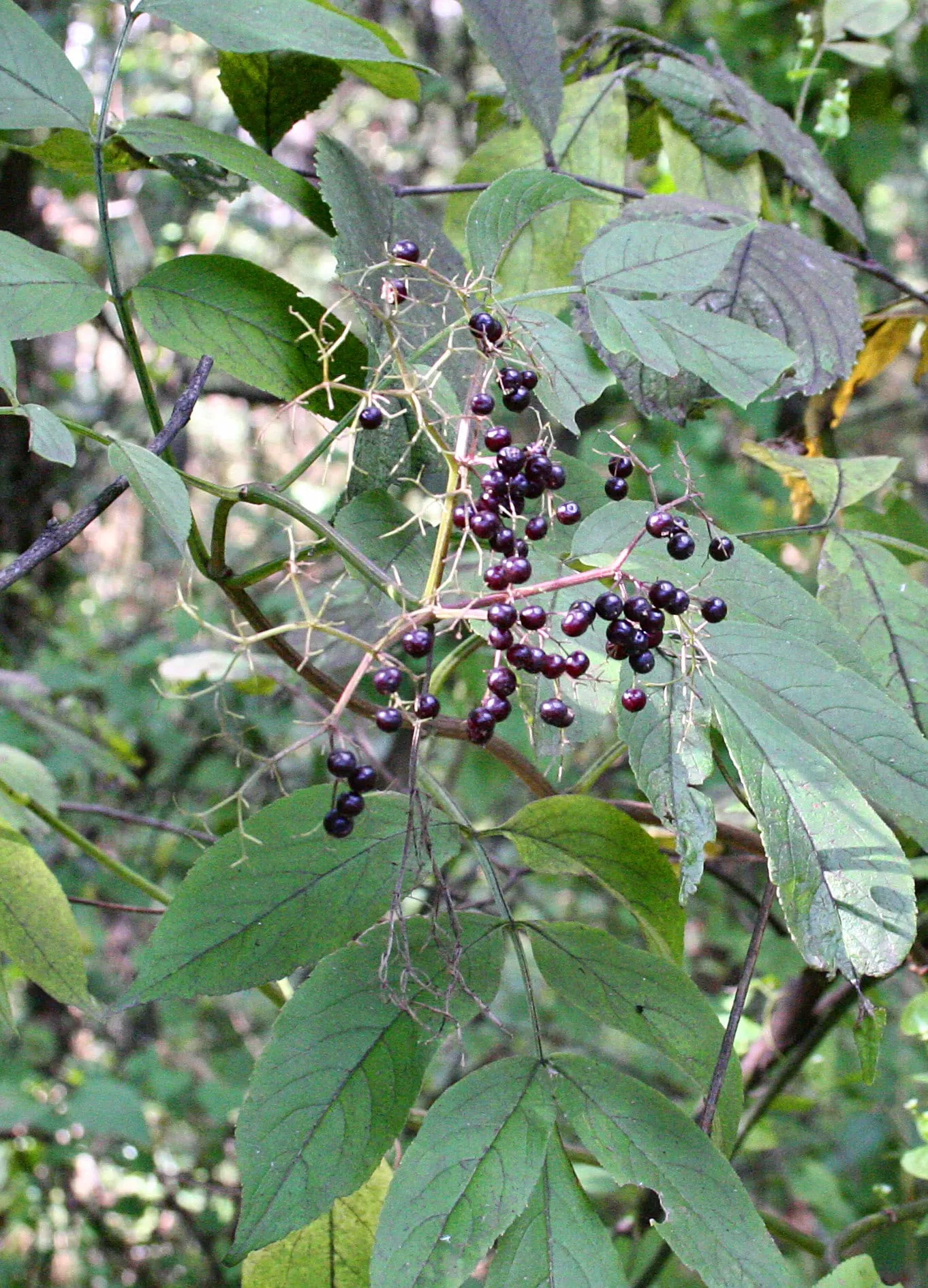
berry in zone 7a
Growing elderberry in zone 7a
Sambucus canadensis
- Zone
- 7a 0°F to 5°F
- Growing season
- 210 days
- Suitable varieties
- 4
- Days to harvest
- 90 to 120
The verdict
Zone 7a is a comfortable fit for elderberry. Minimum winter temperatures of 0 to 5°F present no hardiness challenge for North American elderberry (Sambucus canadensis) or its cultivated selections. Chill-hour requirements for elderberry are modest, generally estimated at 400 to 800 hours below 45°F, which zone 7a meets reliably in most winters. This is not a marginal zone for the crop; it sits well within the productive core of elderberry's native range across the eastern United States.
The 210-day growing season provides ample time for full fruit development and harvest before autumn frost. The more meaningful variable in zone 7a is summer disease pressure, not cold. High humidity combined with warm temperatures creates sustained conditions favorable for Gray Mold and Elderberry Rust. Variety selection and site preparation have as much influence on long-term productivity here as zone compatibility. Adams and York have established track records in zone 7a conditions; Bob Gordon and Wyldewood are worth trialing where reliable productivity at modest scale is the priority.
Recommended varieties for zone 7a
4 cultivars suited to this zone, with disease-resistance and zone-fit annotations.
| Variety | Notes | Zone fit | Disease resistance |
|---|---|---|---|
| Adams fits zone 7a | Tart, complex, deep purple-black; juice, jelly, syrup, wine. Cooked only (raw berries cause mild GI upset). Heavy producer, large clusters, the American home-garden standard. Plant two for cross-pollination. | | none noted |
| York fits zone 7a | Tart, rich, very large dark berries; juice, jelly, wine, syrup. The largest fruit of any American elderberry, excellent processor. Pollinates with Adams. | | none noted |
| Bob Gordon fits zone 7a | Tart, heavily flavored; juice, syrup, wine. Productive Missouri selection with cymes that hang upside-down (deters bird damage). Heavy yields. | | none noted |
| Wyldewood fits zone 7a | Tart, classic elderberry flavor; syrup, juice, wine. University of Missouri release with extra-large cymes and high yields. Self-fertile but better with a partner. | | none noted |
Critical timing for zone 7a
In zone 7a, elderberry bloom typically opens from mid-May through early June, varying by variety and site aspect. The zone's last spring frost generally falls between late March and mid-April, leaving a gap of four to six weeks before bloom. Late cold events in April can damage early-emerging flower clusters, though this is uncommon and elderberry often rebounds from partial frost damage.
Harvest falls in August through early September for most cultivars, well ahead of the first autumn frost (typically mid-October to early November in zone 7a). Growers at the warmer edge of the zone may see both bloom and harvest arrive two to three weeks earlier than those on the cooler end. Clusters do not ripen uniformly; plan to check plantings every two to three days once berries begin to darken.
Common challenges in zone 7a
- ▸ Cedar-apple rust
- ▸ Brown rot
- ▸ Fire blight
- ▸ High humidity disease pressure
Disease pressure to watch for
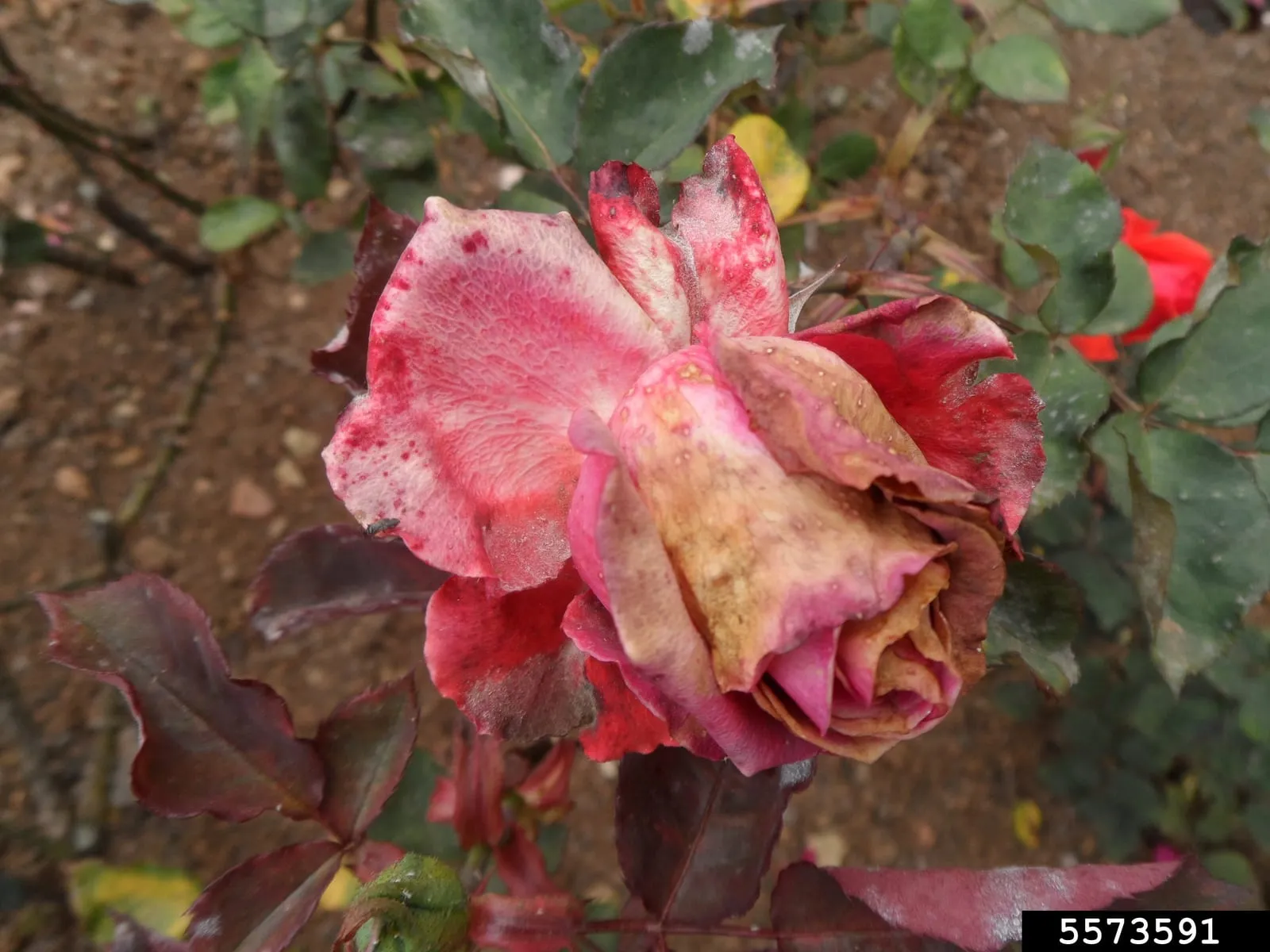
Botrytis cinerea
Ubiquitous fungal disease that causes fruit rot during cool wet weather, often the dominant berry disease in humid regions.
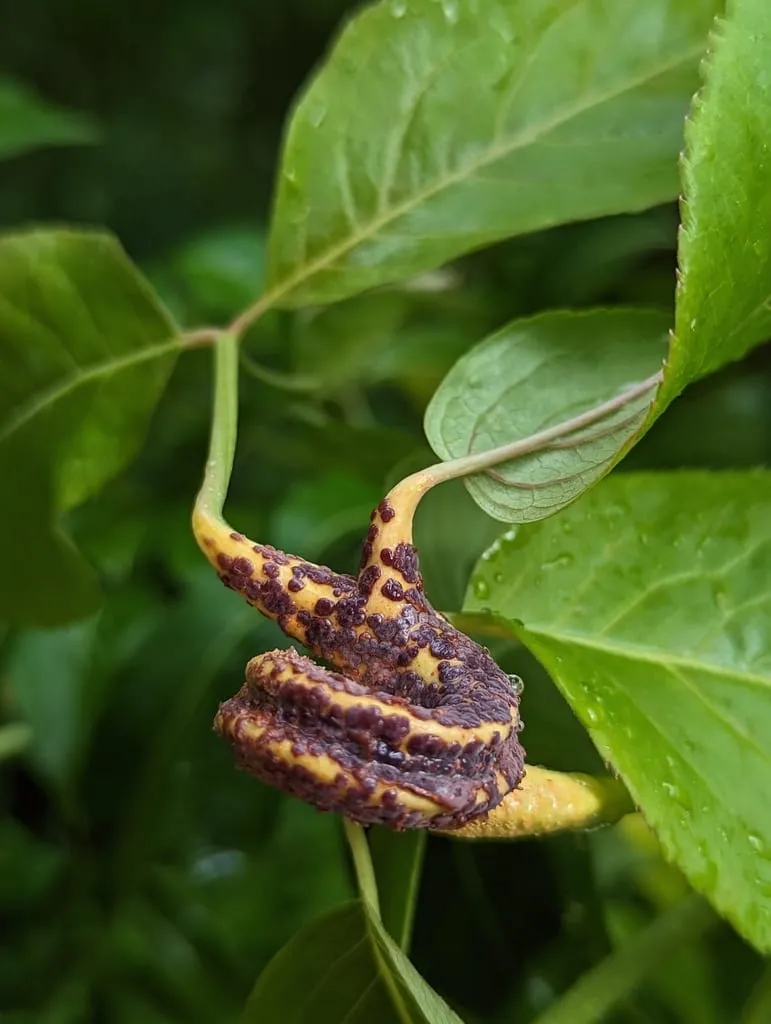
Puccinia sambuci
Two-host rust alternating between elderberry and sedges, causing leaf spots and shoot distortion in spring.
Modified care for zone 7a
The principal care adjustment in zone 7a is disease management. High humidity and sustained summer warmth create persistent pressure from Gray Mold (Botrytis) and Elderberry Rust. Plant spacing of at least 8 to 10 feet between canes is not negotiable in this climate; crowded plantings trap moisture and create conditions where both pathogens establish quickly.
Prune each winter to an open, vase-like structure that allows light and airflow through the canopy. Switch from overhead irrigation to drip or soaker lines, as keeping foliage dry substantially reduces Gray Mold incidence. Mulch around cane bases helps retain soil moisture and suppress weeds but keep it pulled back from the canes to avoid creating a humid microclimate at ground level.
Winter cold protection is unnecessary for established plants in zone 7a. Direct effort instead toward post-harvest sanitation: remove and dispose of spent clusters and any canes showing canker or rust pustules before the following spring.
Frequently asked questions
- Do elderberries need a pollination partner in zone 7a?
Elderberry produces better yields with at least two different varieties planted nearby. Self-fertility varies by cultivar; Adams and York are commonly planted together because they bloom at overlapping times and cross-pollinate effectively. Single-variety plantings will fruit, but berry set is typically reduced.
- How many chill hours does elderberry need, and does zone 7a deliver them?
Elderberry generally requires 400 to 800 hours below 45°F. Zone 7a regularly accumulates 800 to 1,200 chill hours in a typical winter, so the crop is not at risk of insufficient chilling. Years with an unusually warm January can reduce accumulation, but chronic under-chilling is not a documented problem in this zone.
- What are the most common disease problems for elderberry in zone 7a?
Gray Mold (Botrytis) and Elderberry Rust are the primary concerns. Both are favored by the high humidity common across much of zone 7a's range. Good airflow through open pruning, drip irrigation, and prompt removal of affected tissue are the main management tools.
- When should elderberry be pruned in zone 7a?
Late winter, just before new growth begins, is the standard window. In zone 7a that typically means February through early March. Remove canes older than three years at the base; elderberry fruits most productively on two- and three-year-old wood. Delay pruning if a hard freeze below 10°F is forecast in the near term.
+−
+−
+−
+−
Elderberry in adjacent zones
Image: "Sambucus nigra subsp canadensis - Indiana", by Unknown, via Wikimedia Commons, licensed under CC-BY Source.

Related