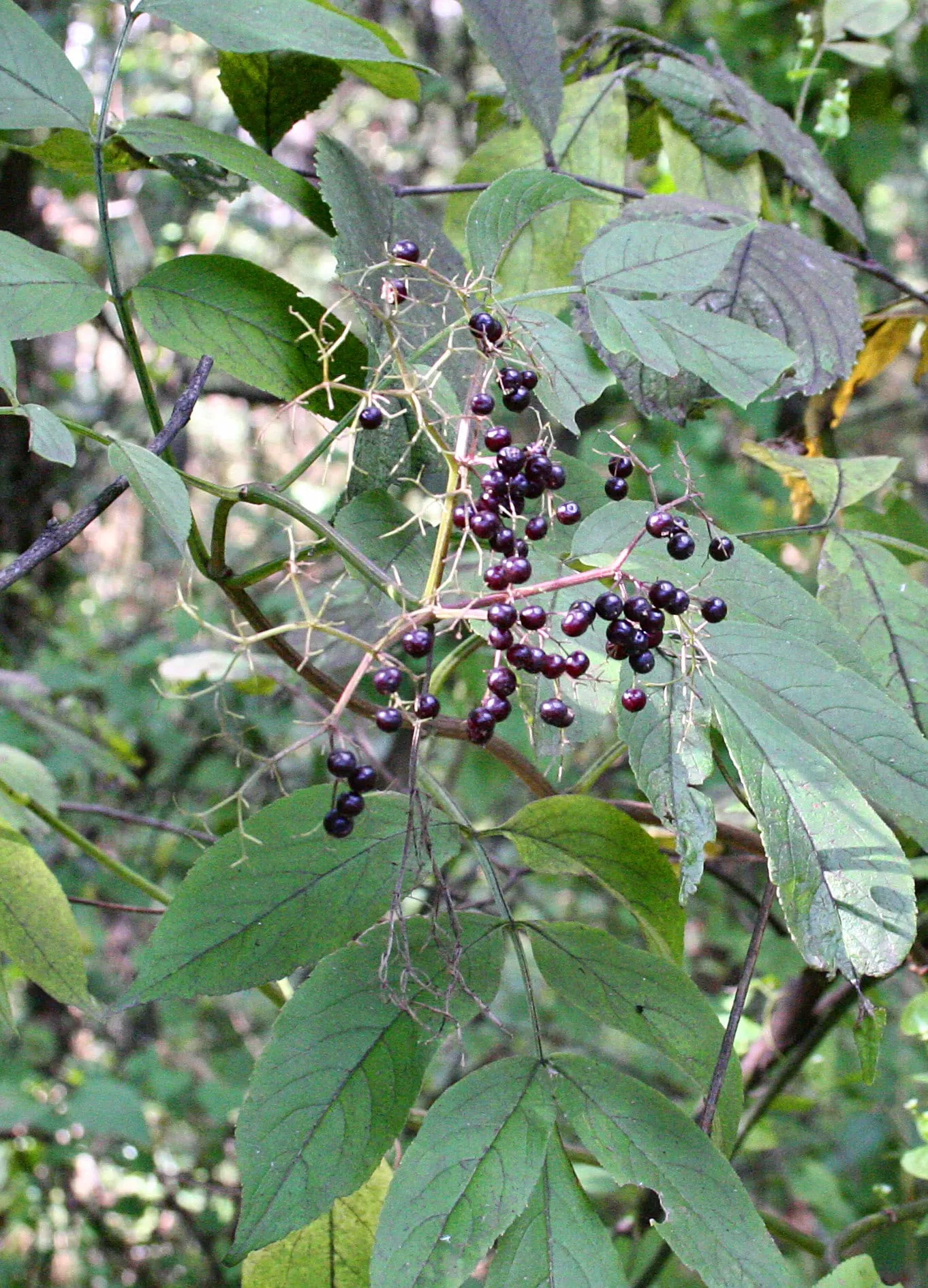
berry in zone 4a
Growing elderberry in zone 4a
Sambucus canadensis
- Zone
- 4a -30°F to -25°F
- Growing season
- 120 days
- Suitable varieties
- 4
- Days to harvest
- 90 to 120
The verdict
Zone 4a sits well within elderberry's documented cold-hardiness range. Native Sambucus canadensis grows across zones 3 through 9, and the cultivars best suited to short-season northern regions, Adams, York, Bob Gordon, and Wyldewood, were developed specifically with cold climates in mind. Chill-hour accumulation is not a limiting factor here. Zone 4a winters reliably deliver well above the 800 to 1,000 hours below 45°F that elderberries benefit from for full dormancy and productive fruiting. The 120-day growing season is sufficient for fruit development on established plants. The real concern in zone 4a is not winter cold but late spring frosts. Final frost dates in zone 4a often fall between mid-May and early June depending on elevation and local topography, and bloom clusters that emerge ahead of that window can take damage. With variety selection and thoughtful siting, elderberry is a reliable, low-fuss crop in zone 4a, well into the sweet spot rather than the edge of its range.
Recommended varieties for zone 4a
4 cultivars suited to this zone, with disease-resistance and zone-fit annotations.
| Variety | Notes | Zone fit | Disease resistance |
|---|---|---|---|
| Adams fits zone 4a | Tart, complex, deep purple-black; juice, jelly, syrup, wine. Cooked only (raw berries cause mild GI upset). Heavy producer, large clusters, the American home-garden standard. Plant two for cross-pollination. | | none noted |
| York fits zone 4a | Tart, rich, very large dark berries; juice, jelly, wine, syrup. The largest fruit of any American elderberry, excellent processor. Pollinates with Adams. | | none noted |
| Bob Gordon fits zone 4a | Tart, heavily flavored; juice, syrup, wine. Productive Missouri selection with cymes that hang upside-down (deters bird damage). Heavy yields. | | none noted |
| Wyldewood fits zone 4a | Tart, classic elderberry flavor; syrup, juice, wine. University of Missouri release with extra-large cymes and high yields. Self-fertile but better with a partner. | | none noted |
Critical timing for zone 4a
In zone 4a, elderberry typically leafs out in late April to early May, with bloom clusters opening from late May through June depending on cultivar and site. The last frost date in zone 4a commonly falls between May 10 and early June in many northern locations, so early-blooming plants on exposed sites face real risk. Harvest follows roughly 60 to 70 days after full bloom, placing ripe berry clusters in August through early September. With a 120-day growing season the timing works, but it is not generous. A late bloom combined with an early September frost can compress the harvest window significantly. Growers in frost pockets or low-lying areas should monitor bloom stage in May and keep row covers on hand for nights when temperatures threaten to drop below 28°F.
Common challenges in zone 4a
- ▸ Late frosts damage early bloomers
- ▸ Limited peach varieties
Disease pressure to watch for
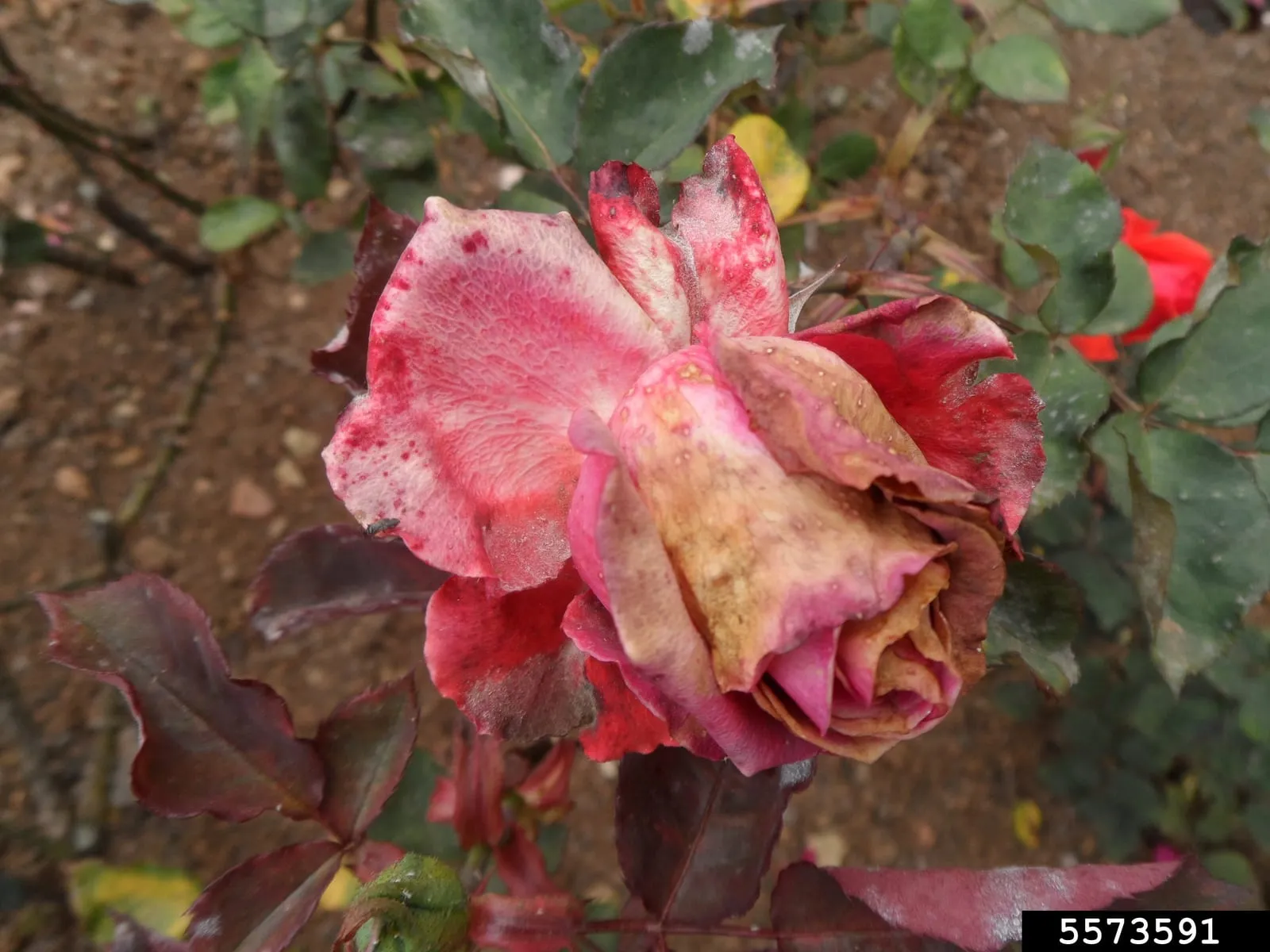
Botrytis cinerea
Ubiquitous fungal disease that causes fruit rot during cool wet weather, often the dominant berry disease in humid regions.
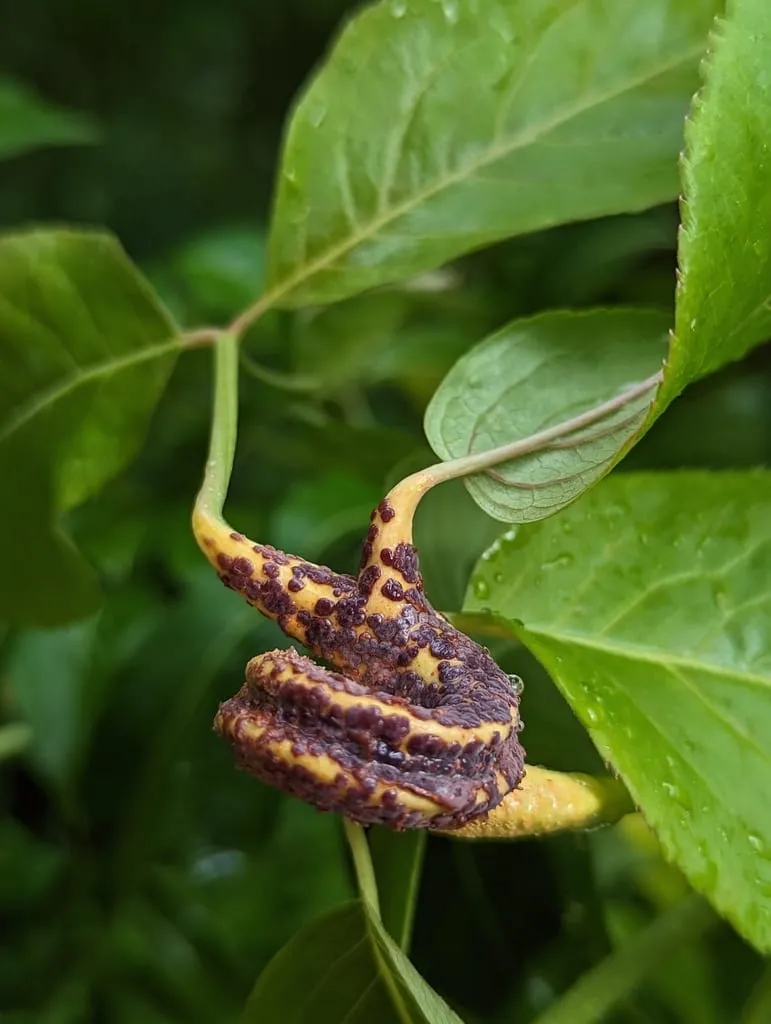
Puccinia sambuci
Two-host rust alternating between elderberry and sedges, causing leaf spots and shoot distortion in spring.
Modified care for zone 4a
The primary adjustment for zone 4a is managing spring frost exposure around bloom. Positioning plants on a gentle slope or near a windbreak allows cold air to drain away from the planting rather than settle around flower clusters. Established elderberries of the four recommended varieties rarely need winter protection given their documented hardiness, but first-year transplants benefit from 4 to 6 inches of wood chip mulch over the root zone to moderate freeze-thaw cycles during establishment.
Gray Mold (Botrytis) warrants attention in zone 4a's typically cool, wet springs. The fungus thrives when humidity stays high around dense flower clusters. Annual cane thinning, reducing each plant to 3 to 5 of the strongest canes, improves air circulation and cuts Botrytis pressure without meaningfully reducing yield. Elderberry Rust tends to flare in wet summers; removing visibly infected leaves during the season reduces spore load for the following year, and no fungicide application is generally warranted for home-scale plantings.
Frequently asked questions
- Is zone 4a cold enough to damage elderberry plants?
Established elderberry cultivars recommended for zone 4a, including Adams, York, Bob Gordon, and Wyldewood, are hardy to around -30°F, which matches the zone's minimum temperature range. The cold is not the threat; late spring frosts during bloom are the more likely problem.
- How long does it take elderberry to produce fruit after planting in zone 4a?
Most elderberry plants produce a light crop in their second year and full yields by year three. The 120-day growing season in zone 4a is sufficient for fruit to ripen on established plants, typically in August through early September.
- Do I need more than one elderberry plant for fruit production in zone 4a?
Elderberries produce better with cross-pollination. Planting at least two different cultivars within 60 feet of each other, such as Adams paired with York or Bob Gordon with Wyldewood, consistently improves fruit set and cluster size.
+−
+−
+−
Elderberry in adjacent zones
Image: "Sambucus nigra subsp canadensis - Indiana", by Unknown, via Wikimedia Commons, licensed under CC-BY Source.

Related