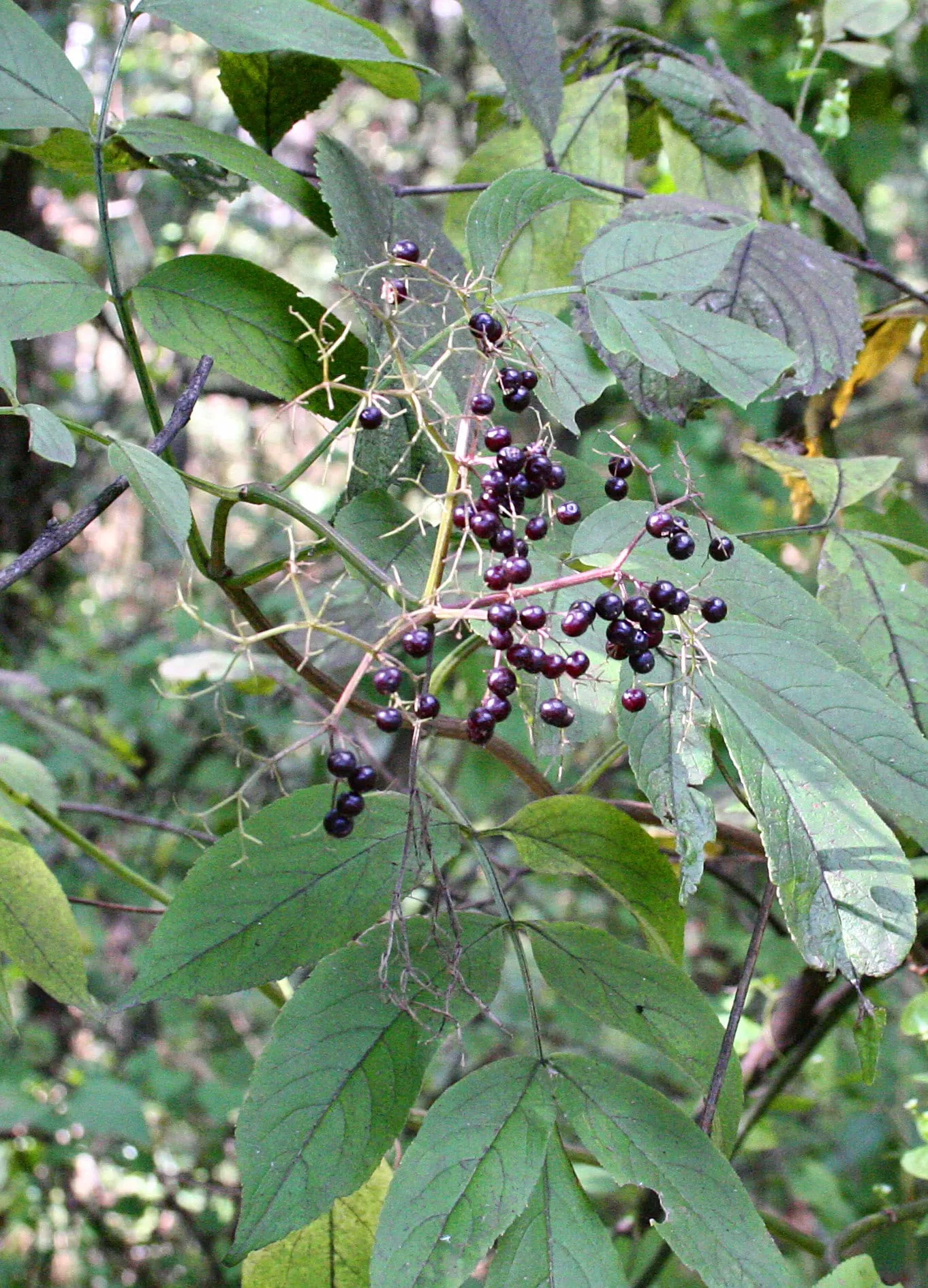
berry in zone 3b
Growing elderberry in zone 3b
Sambucus canadensis
- Zone
- 3b -35°F to -30°F
- Growing season
- 100 days
- Suitable varieties
- 2
- Days to harvest
- 90 to 120
The verdict
Elderberry is a strong performer in zone 3b, not a marginal one. Native American elderberry (Sambucus canadensis) evolved across cold northern latitudes and tolerates the -35 to -30°F winter lows characteristic of this zone without significant dieback when established. Adams and York, both bred with cold climates in mind, are the go-to selections here and reliably fruit within zone 3b's 100-day growing season.
Chill-hour requirements for elderberry are modest, typically in the 200 to 400 hour range depending on the selection. Zone 3b winters accumulate chill hours far in excess of that threshold, so dormancy breaks cleanly and predictably each spring. The practical concern is not cold tolerance but the short frost-free window: elderberry needs adequate warmth to ripen berries before first fall frost, and in marginal sites this can be tight.
Recommended varieties for zone 3b
2 cultivars suited to this zone, with disease-resistance and zone-fit annotations.
| Variety | Notes | Zone fit | Disease resistance |
|---|---|---|---|
| Adams fits zone 3b | Tart, complex, deep purple-black; juice, jelly, syrup, wine. Cooked only (raw berries cause mild GI upset). Heavy producer, large clusters, the American home-garden standard. Plant two for cross-pollination. | | none noted |
| York fits zone 3b | Tart, rich, very large dark berries; juice, jelly, wine, syrup. The largest fruit of any American elderberry, excellent processor. Pollinates with Adams. | | none noted |
Critical timing for zone 3b
Bloom in zone 3b typically falls in late June to early July, well after the last hard frost (which averages mid-May across much of the zone). This late bloom timing works in elderberry's favor: the flat-topped flower clusters appear after most frost risk has passed, reducing the chance of blossom kill.
Berry clusters ripen roughly 60 to 70 days after full bloom, putting harvest in late August through mid-September for Adams and York. That harvest window sits uncomfortably close to the first fall frosts, which can arrive in late September or even earlier at elevation and in frost pockets. Site selection and variety choice both affect whether the crop gets fully ripe before the season closes.
Common challenges in zone 3b
- ▸ Short season
- ▸ Winter desiccation
- ▸ Site selection critical for fruit trees
Disease pressure to watch for
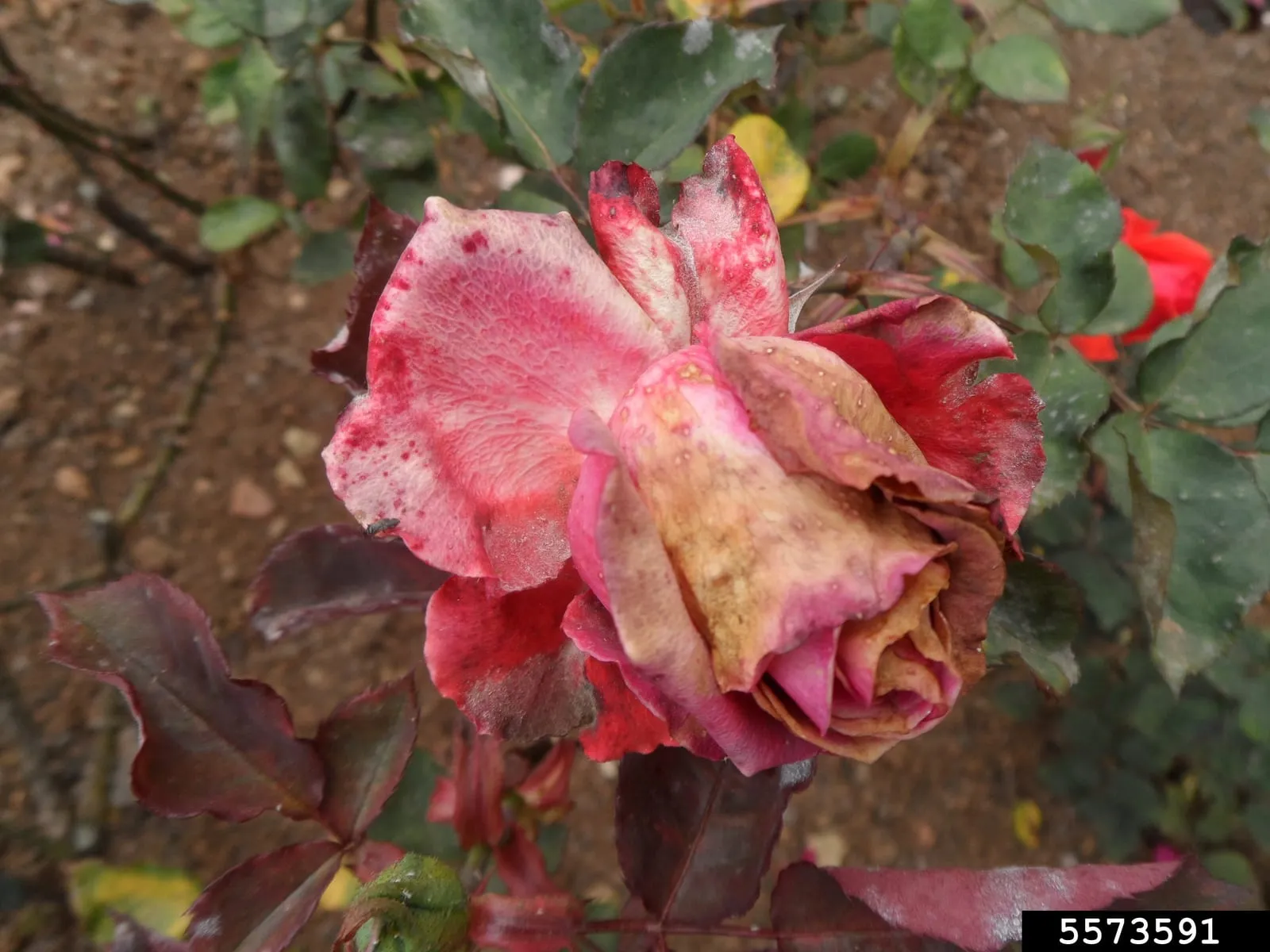
Botrytis cinerea
Ubiquitous fungal disease that causes fruit rot during cool wet weather, often the dominant berry disease in humid regions.
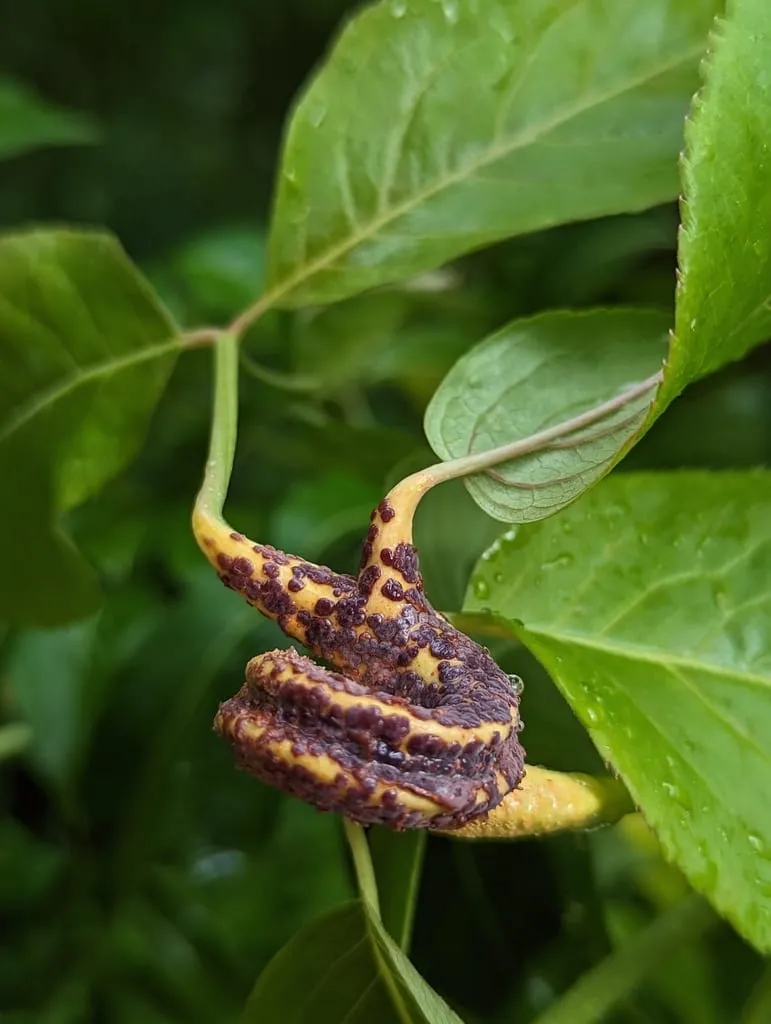
Puccinia sambuci
Two-host rust alternating between elderberry and sedges, causing leaf spots and shoot distortion in spring.
Modified care for zone 3b
The main adaptation in zone 3b is site selection. A south- or east-facing slope with good air drainage gives elderberry more accumulated heat units than a low-lying frost pocket, which can shorten the effective season by two weeks or more. Windbreaks on the northwest exposure reduce winter desiccation, a real concern when cold dry winds pull moisture from canes that cannot draw from frozen soil.
Gray mold (Botrytis) pressure rises in cool, wet springs common to zone 3b. Keeping canes thinned to improve airflow through the canopy is the primary management lever; fungicide use is rarely warranted in a home or small-scale planting if structure is maintained. Elderberry rust, while present, tends to be a minor issue in most zone 3b plantings and does not warrant routine preventive treatment.
Frequently asked questions
- Are Adams and York elderberries reliably winter-hardy in zone 3b?
Yes. Both Adams and York tolerate the -35 to -30°F lows of zone 3b. They may experience minor tip dieback in severe winters, but established plants regenerate quickly from the crown and typically fruit on schedule the following season.
- Will elderberries ripen in time before fall frost in zone 3b?
Usually, but site matters. A warm, well-drained location with good sun exposure gives the 60 to 70 day post-bloom ripening window needed to mature fruit before first frost. Low-lying frost pockets can make timing marginal, particularly in years with a cool June.
- How serious is Botrytis gray mold on elderberry in cold zones?
Gray mold is most problematic during cool, wet flower and fruit set periods. The best control is structural: thin canes each spring to reduce humidity inside the canopy. Chemical intervention is rarely needed unless the planting is dense and poorly circulated.
+−
+−
+−
Elderberry in adjacent zones
Image: "Sambucus nigra subsp canadensis - Indiana", by Unknown, via Wikimedia Commons, licensed under CC-BY Source.

Related