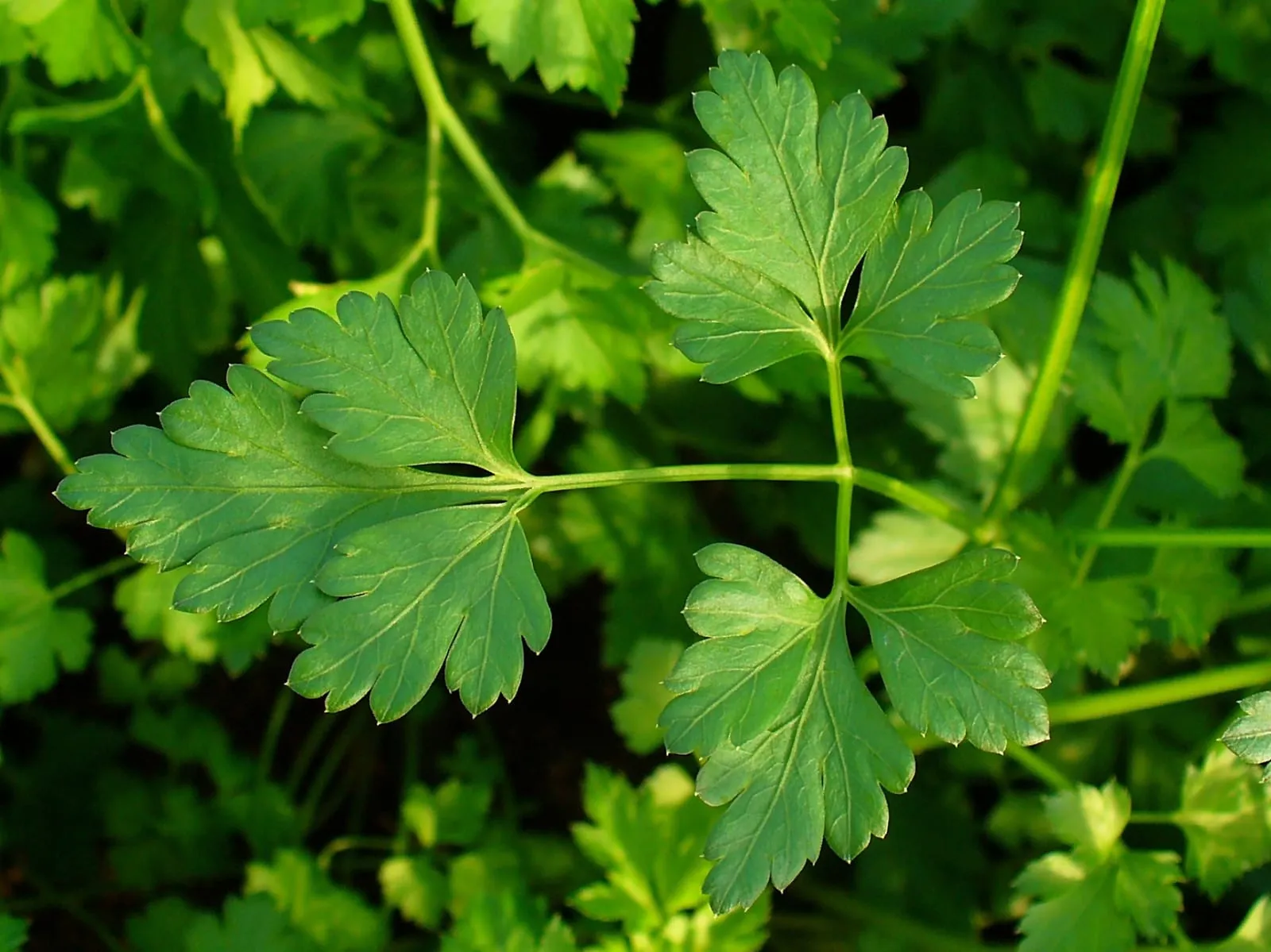
herb in zone 9a
Growing parsley in zone 9a
Petroselinum crispum
- Zone
- 9a 20°F to 25°F
- Growing season
- 290 days
- Suitable varieties
- 0
- Days to harvest
- 70 to 90
The verdict
Parsley thrives in zone 9a as a cool-season crop, grown primarily from fall through early spring when temperatures hold in the 50 to 70°F range where it performs best. Unlike fruit trees, parsley carries no chill-hour requirement, so zone 9a's mild winters are an asset rather than a limitation. The 290-day growing season means parsley can establish fully before summer heat arrives and, in mild winters, continue producing through February or March without interruption.
The real challenge in zone 9a is the opposite of chill: summer temperatures routinely push well above 85°F, causing parsley to bolt and turn bitter within weeks of warm weather arriving. This makes zone 9a a strong environment for fall and winter parsley production but a poor one for year-round harvest without active management. Gardeners in warmer inland microclimates of zone 9a will see bolting arrive earlier than those in coastal or shaded locations.
Critical timing for zone 9a
The primary planting window in zone 9a runs from September through November for a fall and winter harvest. Seed sown in September will germinate in two to three weeks and produce harvestable leaves by November or December. A second window opens in late January or February, though this planting runs a shorter season before heat triggers bolting, typically by April or May in inland areas.
Parsley is a biennial; it blooms in its second year if allowed to overwinter. In zone 9a, second-year plants begin sending up flower stalks in late winter or very early spring, often February in warmer years. Leaf quality drops sharply once bolting starts. Most growers in zone 9a treat parsley as a cool-season annual and pull plants before they flower rather than carrying them through a second cycle.
Common challenges in zone 9a
- ▸ Limited stone fruit options due to insufficient chill
- ▸ Hurricane and tropical storm exposure
- ▸ Citrus disease pressure
Modified care for zone 9a
The primary adjustment in zone 9a is timing plantings to avoid summer entirely. Transplanting or direct sowing in September gives parsley a long, cool runway without heat stress. For growers who want to extend the season into late spring, 30 to 40% shade cloth can delay bolting by several weeks by reducing leaf-level temperatures during warm spells.
Consistent irrigation matters more in zone 9a than in cooler, wetter regions; moisture stress accelerates bolting and toughens leaves. Mulching around plants helps retain soil moisture and moderates root-zone temperature as spring warms.
Parsley grown near citrus in zone 9a may attract citrus swallowtail caterpillars, which can defoliate young plants quickly. Inspect plants regularly from late winter onward. Fungal disease pressure is generally low in dry-summer climates with good air circulation; zone 9a's lower ambient humidity reduces downy mildew risk compared to humid subtropical growing regions.
Frequently asked questions
- Can parsley survive summer in zone 9a?
Parsley struggles in zone 9a summers. Heat above 85°F triggers bolting, after which leaf quality declines rapidly. The practical approach is to treat parsley as a fall-to-spring annual and replant each September rather than attempting to carry plants through summer.
- When should parsley be planted in zone 9a?
September through November is the primary planting window, allowing establishment during cool weather and harvest from November through March or April. A late-winter planting in January or February is possible but yields a shorter harvest window before spring heat arrives.
- Does parsley need winter protection in zone 9a?
Generally no. Zone 9a minimum temperatures of 20 to 25°F are cold enough to damage unprotected parsley during hard freezes, but such freezes are brief and infrequent. A light frost cloth during predicted cold nights below 28°F is sufficient protection for established plants.
+−
+−
+−
Parsley in adjacent zones
Image: "Petroselinum crispum 003", by H. Zell, via Wikimedia Commons, licensed under CC-BY Source.

Related