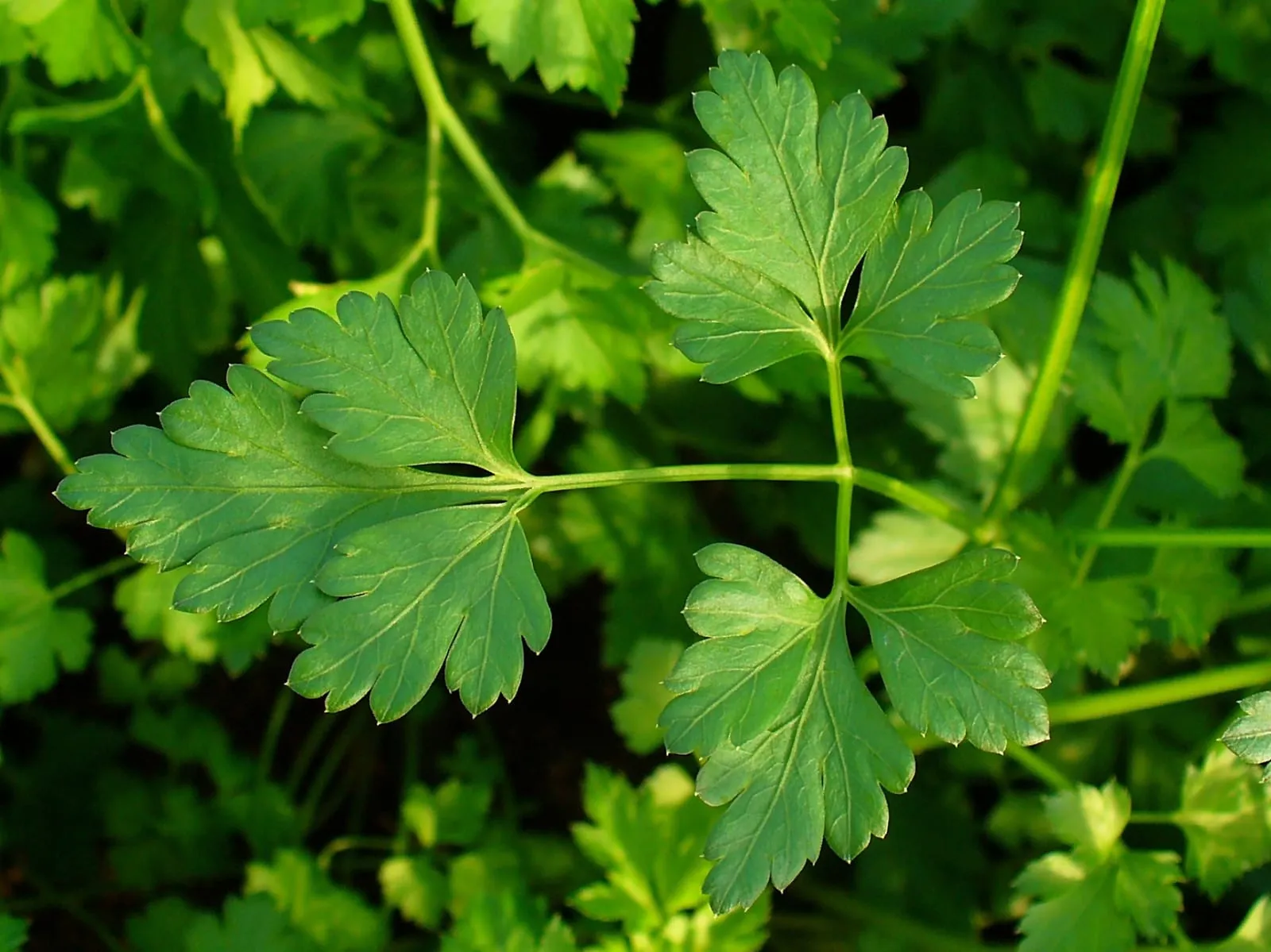
herb in zone 9b
Growing parsley in zone 9b
Petroselinum crispum
- Zone
- 9b 25°F to 30°F
- Growing season
- 310 days
- Suitable varieties
- 0
- Days to harvest
- 70 to 90
The verdict
Parsley is a cool-season biennial that performs well in zone 9b, with one important caveat: summer is essentially off-limits. The mild winters, with lows that rarely drop below 28°F in most of the zone, mean parsley can grow outdoors through the coldest months without protection, which is a genuine advantage over colder zones where the crop demands heavy mulching or indoor starts. Parsley has no chill-hour requirement, so the zone's warm winters pose no dormancy problem.
The binding constraint is summer heat. Sustained temperatures above 80°F trigger bolting, turning the foliage bitter and coarse within weeks. Zone 9b's 310-day growing season sounds generous, but functionally parsley is a fall-through-spring crop here, not a year-round one. Growers who treat it as a summer herb will be disappointed. Within that cooler window, though, the crop thrives, producing dense, aromatic foliage through months when much of the country is under snow.
Critical timing for zone 9b
The primary planting window in zone 9b runs from mid-September through November. Seeds sown in this window germinate in 14 to 21 days in soil temperatures between 50 and 70°F and reach harvestable size by late November or December. A second, shorter window opens in late January through February, allowing a spring flush before summer heat shuts the crop down by late April or May.
Parsley grown as a biennial will attempt to flower in its second year when days lengthen and temperatures warm in spring. In zone 9b, this bolting typically occurs between March and May depending on planting date and variety. Harvest should begin well before the plant sends up a flower stalk. Once bolting starts, foliage quality declines rapidly. Treating parsley as an annual and pulling spent plants by late spring is the standard approach in this zone.
Common challenges in zone 9b
- ▸ Heat stress in summer
- ▸ Insufficient chill for most apples
- ▸ Salt spray near coasts
Modified care for zone 9b
The main adaptation in zone 9b is managing the transition out of summer. Soil temperatures above 75°F suppress germination and slow establishment, so fall planting should wait until late September or October when soil has cooled. Starting seeds indoors in August and transplanting in September can give a two- to three-week head start on the productive window.
During the cool-season growing period, no additional winter protection is typically needed except on the coldest nights in inland areas, where a light frost cloth over young seedlings is sufficient. Flat-leaf varieties tend to handle brief cold snaps slightly better than curly types.
Coastal growers in zone 9b should note that salt spray can cause leaf tip scorch on exposed plants. Positioning beds on the leeward side of windbreaks or structures reduces this. Because parsley is grown through the wet season in this zone, fungal issues like root rot in heavy clay soils are a more realistic concern than in drier summer cultivation.
Frequently asked questions
- Can parsley survive zone 9b winters outdoors?
Yes. Zone 9b minimum temperatures of 25 to 30°F are within parsley's tolerance range. Established plants handle brief frosts without damage, and light frost cloth protects young seedlings on the coldest nights in inland areas.
- Why does parsley bolt so quickly in zone 9b?
Bolting is triggered by rising day length combined with warm temperatures in late winter and spring. In zone 9b, both conditions arrive earlier than in cooler zones, compressing the harvest window to roughly late November through April for fall-planted crops.
- Which parsley type does better in zone 9b heat?
Neither curly nor flat-leaf parsley tolerates sustained summer heat, but flat-leaf (Italian) varieties are generally considered marginally more heat-tolerant and slower to bolt. Both should still be treated as cool-season crops in this zone.
+−
+−
+−
Parsley in adjacent zones
Image: "Petroselinum crispum 003", by H. Zell, via Wikimedia Commons, licensed under CC-BY Source.

Related