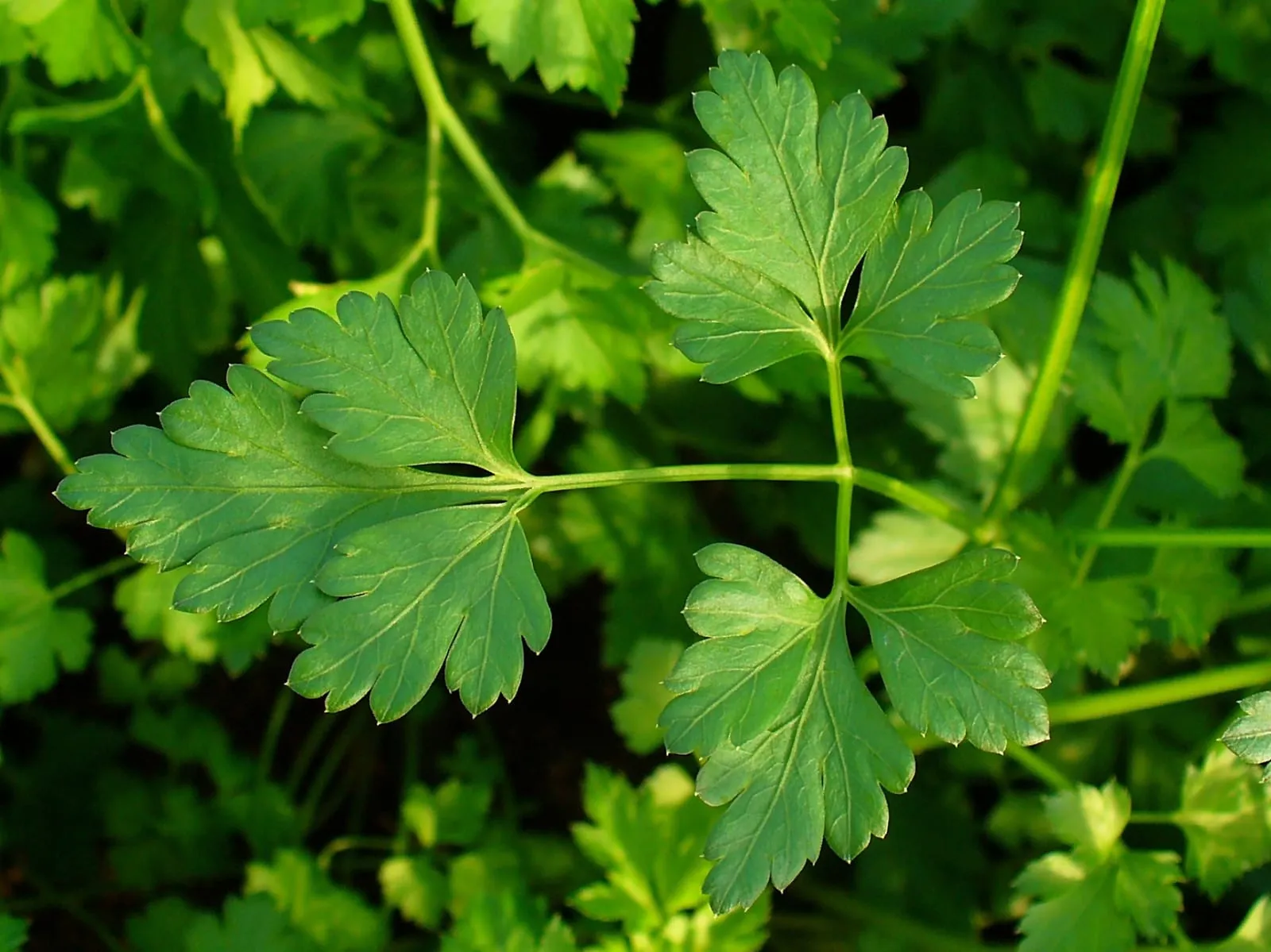
herb
Parsley
Petroselinum crispum
USDA hardiness range
- Zones
- 3b–9b
- Days to harvest
- 70 to 90
- Sun
- Partial
- Water
- Moderate
- Lifespan
- biennial grown as annual
Growing parsley
Parsley covers a broad climate envelope, growing reliably across USDA zones 3b through 9b. In practice, the best production happens in zones 5 through 8, where cool springs and moderate summers keep plants from bolting prematurely. In zones 9a and 9b, parsley works best as a fall-through-winter annual rather than a spring crop; temperatures above roughly 85°F accelerate the plant's transition from leaf production to flowering, cutting the harvest window short.
The biennial nature of parsley creates a practical tension: plants sown in their first year focus on vegetative growth, but if left in the ground, they flower and set seed in year two and become nearly useless for cooking. Most growers treat it strictly as an annual, pulling plants before they bolt. The germination period, notoriously long at 14 to 28 days, catches many new growers off guard. Seed started indoors 8 to 10 weeks before the last frost date extends the productive season significantly and sidesteps much of the germination difficulty.
Variety choice matters more than it first appears. Italian flat-leaf is the practical standard for kitchen use. Curled parsley is ornamental and mild. Hamburg root parsley, often overlooked in North America, is a dual-purpose crop with a white, parsnip-like root that stands up to long cooking and leaves that still serve as garnish. Matching the variety to its intended use shapes the growing approach from planting depth to harvest timing.
Recommended varieties
See all 3 →3 cultivars for home growers, with notes on flavor, ripening, and disease resistance.
| Variety | Notes | Zone fit | Disease resistance |
|---|---|---|---|
| Italian Flat-Leaf | Strong, clean, classic parsley flavor; flat dark-green leaves. Cooking, garnish, tabbouleh, gremolata. The cook's parsley, more flavor than curly types, the Mediterranean standard. | | none noted |
| Curled / Moss | Milder, slightly grassy; tightly curled bright green leaves. Garnish, restaurant plate decoration, light cooking use. Heritage variety, ornamental, holds shape in beds. | | none noted |
| Hamburg / Root | Mild parsley flavor in white parsnip-like root; earthy when cooked. Soups, stews, roasted. Dual-purpose: leaves for garnish, roots for cooking. European heritage variety. | | none noted |
Soil and site requirements
Parsley grows on moderately fertile, well-drained soil with a pH between 6.0 and 7.0. It tolerates a range of soil types but performs best in loamy, friable ground that retains consistent moisture without becoming waterlogged. Heavy clay that holds standing water is a liability; parsley's taproot, pronounced in Hamburg varieties, rots readily in saturated conditions.
Partial sun is the listed requirement, but the practical interpretation depends on zone. In zones 7 and cooler, parsley handles full sun without stress. In zones 8 and warmer, afternoon shade extends the productive season by slowing the onset of bolting. A location that receives four to six hours of morning sun and is sheltered from afternoon heat is close to ideal in hotter climates.
Space plants six to nine inches apart. Crowding reduces airflow and creates conditions favorable to aphid colonies. Containers work well for parsley provided drainage is adequate and roots have at least eight inches of depth. A consistent watering schedule matters more than quantity; the soil should stay evenly moist rather than cycling through wet and dry extremes.
For Hamburg varieties, raised beds or loosened in-ground soil give the taproot room to develop without forking or distortion. Compact, stony, or heavily amended soil with coarse material causes the roots to branch, reducing harvest quality.
Common pests
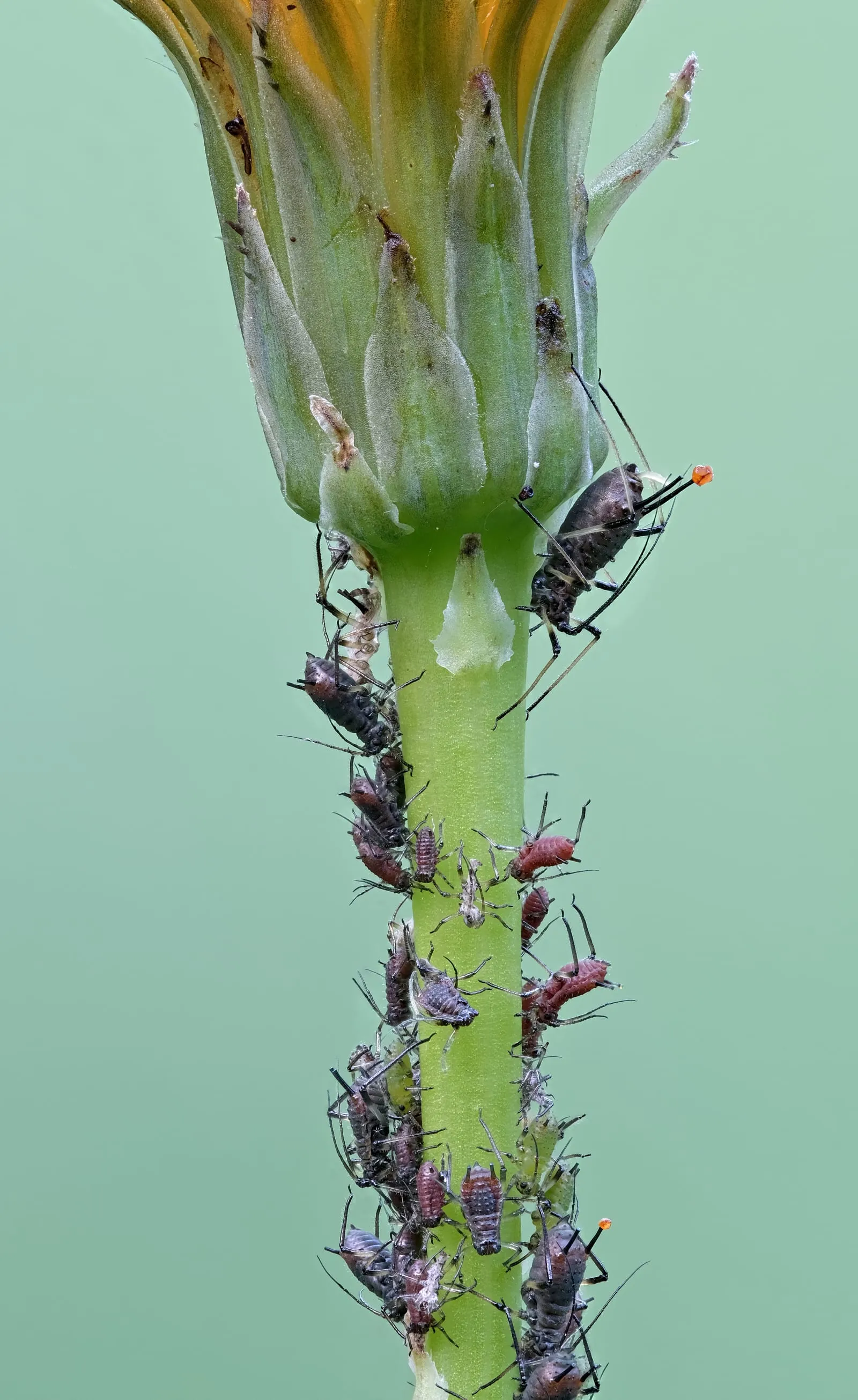
Multiple species (Aphididae)
Small soft-bodied sap-sucking insects that reproduce explosively in spring. Excrete honeydew that supports sooty mold and attracts ants. Transmit viral diseases.
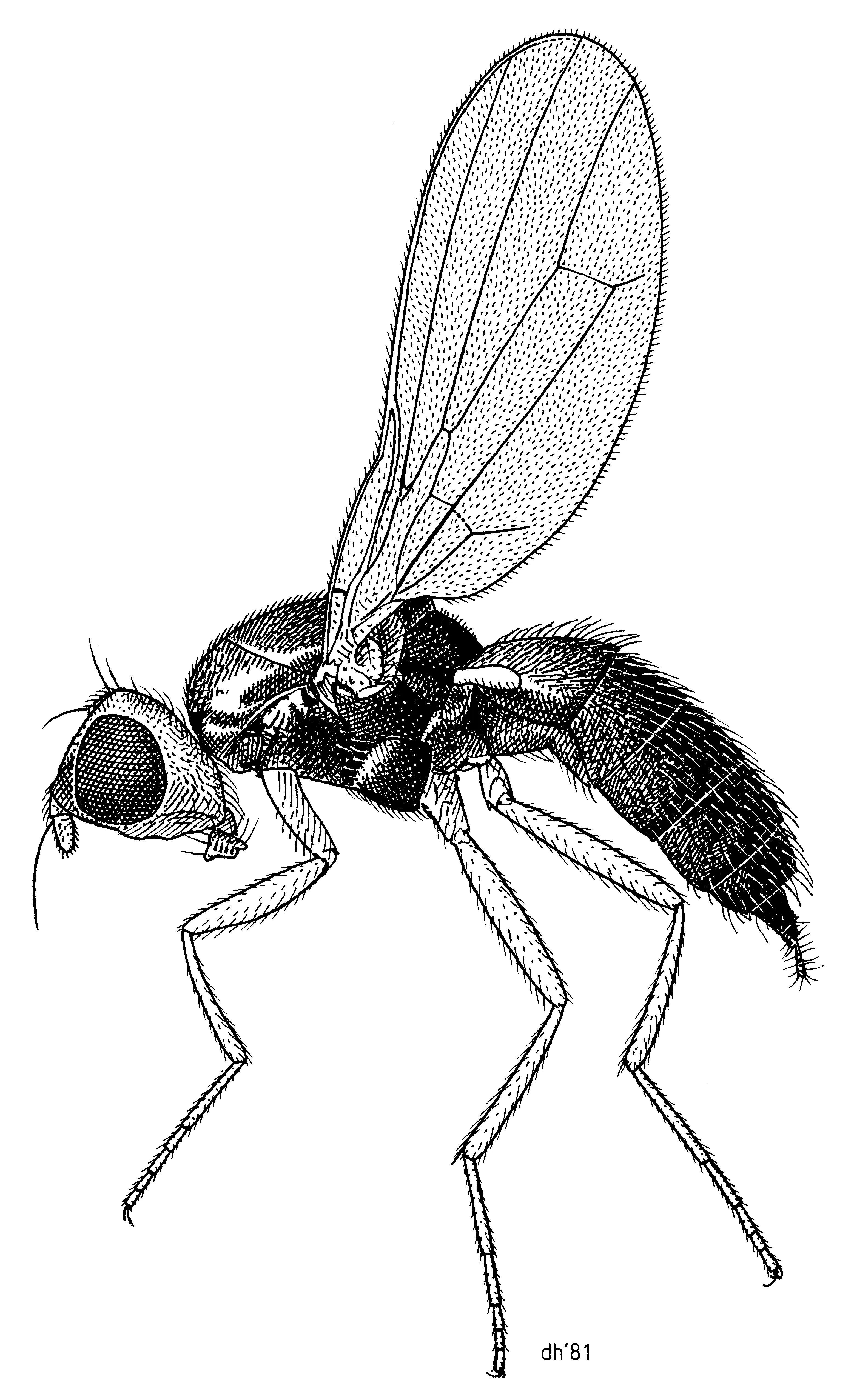
Psila rosae
Fly whose larvae tunnel into carrot and parsnip roots, leaving rust-colored scars and entry points for secondary rot.
Common challenges
Three problems account for most parsley failures at the home scale.
Slow, erratic germination is the first. Parsley seed viability decreases quickly; using seed more than one year old often yields sparse, uneven stands. Soaking seed in warm water for 12 to 24 hours before sowing improves germination speed. Soil temperature below 50°F stalls germination almost entirely. Starting seed indoors at 65 to 70°F and transplanting after last frost bypasses these conditions, though parsley does not always transplant cleanly and benefits from deep cells that minimize root disturbance.
Aphid pressure is the second persistent problem. Parsley's soft foliage attracts aphid colonies, particularly on crowded or stressed plants. Inspect the undersides of leaves regularly during warm stretches. Heavy infestations reduce plant vigor quickly. Strong water sprays dislodge small colonies; larger infestations may require neem or insecticidal soap applications, timed to avoid beneficial insects visiting nearby flowering plants.
Carrot rust fly is the third threat, most damaging in the Pacific Northwest and cool northern zones. Larvae feed on the roots, often going undetected until plants fail to thrive without obvious aboveground cause. Row cover applied from transplanting through the main egg-laying periods (spring and again in late summer) is the most reliable preventive measure. Cornell Parsley Production provides regional pest timing guidance useful for calibrating when cover can be removed safely.
Frequently asked questions
- Does parsley require a certain number of chill hours to produce well?
Parsley has no chill-hour requirement. Unlike fruit trees, it needs no period of cold dormancy to develop or mature. It is a cool-season herb that benefits from moderate temperatures for leaf quality, but it will germinate and grow as long as soil and air temperatures are within range. Cold improves flavor, but is not a production trigger.
- How long does parsley take from seed to first harvest?
Parsley reaches first harvest in 70 to 90 days from sowing. Germination alone takes 14 to 28 days under good conditions, which is why starting seed indoors 8 to 10 weeks before the last frost date is recommended. Transplanting established seedlings shortens the outdoor production timeline considerably.
- What USDA zones are suitable for growing parsley?
Parsley grows across zones 3b through 9b. It performs best in zones 5 through 8 as a spring or fall crop. In zones 9a and 9b, heat-driven bolting shortens the spring season substantially; fall planting from August or September produces far better results in those climates.
- Is parsley self-fertile, or does it require pollinators?
For leaf production, pollination is irrelevant. Parsley is harvested as a vegetative crop in its first year. If plants are allowed to flower and set seed in year two, small insects and flies visiting the flat umbel flower clusters handle pollination without any intervention. No managed pollinators or hand pollination are needed.
- What pests are most likely to damage parsley?
Aphids and carrot rust fly are the primary threats. Aphids colonize soft foliage, especially on crowded or water-stressed plants. Carrot rust fly larvae damage the roots, often with no visible aboveground symptoms until plants begin to decline. Row cover applied from transplanting through peak egg-laying periods is the most effective control for carrot rust fly.
- Will parsley survive a frost?
Established parsley tolerates light frosts, generally down to around 28 to 30°F for short durations. In zones 6 and warmer, plants often overwinter with modest protection and resume growth early in spring before bolting. In zones 5 and colder, mulching extends the season but plants rarely survive hard freezes or prolonged temperatures below 25°F.
- What is the practical difference between Italian flat-leaf and curled parsley?
Italian flat-leaf has stronger, cleaner flavor and is the standard for cooking, sauces, gremolata, and tabbouleh. Curled parsley is milder with a slightly grassy taste; it holds its tight shape well and is widely used as a plate garnish. For most kitchen applications, flat-leaf produces noticeably more flavor per gram of leaf.
+−
+−
+−
+−
+−
+−
+−
Sources
Image: "Petroselinum crispum 003", by H. Zell, via Wikimedia Commons, licensed under CC-BY. Source.

Parsley by zone
Related