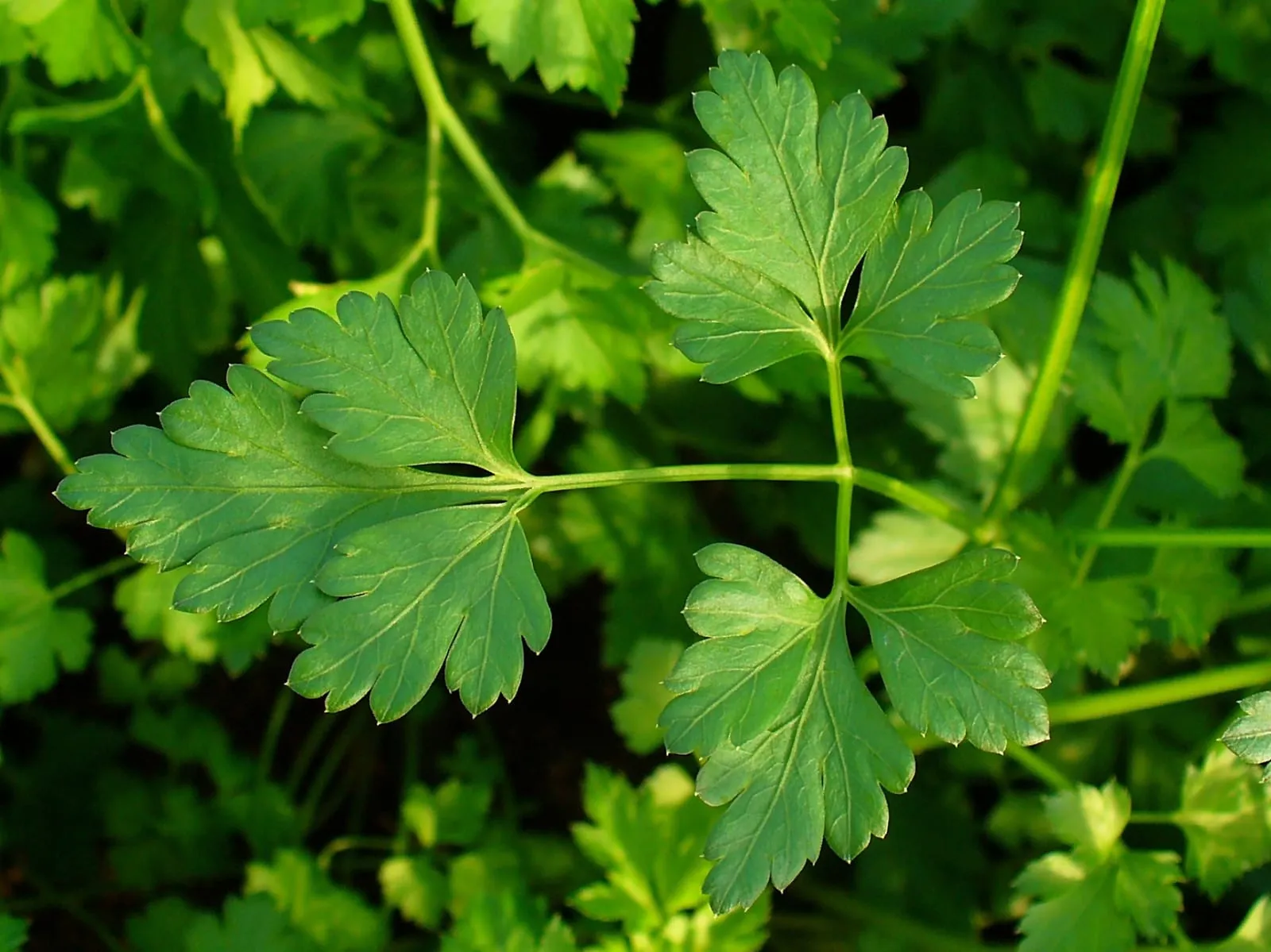
herb in zone 3b
Growing parsley in zone 3b
Petroselinum crispum
- Zone
- 3b -35°F to -30°F
- Growing season
- 100 days
- Suitable varieties
- 2
- Days to harvest
- 70 to 90
The verdict
Parsley grows as a biennial in its native range but is treated as a warm-season annual in zone 3b, where winter temperatures (-35 to -30°F) kill it outright. That distinction matters less than it sounds: the crop's value is in its foliage, which it produces reliably in a single season. A 100-day frost-free window is tight but workable. Most parsley varieties reach harvestable size in 70 to 90 days from transplant, leaving a modest buffer before first fall frost. Zone 3b is not a sweet spot for parsley, but it is not marginal either. The real constraint is the lead time: parsley germinates slowly (14 to 28 days) and requires indoor starting to make the season work. Growers who skip that step will lose 4 to 6 weeks of their already-short window. Both Italian flat-leaf and curled types perform comparably in zone 3b; variety selection matters less than timing discipline.
Recommended varieties for zone 3b
2 cultivars suited to this zone, with disease-resistance and zone-fit annotations.
| Variety | Notes | Zone fit | Disease resistance |
|---|---|---|---|
| Italian Flat-Leaf fits zone 3b | Strong, clean, classic parsley flavor; flat dark-green leaves. Cooking, garnish, tabbouleh, gremolata. The cook's parsley, more flavor than curly types, the Mediterranean standard. | | none noted |
| Curled / Moss fits zone 3b | Milder, slightly grassy; tightly curled bright green leaves. Garnish, restaurant plate decoration, light cooking use. Heritage variety, ornamental, holds shape in beds. | | none noted |
Critical timing for zone 3b
Start seeds indoors 10 to 12 weeks before the average last frost date for zone 3b, which typically falls in late May. That puts indoor seeding in early to mid-March. Expect germination to take 2 to 4 weeks even in warm conditions; soaking seeds in warm water for 24 hours before planting can shorten that window. Transplant outdoors after last frost risk has passed, typically late May to early June. First harvest of outer stems can begin around 70 to 80 days after transplanting, placing peak harvest in mid-August through early September. Hard frost usually arrives in zone 3b by late September, ending the season. Parsley does not produce flowers or set seed in its first year, so the bloom window is not a relevant timing factor for zone 3b growers.
Common challenges in zone 3b
- ▸ Short season
- ▸ Winter desiccation
- ▸ Site selection critical for fruit trees
Modified care for zone 3b
The primary adaptation in zone 3b is the mandatory indoor start. Direct seeding is impractical given the short season. When transplanting, disturb roots as little as possible; parsley responds poorly to root disruption and may stall or bolt prematurely if roots are torn during transplanting. Use individual cells or soil blocks rather than flat-tray seeding to minimize transplant shock. Row covers or cold frames in early June can buy a week or two of additional warmth if late frosts threaten newly transplanted seedlings. With only one productive season and no chance of overwintering, succession planting is generally not worth attempting unless a cold frame significantly extends the fall window. No significant disease pressure is documented for parsley in zone 3b conditions, so disease management is not a priority.
Parsley in adjacent zones
Image: "Petroselinum crispum 003", by H. Zell, via Wikimedia Commons, licensed under CC-BY Source.

Related