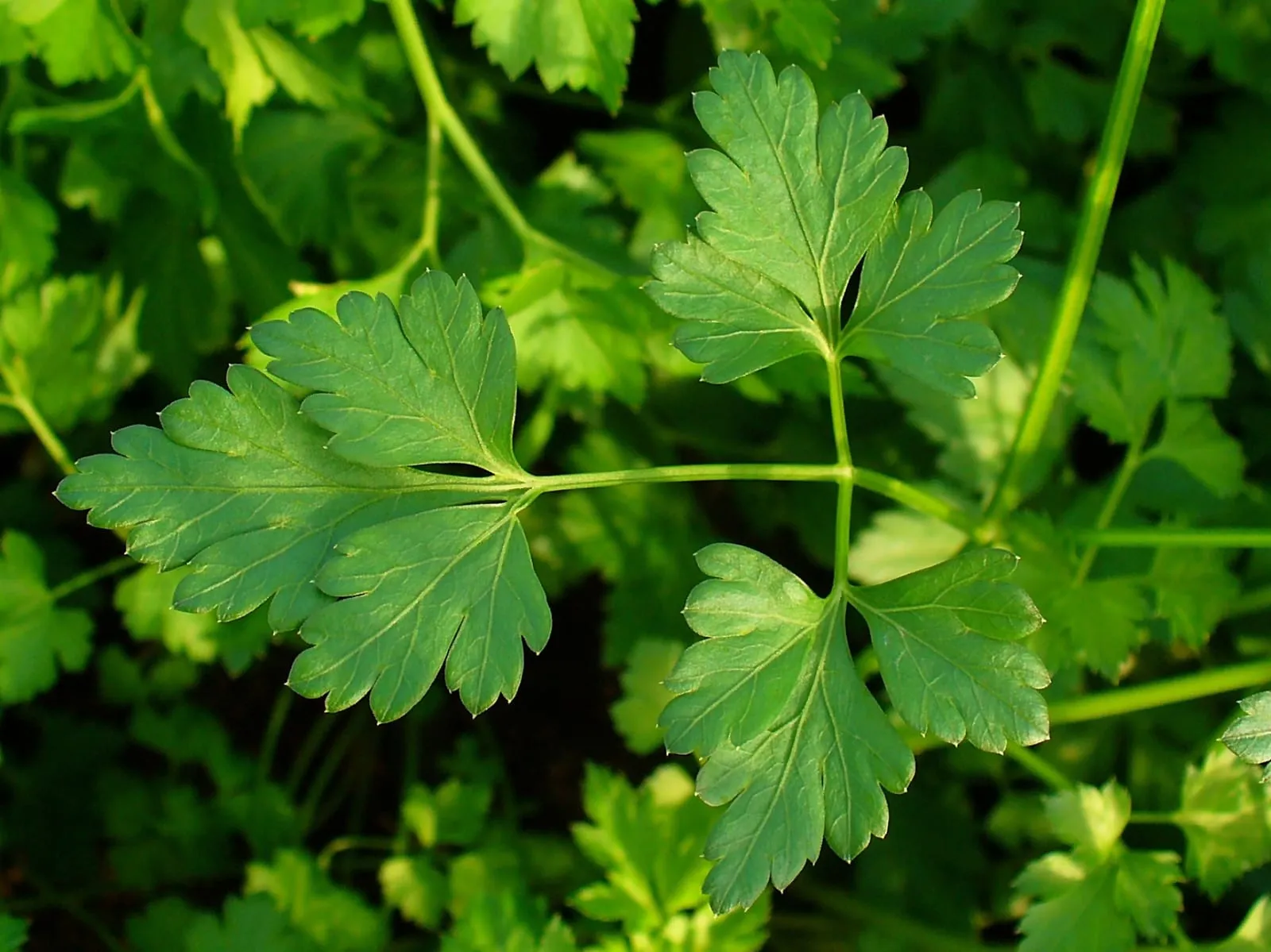
herb in zone 4a
Growing parsley in zone 4a
Petroselinum crispum
- Zone
- 4a -30°F to -25°F
- Growing season
- 120 days
- Suitable varieties
- 3
- Days to harvest
- 70 to 90
The verdict
Parsley grows reliably in zone 4a and is not a marginal crop for this climate. Unlike fruit trees, parsley carries no chill-hour requirement; the relevant question is whether the 120-day growing season is long enough to reach harvest, and it is. Most parsley varieties are ready for cutting 70 to 90 days after transplant, fitting comfortably within the frost-free window.
Parsley is a biennial by nature, but zone 4a winters (minimum temperatures of -30°F to -25°F) will kill overwintered plants in most years, so growers treat it as an annual. This is not a meaningful limitation. All three compatible varieties, Italian Flat-Leaf, Curled/Moss, and Hamburg/Root, perform well here. Hamburg, grown for its edible taproot, benefits from having the full growing season to develop adequate root mass before the fall frost deadline.
The zone's tendency toward late frosts matters mostly at transplant time rather than during the established growing period, which spans a reliably cool summer that parsley actually prefers.
Recommended varieties for zone 4a
3 cultivars suited to this zone, with disease-resistance and zone-fit annotations.
| Variety | Notes | Zone fit | Disease resistance |
|---|---|---|---|
| Italian Flat-Leaf fits zone 4a | Strong, clean, classic parsley flavor; flat dark-green leaves. Cooking, garnish, tabbouleh, gremolata. The cook's parsley, more flavor than curly types, the Mediterranean standard. | | none noted |
| Curled / Moss fits zone 4a | Milder, slightly grassy; tightly curled bright green leaves. Garnish, restaurant plate decoration, light cooking use. Heritage variety, ornamental, holds shape in beds. | | none noted |
| Hamburg / Root fits zone 4a | Mild parsley flavor in white parsnip-like root; earthy when cooked. Soups, stews, roasted. Dual-purpose: leaves for garnish, roots for cooking. European heritage variety. | | none noted |
Critical timing for zone 4a
Parsley seed is notoriously slow to germinate, typically 14 to 28 days at soil temperatures between 50°F and 75°F. In zone 4a, where the last frost generally falls in late May to early June, starting seed indoors 8 to 10 weeks before the anticipated transplant date is standard practice, putting indoor sowing in mid-March to early April.
Transplants go outdoors after the last frost risk has passed. Leaf harvest is possible 70 to 90 days after transplant, opening a harvest window from mid-August through early September before the first fall frosts arrive (typically early to mid-September in zone 4a). Hamburg root parsley is harvested once at season's end rather than cut progressively; roots should be dug before the ground freezes hard.
Common challenges in zone 4a
- ▸ Late frosts damage early bloomers
- ▸ Limited peach varieties
Modified care for zone 4a
The short growing season makes indoor starting non-negotiable rather than merely convenient. Soaking seed in warm water for 24 hours before sowing, or cold-stratifying briefly in a damp paper towel in the refrigerator for a few days, can trim the slow germination period and recover useful time at the front end of the season.
Transplant timing warrants close attention. Zone 4a's late frosts can arrive in late May, and newly transplanted seedlings are more vulnerable than established crowns. Waiting until soil temperatures hold consistently above 50°F and keeping row cover on hand for late cold snaps will reduce losses without meaningfully compressing the harvest window.
Overwintering attempts are rarely productive in zone 4a. The combination of -25°F to -30°F minimum temperatures and repeated freeze-thaw cycles will kill even heavily mulched crowns in most winters. Annual replanting from indoor-started seed is the more dependable approach.
Parsley in adjacent zones
Image: "Petroselinum crispum 003", by H. Zell, via Wikimedia Commons, licensed under CC-BY Source.

Related