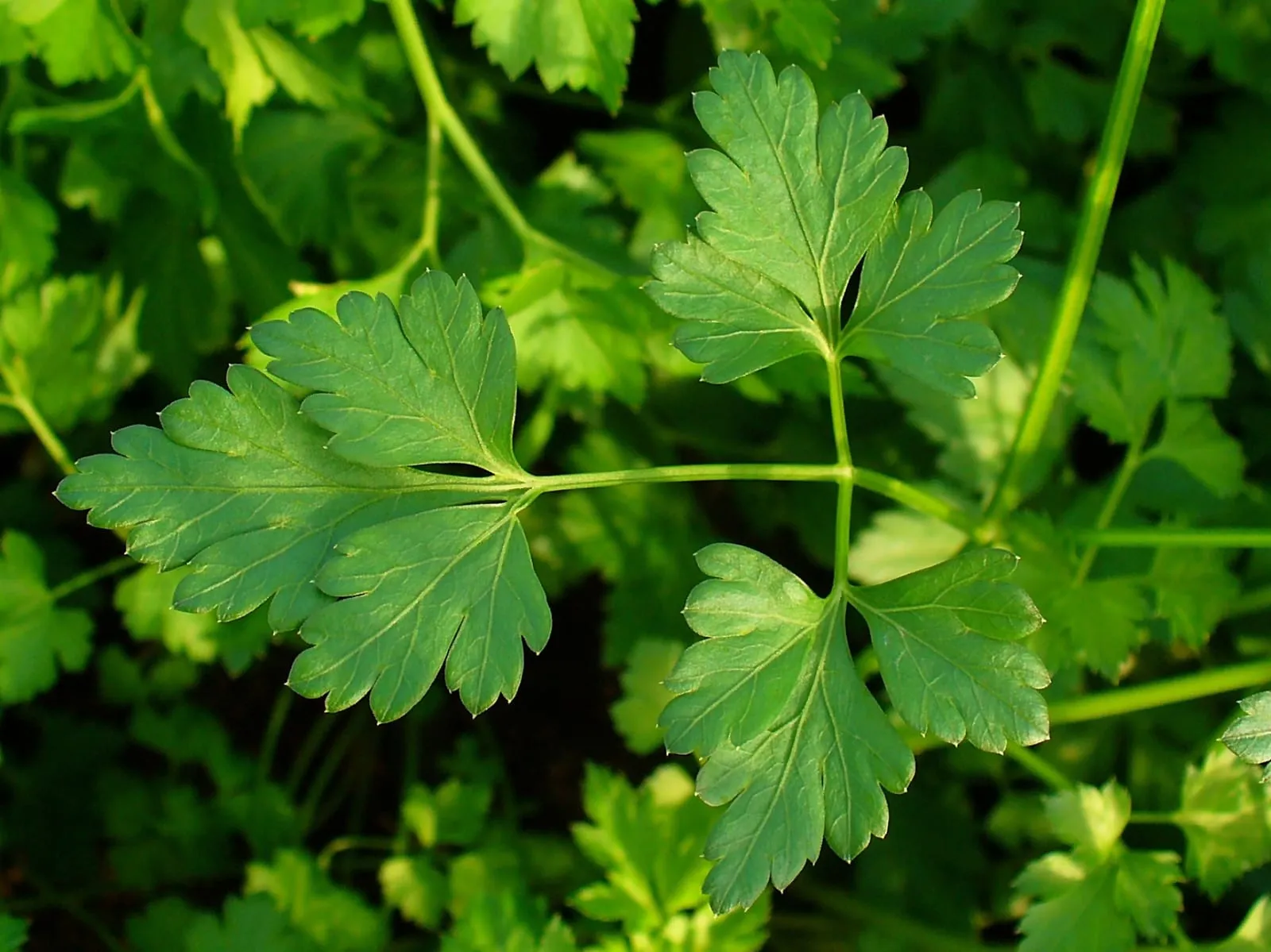
herb in zone 6b
Growing parsley in zone 6b
Petroselinum crispum
- Zone
- 6b -5°F to 0°F
- Growing season
- 190 days
- Suitable varieties
- 3
- Days to harvest
- 70 to 90
The verdict
Zone 6b sits comfortably within parsley's preferred range. This biennial herb is rated hardy to zone 5, so the minimum temperatures of -5°F to 0°F in zone 6b present only a mild overwintering challenge rather than a hard limit. Unlike fruit trees, parsley has no chill-hour requirement; what matters is temperature at the extremes and the length of the cool shoulder seasons.
The 190-day growing season in zone 6b is well-matched to parsley's needs. Germination to first harvest typically runs 70 to 90 days, leaving room for succession sowings or for carrying plants through a second year. Hamburg root parsley, in particular, benefits from a long season to develop its taproot adequately. Zone 6b is not a marginal environment for parsley; it is close to the crop's operational sweet spot, with enough cold to keep plants from bolting prematurely in spring and enough warmth to sustain vigorous summer growth.
Recommended varieties for zone 6b
3 cultivars suited to this zone, with disease-resistance and zone-fit annotations.
| Variety | Notes | Zone fit | Disease resistance |
|---|---|---|---|
| Italian Flat-Leaf fits zone 6b | Strong, clean, classic parsley flavor; flat dark-green leaves. Cooking, garnish, tabbouleh, gremolata. The cook's parsley, more flavor than curly types, the Mediterranean standard. | | none noted |
| Curled / Moss fits zone 6b | Milder, slightly grassy; tightly curled bright green leaves. Garnish, restaurant plate decoration, light cooking use. Heritage variety, ornamental, holds shape in beds. | | none noted |
| Hamburg / Root fits zone 6b | Mild parsley flavor in white parsnip-like root; earthy when cooked. Soups, stews, roasted. Dual-purpose: leaves for garnish, roots for cooking. European heritage variety. | | none noted |
Critical timing for zone 6b
In zone 6b, the last spring frost typically falls in mid-April, and the first fall frost arrives in mid-October, bracketing a growing season of roughly 190 days. Parsley started indoors 10 to 12 weeks before the last frost date can be transplanted out in early to mid-April, with some cold tolerance down to the high 20s°F. Direct sowing into the garden works from mid-March onward, though germination is slow in cold soil and can take three to four weeks below 50°F.
As a biennial, parsley produces leaf growth in its first year and flowers in its second spring. In zone 6b, plants that overwinter successfully will bolt in April or May of the second year. Harvest the remaining foliage before flower stalks elongate if seed saving is not the goal. Hamburg root varieties are harvested in fall of the first year, before hard freezes penetrate deeply.
Common challenges in zone 6b
- ▸ Cedar-apple rust
- ▸ Fire blight
- ▸ Stink bugs
Modified care for zone 6b
The primary zone 6b adjustment for parsley is winter protection of overwintering crowns. Unprotected plants can suffer crown damage or outright loss in hard freezes below -5°F. A 3- to 4-inch layer of straw mulch applied after the first hard frost extends survivability without encouraging crown rot during mild spells.
Stink bugs, listed among zone 6b's notable pest pressures, are a documented problem for parsley and other members of the carrot family. Brown marmorated stink bugs feed on foliage and stems, leaving stippled damage and off-flavor contamination on leaves intended for harvest. Row cover is the most reliable physical barrier during peak stink bug season in late summer and fall.
Summer heat in zone 6b can push parsley toward premature bolting in its first year if plants are crowded or water-stressed. Consistent moisture and partial afternoon shade during the hottest weeks in July and August help extend the productive first-year harvest window.
Frequently asked questions
- Can parsley survive winter in zone 6b?
Yes, with modest protection. Parsley crowns can survive zone 6b winters if mulched after the first hard frost. Expect some foliage dieback but viable crowns that resume growth in early spring, at which point the plant will bolt and flower as a second-year biennial.
- Which parsley type performs best in zone 6b?
Italian flat-leaf handles heat and cold fluctuations well and is generally more productive than curled types in zone 6b. Hamburg root parsley is worth growing if the full 190-day season is used; it needs a long run to form a usable taproot and is harvested in fall.
- When should parsley be started indoors in zone 6b?
Start seeds indoors 10 to 12 weeks before the expected last frost, which puts the indoor start date in late January to early February for most of zone 6b. Parsley germinates slowly, and soaking seeds in warm water for 24 hours before sowing shortens germination time.
- Why is my parsley bolting in the first year?
First-year bolting in parsley is typically triggered by water stress, heat, or overcrowding rather than cold vernalization. In zone 6b summers, afternoon shade, consistent irrigation, and adequate spacing reduce the likelihood of premature bolting before the plant completes its first growing season.
+−
+−
+−
+−
Parsley in adjacent zones
Image: "Petroselinum crispum 003", by H. Zell, via Wikimedia Commons, licensed under CC-BY Source.

Related