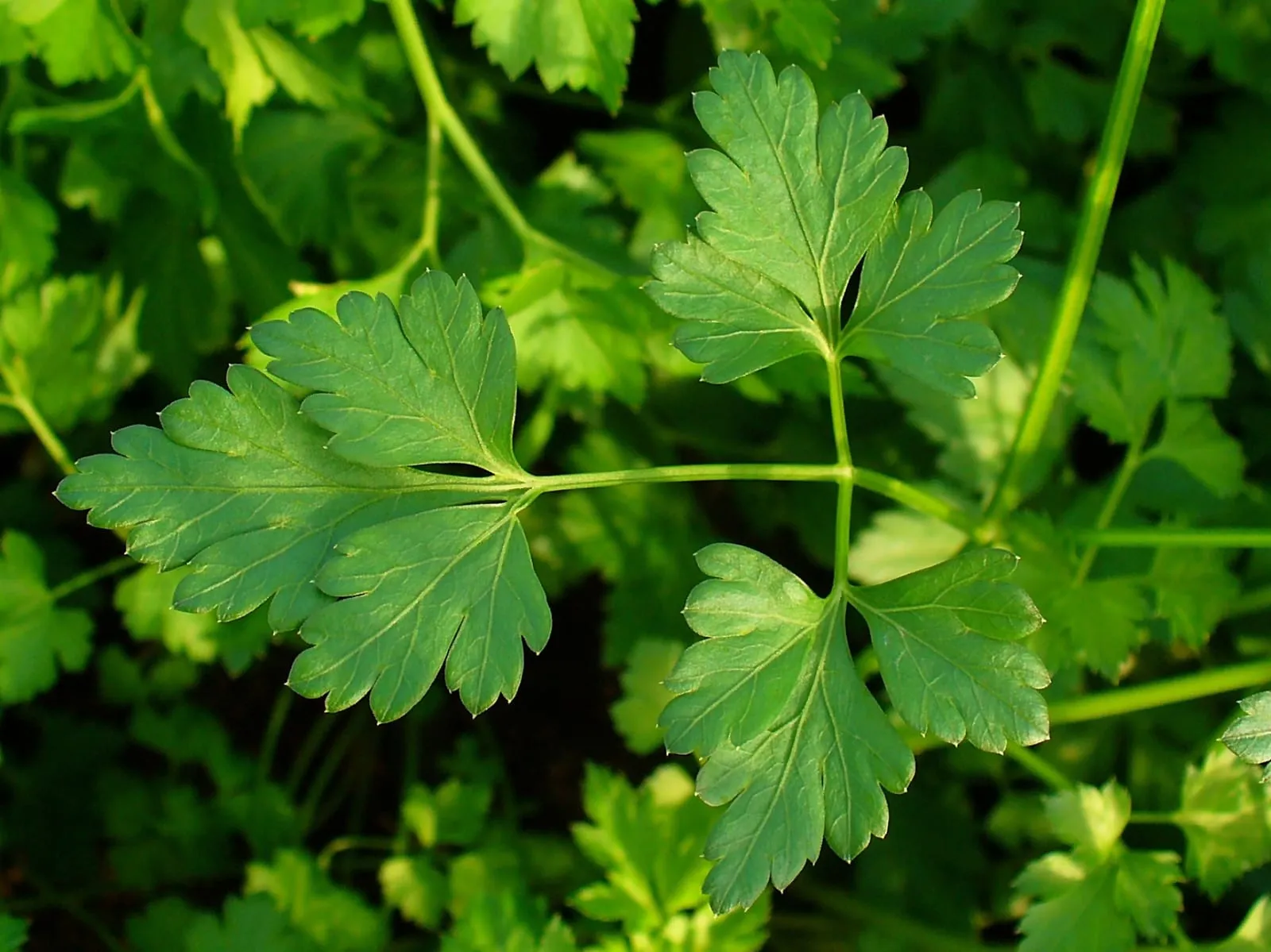
herb in zone 7a
Growing parsley in zone 7a
Petroselinum crispum
- Zone
- 7a 0°F to 5°F
- Growing season
- 210 days
- Suitable varieties
- 3
- Days to harvest
- 70 to 90
The verdict
Zone 7a sits comfortably within parsley's preferred growing range. As a biennial treated as an annual in most home gardens, parsley has no chill-hour requirements comparable to tree fruit; it responds to temperature, not accumulated cold. The zone's 210-day growing season supports two distinct crops per year: a spring planting that carries through early summer and a fall planting that extends well into autumn. Minimum winter temperatures of 0 to 5°F will kill exposed plants, though heavily mulched crowns sometimes survive to a second year.
The real limitation in zone 7a is not cold but heat. Sustained temperatures above 85°F push parsley toward bolting, degrading both yield and flavor. Italian Flat-Leaf and Curled varieties respond similarly to summer stress; Hamburg root types can stay in the ground longer since the edible portion is underground. Overall, zone 7a is productive parsley territory, with summer heat management the central challenge rather than any cold-hardiness concern.
Recommended varieties for zone 7a
3 cultivars suited to this zone, with disease-resistance and zone-fit annotations.
| Variety | Notes | Zone fit | Disease resistance |
|---|---|---|---|
| Italian Flat-Leaf fits zone 7a | Strong, clean, classic parsley flavor; flat dark-green leaves. Cooking, garnish, tabbouleh, gremolata. The cook's parsley, more flavor than curly types, the Mediterranean standard. | | none noted |
| Curled / Moss fits zone 7a | Milder, slightly grassy; tightly curled bright green leaves. Garnish, restaurant plate decoration, light cooking use. Heritage variety, ornamental, holds shape in beds. | | none noted |
| Hamburg / Root fits zone 7a | Mild parsley flavor in white parsnip-like root; earthy when cooked. Soups, stews, roasted. Dual-purpose: leaves for garnish, roots for cooking. European heritage variety. | | none noted |
Critical timing for zone 7a
Parsley germinates slowly, often requiring two to four weeks even under ideal conditions, so timing the start matters. In zone 7a, seeds started indoors six to eight weeks before the average last frost (typically early to mid-April across most of the zone) can be transplanted out in late March or early April. Direct sowing into the garden works once soil temperatures reach 50°F.
Spring-planted parsley peaks from May through June. As temperatures climb in July, flavor quality declines and plants begin redirecting energy toward flowering. A second sowing in late July or August captures the fall window, with harvest running through October and often into November. Hamburg root types benefit from the fall planting window: the cooler second half of the growing season gives roots enough time to develop meaningful mass before hard freezes arrive.
Common challenges in zone 7a
- ▸ Cedar-apple rust
- ▸ Brown rot
- ▸ Fire blight
- ▸ High humidity disease pressure
Modified care for zone 7a
Zone 7a's high humidity raises the risk of fungal leaf blights and root rots, particularly during wet springs and late-summer rain periods. Spacing plants 8 to 10 inches apart and watering at the base rather than overhead reduces surface wetness and improves air movement through the foliage. Consistent mulching helps moderate soil temperature swings that are common during zone 7a springs and keeps moisture levels more stable between rain events.
Summer heat management is the other significant adjustment. A shade cloth cutting direct sun by 30 to 40 percent can extend the productive spring window by two to three weeks before bolting becomes inevitable. For growers trying to carry parsley through winter as a biennial, a 4-inch mulch layer over the crown offers useful protection against the 0 to 5°F minimums the zone periodically sees. Bolting plants should be pulled promptly in summer; parsley self-seeds readily and can become a persistent presence in unwanted beds.
Parsley in adjacent zones
Image: "Petroselinum crispum 003", by H. Zell, via Wikimedia Commons, licensed under CC-BY Source.

Related