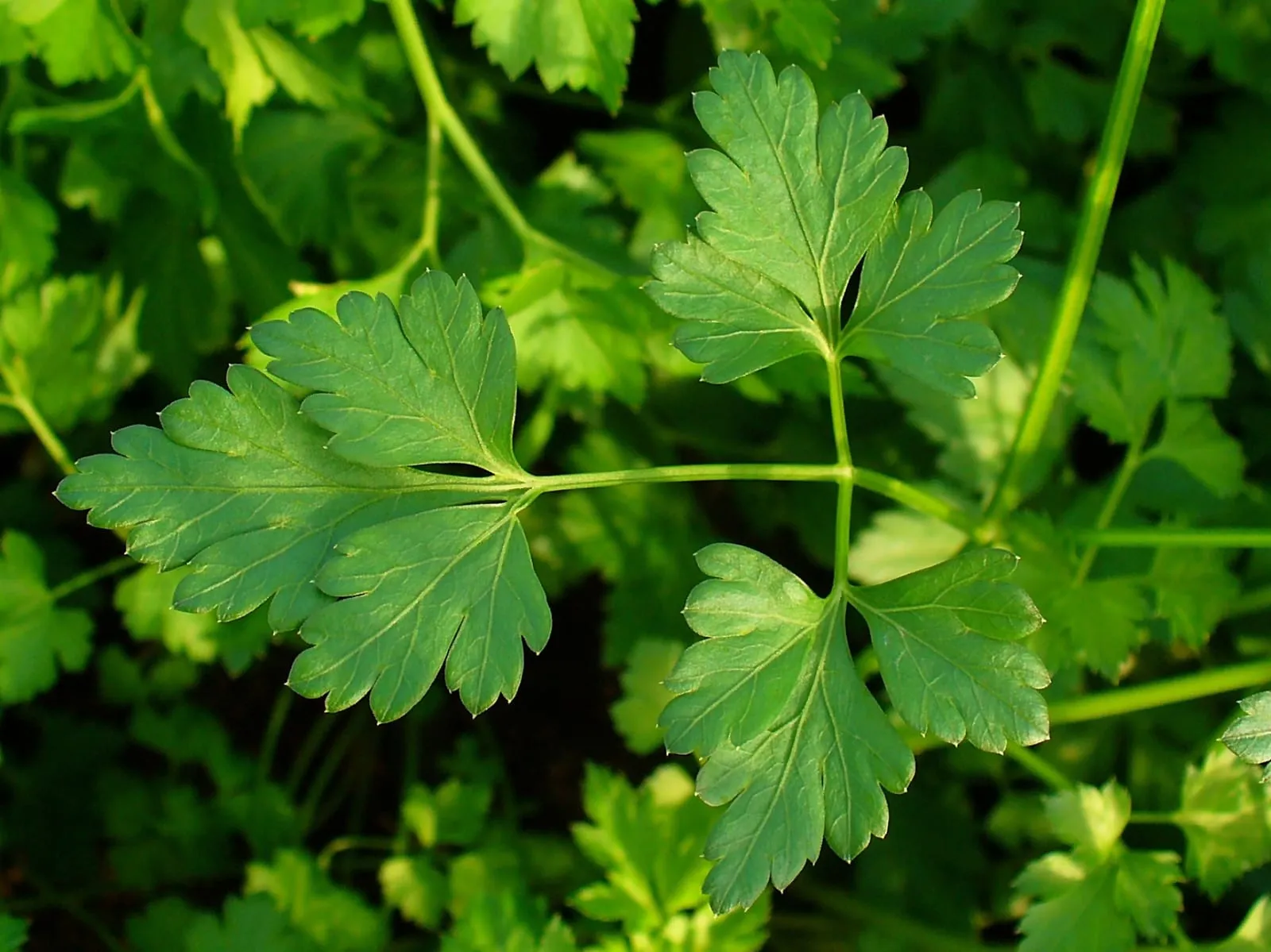
herb in zone 7b
Growing parsley in zone 7b
Petroselinum crispum
- Zone
- 7b 5°F to 10°F
- Growing season
- 220 days
- Suitable varieties
- 3
- Days to harvest
- 70 to 90
The verdict
Parsley is well-suited to zone 7b and benefits from the region's long growing season and mild winters. Unlike fruit crops, parsley has no chill-hour requirement. It is a biennial that completes its life cycle over two years: leafy growth in year one, flowering and seed set in year two. Zone 7b winters are cold enough to satisfy parsley's vernalization requirement without killing the plant outright, which means fall-planted parsley typically survives to bolt in spring. The 220-day growing season allows for two productive windows: a spring crop started from seed in late winter and a fall crop that can be harvested well into December. This is not a marginal zone for parsley. The main limiting factor is summer heat, which causes bolting and reduces leaf quality during July and August. Growers who manage the heat window can treat parsley as a nearly year-round crop here.
Recommended varieties for zone 7b
3 cultivars suited to this zone, with disease-resistance and zone-fit annotations.
| Variety | Notes | Zone fit | Disease resistance |
|---|---|---|---|
| Italian Flat-Leaf fits zone 7b | Strong, clean, classic parsley flavor; flat dark-green leaves. Cooking, garnish, tabbouleh, gremolata. The cook's parsley, more flavor than curly types, the Mediterranean standard. | | none noted |
| Curled / Moss fits zone 7b | Milder, slightly grassy; tightly curled bright green leaves. Garnish, restaurant plate decoration, light cooking use. Heritage variety, ornamental, holds shape in beds. | | none noted |
| Hamburg / Root fits zone 7b | Mild parsley flavor in white parsnip-like root; earthy when cooked. Soups, stews, roasted. Dual-purpose: leaves for garnish, roots for cooking. European heritage variety. | | none noted |
Critical timing for zone 7b
Zone 7b's last spring frost typically falls in mid-March, with the first fall frost arriving around mid-November. For spring production, start parsley seeds indoors 10 to 12 weeks before the last frost date, placing them in early to mid-January. Germination is slow, often 2 to 4 weeks even under warm conditions. Transplant out in late February or early March, as young parsley tolerates light frosts well. Harvest begins 70 to 90 days from transplant. For fall production, direct-sow in late August or early September; plants established before first frost will continue producing through mild winter periods and resume growth in early spring before bolting. Plants that overwinter will flower by April or May of year two.
Common challenges in zone 7b
- ▸ Cedar-apple rust pressure heavy in piedmont
- ▸ Japanese beetles
- ▸ Brown marmorated stink bug
- ▸ Late summer disease pressure
Modified care for zone 7b
The primary adjustment for zone 7b is managing summer heat. Parsley quality declines sharply when daytime temperatures consistently exceed 85°F, which is the norm from late June through August in the piedmont. Afternoon shade from a taller crop or shade cloth rated at 30 to 40 percent can extend the productive window by several weeks. Heavy mulch (3 to 4 inches) helps retain soil moisture and keeps root-zone temperatures lower. Japanese beetles will feed on parsley foliage during their peak window in July; hand removal is adequate for small plantings. Brown marmorated stink bugs can pierce stems and cause irregular growth; row cover during late summer infestation peaks reduces damage without chemical intervention. Late-summer humidity elevates risk of fungal leaf spots; avoid overhead irrigation once the canopy closes and ensure adequate spacing for airflow.
Frequently asked questions
- Can parsley survive winter in zone 7b?
Yes. Established parsley plants tolerate the 5 to 10°F minimum temperatures typical of zone 7b, especially with a light mulch layer over the crown. Plants often defoliate during hard freezes but regrow from the root in late winter and will bolt in spring.
- Why does parsley bolt so quickly in zone 7b summers?
Parsley is a biennial that interprets extended heat as a signal to complete its reproductive cycle. Temperatures consistently above 85°F accelerate bolting. Afternoon shade and consistent moisture delay, but rarely prevent, summer bolting in zone 7b.
- Which parsley type handles zone 7b conditions best?
Italian flat-leaf generally shows better heat tolerance and stronger regrowth after stress than curled types. Hamburg root parsley, grown for its edible root, is also well-suited since the root stores energy through heat and cold periods.
- When should parsley be direct-seeded outdoors in zone 7b?
Soil temperature above 50°F is the key threshold. In zone 7b, outdoor direct seeding is practical from late February through early March for spring crops, and again from mid-August through mid-September for overwintering crops.
+−
+−
+−
+−
Parsley in adjacent zones
Image: "Petroselinum crispum 003", by H. Zell, via Wikimedia Commons, licensed under CC-BY Source.

Related