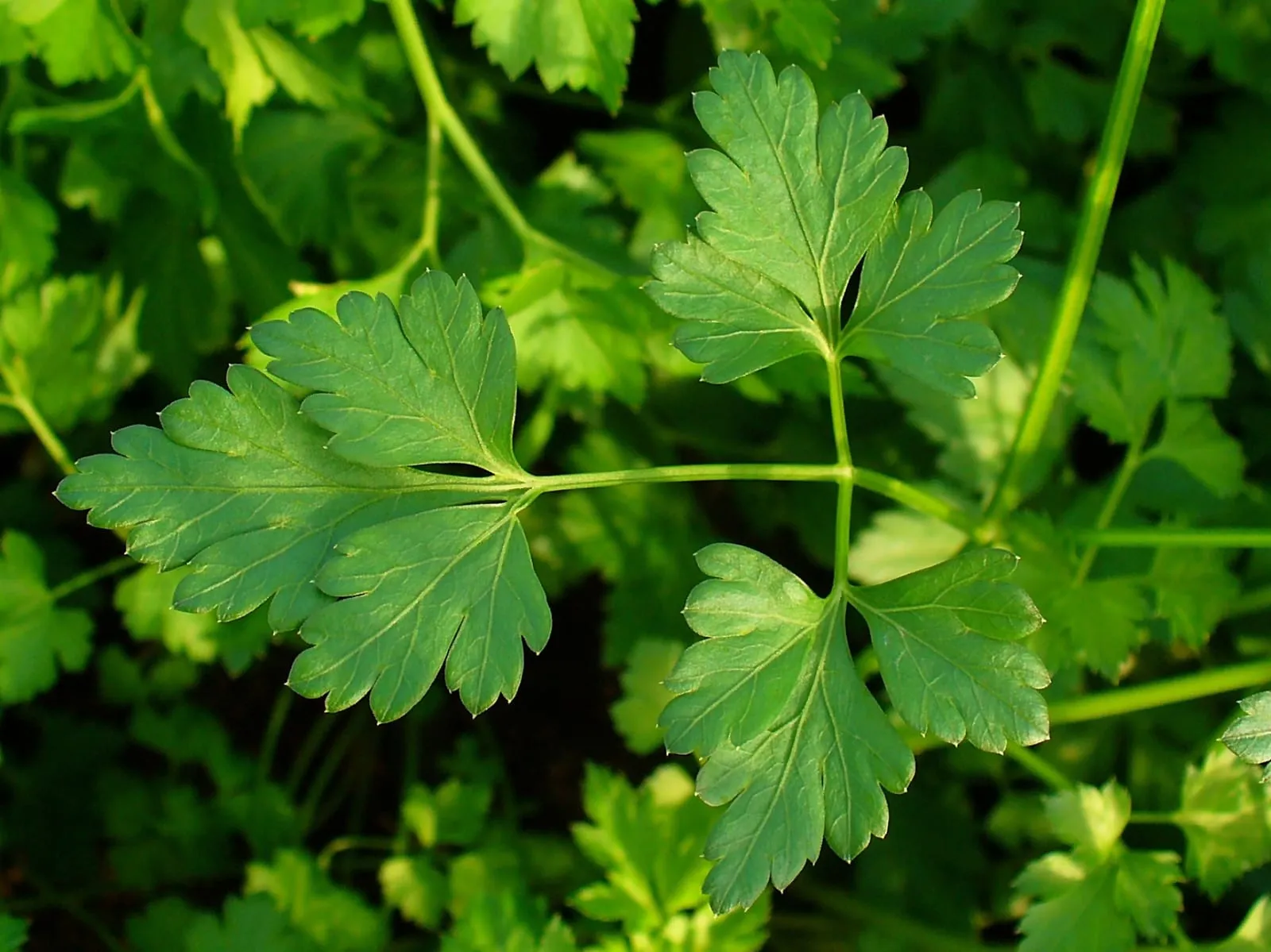
herb in zone 8a
Growing parsley in zone 8a
Petroselinum crispum
- Zone
- 8a 10°F to 15°F
- Growing season
- 240 days
- Suitable varieties
- 2
- Days to harvest
- 70 to 90
The verdict
Parsley is well suited to zone 8a, though growers get the most out of it by leaning into the cool seasons rather than fighting the summer heat. As a biennial that tolerates light frost, parsley thrives through fall, winter, and spring in this zone. Minimum temperatures of 10 to 15°F are cold enough to slow growth and stress unprotected seedlings but rarely cold enough to kill established plants outright, so overwintering without row cover is usually feasible in warmer pockets of the zone.
Parsley does not have chill-hour requirements the way fruit trees do, so that concern does not apply here. The real constraint in zone 8a is the opposite: summer heat causes parsley to bolt and turn bitter months before the first fall frost. The 240-day growing season is not an uninterrupted production window. Plan for a gap in midsummer when the crop is resting or spent, and schedule a second planting in late summer to carry through winter.
Recommended varieties for zone 8a
2 cultivars suited to this zone, with disease-resistance and zone-fit annotations.
| Variety | Notes | Zone fit | Disease resistance |
|---|---|---|---|
| Italian Flat-Leaf fits zone 8a | Strong, clean, classic parsley flavor; flat dark-green leaves. Cooking, garnish, tabbouleh, gremolata. The cook's parsley, more flavor than curly types, the Mediterranean standard. | | none noted |
| Curled / Moss fits zone 8a | Milder, slightly grassy; tightly curled bright green leaves. Garnish, restaurant plate decoration, light cooking use. Heritage variety, ornamental, holds shape in beds. | | none noted |
Critical timing for zone 8a
In zone 8a, fall planting is the most productive window. Sowing or transplanting in late August through October lets plants establish during cooling temperatures and produce through winter. Parsley germinates slowly at any temperature and benefits from pre-soaking seeds for 24 hours before sowing.
Harvest runs from October through April under normal conditions. Bolting typically begins in March or April as day length increases and temperatures climb, signaling the end of the productive spring flush. Spring plantings are possible in February or March but deliver a shorter harvest window before summer heat shuts the plant down. Fall plantings generally outperform spring plantings in zone 8a for total yield per plant.
Common challenges in zone 8a
- ▸ Insufficient chill hours for some apple varieties
- ▸ Pierce's disease in grapes
- ▸ Heat stress on cool-season crops
Modified care for zone 8a
The main adjustment for zone 8a is treating summer as the fallow period rather than the peak season. Plan to pull spent plants by May or June and replant in August rather than attempting to nurse them through 90-plus-degree weeks.
During winter cold snaps below 20°F, a layer of row cover or loose straw mulch around the base of plants reduces the risk of crown damage. Remove it once temperatures moderate to prevent fungal issues in the moist understory.
Black swallowtail caterpillars feed heavily on parsley in the Southeast and can defoliate a plant quickly. Because the caterpillars become pollinators as adults, tolerance is worth considering; plant a few extra starts to offset feeding pressure rather than treating. Aphid colonies can appear on young spring growth and are generally manageable with a strong water spray before resorting to insecticidal soap.
Frequently asked questions
- Can parsley survive winter outdoors in zone 8a?
Yes, established parsley plants typically survive zone 8a winters with minimal protection. During hard freezes below 20°F, a row cover or light straw mulch around the crown reduces risk of damage. Plants may die back slightly but usually recover when temperatures moderate.
- Why does parsley bolt so early in zone 8a?
Bolting in parsley is triggered by a combination of lengthening days and warming temperatures. In zone 8a, that combination arrives by March or April, earlier than in cooler zones. Once a plant bolts, the leaves turn bitter and production declines. Harvesting regularly and keeping plants well watered can slow but not prevent bolting.
- Which parsley variety performs better in zone 8a heat: flat-leaf or curled?
Both Italian Flat-Leaf and Curled types handle zone 8a conditions similarly. Flat-leaf is generally more flavorful and easier to harvest in bulk. Curled holds up slightly better in ornamental plantings. Neither has a meaningful heat tolerance advantage over the other.
- When should parsley be planted in zone 8a for the best yield?
Late August through October is the most productive planting window in zone 8a. Fall-planted parsley establishes during cool weather and produces through winter and spring before bolting. February or March plantings are possible but deliver a shorter harvest window before summer heat ends production.
+−
+−
+−
+−
Parsley in adjacent zones
Image: "Petroselinum crispum 003", by H. Zell, via Wikimedia Commons, licensed under CC-BY Source.

Related