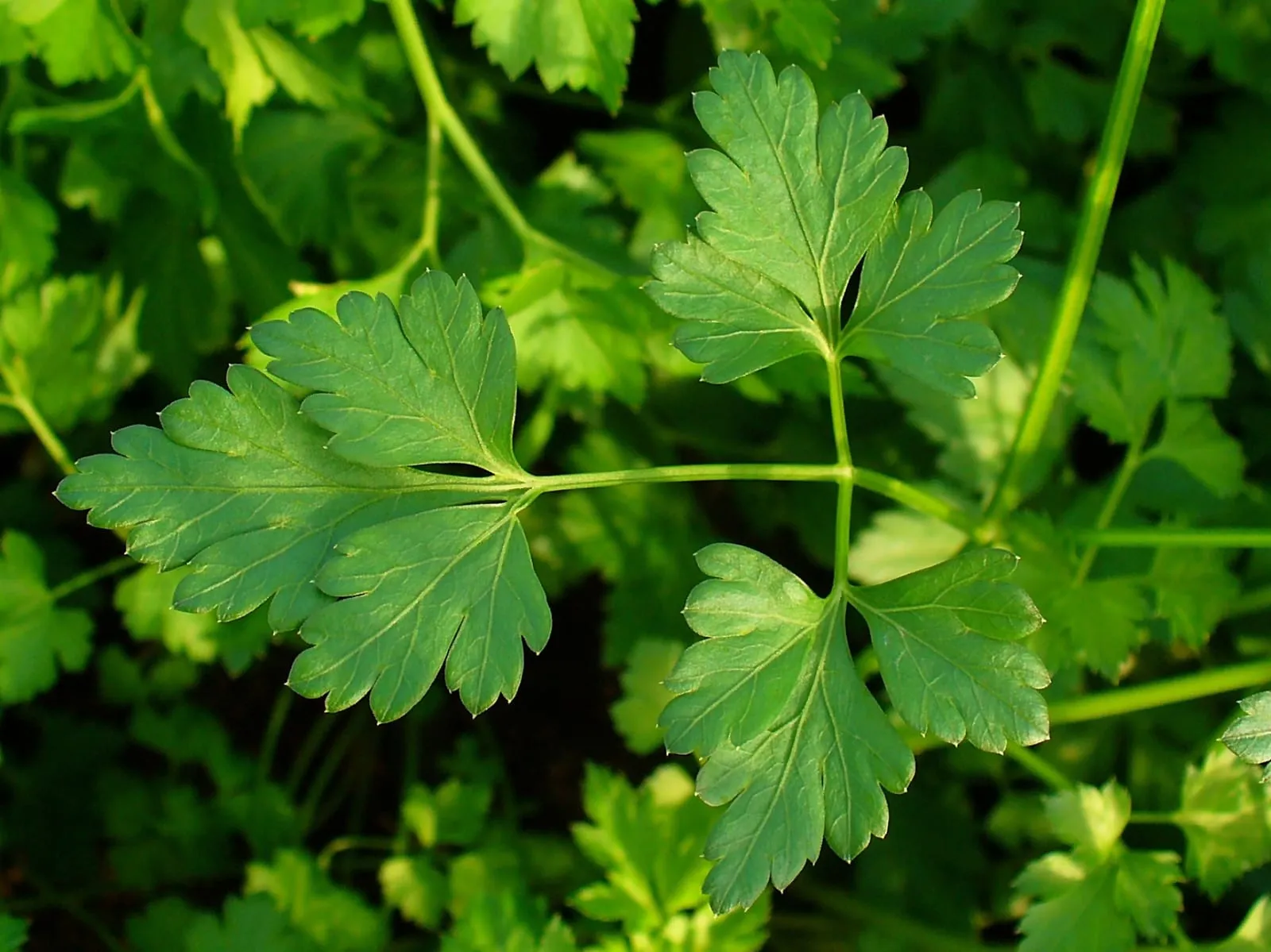
herb in zone 6a
Growing parsley in zone 6a
Petroselinum crispum
- Zone
- 6a -10°F to -5°F
- Growing season
- 180 days
- Suitable varieties
- 3
- Days to harvest
- 70 to 90
The verdict
Parsley is well-suited to zone 6a and performs reliably across all three major variety types. It is a cold-hardy biennial that tolerates temperatures into the single digits without protection, which means zone 6a winters (-10 to -5°F at the extreme) are at the edge of survivability for overwintering crowns but not a dealbreaker with mulch. Unlike fruit crops, parsley has no chill-hour requirement, so the zone's cold winters impose no constraint on performance.
The 180-day growing season gives ample time for a full harvest cycle from a spring direct seeding, and long enough to run a second planting in late summer for fall and early winter cutting. Zone 6a is neither marginal nor exceptional for parsley; it sits comfortably in the center of the crop's range, where the main variables are germination timing relative to last frost and whether growers want to attempt overwintering roots for a second-year seed crop.
Recommended varieties for zone 6a
3 cultivars suited to this zone, with disease-resistance and zone-fit annotations.
| Variety | Notes | Zone fit | Disease resistance |
|---|---|---|---|
| Italian Flat-Leaf fits zone 6a | Strong, clean, classic parsley flavor; flat dark-green leaves. Cooking, garnish, tabbouleh, gremolata. The cook's parsley, more flavor than curly types, the Mediterranean standard. | | none noted |
| Curled / Moss fits zone 6a | Milder, slightly grassy; tightly curled bright green leaves. Garnish, restaurant plate decoration, light cooking use. Heritage variety, ornamental, holds shape in beds. | | none noted |
| Hamburg / Root fits zone 6a | Mild parsley flavor in white parsnip-like root; earthy when cooked. Soups, stews, roasted. Dual-purpose: leaves for garnish, roots for cooking. European heritage variety. | | none noted |
Critical timing for zone 6a
Last frost in zone 6a typically falls between mid-April and early May depending on elevation and local topography. Parsley can be direct-seeded outdoors three to four weeks before that date, or started indoors ten to twelve weeks prior. Germination is notoriously slow, running two to four weeks even under ideal conditions, so early starts pay off.
Harvest of outer stems begins roughly seventy to ninety days after germination, placing first cuts in mid to late summer for a spring seeding. A second planting in late July extends harvest into November before hard freezes shut down new growth. Plants that survive winter as overwintered crowns bolt and flower the following spring, completing the biennial cycle; those flower stems are not useful for culinary harvest.
Common challenges in zone 6a
- ▸ Brown rot in stone fruit
- ▸ Japanese beetles
- ▸ Spring frost damage to peach buds
Modified care for zone 6a
The primary zone 6a adaptation is mulching crowns before the first hard freeze if overwintering is the goal. Three to four inches of straw or shredded leaves over the root zone improves survival odds through the -10 to -5°F temperature range. Without mulch, crown survival is inconsistent and not worth counting on for production planning.
Summer management in zone 6a is straightforward. The season is warm enough for steady growth but rarely hot enough to trigger premature bolting in the first year, which is an advantage over zones 8 and above where heat stress compresses the harvest window. Consistent moisture matters more than any zone-specific adjustment; parsley is prone to slow, uneven germination and stunted growth when the top inch of soil dries out between waterings during establishment.
Frequently asked questions
- Can parsley survive winter in zone 6a?
Crown survival is possible but not guaranteed without mulch. Applying three to four inches of straw over roots before the first hard freeze improves odds significantly. Even with protection, plan for some loss; treating parsley as an annual and replanting each spring is the lower-risk approach.
- Which parsley variety is easiest to grow in zone 6a?
Italian flat-leaf is generally the most vigorous and easiest to harvest in bulk. Curled types are somewhat slower-growing but more cold-tolerant and hold well in the garden into late fall. Hamburg root parsley is grown primarily for its edible taproot and suits growers interested in a dual-use crop.
- Why is my parsley germinating so slowly?
Slow germination is normal, not a zone 6a problem specifically. Parsley seed contains compounds that inhibit germination and benefits from soaking in warm water for 24 hours before sowing. Soil temperature below 50°F also slows germination considerably; a spring planting before soil warms will often sit dormant for three or more weeks.
- When should I start parsley indoors for zone 6a?
Start seeds indoors ten to twelve weeks before the anticipated last frost date. In most of zone 6a, that means February or early March. Use bottom heat to maintain soil temperature around 65 to 70°F for best germination rates.
+−
+−
+−
+−
Parsley in adjacent zones
Image: "Petroselinum crispum 003", by H. Zell, via Wikimedia Commons, licensed under CC-BY Source.

Related