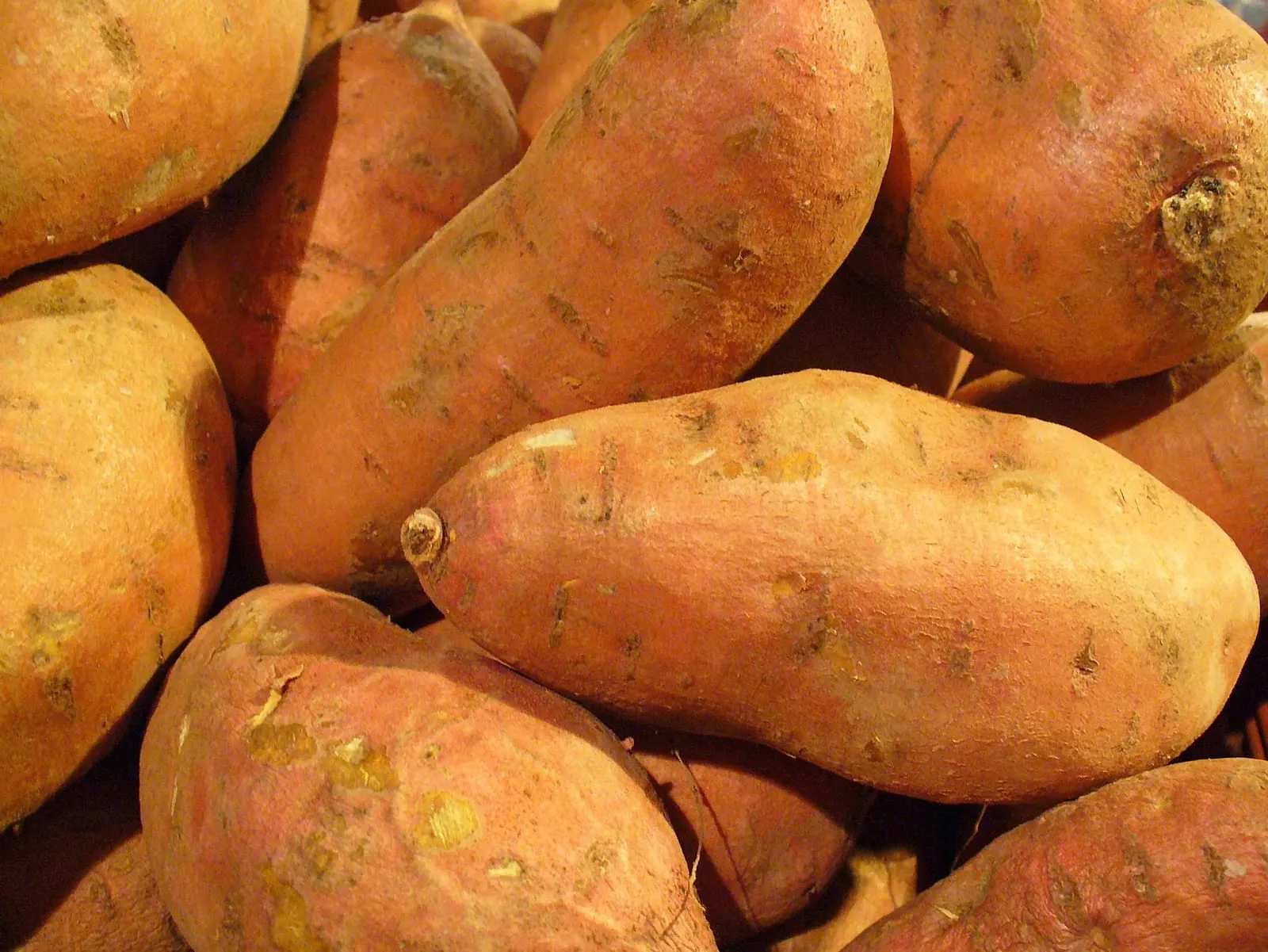
vegetable
Sweet Potato
Ipomoea batatas
USDA hardiness range
- Zones
- 6a–10b
- Days to harvest
- 90 to 130
- Sun
- Full
- Water
- Low
- Lifespan
- annual
Growing sweet potato
Sweet potato (Ipomoea batatas) is one of the most productive warm-season vegetables a home grower can plant, provided the season is long enough. The crop thrives across zones 6a through 10b, where it benefits from sustained heat and a frost-free growing window of at least 90 to 130 days. In zones 8 through 10, production is reliably vigorous; yields often outpace what a small garden can actually use. In zones 6a and 6b, the season is tight. Slips must go in immediately after the last frost date, and harvest must happen before the first fall frost arrives, leaving a narrow window that demands precise timing.
The factor most often underestimated is soil temperature. Air temperature alone does not drive tuber sizing. According to NC State Sweet Potato Production, soil temperatures below 60°F delay establishment and reduce final yield significantly. Cool, wet springs compress the effective harvest window even when the frost-free date looks adequate on paper.
Variety selection matters at the zone margins. At the cooler end of the range, shorter-season varieties like Beauregard (typically 90 to 100 days) give more buffer against early fall frost than long-season types. In hotter zones, the main concern shifts to curing and storage conditions rather than season length.
Recommended varieties
See all 4 →4 cultivars for home growers, with notes on flavor, ripening, and disease resistance.
| Variety | Notes | Zone fit | Disease resistance |
|---|---|---|---|
| Beauregard | Sweet, moist, dense, deep orange flesh; classic Southern sweet potato. Baking, mashing, pies, roasting, fries. Productive Louisiana release, the home-garden orange standard. | | none noted |
| Jewel | Very sweet, moist, dark orange flesh; large copper-skinned roots. Baking, casseroles, candied. Heritage variety, productive, the Thanksgiving sweet potato. | | none noted |
| Murasaki | Mild, dry, almost chestnut-like; purple skin with white flesh. Roasting, baking, the Japanese-style sweet potato. Drier and less sweet than orange types. | | none noted |
| Georgia Jet | Sweet, moist, deep orange; bred for short seasons. Baking, roasting. Earliest-maturing sweet potato (90 days), viable in zone 6 home gardens with full season. | | none noted |
Soil and site requirements
Sweet potatoes perform best in loose, well-drained sandy loam with a pH between 5.8 and 6.2, per NC State Sweet Potato Production. Heavy clay soils restrict tuber expansion and produce misshapen, forked roots even when all other conditions are favorable. If the native soil is clay-dominant, raised beds or ridged rows built from amended soil are a more reliable path than attempting to correct existing soil structure.
Full sun is non-negotiable. Sweet potatoes need at least 8 hours of direct sun daily for adequate vine growth and tuber development. Sites with afternoon shade tend to produce excessive vine growth at the expense of root yield.
Spacing affects tuber size. Slips planted 12 inches apart produce more, smaller roots; spacing out to 18 inches encourages fewer but larger individual tubers. Most home gardeners find 12 to 15 inches a practical middle ground, with rows 36 to 48 inches apart to allow vine spread without crowding.
Microclimate considerations matter in zone 6. South-facing slopes and spots near south-facing masonry accumulate heat faster in spring and retain it longer into fall, meaningfully extending the effective growing window compared to flat open ground at the same latitude.
Common diseases
Common pests
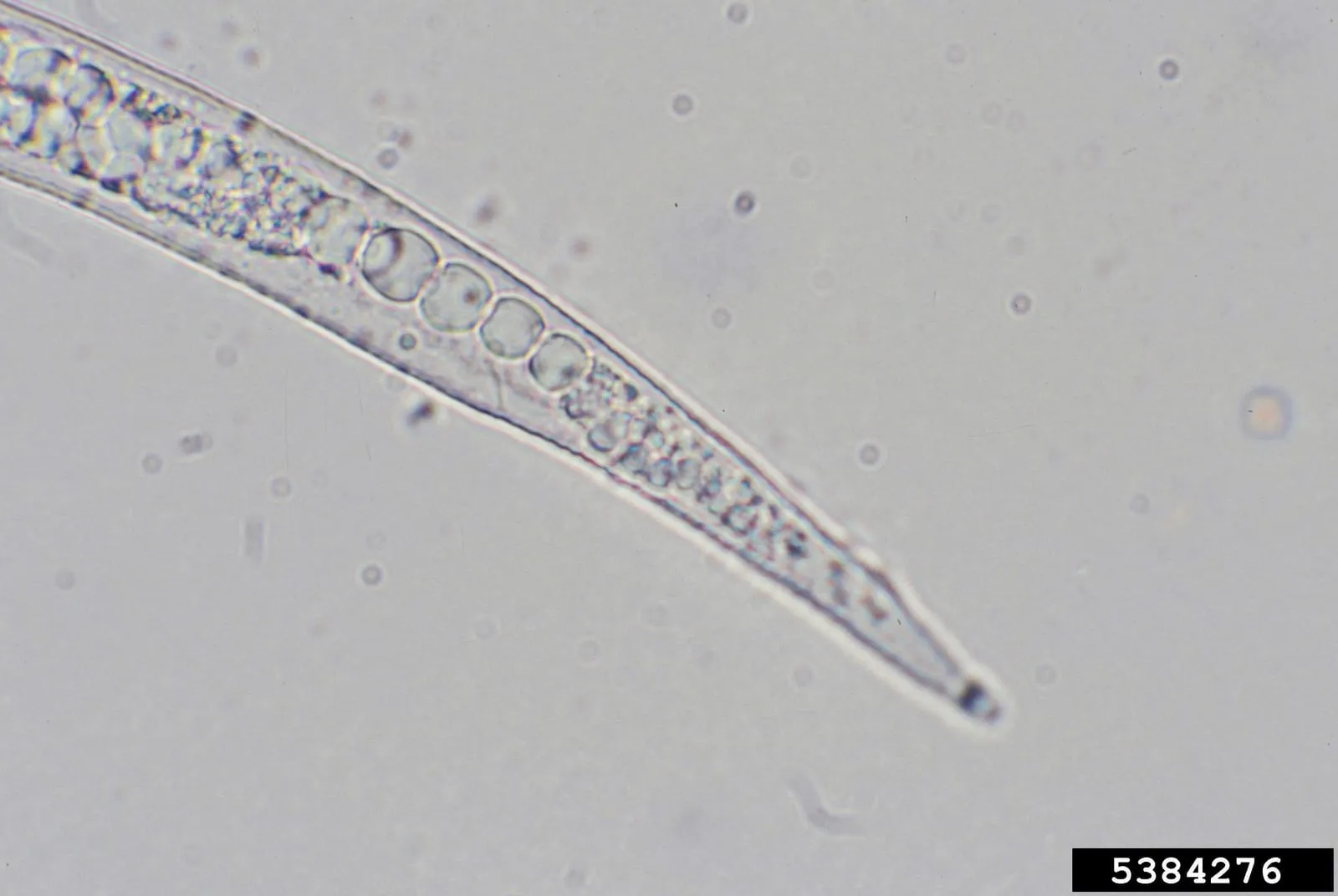
Meloidogyne species
Microscopic soil-dwelling worm that forms galls on roots, reducing vigor and yield.
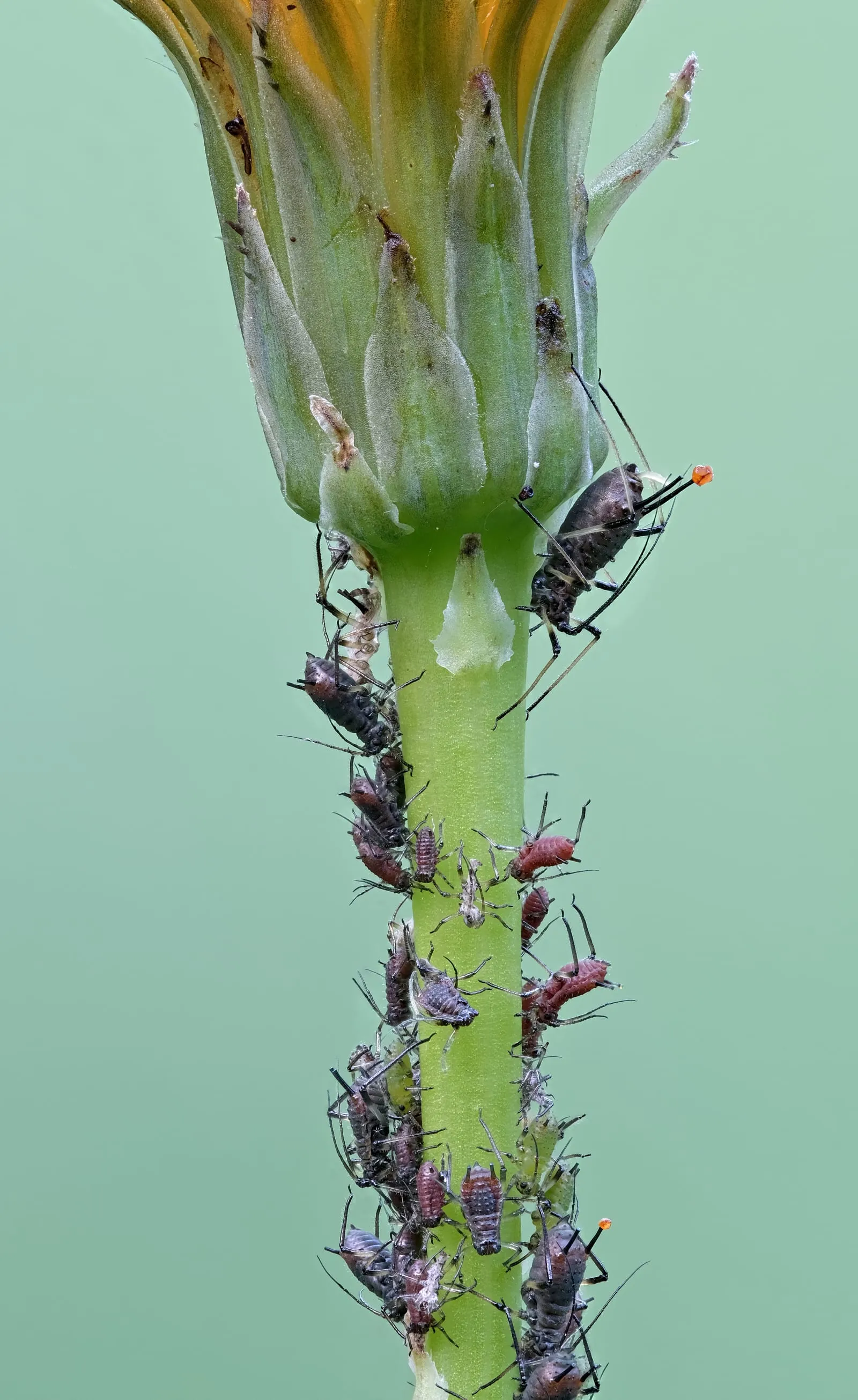
Multiple species (Aphididae)
Small soft-bodied sap-sucking insects that reproduce explosively in spring. Excrete honeydew that supports sooty mold and attracts ants. Transmit viral diseases.
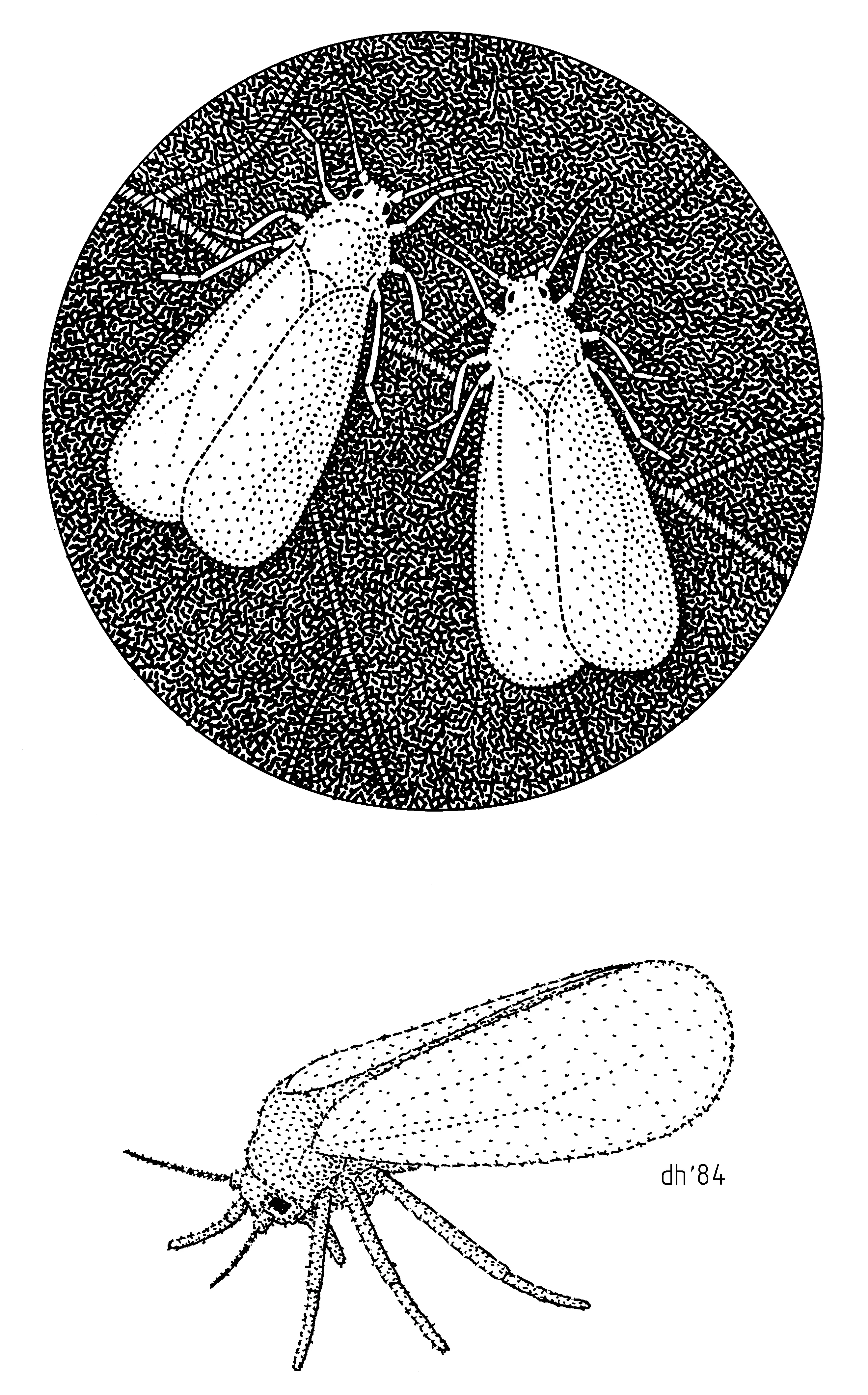
Multiple species (Aleyrodidae)
Tiny white moth-like flying insects that feed on plant sap and excrete honeydew. Transmit numerous viral diseases including tomato yellow leaf curl virus.

Odocoileus species
Whitetail and mule deer browse can devastate orchards and gardens, particularly in winter when food is scarce. Antler rub on young trunks kills saplings outright.
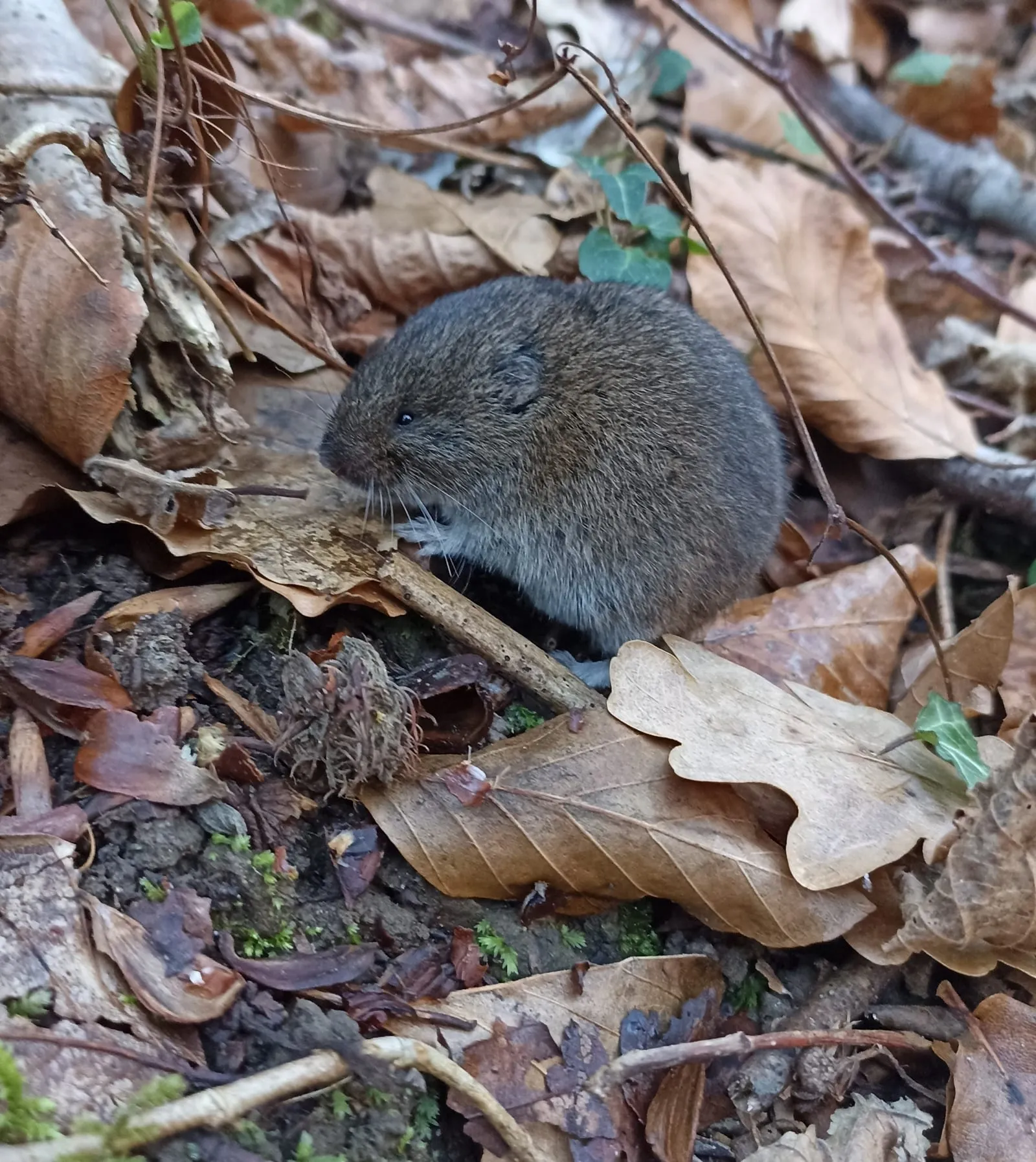
Microtus species
Field voles and meadow voles girdle young fruit-tree trunks under snow cover during winter and chew root crops. The leading cause of mysterious orchard losses.
Common challenges
The most common cause of failure in zones 6 and 7 is frost exposure at either end of the season. Sweet potato slips are highly sensitive to frost. Planting too early before soil has warmed past 60°F stunts early growth and weakens plants; a late spring frost can kill slips outright. At the other end, failing to harvest before the first fall frost causes tuber skins to toughen unpredictably and reduces storability. Monitoring the frost calendar closely and building in a harvest buffer of at least two weeks before the expected first frost date is a reliable practice.
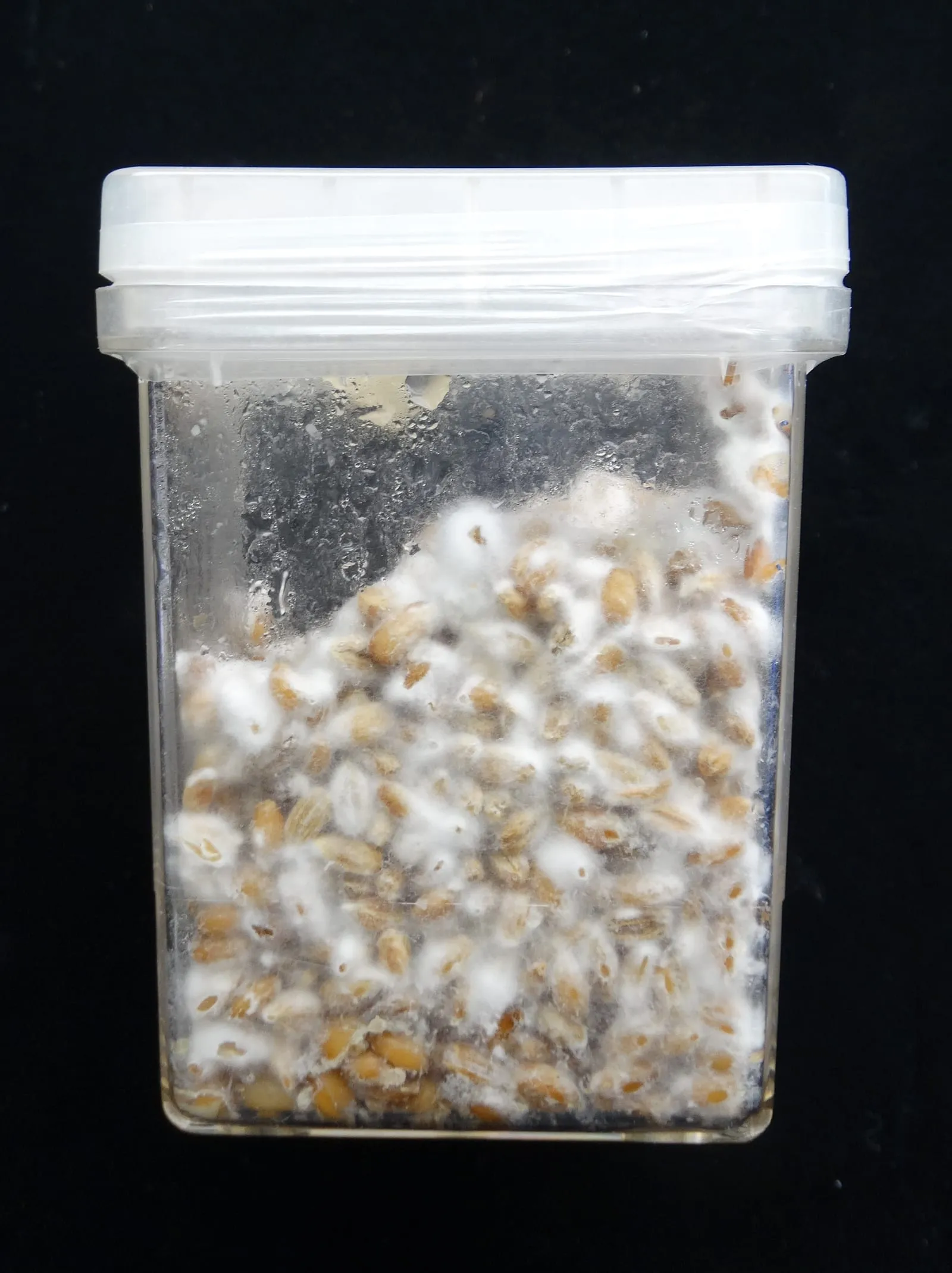
Fusarium wilt, caused by Fusarium oxysporum f. sp. batatas, is a persistent soil-borne threat. The pathogen survives in soil for several years, making crop rotation an essential management tool. Starting with certified disease-free slips is the single most effective preventive measure; slips from an infected plant carry the pathogen regardless of how healthy they appear. NC State Sweet Potato Production covers regional disease management in detail.
Aphid pressure is common, particularly during dry weather. In most seasons, aphid damage to sweet potato foliage is primarily cosmetic and does not meaningfully reduce yield. The concern is virus transmission: aphids can vector sweet potato viruses that cause mosaic symptoms and long-term yield reduction in subsequent seasons if infected plant material is saved for slips.
Companion plants
Frequently asked questions
- Do sweet potatoes require any chilling hours to produce tubers?
No. Sweet potato is a tropical crop with no chilling requirement. Tuber formation is driven by warmth, not cold exposure. The crop needs consistent soil temperatures above 60°F and a long frost-free growing season, not a period of dormancy or cold accumulation.
- How many days does sweet potato take to reach harvest?
Most varieties are ready in 90 to 130 days from transplanting slips. Beauregard, the most widely grown home-garden variety, typically matures in around 90 to 100 days. Leaving tubers in the ground beyond 130 days risks skin cracking and reduced storability.
- What USDA hardiness zones support sweet potato production?
Sweet potato grows as an annual in zones 6a through 10b. Zones 8 through 10 offer the longest growing windows and the most reliable yields. In zones 6a and 6b, the 90 to 130 day requirement fits within the frost-free window, but timing is tight and short-season variety selection is important.
- Are sweet potatoes self-fertile, and do pollinators affect tuber production?
Pollination is not relevant to tuber production. Sweet potatoes are grown from vegetative cuttings called slips, not from seed. The edible root forms regardless of whether the plant flowers or sets seed. Pollination matters only when saving botanical seed for breeding purposes.
- What is the most common disease affecting sweet potatoes?
Fusarium wilt (Fusarium oxysporum f. sp. batatas) is the most significant soil-borne disease. It persists in soil for multiple years. Prevention relies on starting with certified disease-free slips and rotating sweet potatoes out of any bed with a known infection history for at least three to four years.
- Can sweet potatoes be grown successfully in zone 6?
Yes, but the margin is narrow. Most of zone 6 provides enough frost-free days to accommodate the 90 to 130 day harvest window if slips go in promptly after the last frost date. Choosing an early-maturing variety like Beauregard and harvesting before the first fall frost are both necessary to succeed reliably.
- How do you know when sweet potatoes are ready to harvest?
The clearest indicators are days from transplanting and vine condition. Around 90 to 100 days after planting, dig a test plant to check tuber size. Vines beginning to yellow and die back also signal maturity. Harvest before the first frost; cold-damaged tubers do not cure or store well.
+−
+−
+−
+−
+−
+−
+−
Sources
Image: "Ipomoea batatas 006", by Llez, via Wikimedia Commons, licensed under CC-BY. Source.

Sweet Potato by zone
Related