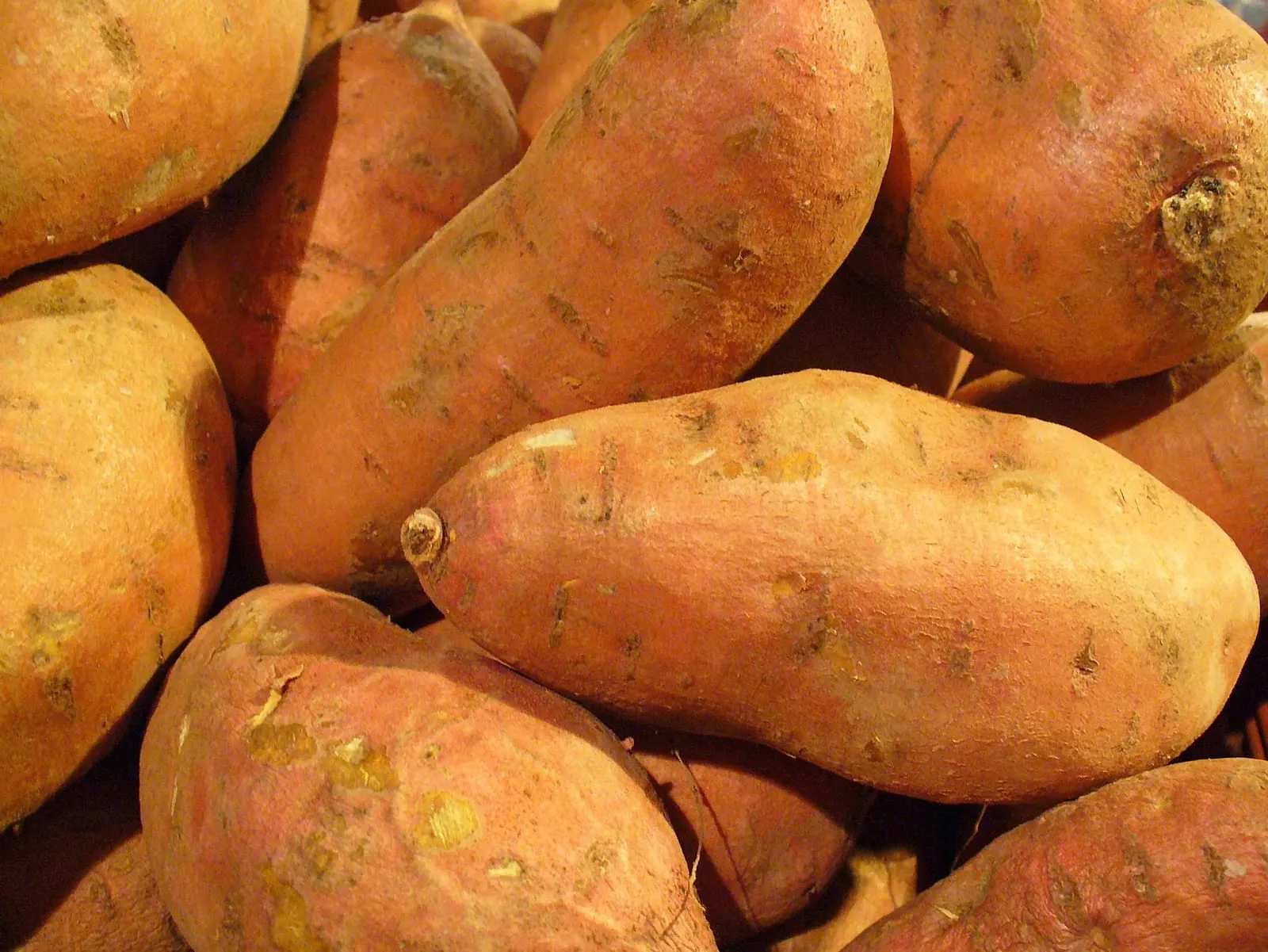
vegetable in zone 7b
Growing sweet potato in zone 7b
Ipomoea batatas
- Zone
- 7b 5°F to 10°F
- Growing season
- 220 days
- Suitable varieties
- 4
- Days to harvest
- 90 to 130
The verdict
Sweet potato is well suited to zone 7b. With a 220-day growing season, the zone comfortably exceeds the 90 to 120 frost-free days the crop needs to produce full-sized storage roots. This is a sweet spot, not a marginal zone.
Sweet potato has no chill-hour requirement; it is a tropical crop that performs best in long, hot summers. Zone 7b delivers both. Soil temperatures across the piedmont and mid-Atlantic typically reach 60°F by mid-May, which is the threshold for slip establishment without stalling or rot.
The main limiting factors in zone 7b are disease pressure rather than climate suitability. Fusarium wilt is established in soils across the region, and late-summer heat and humidity accelerate its spread. Selecting resistant varieties addresses this directly. Beauregard and Georgia Jet both carry useful resistance and perform reliably here. Japanese beetles and brown marmorated stink bug add pest management complexity but do not disqualify the crop.
Recommended varieties for zone 7b
4 cultivars suited to this zone, with disease-resistance and zone-fit annotations.
| Variety | Notes | Zone fit | Disease resistance |
|---|---|---|---|
| Beauregard fits zone 7b | Sweet, moist, dense, deep orange flesh; classic Southern sweet potato. Baking, mashing, pies, roasting, fries. Productive Louisiana release, the home-garden orange standard. | | none noted |
| Jewel fits zone 7b | Very sweet, moist, dark orange flesh; large copper-skinned roots. Baking, casseroles, candied. Heritage variety, productive, the Thanksgiving sweet potato. | | none noted |
| Murasaki fits zone 7b | Mild, dry, almost chestnut-like; purple skin with white flesh. Roasting, baking, the Japanese-style sweet potato. Drier and less sweet than orange types. | | none noted |
| Georgia Jet fits zone 7b | Sweet, moist, deep orange; bred for short seasons. Baking, roasting. Earliest-maturing sweet potato (90 days), viable in zone 6 home gardens with full season. | | none noted |
Critical timing for zone 7b
Slips (rooted cuttings) go in the ground after last frost, typically mid-April through early May in zone 7b, once soil temperatures hold consistently above 60°F. Planting earlier risks slip failure or stunted establishment in cold, wet soil.
With a 90 to 120 day window to maturity, a May 1 planting targets harvest from late August through September. Zone 7b's first fall frost typically arrives late October to early November, leaving a comfortable buffer. Harvest should complete well before ground temperatures drop significantly; roots left in cool soil become susceptible to chilling injury and internal rot.
Sweet potato flowers infrequently under typical North American daylength and temperature conditions and is grown entirely for its storage roots. Bloom timing is not a relevant consideration for production planning.
Common challenges in zone 7b
- ▸ Cedar-apple rust pressure heavy in piedmont
- ▸ Japanese beetles
- ▸ Brown marmorated stink bug
- ▸ Late summer disease pressure
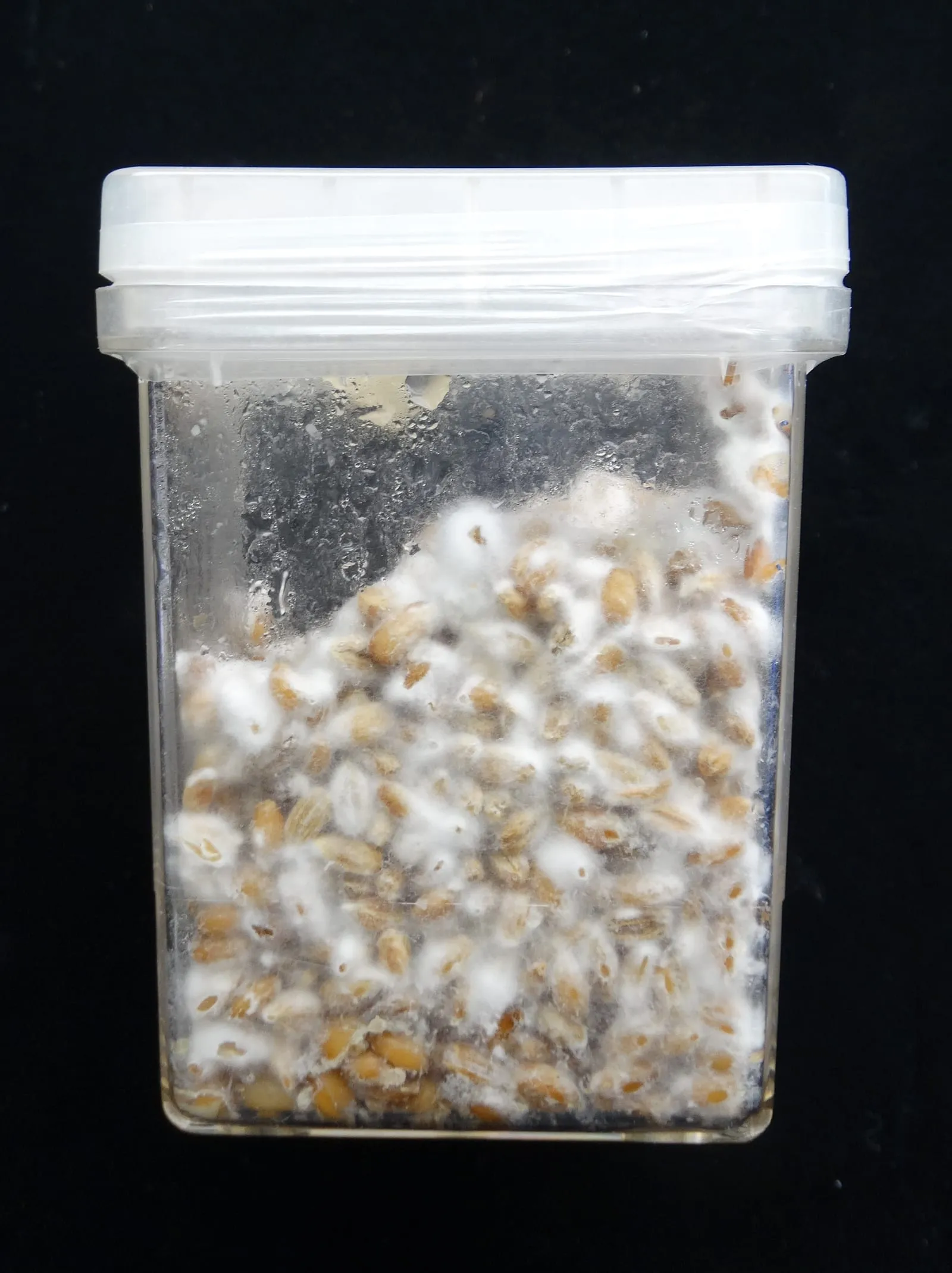
Disease pressure to watch for
Modified care for zone 7b
Rotation is the most important management adjustment in zone 7b. Fusarium wilt persists in soil for years, and planting sweet potatoes in the same ground more than once every three to four years accelerates pathogen buildup regardless of variety. Resistant selections (Beauregard, Georgia Jet) reduce but do not eliminate this pressure.
Heavy mulching through June and July conserves moisture and moderates soil temperature spikes that cause root cracking and forking. August heat in zone 7b can be sustained and intense; consistent irrigation during root expansion from mid-June through mid-August matters more here than in cooler parts of the crop's range.
In the final two to three weeks before harvest, reduce irrigation to improve storage quality and skin set. Brown marmorated stink bug populations peak in late summer and can damage roots near the soil surface, so timing harvest before populations reach their seasonal high keeps surface damage manageable.
Sweet Potato in adjacent zones
Image: "Ipomoea batatas 006", by Llez, via Wikimedia Commons, licensed under CC-BY Source.

Related