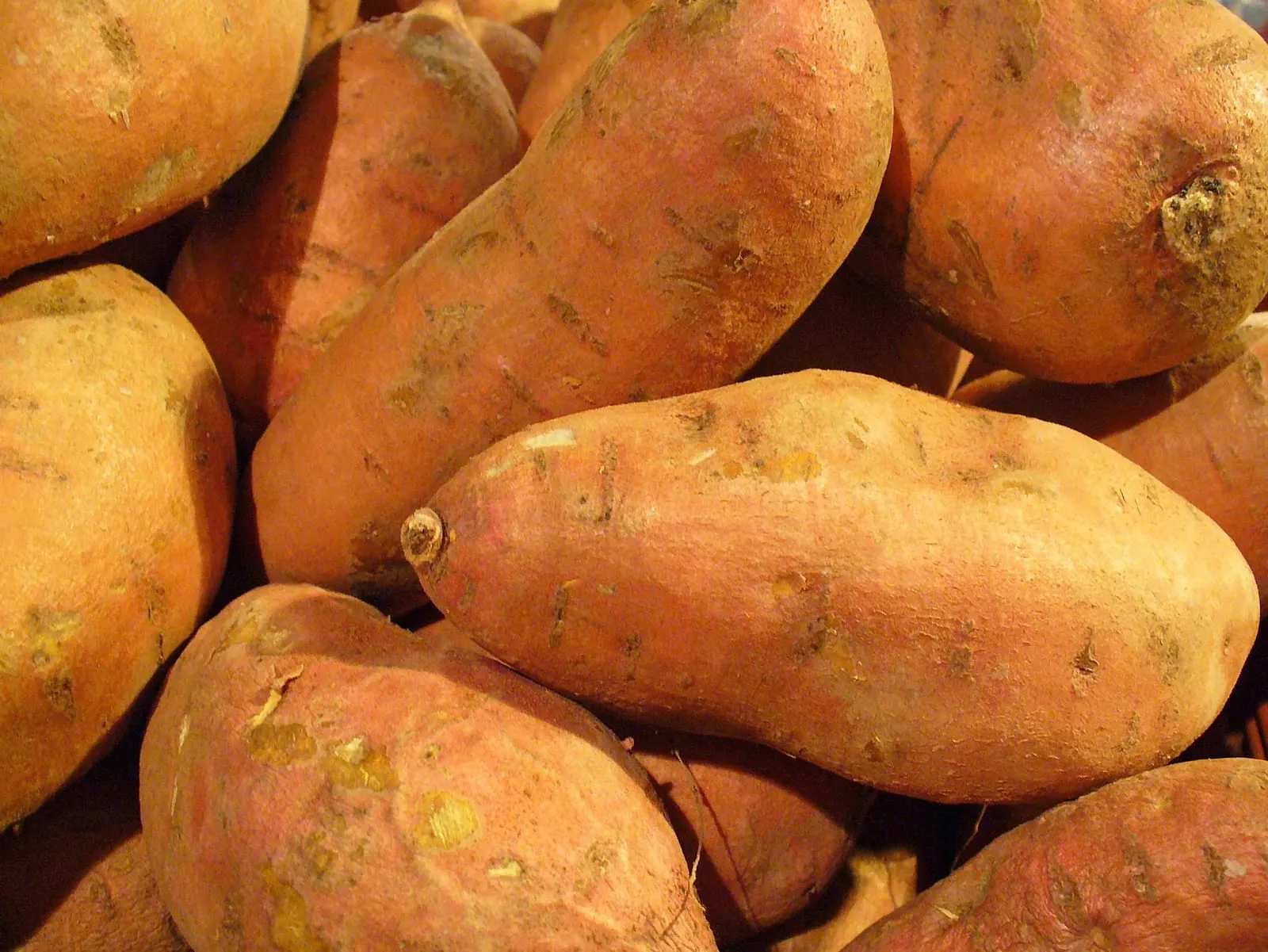
vegetable in zone 7a
Growing sweet potato in zone 7a
Ipomoea batatas
- Zone
- 7a 0°F to 5°F
- Growing season
- 210 days
- Suitable varieties
- 4
- Days to harvest
- 90 to 130
The verdict
Zone 7a is a reliable sweet spot for sweet potato production. Unlike fruit crops, sweet potatoes carry no chill-hour requirement. What they need instead is a long stretch of warm soil and air temperatures, and zone 7a's 210-day growing season delivers that comfortably. Slips require soil temperatures at or above 65°F to establish well, and that threshold is typically reached by early May in zone 7a, leaving 150 or more frost-free days for vine growth and root development before fall temperatures tighten.
Beauregard, Jewel, Murasaki, and Georgia Jet all perform consistently in this zone. Georgia Jet matures in roughly 90 days, which provides useful insurance against an early frost. Fusarium wilt is the primary soil-borne disease risk to manage; it is endemic in many mid-Atlantic and upper-South soils, and planting certified disease-free slips into raised, well-drained beds is the standard mitigation. Overall, zone 7a offers sweet potatoes more than enough season length without the excessive summer heat stress common in zones 9 and above.
Recommended varieties for zone 7a
4 cultivars suited to this zone, with disease-resistance and zone-fit annotations.
| Variety | Notes | Zone fit | Disease resistance |
|---|---|---|---|
| Beauregard fits zone 7a | Sweet, moist, dense, deep orange flesh; classic Southern sweet potato. Baking, mashing, pies, roasting, fries. Productive Louisiana release, the home-garden orange standard. | | none noted |
| Jewel fits zone 7a | Very sweet, moist, dark orange flesh; large copper-skinned roots. Baking, casseroles, candied. Heritage variety, productive, the Thanksgiving sweet potato. | | none noted |
| Murasaki fits zone 7a | Mild, dry, almost chestnut-like; purple skin with white flesh. Roasting, baking, the Japanese-style sweet potato. Drier and less sweet than orange types. | | none noted |
| Georgia Jet fits zone 7a | Sweet, moist, deep orange; bred for short seasons. Baking, roasting. Earliest-maturing sweet potato (90 days), viable in zone 6 home gardens with full season. | | none noted |
Critical timing for zone 7a
In zone 7a, the practical planting window opens 2 to 3 weeks after the average last frost date, once soil at 4-inch depth holds at 65°F or above. For most zone 7a locations, that falls between late April and mid-May. Planting earlier into cold soil stalls slip establishment and invites rot.
Harvest timing is driven by days-to-maturity and the fall frost deadline rather than a bloom window; sweet potato flowering is largely incidental to root production. At 90 to 120 days from transplant, expect harvest windows running from late July through mid-October depending on variety. The goal is to dig before the first hard frost, which arrives in zone 7a between late October and early November on average. Roots left in the ground through a freeze suffer skin damage that shortens storage life significantly.
Common challenges in zone 7a
- ▸ Cedar-apple rust
- ▸ Brown rot
- ▸ Fire blight
- ▸ High humidity disease pressure
Disease pressure to watch for
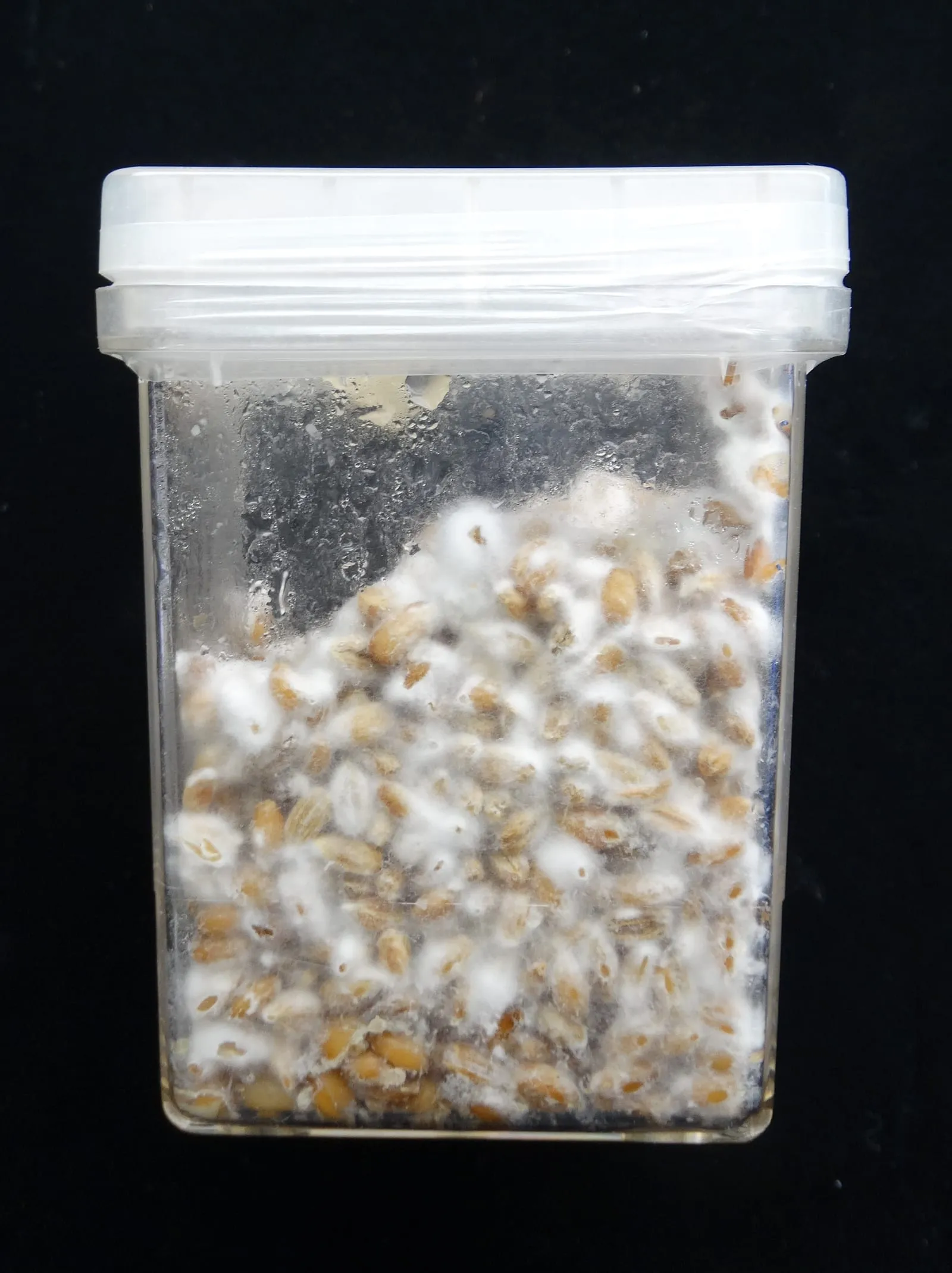
Modified care for zone 7a
The primary adaptation in zone 7a is Fusarium wilt management. Rotating sweet potato beds on a 3- to 4-year cycle and sourcing certified slip stock are non-negotiable in soils with any history of the disease. Resistant varieties like Beauregard and Jewel help, though no variety is fully immune under heavy inoculum pressure.
High humidity through summer elevates the risk of storage root surface infections during curing. Curing freshly dug roots at 80 to 85°F with 85 to 90 percent relative humidity for 7 to 10 days hardens the skin and heals harvest cuts; inadequate curing under zone 7a's variable fall humidity is the most common cause of storage losses. Mulching beds with 3 to 4 inches of straw conserves soil moisture during dry stretches in July and August, when roots are sizing. No winter protection is required since sweet potatoes are grown as annuals and the plant does not overwinter in zone 7a.
Frequently asked questions
- When should sweet potato slips be planted in zone 7a?
Plant slips 2 to 3 weeks after the last frost date, once soil temperatures reach 65°F at 4-inch depth. In most zone 7a locations, that falls between late April and mid-May. Cold soil at planting stalls establishment and increases slip rot.
- Which sweet potato varieties perform best in zone 7a?
Beauregard, Jewel, Murasaki, and Georgia Jet are all well-suited to zone 7a. Georgia Jet's 90-day maturity provides the most buffer against an early fall frost. Beauregard and Jewel offer stronger Fusarium wilt resistance, which matters in soils with disease history.
- How serious is Fusarium wilt for sweet potatoes in zone 7a?
Fusarium wilt is the most significant soil-borne threat in this region. The pathogen persists in soil for years, so crop rotation every 3 to 4 years and planting certified disease-free slips are the primary controls. Resistant varieties reduce but do not eliminate risk under heavy disease pressure.
- Does zone 7a have a long enough growing season for sweet potatoes?
Yes. Zone 7a's 210-day growing season well exceeds the 90 to 120 days sweet potatoes need from transplant to harvest. The limiting factor is soil temperature at planting, not season length.
+−
+−
+−
+−
Sweet Potato in adjacent zones
Image: "Ipomoea batatas 006", by Llez, via Wikimedia Commons, licensed under CC-BY Source.

Related