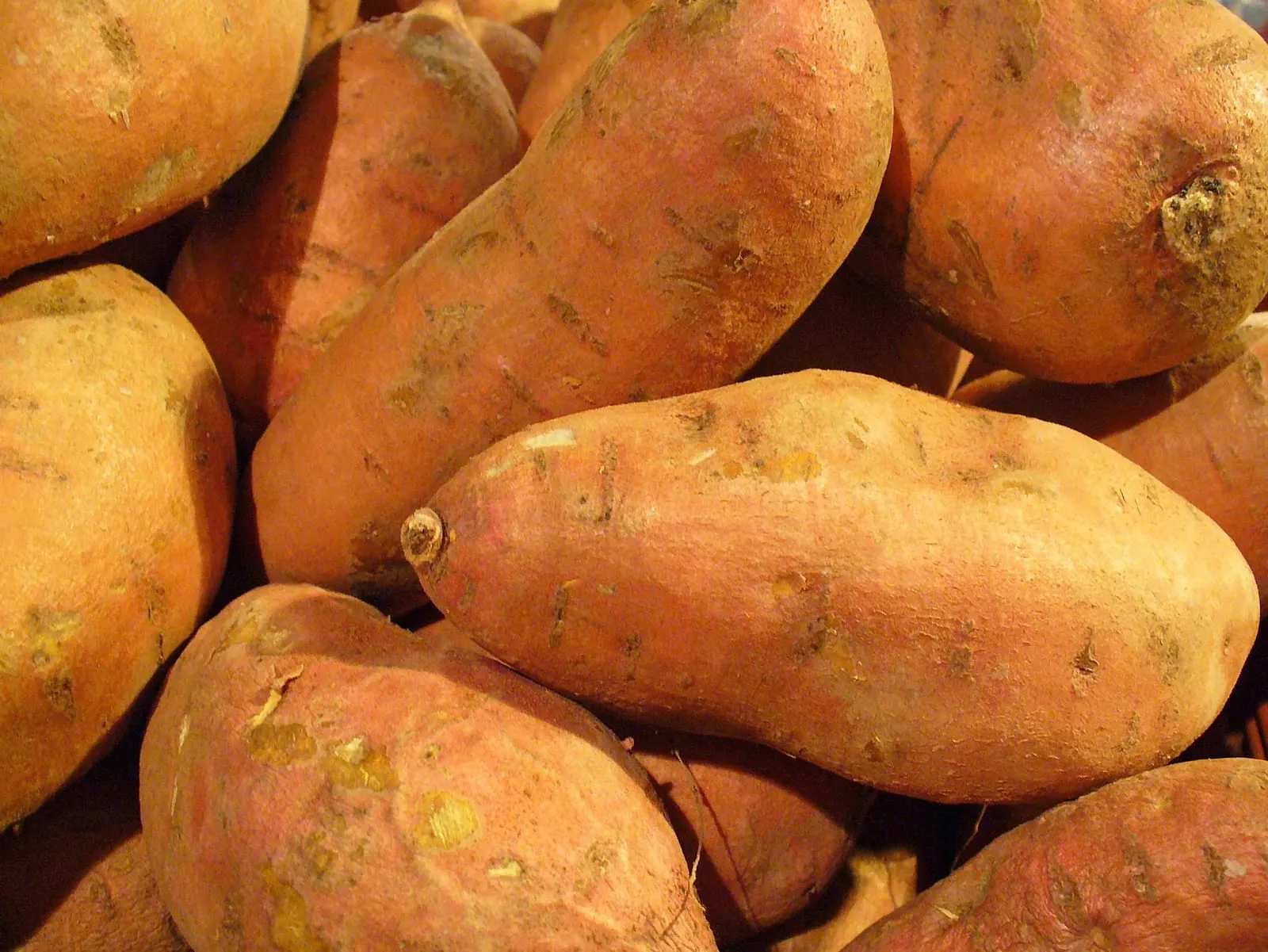
vegetable in zone 6b
Growing sweet potato in zone 6b
Ipomoea batatas
- Zone
- 6b -5°F to 0°F
- Growing season
- 190 days
- Suitable varieties
- 2
- Days to harvest
- 90 to 130
The verdict
Sweet potato is a warm-season root crop with no chill-hour requirement, so zone 6b's winter lows (-5 to 0°F) are not the limiting factor. The binding constraint is whether the frost-free window is long enough and warm enough for roots to size up. Zone 6b's 190-day growing season clears the minimum threshold: most sweet potato varieties need 90 to 120 frost-free days, leaving meaningful margin. That said, zone 6b is workable rather than a sweet spot. The crop originates in tropical and subtropical climates, and it responds to cool soil in spring by stalling or rotting slips before they establish. Beauregard and Georgia Jet, both maturing in 90 to 100 days, are appropriate variety choices precisely because they finish before the first fall frost even with a conservative planting date. Growers in the cooler parts of 6b, where soils warm slowly and springs are wet, will see more variability in stand establishment than growers in zone 8 or 9.
Recommended varieties for zone 6b
2 cultivars suited to this zone, with disease-resistance and zone-fit annotations.
| Variety | Notes | Zone fit | Disease resistance |
|---|---|---|---|
| Beauregard fits zone 6b | Sweet, moist, dense, deep orange flesh; classic Southern sweet potato. Baking, mashing, pies, roasting, fries. Productive Louisiana release, the home-garden orange standard. | | none noted |
| Georgia Jet fits zone 6b | Sweet, moist, deep orange; bred for short seasons. Baking, roasting. Earliest-maturing sweet potato (90 days), viable in zone 6 home gardens with full season. | | none noted |
Critical timing for zone 6b
Slips go into the ground after the last frost and, critically, after soil temperatures at 4-inch depth reach at least 60°F. In zone 6b, that combination typically aligns in mid-May to early June. Harvest follows 90 to 110 days later, placing the dig window from mid-August through mid-September for early plantings. Leaving roots in the ground past the first light frost, which in zone 6b typically arrives in late September to mid-October, causes skin damage and significantly shortens storage life. Sweet potato plants rarely flower in zone 6b; the season is too short and too cool to trigger the flowering response reliably. Harvest timing should be guided by days-to-maturity and vine senescence rather than bloom.
Common challenges in zone 6b
- ▸ Cedar-apple rust
- ▸ Fire blight
- ▸ Stink bugs
Disease pressure to watch for
Modified care for zone 6b
Zone 6b growers benefit from actively managing soil temperature at the start of the season. Black plastic mulch laid 2 to 3 weeks before transplanting accelerates soil warming by 5 to 10°F and can push the planting date 1 to 2 weeks earlier. This extra margin matters when working with a 90-day variety. Fusarium wilt is a soil-persistent disease that can carry over between seasons; use certified disease-free slips and rotate sweet potatoes on a minimum 3-year cycle. Beds with a history of Fusarium problems should be rested longer or amended before replanting. Stink bugs feed on developing roots and are a documented pressure across much of zone 6b; floating row cover during early vine establishment reduces feeding damage without pesticide input. Once vines begin to run aggressively, remove the cover to allow full canopy development.
Frequently asked questions
- Can sweet potatoes survive winter in zone 6b if left in the ground?
No. Sweet potato roots are damaged by soil temperatures below 50°F and will rot or become inedible if left in the ground through a zone 6b winter. Dig all roots before the first hard frost, cure them at 85 to 90°F for 5 to 7 days, then store at 55 to 60°F.
- Which variety is better for zone 6b: Beauregard or Georgia Jet?
Georgia Jet, which matures in approximately 90 days, offers more buffer against early fall frosts in zone 6b. Beauregard typically needs 95 to 100 days and is better suited to longer-season zones, though it performs adequately with an early planting date and plastic mulch to speed soil warming.
- How do I know when sweet potatoes are ready to harvest in zone 6b?
Check days-to-maturity for the variety planted and monitor the vine; yellowing foliage signals the roots are sizing down. Dig a test hill before committing to harvest. In zone 6b, the approach of the first fall frost is often the practical deadline, regardless of vine appearance.
+−
+−
+−
Sweet Potato in adjacent zones
Image: "Ipomoea batatas 006", by Llez, via Wikimedia Commons, licensed under CC-BY Source.

Related