vegetable in zone 6a
Growing sweet potato in zone 6a
Ipomoea batatas
- Zone
- 6a -10°F to -5°F
- Growing season
- 180 days
- Suitable varieties
- 1
- Days to harvest
- 90 to 130
The verdict
Sweet potato has no chilling requirement. The binding constraint in zone 6a is heat accumulation and growing season length, not winter hardiness. With a 180-day frost-free window, zone 6a sits at the northern edge of reliable sweet potato production. Most varieties need 90 to 120 days from slip transplant to harvest. That fits within the zone's season, but leaves little margin for a cool late spring or an early fall frost.
Georgia Jet is the variety best matched to zone 6a conditions. Rated by most extension sources at approximately 90 days to maturity, it consistently outperforms longer-season cultivars where summer heat is compressed into a shorter window. Sweet potato does not tolerate frost at any growth stage and requires soil temperatures above 65°F before transplanting slips. In zone 6a, those conditions typically arrive in late May to early June, two to four weeks later than in zones 7 and above. Slips pushed into cold soil establish poorly, and the lost growth time can cost the harvest.
Recommended varieties for zone 6a
1 cultivar suited to this zone, with disease-resistance and zone-fit annotations.
| Variety | Notes | Zone fit | Disease resistance |
|---|---|---|---|
| Georgia Jet fits zone 6a | Sweet, moist, deep orange; bred for short seasons. Baking, roasting. Earliest-maturing sweet potato (90 days), viable in zone 6 home gardens with full season. | | none noted |
Critical timing for zone 6a
Sweet potato harvest is driven by days from transplant, not by a bloom-to-fruit window. In zone 6a, slips should go in the ground no earlier than two weeks after the average last frost date and only once soil temperature has stabilized at 65°F at a 4-inch depth. Depending on location within the zone, that threshold is typically crossed between late May and mid-June.
With Georgia Jet at roughly 90 days, the harvest window falls between late August and mid-September, ahead of the average first fall frost for most zone 6a locations. Growers should spot-dig a hill to assess root size before pulling the full planting. Roots left in the ground after even a light frost suffer internal breakdown and will not cure or store correctly.
Common challenges in zone 6a
- ▸ Brown rot in stone fruit
- ▸ Japanese beetles
- ▸ Spring frost damage to peach buds
Disease pressure to watch for
Modified care for zone 6a
Soil warming is the most important adaptation for zone 6a. Laying black plastic mulch two to three weeks before transplanting raises soil temperature by roughly 5 to 10 degrees Fahrenheit at planting depth, which can advance the viable transplant date and meaningfully extend the effective growing season. In the northern portion of the zone, this practice shifts from helpful to necessary.
Starting slips indoors from saved roots or purchased certified stock in early April ensures transplant-ready material is available when soil conditions are met. Waiting on commercial availability at local garden centers frequently means missing the optimal window.
Fusarium wilt is the primary disease risk for sweet potato in zone 6a. Rotating planting beds on a three- to four-year cycle and sourcing certified disease-free slips are the standard preventive steps. Where wilt has been observed in a bed previously, selecting a resistant variety is the most reliable long-term control. Wilt pressure is generally lower in zone 6a than in the Deep South, but the pathogen persists in soil and is not absent from northern plantings.
Sweet Potato in adjacent zones
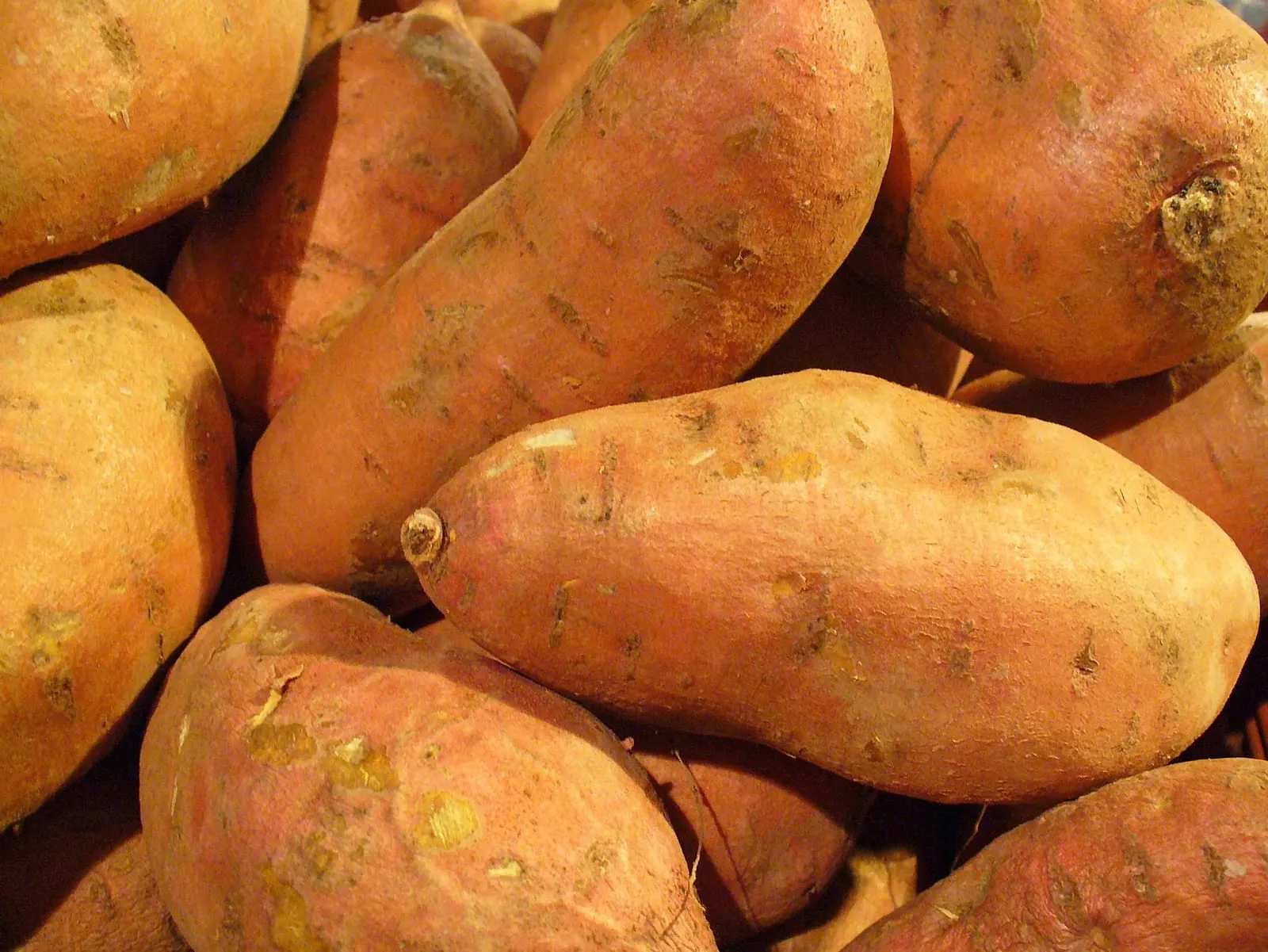
Image: "Ipomoea batatas 006", by Llez, via Wikimedia Commons, licensed under CC-BY Source.

Related