vegetable in zone 8a
Growing sweet potato in zone 8a
Ipomoea batatas
- Zone
- 8a 10°F to 15°F
- Growing season
- 240 days
- Suitable varieties
- 4
- Days to harvest
- 90 to 130
The verdict
Sweet potatoes have no chill-hour requirement and thrive in exactly the conditions zone 8a delivers: long, hot summers and a growing season of roughly 240 frost-free days. The crop needs 120 to 150 days from slip transplant to harvest; zone 8a provides that with significant margin, making this a sweet spot rather than a marginal zone.
Beauregard and Jewel are the dominant commercial varieties across the Southeast, where zone 8a prevails through much of Georgia, Alabama, and the Carolinas. Both carry reliable field performance under high summer heat. Murasaki, a purple-skinned Japanese selection with white flesh and a drier, chestnut-like texture, also performs well in zone 8a conditions. Georgia Jet matures in as few as 90 days, useful as insurance if a wet spring delays planting.
The primary zone-specific risk is Fusarium Wilt, a soil-borne pathogen that persists in warm, sandy soils common across zone 8a. That risk is manageable through rotation and certified slip stock, not a reason to avoid the crop.
Recommended varieties for zone 8a
4 cultivars suited to this zone, with disease-resistance and zone-fit annotations.
| Variety | Notes | Zone fit | Disease resistance |
|---|---|---|---|
| Beauregard fits zone 8a | Sweet, moist, dense, deep orange flesh; classic Southern sweet potato. Baking, mashing, pies, roasting, fries. Productive Louisiana release, the home-garden orange standard. | | none noted |
| Jewel fits zone 8a | Very sweet, moist, dark orange flesh; large copper-skinned roots. Baking, casseroles, candied. Heritage variety, productive, the Thanksgiving sweet potato. | | none noted |
| Murasaki fits zone 8a | Mild, dry, almost chestnut-like; purple skin with white flesh. Roasting, baking, the Japanese-style sweet potato. Drier and less sweet than orange types. | | none noted |
| Georgia Jet fits zone 8a | Sweet, moist, deep orange; bred for short seasons. Baking, roasting. Earliest-maturing sweet potato (90 days), viable in zone 6 home gardens with full season. | | none noted |
Critical timing for zone 8a
The last spring frost in zone 8a falls between late February and mid-March in most locations, though low-lying areas and inland sites can see freezes into late March. Sweet potato slips should not go in until soil temperature holds steady at 65°F or above, which typically arrives in April. Cold soil at transplant time slows establishment and increases root rot risk more than a delayed planting date does.
Sweet potatoes grown in temperate conditions rarely flower in a way that affects harvest scheduling. The crop is ready when vines begin to yellow and senesce naturally, or when the first fall frost approaches. In zone 8a, that window falls between mid-October and late November depending on location. Roots left in the ground past a hard freeze (below 32°F) develop chilling injury that shortens storage life significantly.
Common challenges in zone 8a
- ▸ Insufficient chill hours for some apple varieties
- ▸ Pierce's disease in grapes
- ▸ Heat stress on cool-season crops
Disease pressure to watch for
Modified care for zone 8a
Zone 8a summers provide the heat sweet potatoes prefer, but that same heat creates irregular moisture demand. Inconsistent soil moisture during the root-bulking period, roughly 60 to 100 days after transplant, produces cracked or forked roots. Drip irrigation or consistent overhead watering during dry spells in July and August matters more than irrigation timing at other growth stages. A 3- to 4-inch mulch layer reduces soil temperature swings and slows moisture loss.
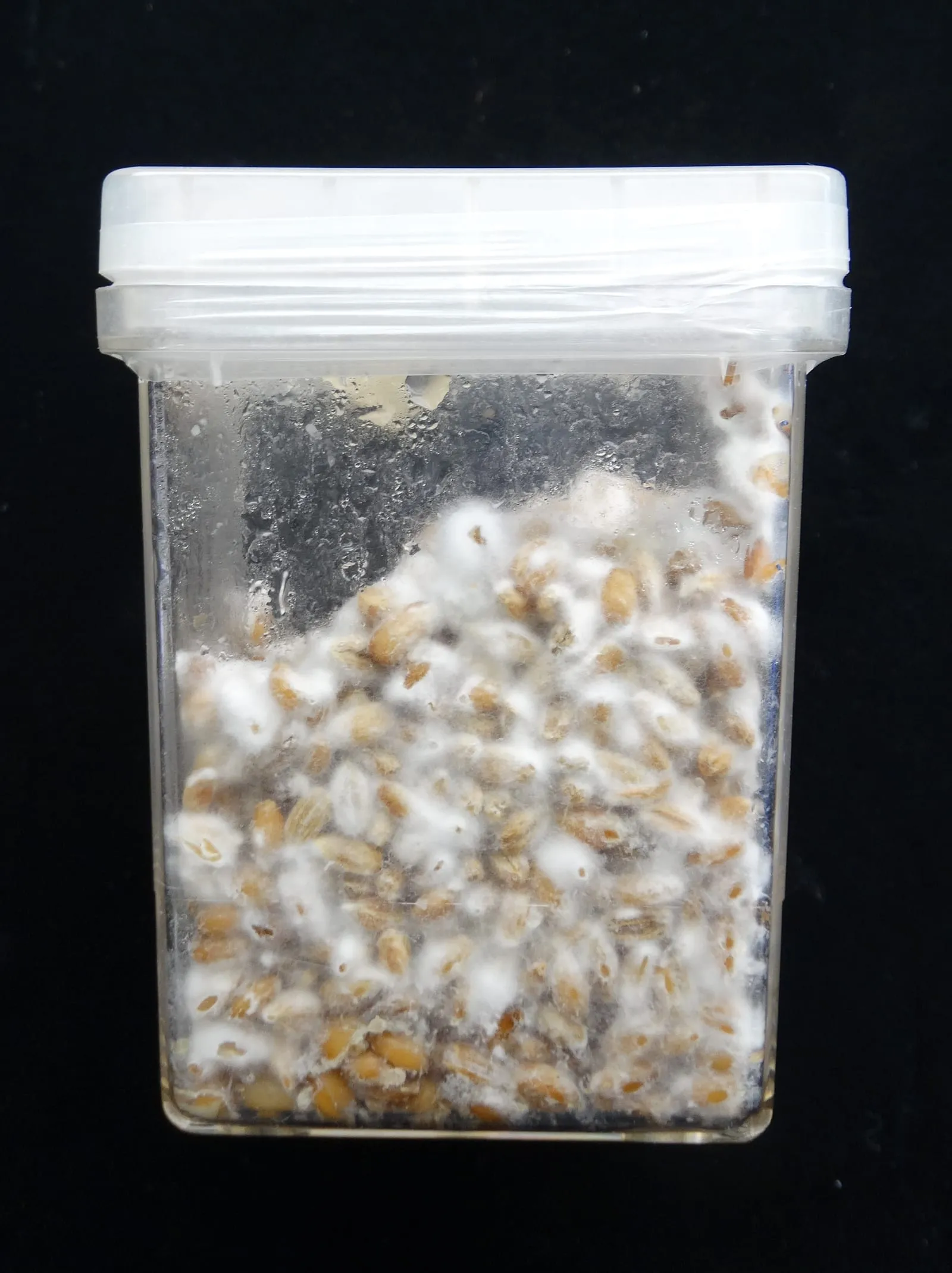
Fusarium Wilt management is the primary disease adjustment for this zone. The pathogen survives in soil for multiple years, so a minimum 3-year rotation away from sweet potatoes and other Ipomoea species is the standard control. Sourcing certified, pathogen-tested slips is equally important; starting slips from home-saved roots grown in infected soil reliably reintroduces the problem. In beds with a confirmed Fusarium history, Beauregard offers moderate field tolerance and is the more reliable choice over susceptible selections.
Sweet Potato in adjacent zones
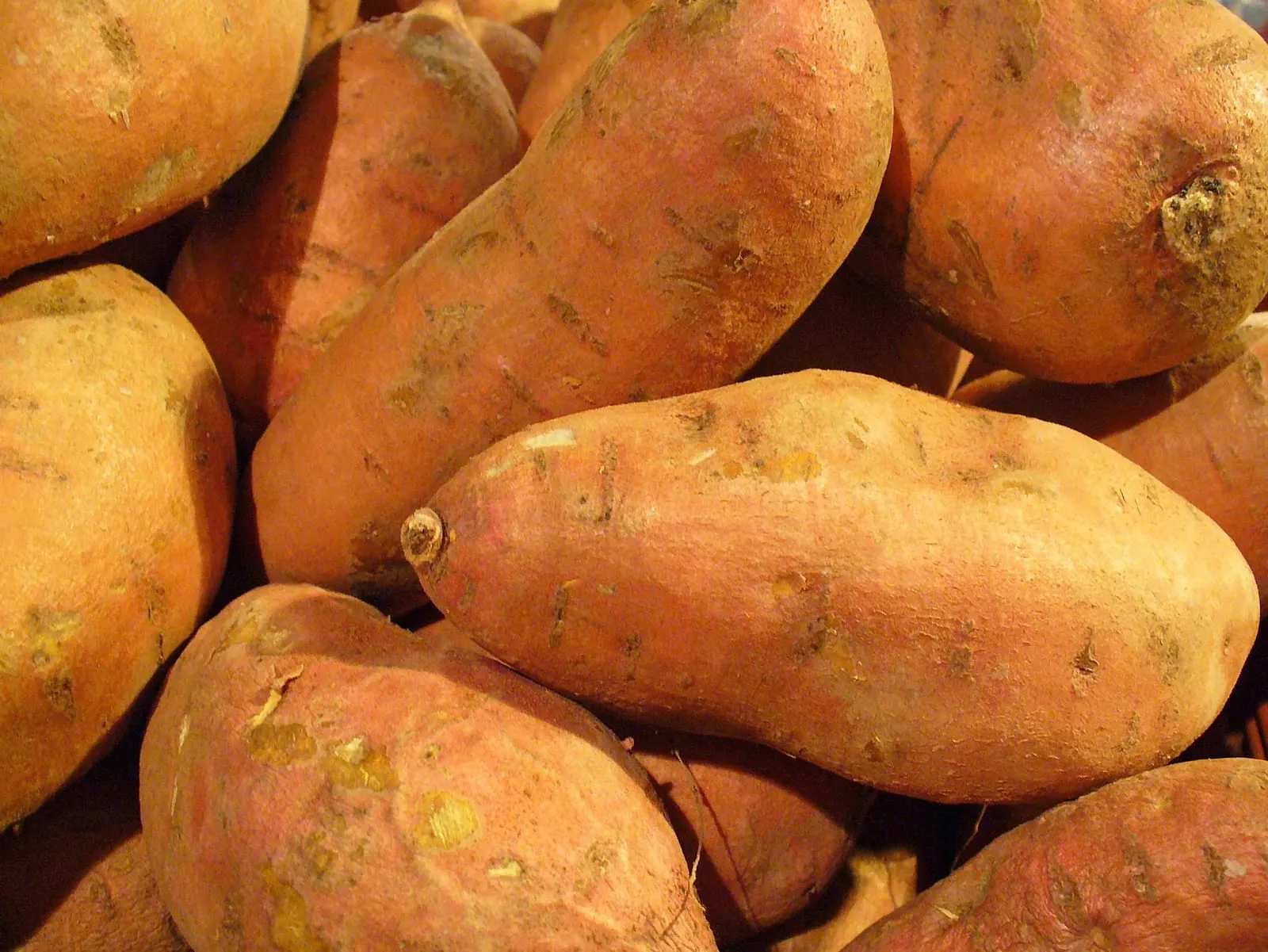
Image: "Ipomoea batatas 006", by Llez, via Wikimedia Commons, licensed under CC-BY Source.

Related