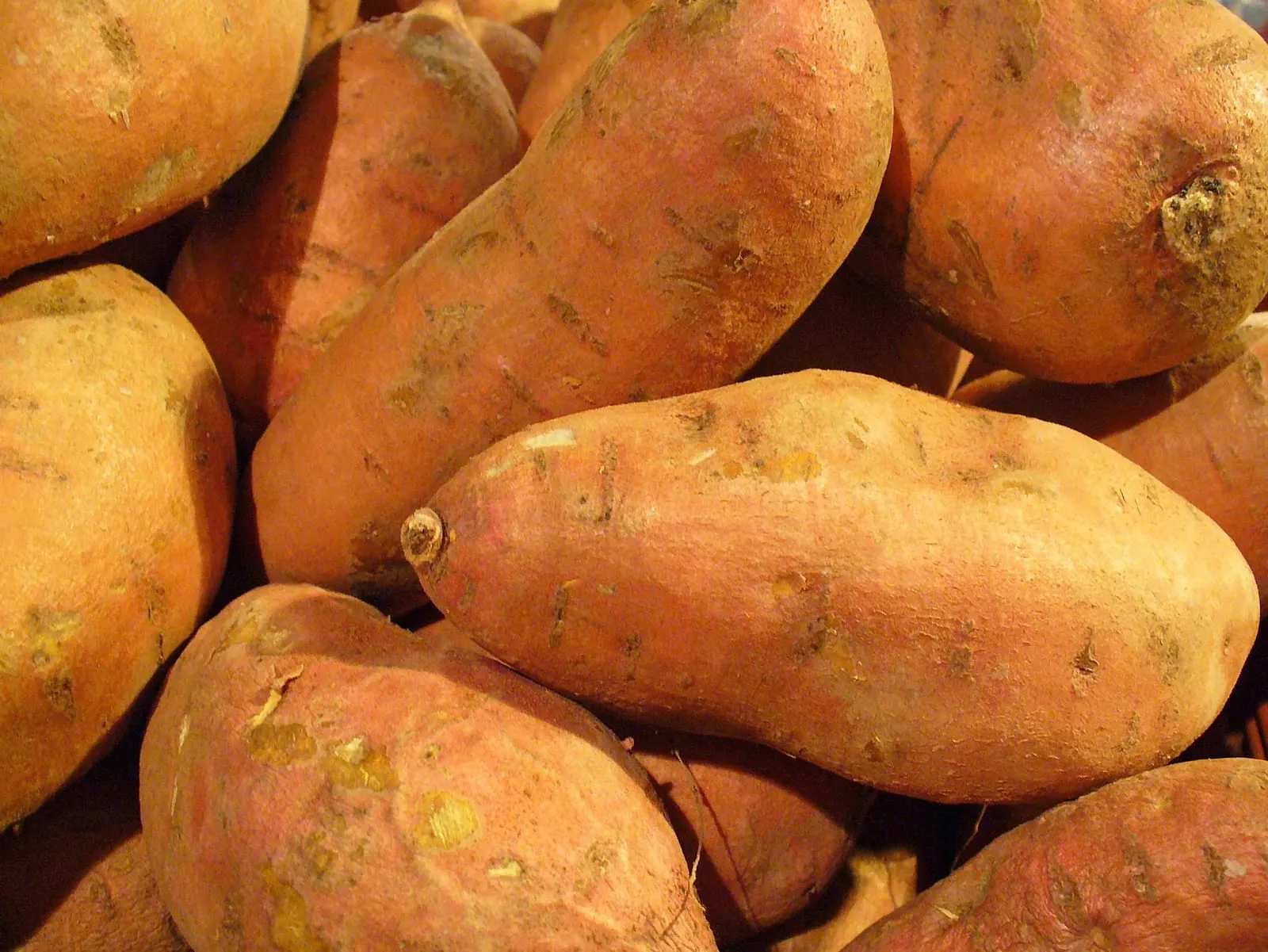
vegetable in zone 10a
Growing sweet potato in zone 10a
Ipomoea batatas
- Zone
- 10a 30°F to 35°F
- Growing season
- 340 days
- Suitable varieties
- 0
- Days to harvest
- 90 to 130
The verdict
Sweet potato is a tropical crop with no chill-hour requirement, which makes zone 10a a genuine sweet spot rather than a marginal one. While the zone challenges listed apply to temperate fruit trees, they largely do not apply here. The 340-day growing season far exceeds the 90 to 120 days sweet potatoes need to mature, which means multiple successions per year are realistic. The minimum winter temperatures of 30 to 35°F are rarely reached in most zone 10a locations, and sweet potato slips tolerate brief, light frost at the end of the season far better than tender annual vegetables.
The real constraints in this zone are soil temperature and disease pressure, not cold. Soil must reach at least 60°F before slips are set out, which in zone 10a is a short wait in late winter at most. Hurricane exposure is a practical risk for growers in coastal zone 10a regions: a mature planting in August or September can be lost or seriously set back by a storm event.
Critical timing for zone 10a
In zone 10a, slip transplanting typically begins in late February or early March, once soil temperatures stabilize above 60°F. A planting set out in early March on a 100-day variety reaches harvest in mid-June, ahead of peak summer heat intensity. A second succession planted in late July or early August matures in October or November, when temperatures moderate and curing conditions are ideal.
Sweet potato vines do flower in warm climates, though this is rarely the focus of cultivation. The bloom window falls in late summer and early fall when day length shortens. Frost risk in zone 10a is low enough that fall plantings rarely need protection, though growers in inland areas at the cooler end of the zone should plan to harvest before any expected cold snap below 50°F, which can damage roots still in the ground.
Common challenges in zone 10a
- ▸ No chilling for traditional temperate fruit
- ▸ Hurricane exposure
- ▸ Heat-tolerant cultivars only
Disease pressure to watch for
Modified care for zone 10a
The primary disease management challenge in zone 10a is Fusarium wilt, a soil-borne pathogen that builds up when sweet potatoes are planted repeatedly in the same bed. Rotating sweet potatoes to a different garden section every three to four years is the most effective control. Starting with certified disease-free slips, rather than saving your own from an infected bed, prevents introducing the pathogen in the first place.
Hurricane exposure requires practical contingency planning: if a storm is forecast during the final weeks of maturity, early harvest is preferable to losing the entire crop to waterlogged soil or vine damage. Curing cut short can be compensated for by extending the warm-storage period after harvest.
Summer heat above 95°F can slow root development, so growers in the hottest inland areas of zone 10a may see better yields from spring plantings that finish before peak summer than from mid-season crops. Mulching heavily retains soil moisture and moderates root-zone temperature during heat events.
Sweet Potato in adjacent zones
Image: "Ipomoea batatas 006", by Llez, via Wikimedia Commons, licensed under CC-BY Source.

Related