vegetable in zone 9b
Growing sweet potato in zone 9b
Ipomoea batatas
- Zone
- 9b 25°F to 30°F
- Growing season
- 310 days
- Suitable varieties
- 0
- Days to harvest
- 90 to 130
The verdict
Sweet potato is a strong fit for zone 9b, not a marginal one. Unlike stone fruits or pome fruits, sweet potato carries no chill-hour requirement; heat accumulation drives root development, making the zone's 310-day growing season an asset rather than a liability. Most varieties need 90 to 150 frost-free days to produce full-sized roots, a threshold zone 9b clears with room to spare.
Sustained air temperatures above 95°F during mid-summer can stress vines and suppress yield somewhat, but this is a yield-reduction concern, not a crop failure risk. The mild winters eliminate any frost truncating the season before roots reach maturity. For most of the zone 9b footprint (Gulf Coast lowlands, inland California valleys, southern Arizona basins), sweet potato performs reliably without the timing anxiety faced by growers in zones 5 through 7.
The primary production risk in zone 9b is Fusarium wilt pressure in warm, persistently moist soils, not zone mismatch.
Critical timing for zone 9b
Zone 9b's last frost typically falls in late January to mid-February. Soil temperatures reach the 60°F minimum required for slip establishment by late February to early March across most of the zone, allowing planting to begin then. A conservative target is 65°F soil temperature to reduce transplant shock.
At 90 to 120 days to maturity for most common varieties, early-spring plantings reach harvest in late May through July. A second succession planted in late June or early July extends harvest into October and November. First frost in zone 9b rarely arrives before late November, so curing time on the vine is not a concern for either planting window.
Growers in the hottest inland areas should plan to harvest and move roots to a curing environment (85 to 90°F, high humidity, 10 to 14 days) promptly; roots left in hot summer soil after vine senescence deteriorate faster than in cooler zones.
Common challenges in zone 9b
- ▸ Heat stress in summer
- ▸ Insufficient chill for most apples
- ▸ Salt spray near coasts
Disease pressure to watch for
Modified care for zone 9b
The main zone 9b adjustment is irrigation management. Sweet potato tolerates dry spells better than most vegetables, but consistent soil moisture during the first six weeks after transplanting is critical for uniform root sizing. Where summer rainfall is unreliable (much of the 9b footprint), drip irrigation paired with a 2 to 3-inch organic mulch layer reduces moisture stress and moderates soil temperature around developing roots.
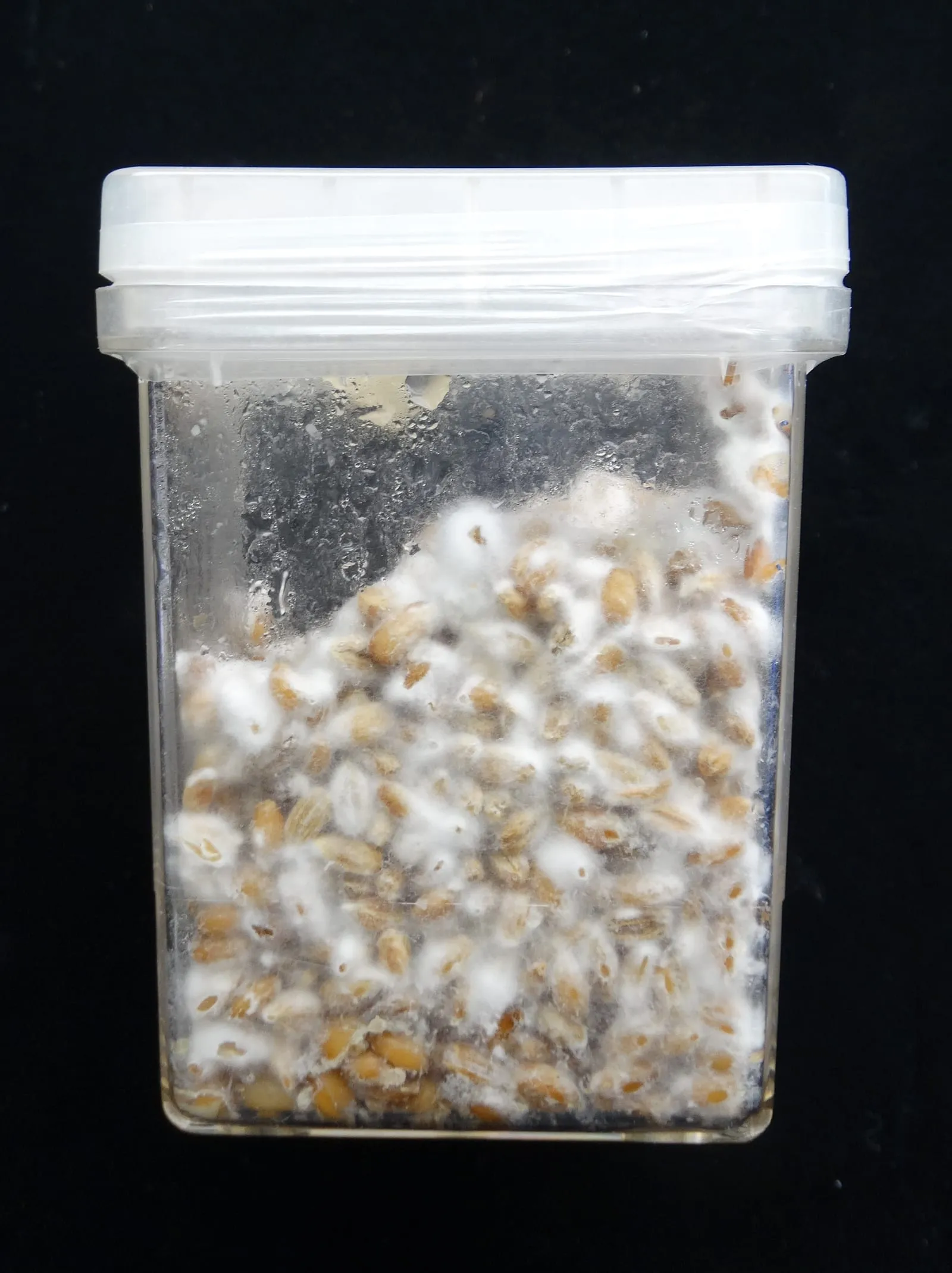
Fusarium wilt is the dominant disease pressure in warm-soil environments. The pathogen is soil-borne and has no effective in-season chemical control; a rotation interval of at least three years between sweet potato plantings on any given bed is the primary management tool. Selecting certified disease-free slips from reputable suppliers reduces introduction risk.
In coastal 9b areas where salt spray is a documented challenge, raised beds with compost-amended fill buffer salinity and improve drainage. Vines in the long growing season sprawl aggressively; redirecting runners periodically prevents unintended rooting at nodes and keeps bed edges defined.
Frequently asked questions
- Is zone 9b too hot for sweet potato?
No. Sweet potato is a subtropical crop that performs well in heat. Zone 9b's long, warm season is closer to the crop's native range than the short-season zones where most US gardeners grow it. Sustained temperatures above 95°F can reduce vine vigor and yield somewhat, but the crop does not fail at those temperatures.
- How do I manage Fusarium wilt in a zone 9b sweet potato bed?
Rotation is the primary tool. Avoid planting sweet potato (or other morning glory family crops) in the same bed for at least three years. Start with certified clean slips rather than saved roots from infected soil. Once Fusarium is established in a bed, there is no curative treatment; improving drainage and reducing irrigation excess slows spread but does not eliminate it.
- Can I plant two crops of sweet potato in the same season in zone 9b?
Yes. The 310-day growing season allows a spring planting (late February to March) and a summer planting (late June to early July), each reaching harvest before frost risk. The summer planting benefits from established warm soil but may need more attention to consistent moisture during the establishment weeks.
+−
+−
+−
Sweet Potato in adjacent zones
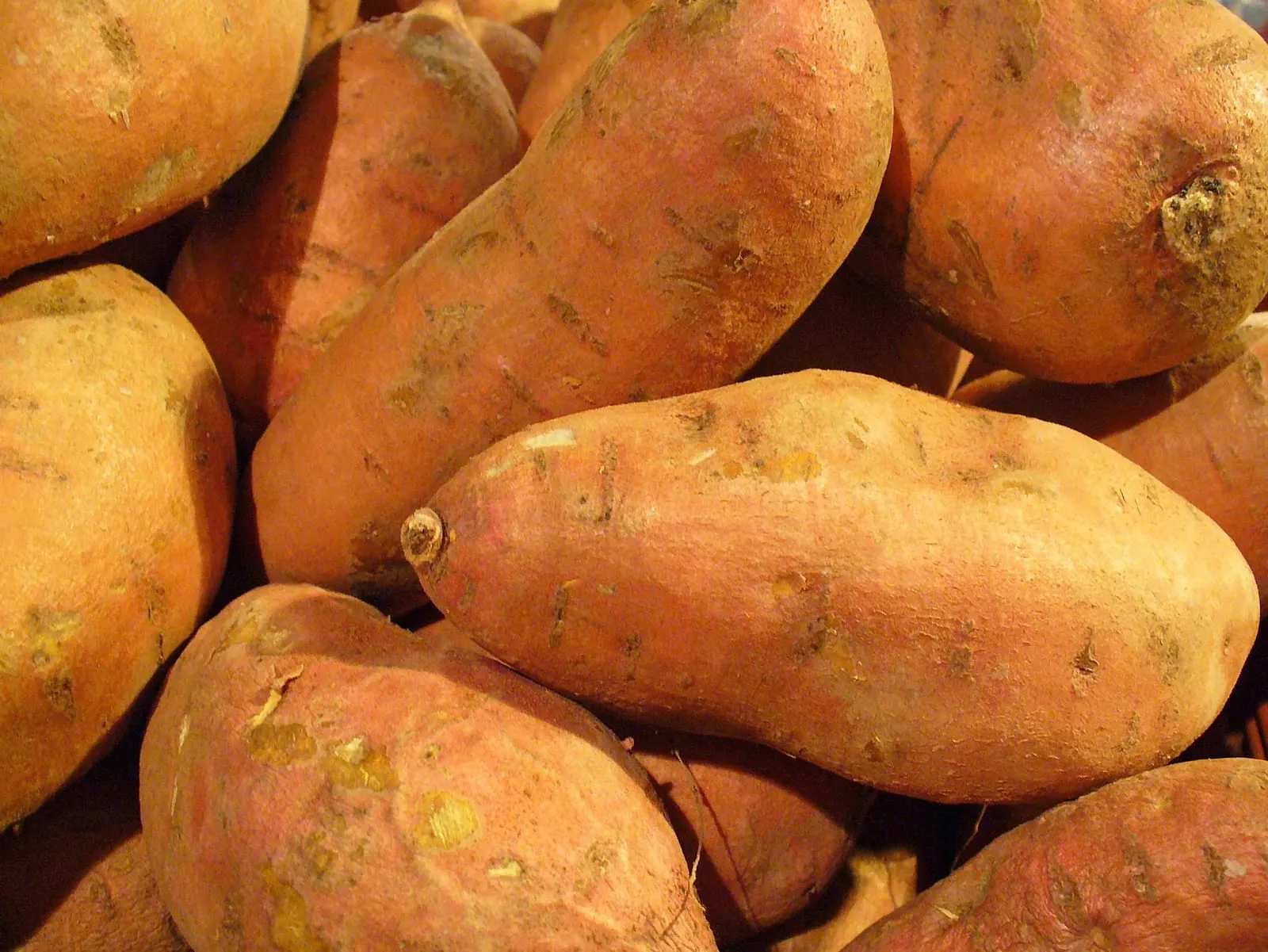
Image: "Ipomoea batatas 006", by Llez, via Wikimedia Commons, licensed under CC-BY Source.

Related