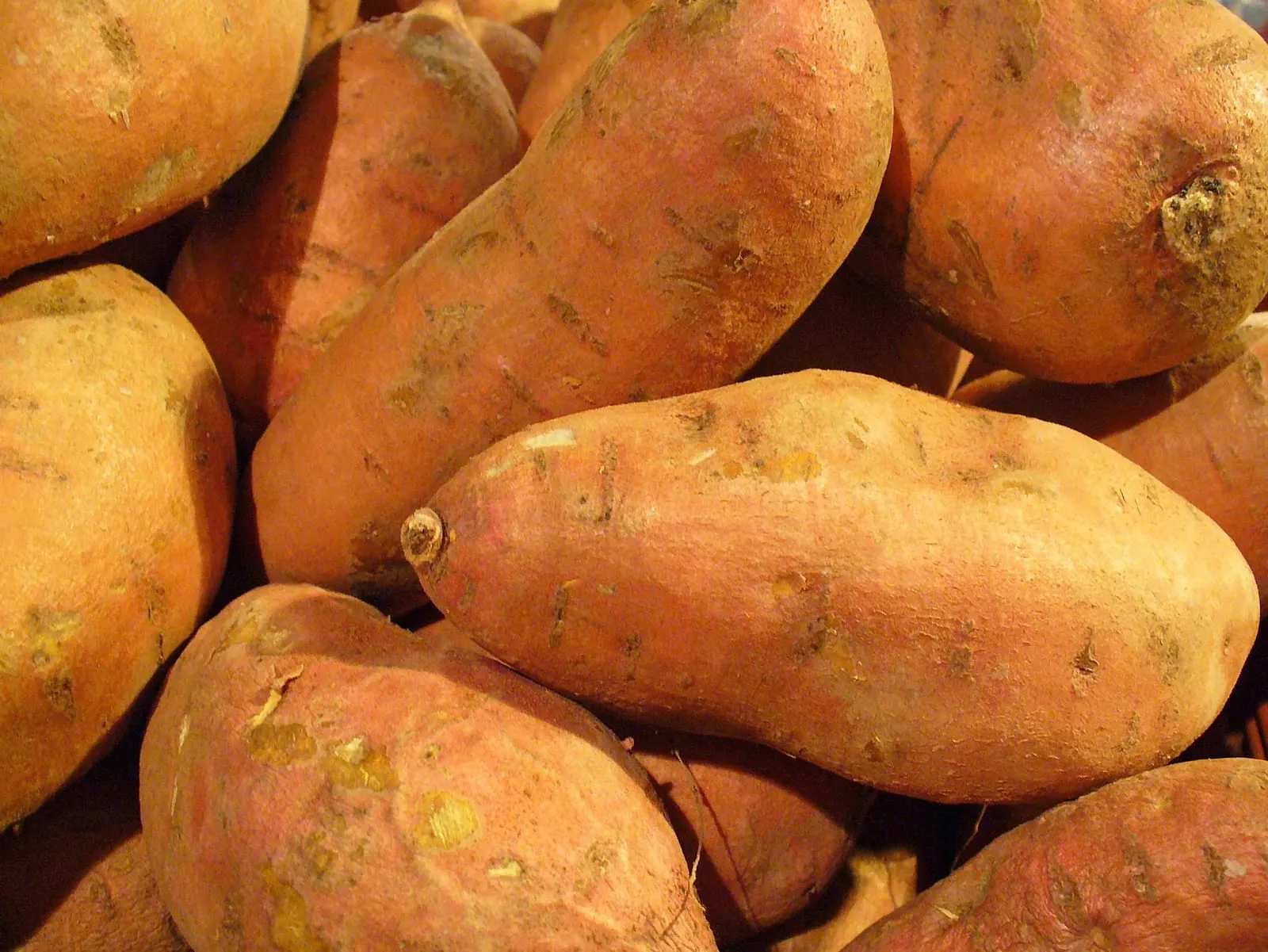
vegetable in zone 9a
Growing sweet potato in zone 9a
Ipomoea batatas
- Zone
- 9a 20°F to 25°F
- Growing season
- 290 days
- Suitable varieties
- 3
- Days to harvest
- 90 to 130
The verdict
Sweet potatoes are warm-season crops with no chill-hour requirement, so zone 9a's 290-day growing season is a genuine advantage rather than a constraint. The crop originates in tropical and subtropical climates and performs best where soil temperatures remain above 65°F for extended periods, conditions zone 9a delivers reliably from late spring through early fall. Minimum winter temperatures of 20 to 25°F are cold enough to kill any vines left in the ground past the first frost event, but harvest typically concludes well before that window opens.
Beauregard, Jewel, and Murasaki are all appropriate for zone 9a. None of them require chill accumulation, and all benefit from the long warm window to develop dense, well-cured storage roots. Fusarium wilt is the primary disease concern, particularly in sandy or previously infected soils, but variety selection and disciplined crop rotation manage most of the risk. This is a sweet spot zone for sweet potatoes, not a marginal one.
Recommended varieties for zone 9a
3 cultivars suited to this zone, with disease-resistance and zone-fit annotations.
| Variety | Notes | Zone fit | Disease resistance |
|---|---|---|---|
| Beauregard fits zone 9a | Sweet, moist, dense, deep orange flesh; classic Southern sweet potato. Baking, mashing, pies, roasting, fries. Productive Louisiana release, the home-garden orange standard. | | none noted |
| Jewel fits zone 9a | Very sweet, moist, dark orange flesh; large copper-skinned roots. Baking, casseroles, candied. Heritage variety, productive, the Thanksgiving sweet potato. | | none noted |
| Murasaki fits zone 9a | Mild, dry, almost chestnut-like; purple skin with white flesh. Roasting, baking, the Japanese-style sweet potato. Drier and less sweet than orange types. | | none noted |
Critical timing for zone 9a
Slips go into the ground once soil temperatures reach 65°F and nighttime air temperatures hold consistently above 50°F. In zone 9a, that threshold typically arrives in late March to mid-April depending on location within the zone. The long growing season opens multiple planting windows: an early planting in March or April targets a July to August harvest, while a second planting in May or June extends the harvest window into October and November.
Beauregard matures in roughly 90 to 100 days; Murasaki runs slightly longer. The zone's first frost typically arrives in late November to December, providing ample margin for even late-planted crops. Sweet potato bloom timing has little practical bearing on yield, so the relevant calendar markers are soil temperature at planting and days-to-maturity at harvest.
Common challenges in zone 9a
- ▸ Limited stone fruit options due to insufficient chill
- ▸ Hurricane and tropical storm exposure
- ▸ Citrus disease pressure
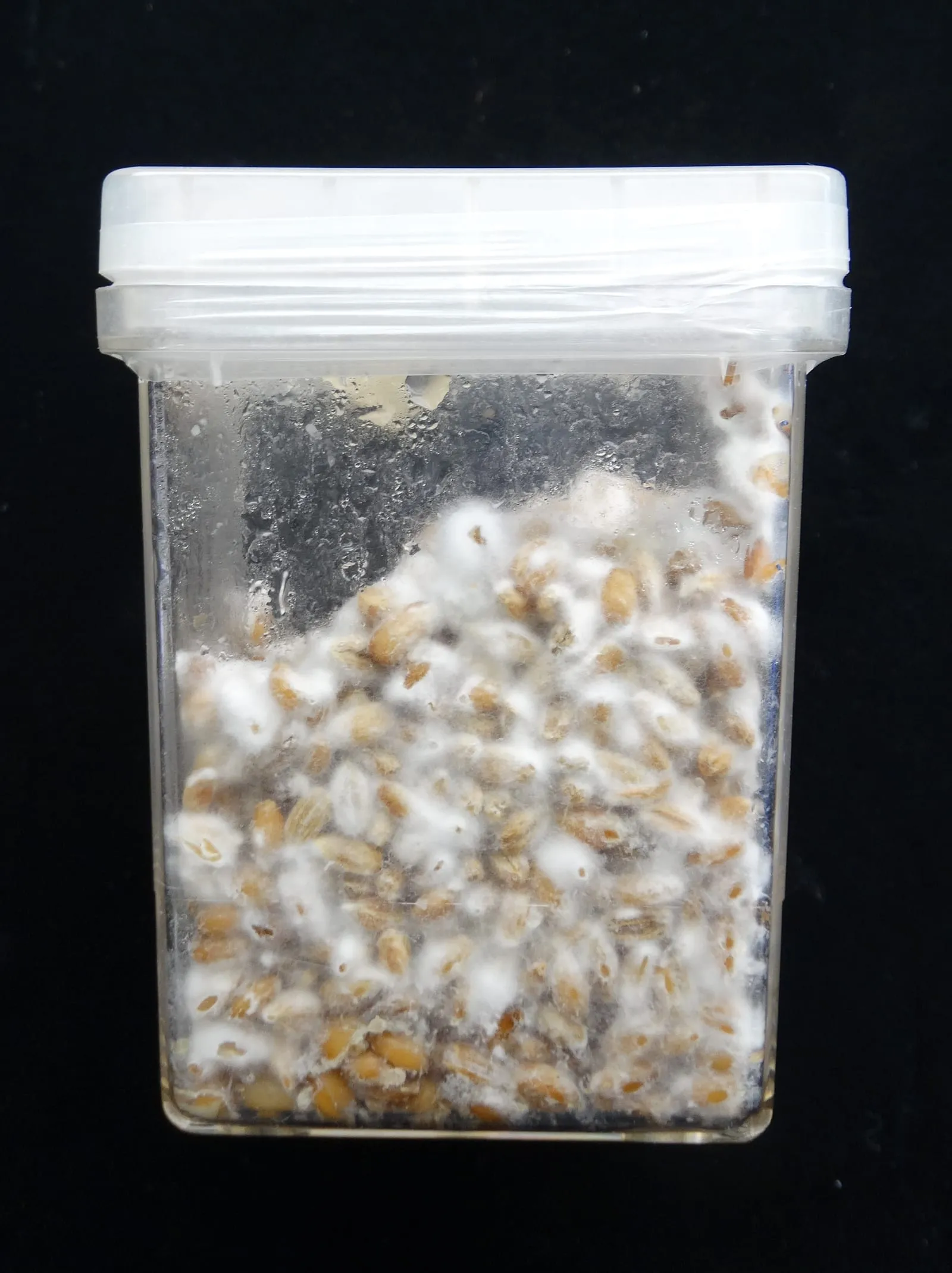
Disease pressure to watch for
Modified care for zone 9a
The main management adjustments in zone 9a center on heat and moisture extremes, not cold protection. Hurricane and tropical storm exposure from June through November is a real consideration; raised beds with sharp drainage prevent the prolonged waterlogging that invites Fusarium wilt and other soil-borne problems. In the sandy soils common to much of zone 9a's coastal range, potassium and phosphorus leach quickly, so pre-plant amendment and a side-dress application at vine canopy closure are worth the effort.
Fusarium wilt has no in-season cure. Any bed with a confirmed history of the disease should be rotated out of sweet potatoes for at least three years. Heavy mulching (4 to 6 inches of straw or wood chips) moderates summer soil temperature swings and reduces moisture loss during dry stretches between storm events. Winter protection for the crop is not a practical concern here; the challenge is managing the growing season's intensity.
Sweet Potato in adjacent zones
Image: "Ipomoea batatas 006", by Llez, via Wikimedia Commons, licensed under CC-BY Source.

Related