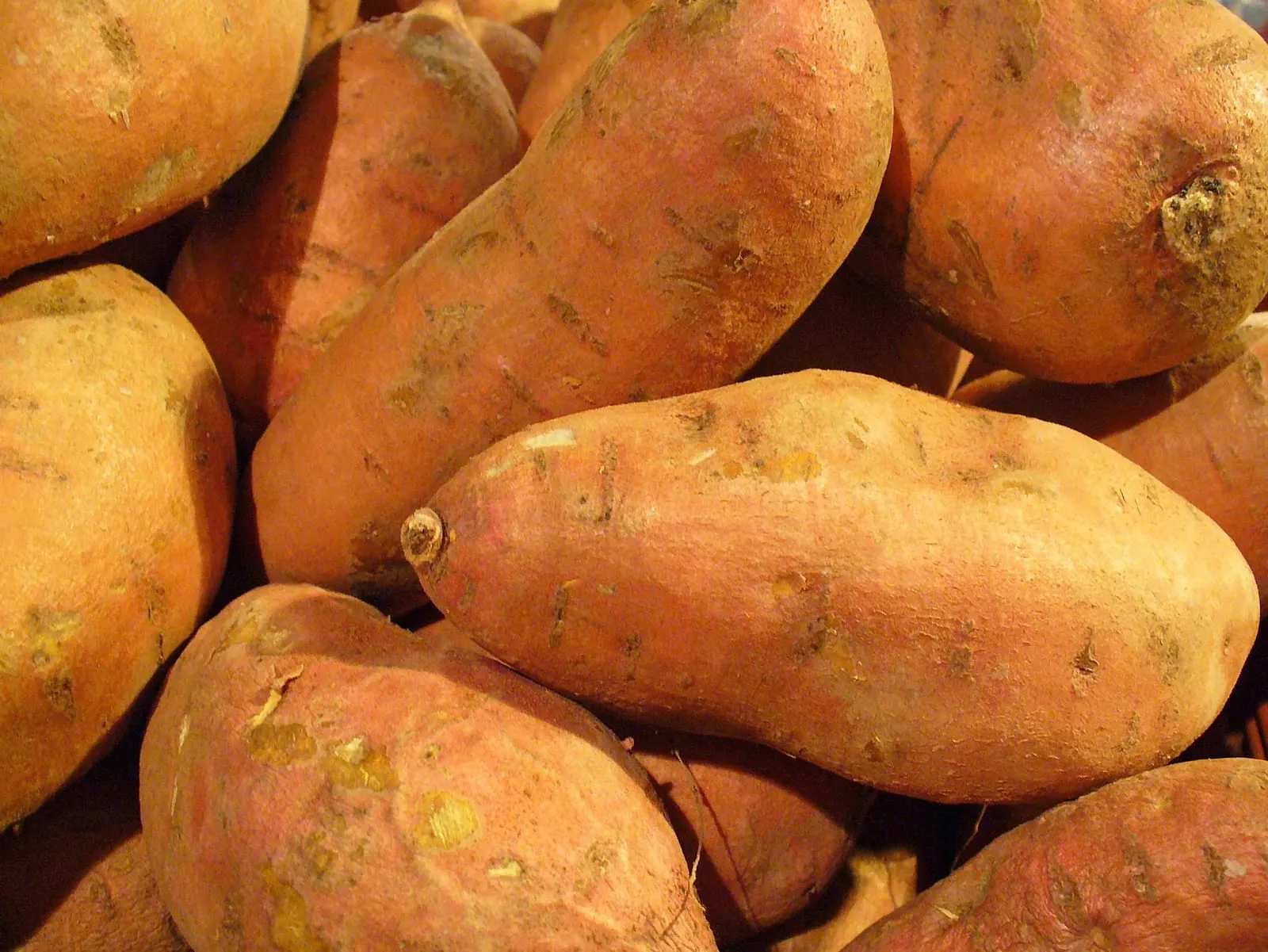
vegetable in zone 10b
Growing sweet potato in zone 10b
Ipomoea batatas
- Zone
- 10b 35°F to 40°F
- Growing season
- 365 days
- Suitable varieties
- 0
- Days to harvest
- 90 to 130
The verdict
Sweet potato is a warm-season root crop with no chill-hour requirement. Originating in tropical Central and South America, it performs best where soil temperatures stay above 65°F for at least 100 to 150 consecutive days. Zone 10b, with minimum winter temperatures of 35 to 40°F and a year-round growing season, is squarely within the crop's native climate range. This is not a marginal zone; for sweet potato, it is close to ideal.
The constraints in 10b are not related to cold. The year-round warmth that suits the crop also sustains tropical pest and disease pressure without the winter break that slows pest cycles in cooler zones. Fusarium wilt is the primary disease concern and is more persistent in warm, humid soils. In coastal areas, saltwater intrusion elevates soil salinity to levels that reduce tuber yields and cause irregular shapes. Growers who manage these pressures well will find zone 10b one of the more productive climates in the country for this crop.
Critical timing for zone 10b
With no frost risk and a 365-day growing season, planting windows in zone 10b are unusually flexible. Most growers plant slips between February and April, allowing tubers to develop through the long warm period before peak summer heat intensifies. Harvest follows 100 to 150 days after planting, depending on variety and target tuber size.
A second planting in late summer or early fall is also viable; soil temperatures remain above the 65°F threshold year-round. Sweet potato vines do flower in zone 10b, but flowering is not a reliable harvest indicator. Tuber size, skin set (a slight resistance when you press the skin), and days-since-planting are more useful guides. Curing harvested tubers at 85 to 90°F for 4 to 7 days improves storage life and sweetness.
Common challenges in zone 10b
- ▸ No winter chill
- ▸ Tropical pest and disease pressure
- ▸ Saltwater intrusion in coastal soils
Disease pressure to watch for
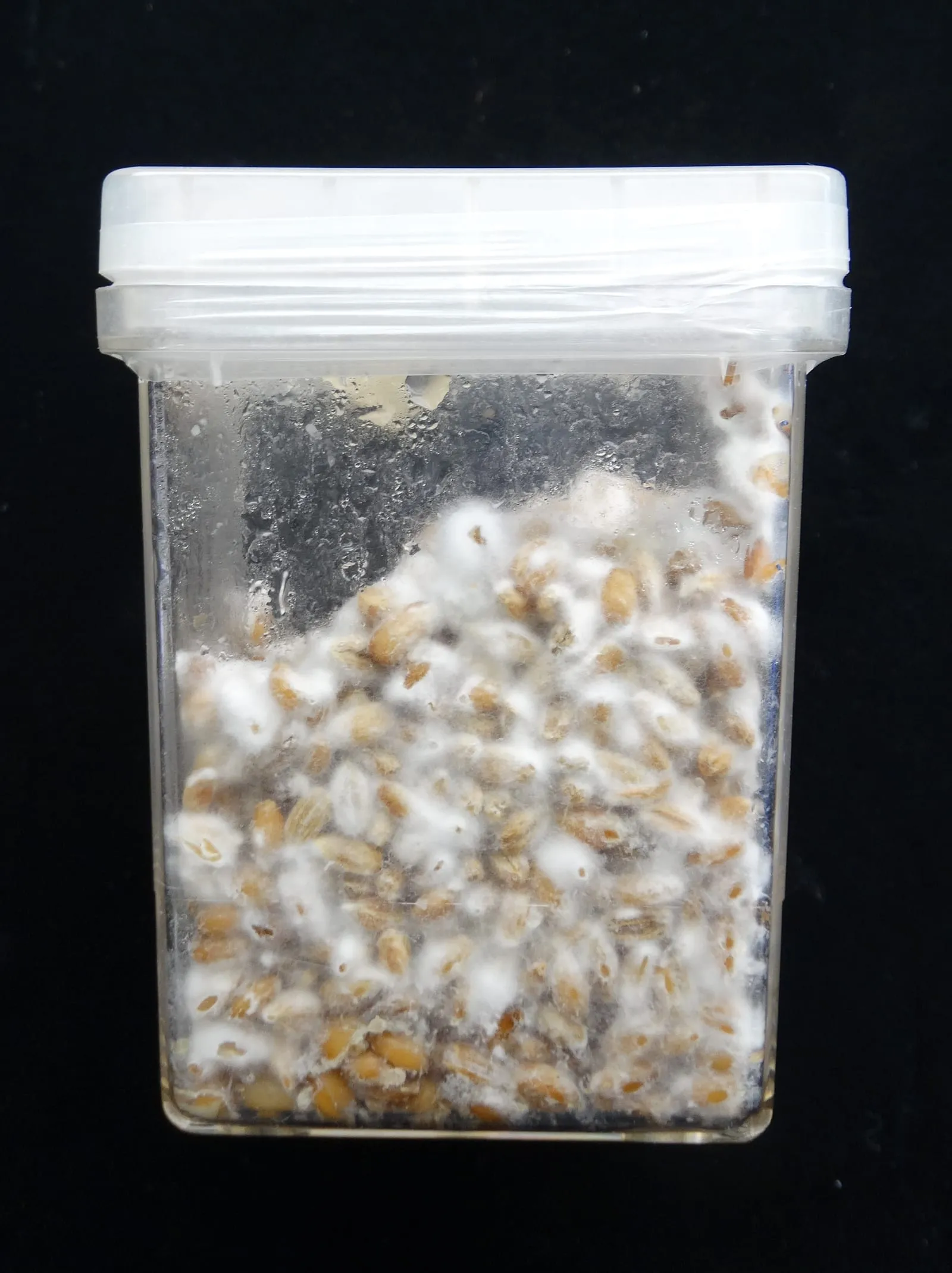
Modified care for zone 10b
Fusarium wilt management takes priority in zone 10b. The pathogen persists in warm, moist soil and builds up quickly without a cold season to suppress it. Starting with certified disease-free slips and rotating beds on a minimum three-year cycle are the core controls; there is no reliable chemical rescue once plants are infected. If wilt has appeared in a bed previously, consider raised beds with fresh imported soil before replanting.
In coastal locations, test soil salinity before planting. Elevated salt levels reduce tuber set and cause forking; raised beds filled with low-salinity soil or amended with organic matter help buffer the problem. Sweet potato weevil (Cylas formicarius) is active year-round in tropical climates and is the most destructive insect pest at this latitude; inspect slips at planting and monitor vines regularly, as infestations are difficult to reverse once established. On the positive side, the dense vine canopy suppresses weeds effectively once plants are established, reducing the need for cultivation.
Frequently asked questions
- Can sweet potato be grown year-round in zone 10b?
Technically yes, but a spring planting followed by a single fall planting is more practical than continuous cropping. Rotating beds between plantings reduces Fusarium wilt and sweet potato weevil buildup, which become serious problems when the same ground is planted back-to-back without rest.
- Does saltwater intrusion affect sweet potato tuber quality in coastal zone 10b gardens?
Yes. Elevated soil salinity reduces tuber yield and causes irregular shapes and forking. Testing soil EC (electrical conductivity) before planting is worthwhile in low-lying coastal areas. Raised beds with amended soil significantly reduce this risk.
- How do growers prevent Fusarium wilt in zone 10b?
Start with certified disease-free slips, rotate planting beds on at least a three-year cycle, and avoid replanting in beds where wilt has appeared. There is no effective in-season chemical control; prevention before planting is the only reliable approach.
+−
+−
+−
Sweet Potato in adjacent zones
Image: "Ipomoea batatas 006", by Llez, via Wikimedia Commons, licensed under CC-BY Source.

Related