USDA hardiness zone
Zone 10b
Year-round growing zone for tropical and subtropical fruits.
On the zone ramp
- Lowest winter temp
- 35°F to 40°F USDA boundary
- Growing season
- 365 days
- Avg chill hours
- ~200 below 45°F
- Hardiness rank
- 20 of 26 warm side
- Compatible crops
- 23
- Sample region
- Miami, FL
Growing in zone 10b
Zone 10b sits at the outer edge of the continental United States frost map, where winter lows range from 35 to 40 degrees Fahrenheit and killing frost is absent from the calendar in most years. Miami, the Florida Keys, and the southernmost tip of California represent the primary regions. The binding constraint here is not cold but heat: year-round warmth eliminates the dormancy period that most temperate fruit trees require to flower and set fruit reliably.
The growing season runs all 365 days, which sounds like an advantage until the implications for temperate crops become clear. Standard apple, pear, and peach varieties require several hundred to over a thousand hours below 45°F annually to break dormancy properly. Zone 10b accumulates fewer than 100 such hours in most years. That eliminates the majority of temperate fruit cultivars from the practical catalog.
What does thrive: tropical and subtropical fruits. Avocado, mango, papaya, guava, lychee, longan, carambola, and fig can all perform well in this zone. Citrus succeeds in many parts of zone 10b. The gardener's challenge is less about frost protection and more about navigating intense, year-round pest and disease pressure, managing soils that may carry saltwater intrusion in coastal settings, and selecting cultivars bred for low or zero chill-hour requirements.
Temperate gardening reference materials are largely irrelevant in zone 10b. The applicable knowledge base comes from tropical horticulture, not the frost-date-driven calendar that governs most of North America.
Frost timing in zone 10b
In zone 10b, the conventional frost-date framework carries little practical meaning. Average last spring frost and first fall frost are not useful planning anchors because damaging freeze events are rare to nonexistent. The USDA defines zone 10b as having winter minimum temperatures between 35 and 40°F, which may cause brief cold stress to the most frost-sensitive tropical plants but rarely constitutes a true freeze.
The more relevant seasonal marker for fruit growers in this zone is accumulated chill-hour total. In South Florida, annual accumulation of hours below 45°F rarely exceeds 100. Standard temperate fruits requiring 600 to 1,200 chill hours will not flower or fruit reliably regardless of frost frequency. Ultra-low-chill peach selections bred for warm climates, those requiring 150 hours or fewer, sit at the practical limit for this zone. For most traditional temperate fruit tree crops, the constraint is heat accumulation, not cold exposure.
Gardeners in coastal California portions of zone 10b may see slightly different chill-hour patterns than South Florida counterparts due to differences in humidity and marine influence. Local county extension records are the most reliable source for annual chill-hour averages at a given site.
Common challenges
- ▸ No winter chill
- ▸ Tropical pest and disease pressure
- ▸ Saltwater intrusion in coastal soils
Best practices
Zone 10b demands different management habits than temperate growing regions. Three areas materially affect outcomes.
Soil and salt management: In coastal Miami and the Florida Keys, saltwater intrusion elevates soil sodium and chloride levels, which inhibit nutrient uptake in most fruit trees. Testing soil electrical conductivity before planting and amending with sulfur and organic matter can reduce sodium load over time. Raised beds with well-draining media are often worth the construction cost in areas with confirmed salt intrusion history.
Year-round pest and disease monitoring: Without a cold season to interrupt insect and fungal cycles, pest populations build continuously. Standard IPM calendars that assume a winter break do not apply here. Scouting plantings monthly throughout the year, not just during peak fruiting season, catches infestations before they compound. Fungal diseases including anthracnose are perennial threats on mango and avocado in humid South Florida conditions, and timing fungicide applications to the local wet season is more useful than following a generic calendar.
Variety selection grounded in local trial data: University of Florida IFAS maintains variety performance records for tropical fruits evaluated at research stations in Homestead and Gainesville. Selecting cultivars with documented Florida trial results, rather than relying on general tropical horticulture guides, reduces the risk of investing years in a tree that underperforms in local heat, humidity, and soil conditions.
What to grow in zone 10b
23 crops from our database fit zone 10b, grouped by type. Click through for zone-specific variety recommendations.
Tree fruit
12 crops
 zone 10b
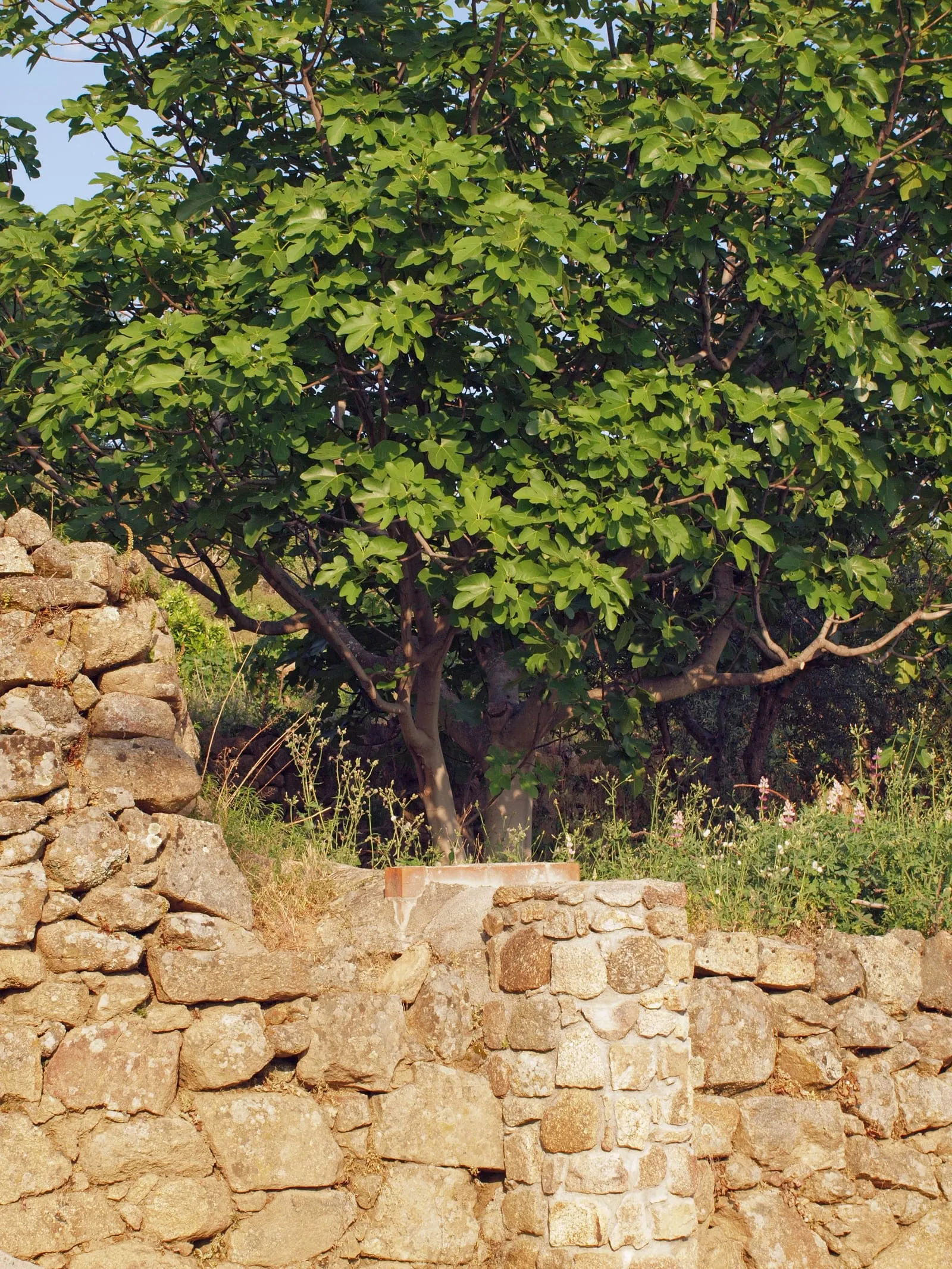
 Fig
Ficus carica
zones 7a–10b
 zone 10b
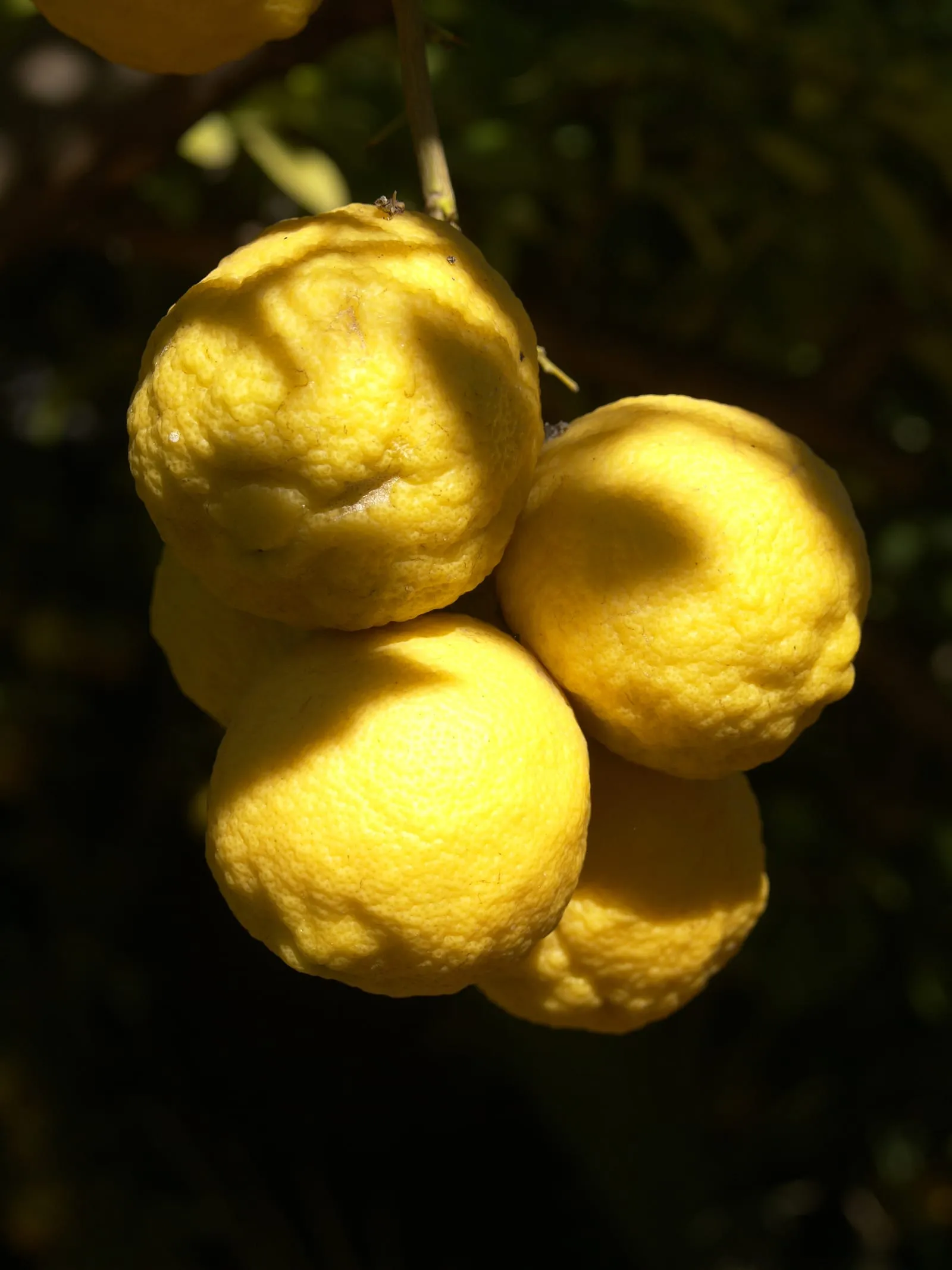
 Lemon
Citrus limon
zones 9a–11b
 zone 10b
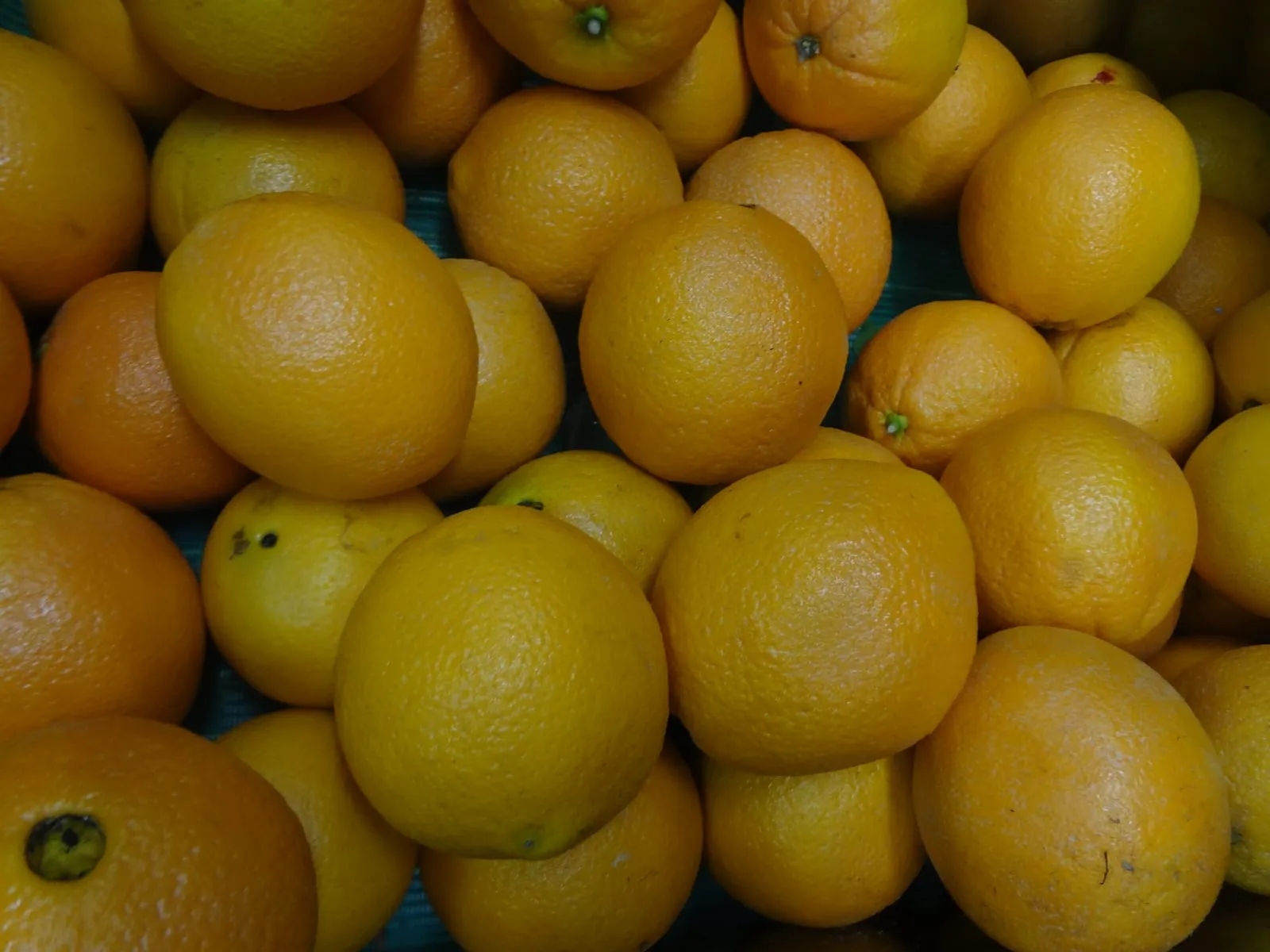
 Orange
Citrus sinensis
zones 9a–11b
 zone 10b
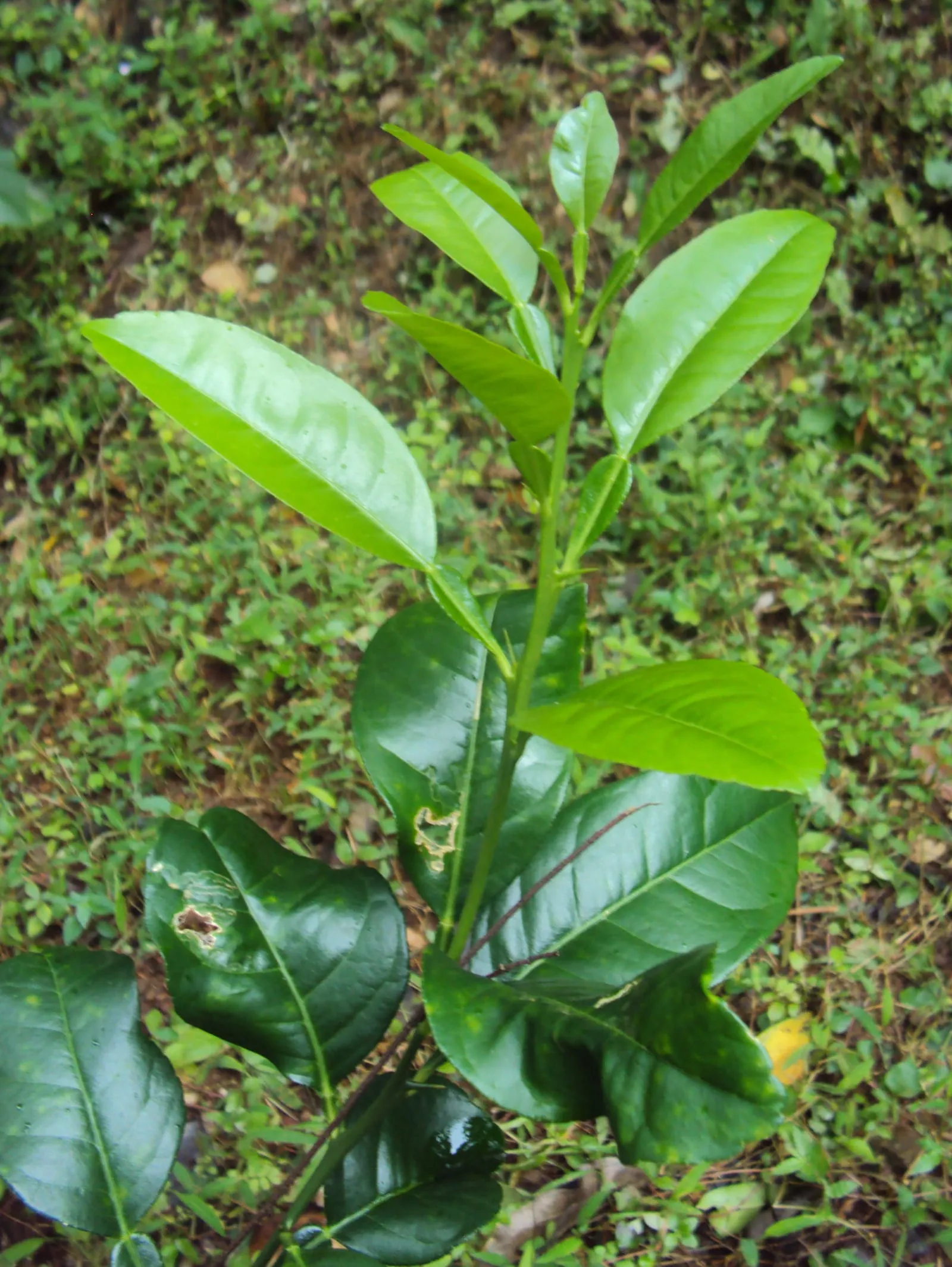
 Lime
Citrus aurantiifolia
zones 9b–11b
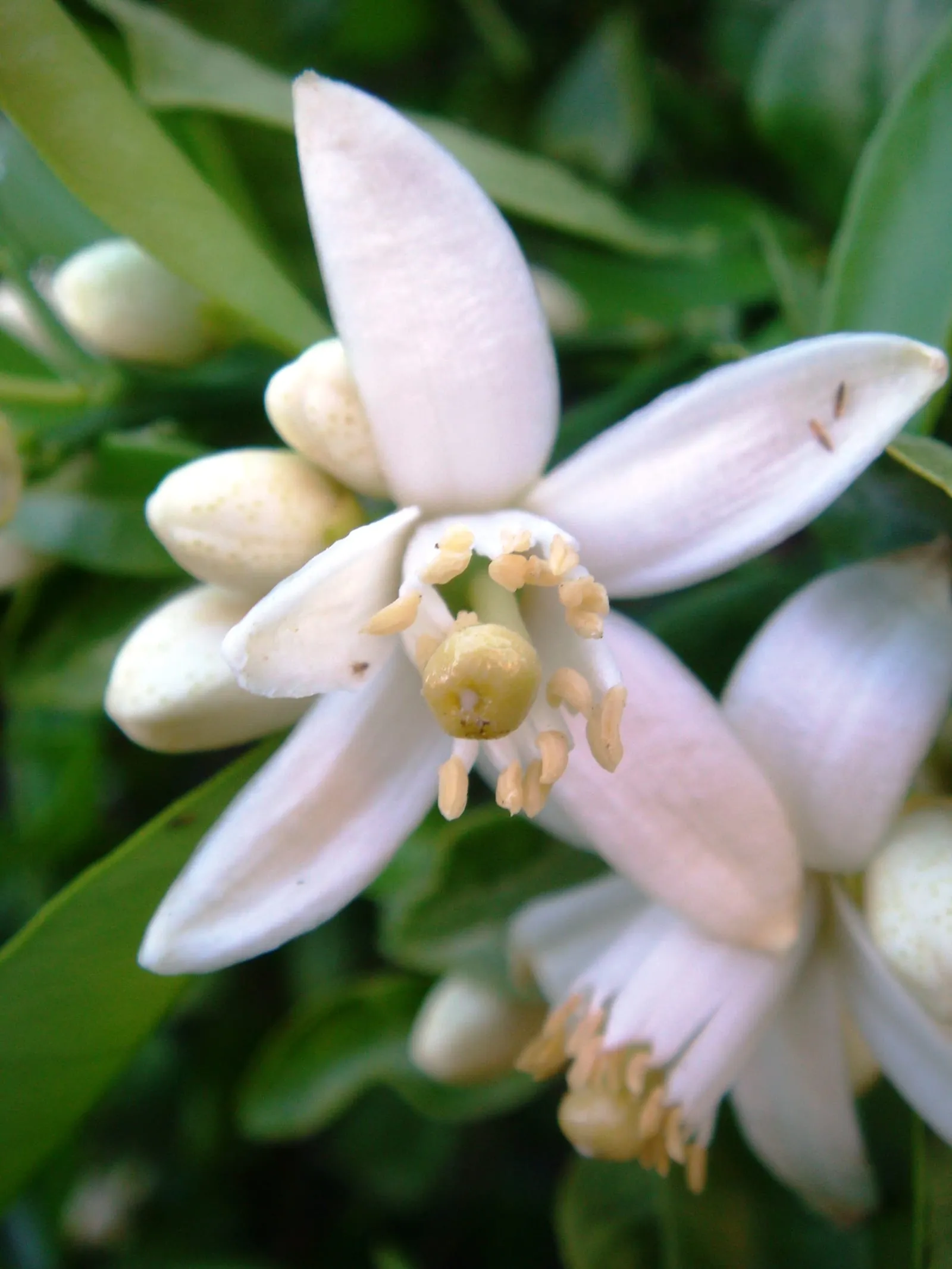 zone 10b
 Grapefruit
Citrus paradisi
zones 9a–11b
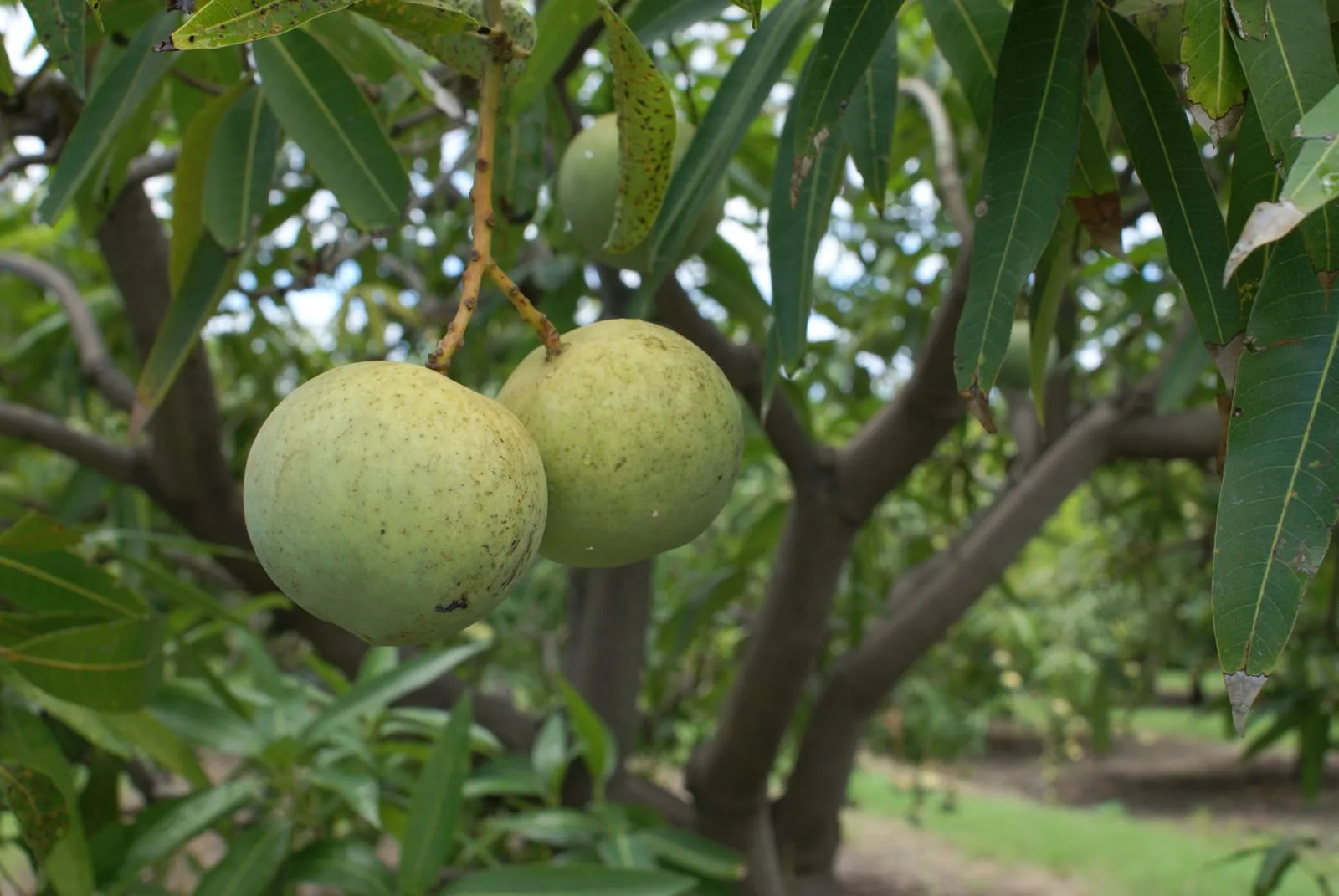 zone 10b
 Mango
Mangifera indica
zones 10b–13b
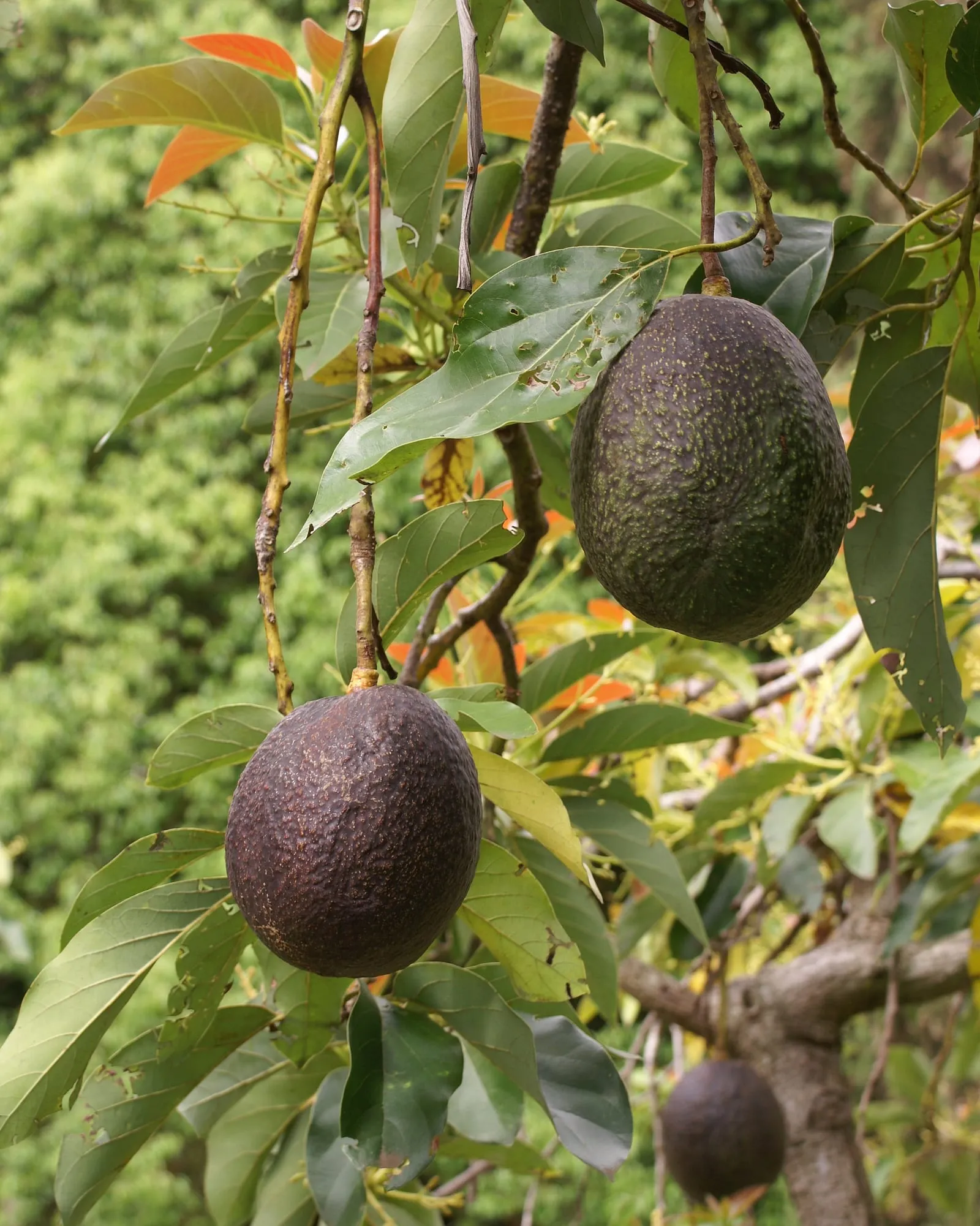 zone 10b
 Avocado
Persea americana
zones 9b–11b
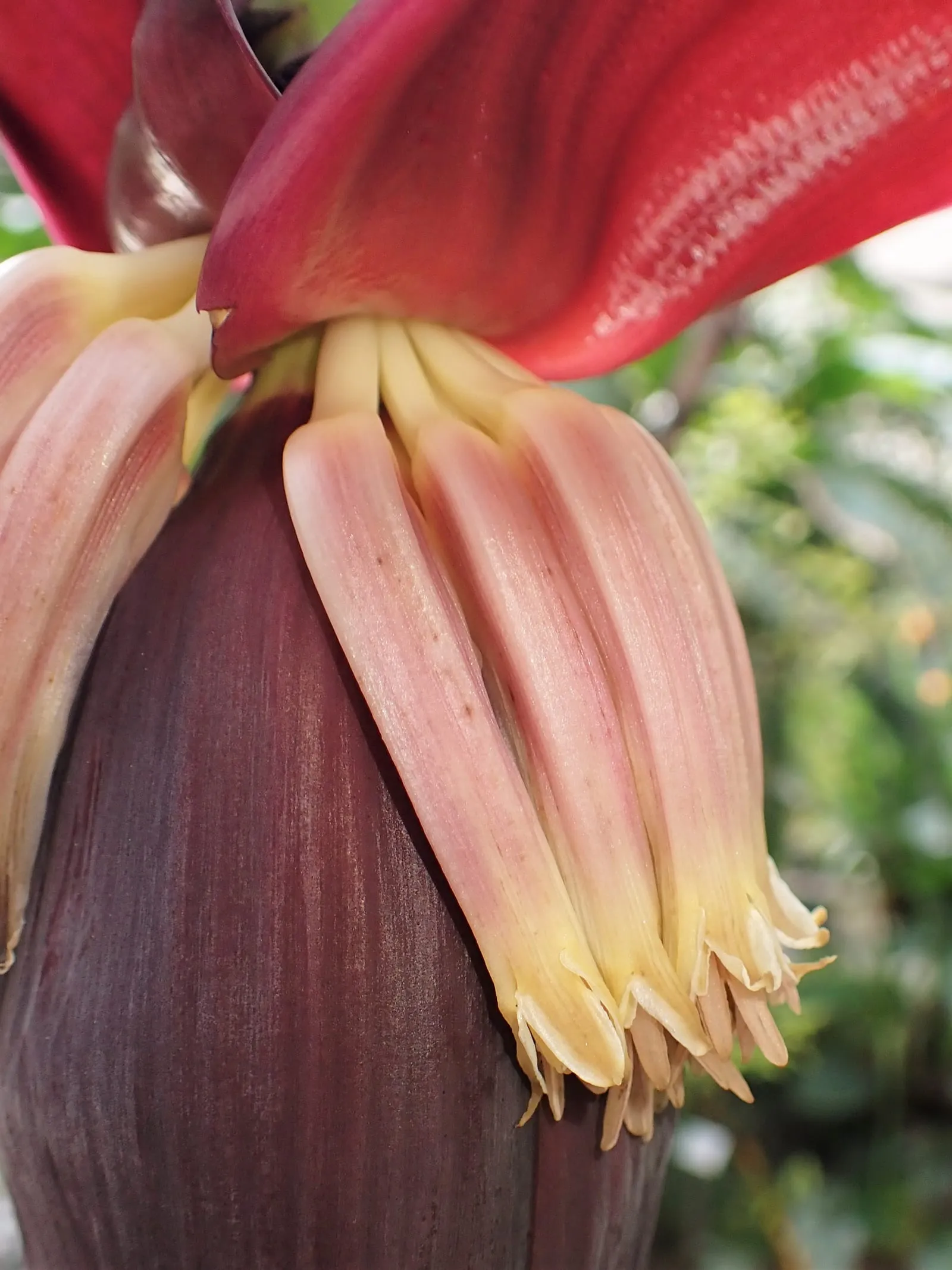 zone 10b
 Banana
Musa acuminata
zones 9b–13b
 zone 10b
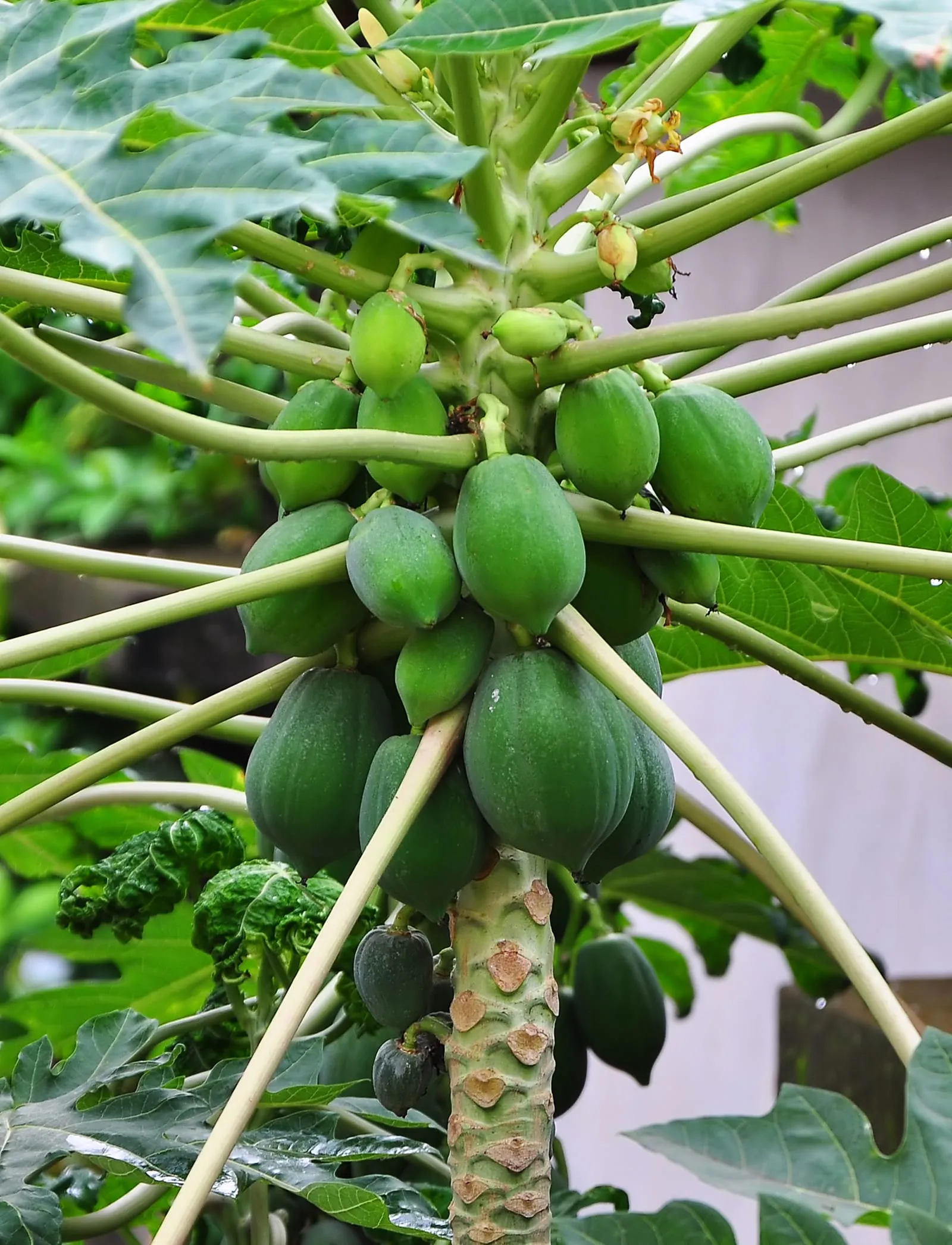
 Papaya
Carica papaya
zones 10a–13b
 zone 10b
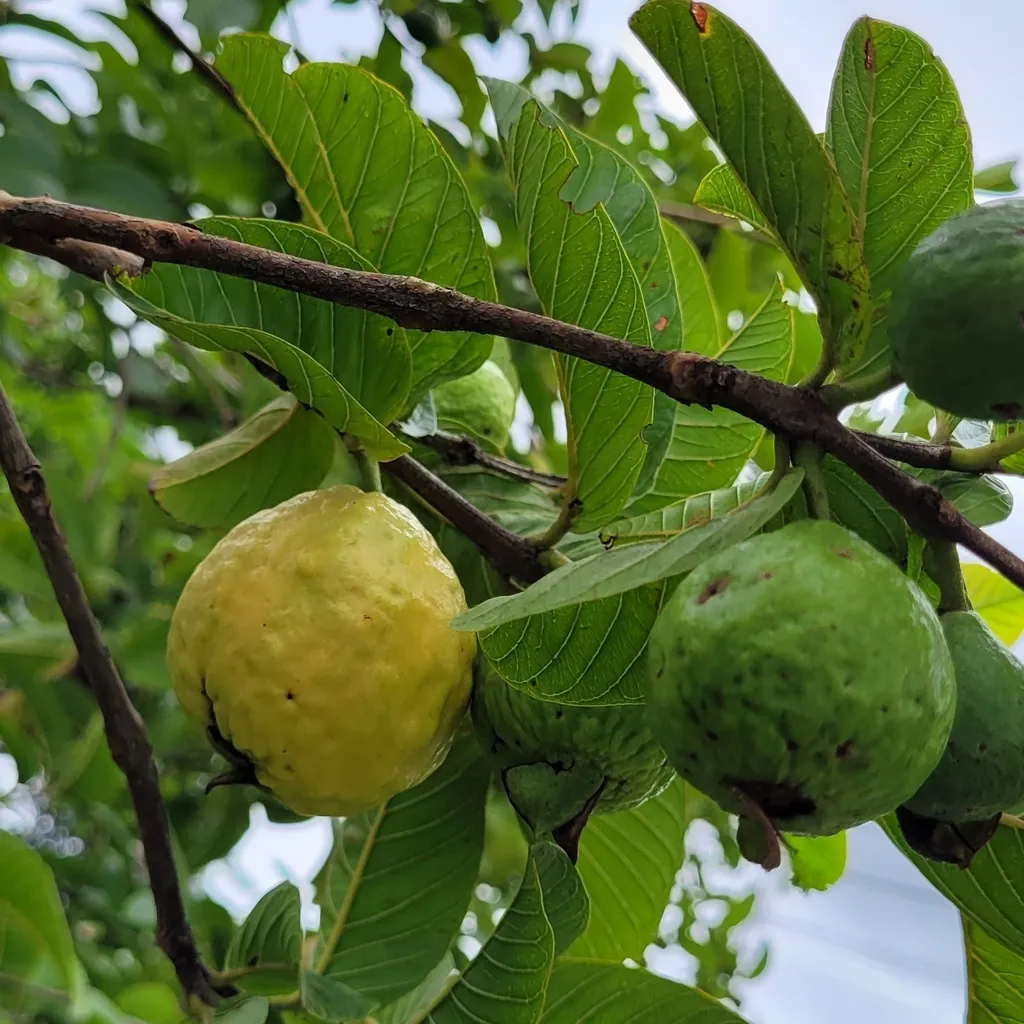
 Guava
Psidium guajava
zones 9b–12b
 zone 10b
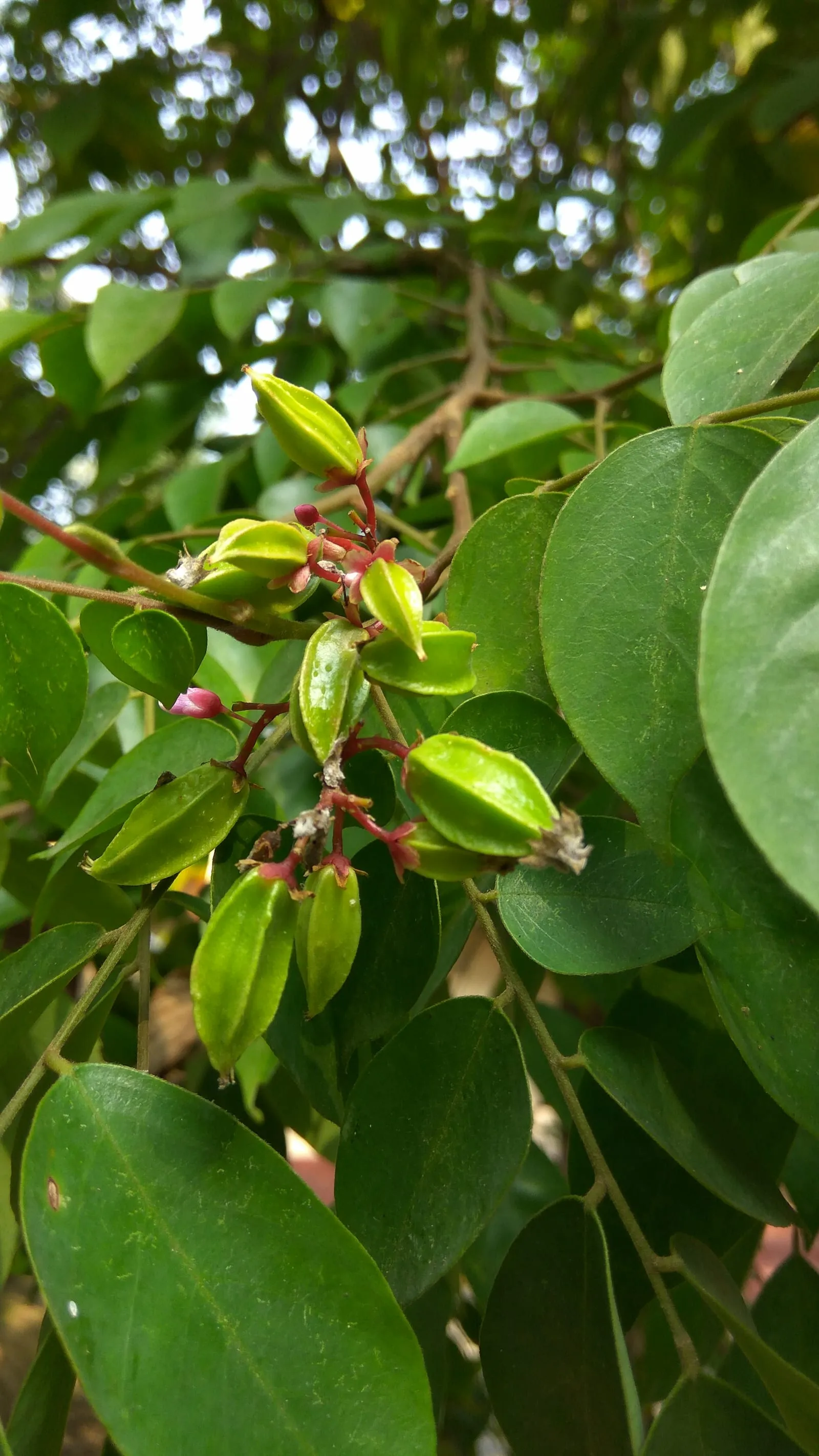
 Starfruit (Carambola)
Averrhoa carambola
zones 10b–13b
 zone 10b
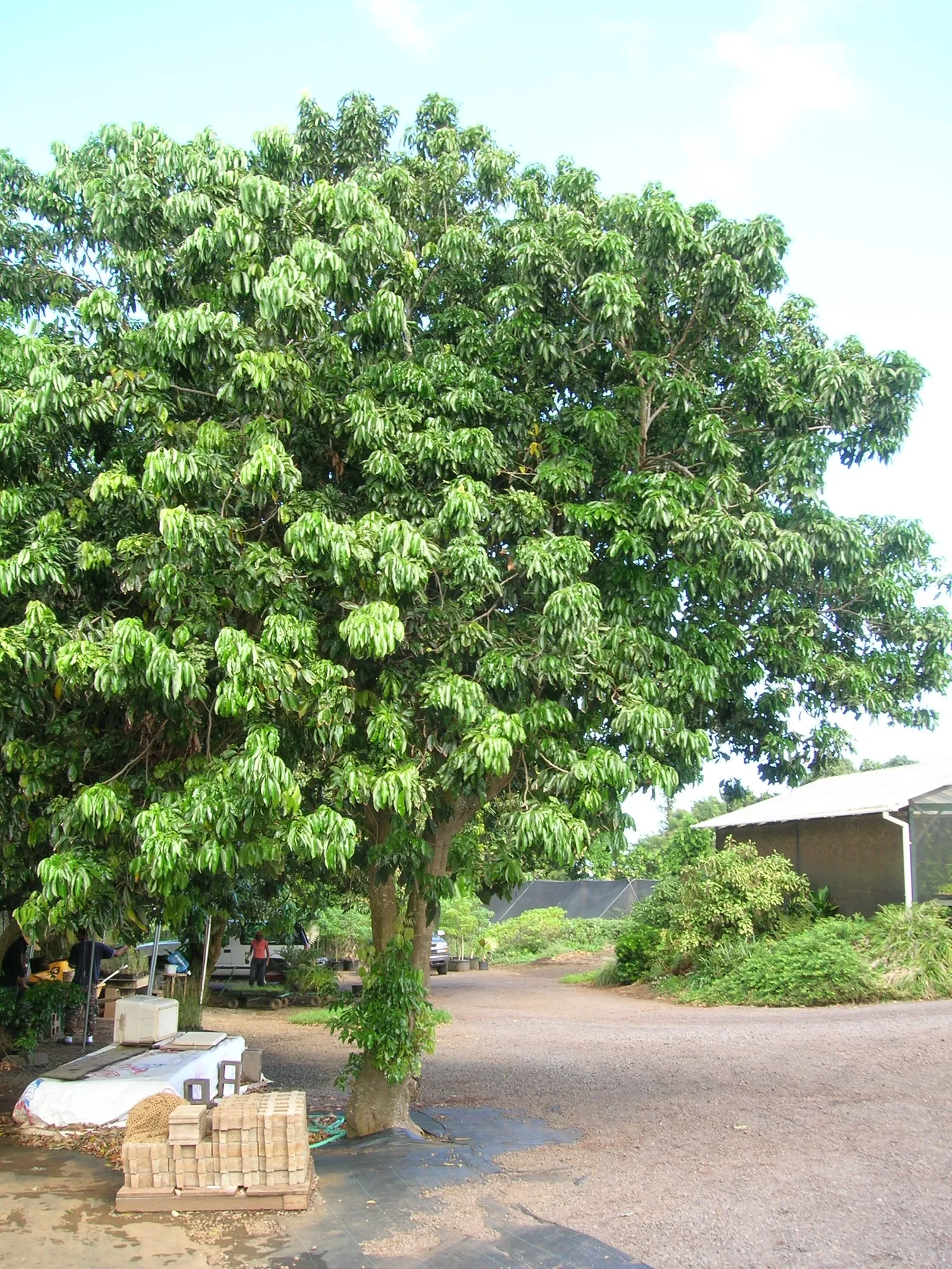
 Lychee
Litchi chinensis
zones 10a–12b
Berries
2 crops
Vegetables
6 crops
 zone 10b
 Tomato
Solanum lycopersicum
zones 3a–10b
 zone 10b
 Sweet Pepper
Capsicum annuum
zones 4a–10b
 zone 10b
 Hot Pepper
Capsicum species
zones 4a–10b
 zone 10b
 Eggplant
Solanum melongena
zones 5a–10b
 zone 10b
 Sweet Potato
Ipomoea batatas
zones 6a–10b
 zone 10b
 Okra
Abelmoschus esculentus
zones 6a–10b
When to plant
Planting calendar for zone 10b
Year-view of seed starting, transplanting, planting, pruning, fertilizing, harvest, and pest-watch windows based on the average frost timing for zone 10b.
Week ? · loading
This week in zone 10b
Quiet week in zone 10b. this week is a good time to step back and plan ahead.
Nothing critical on the calendar this week.
128 bars · 23 crops
Calendar logic combines NOAA frost normals with crop-specific timing data. Local microclimate and weather always overrules the calendar; use this as a starting point.
Frequently asked questions
- Can I grow apples or pears in zone 10b?
Standard apple and pear varieties require 500 to 1,200 chill hours annually to break dormancy and set fruit. Zone 10b typically accumulates fewer than 100 chill hours per year. This makes conventional apple and pear production impractical. A few ultra-low-chill apple selections exist, but performance in zone 10b climates is inconsistent and not well-documented in published trial data.
- What does 'no winter chill' mean for fruit tree selection in zone 10b?
Chill hours are the accumulated hours below 45°F that temperate fruit trees require each winter to complete dormancy and flower normally. Without sufficient chill, trees may leaf out erratically, fail to flower, or produce poor fruit set. Zone 10b accumulates too few chill hours for most temperate species, which is why the practical fruit tree catalog here is dominated by tropical and subtropical selections rather than the apples, pears, and peaches common in colder zones.
- What fruit trees grow most reliably in zone 10b?
Avocado, mango, carambola, guava, lychee, longan, papaya, banana, and fig are among the most reliable choices for zone 10b. Citrus also performs well across much of the zone, though specific varieties suit different microsite conditions. University of Florida IFAS publishes variety trial results for tropical fruits in South Florida that are the most locally grounded selection resource available.
- How does saltwater intrusion affect gardening in coastal zone 10b areas?
In the Florida Keys and parts of coastal Miami-Dade County, saltwater intrusion raises soil sodium and chloride concentrations. Elevated salinity reduces water uptake in most fruit trees even when irrigation is adequate, causing tip burn, leaf drop, and reduced fruit set. Soil testing for electrical conductivity before planting, selecting salt-tolerant species, and building raised beds with imported low-salt media are the primary management responses.
- Is fig a good choice for zone 10b?
Fig tolerates the heat and humidity of zone 10b reasonably well and requires minimal chill hours, which makes it more viable here than most temperate fruit trees. Production tends to be less vigorous than in zones 7 through 9, and foliar disease pressure from humid conditions requires attention. It is a lower-risk starting point than stone fruits or pome fruits for gardeners new to zone 10b conditions.
- What pests and diseases are most problematic for fruit growers in zone 10b?
Year-round warmth means no winter interruption of insect and fungal populations. Ambrosia beetles, Caribbean fruit fly, scale insects, and whitefly are persistent concerns on tropical fruit trees. Anthracnose and other Colletotrichum fungal diseases are particularly damaging on mango and avocado during wet seasons. Laurel wilt disease, spread by redbay ambrosia beetles, is a serious threat to avocado in South Florida and has no effective treatment once a tree is infected.
+−
+−
+−
+−
+−
+−
Related