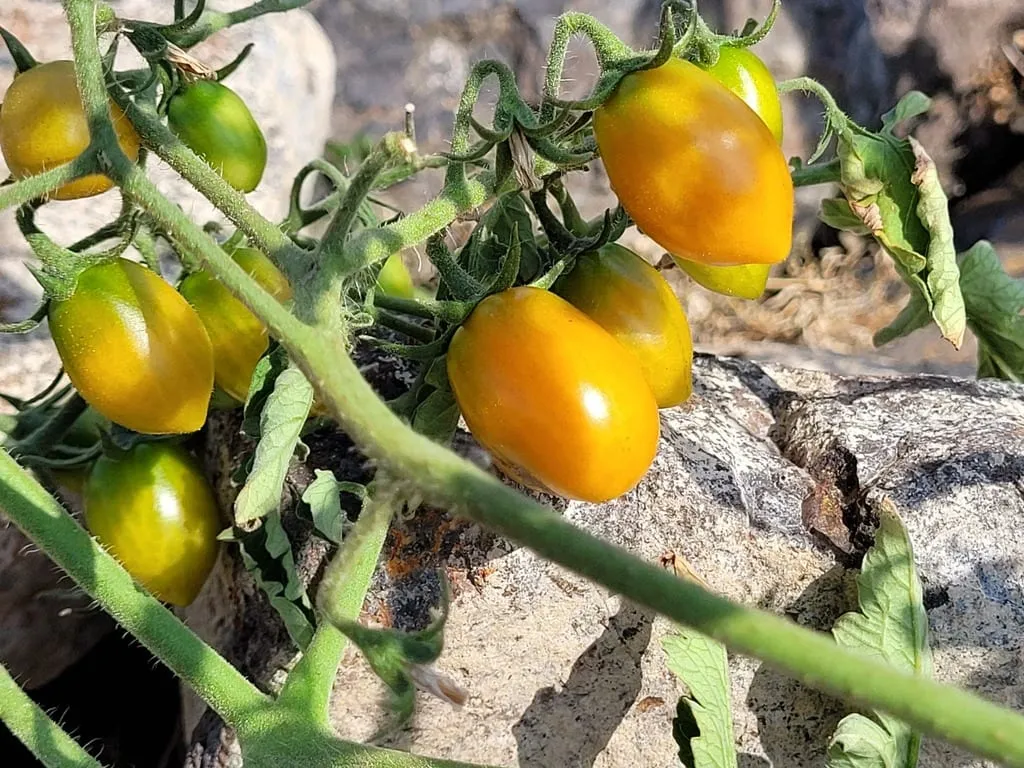
vegetable in zone 10b
Growing tomato in zone 10b
Solanum lycopersicum
- Zone
- 10b 35°F to 40°F
- Growing season
- 365 days
- Suitable varieties
- 0
- Days to harvest
- 55 to 90
The verdict
Zone 10b is productive tomato territory, not marginal. Tomatoes are warm-season crops with no chill-hour requirement, so the zone's minimum winter temperatures of 35-40°F and year-round growing season present no cold-side constraint whatsoever.
The real limiting factor is heat from the opposite direction. Tomatoes drop pollen and fail to set fruit reliably when daytime temperatures exceed 95°F or nighttime temperatures stay above 75°F for extended periods. Zone 10b summers routinely hit both thresholds, which can shut down fruit set for weeks at a stretch. The practical result is an inverted growing season: fall through spring is peak production time, and midsummer is often unproductive regardless of irrigation or care.
Disease pressure from fusarium wilt, verticillium wilt, and tomato spotted wilt virus is elevated year-round in warm climates. Variety selection with documented resistance ratings matters more here than in cooler zones where cold temperatures check pathogen populations naturally.
Critical timing for zone 10b
In zone 10b, the productive tomato window runs roughly September through May. Transplants set out in late August or early September will begin flowering within 45-70 days depending on variety, with peak harvest typically falling October through January. A second planting in late January can push harvest into May before summer heat becomes limiting.
Frost timing is not a planning factor in zone 10b; there is no meaningful frost risk. The event that closes the season is summer heat. Once sustained daytime highs reach the mid-90s and nights stay warm, blossom drop becomes persistent and marketable yields fall sharply. Growers tracking local weather can use that threshold, rather than a calendar date, to decide when to pull plants or shift to heat-tolerant cover crops.
Common challenges in zone 10b
- ▸ No winter chill
- ▸ Tropical pest and disease pressure
- ▸ Saltwater intrusion in coastal soils
Disease pressure to watch for
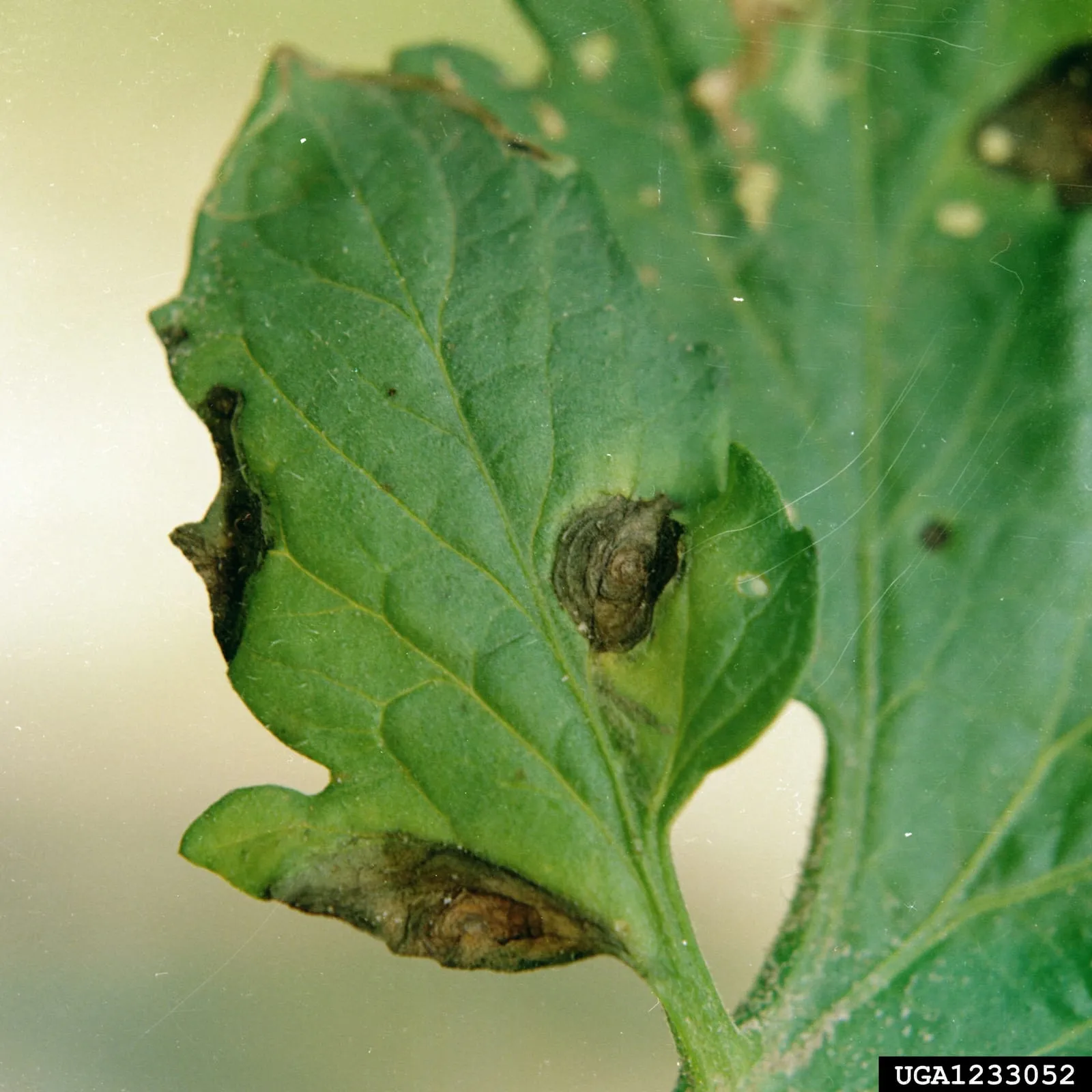
Alternaria solani
Fungal disease starting on lower leaves and progressing upward. The most common tomato and potato leaf disease in the eastern US.
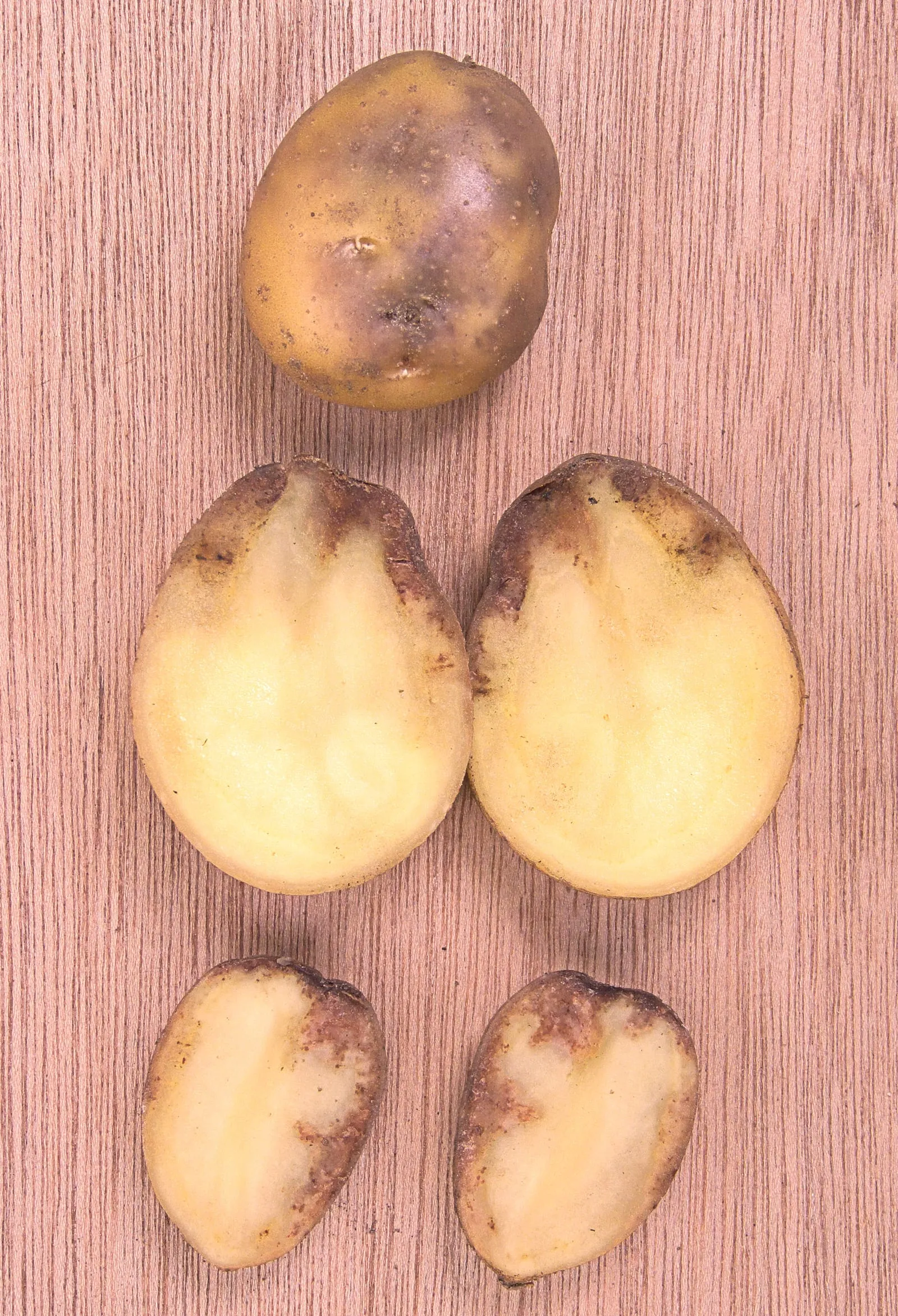
Phytophthora infestans
The pathogen responsible for the Irish Potato Famine. Devastating in cool wet weather; can destroy a tomato planting in days.
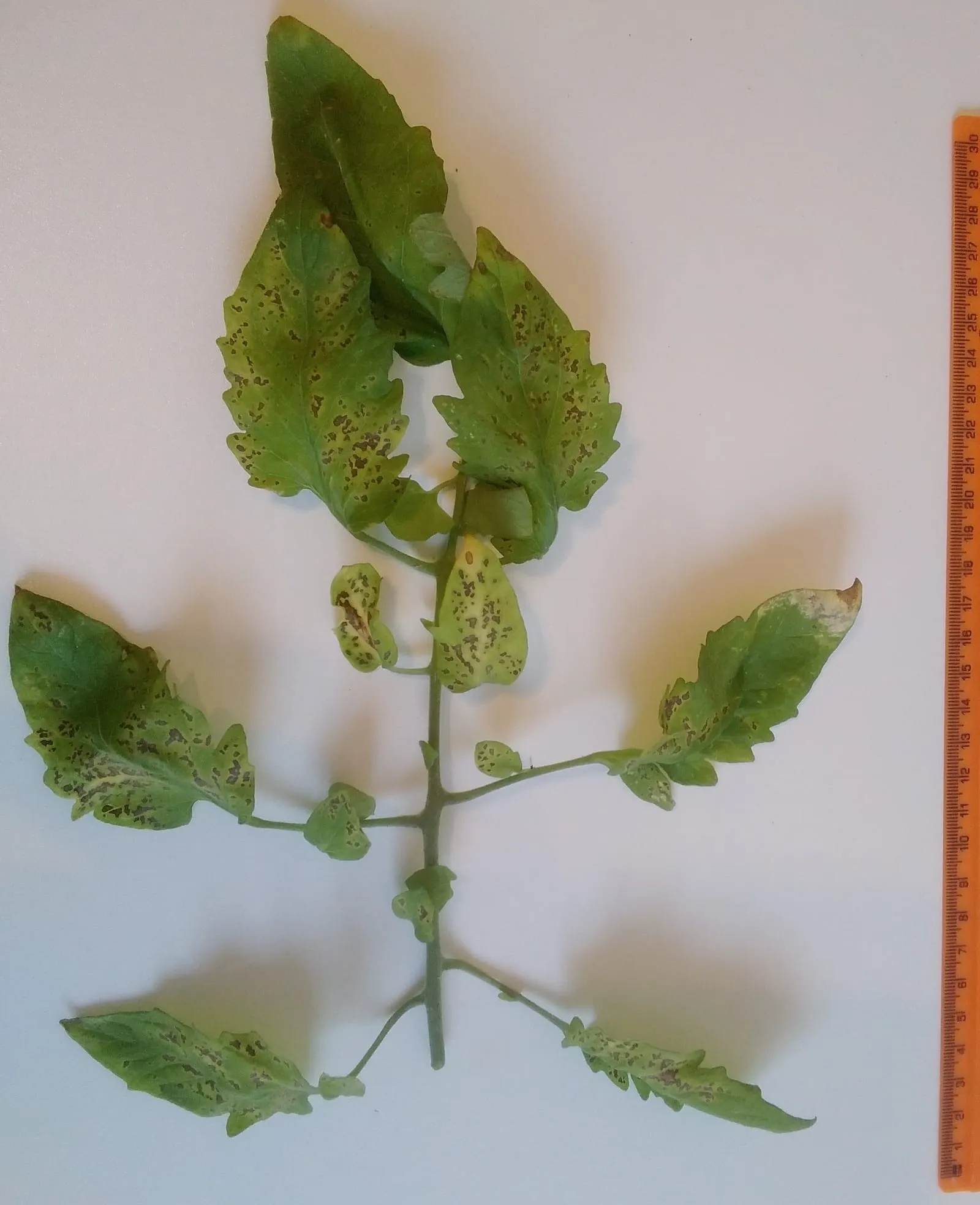
Septoria lycopersici
Fungal disease that defoliates tomato from the bottom up. Doesn't directly affect fruit but reduces yield through loss of leaf area.
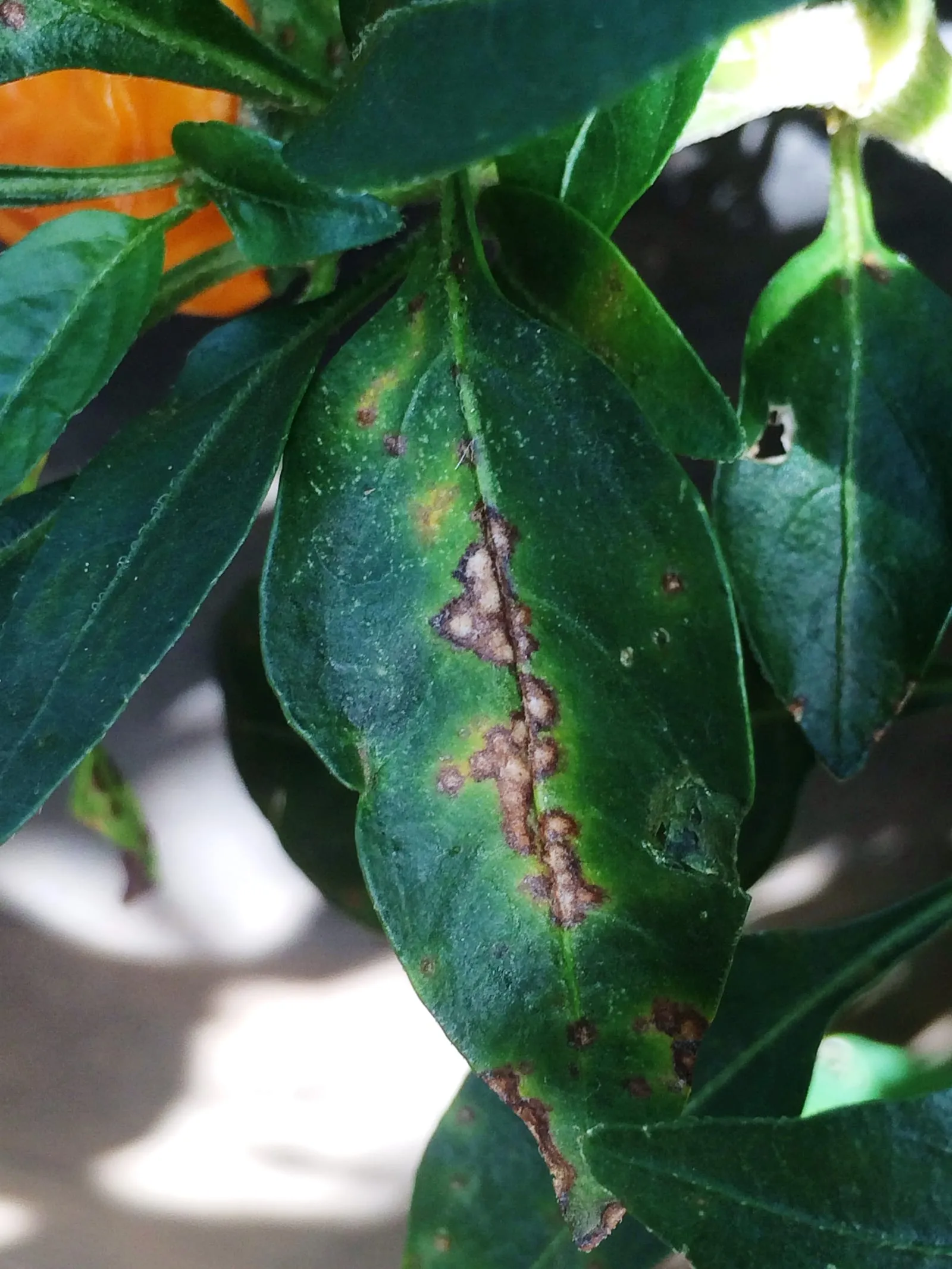
Xanthomonas euvesicatoria and X. perforans
Bacterial disease causing leaf spots and fruit blemishes on pepper and tomato. Severe in warm humid weather, transmitted via splashing water and seed.
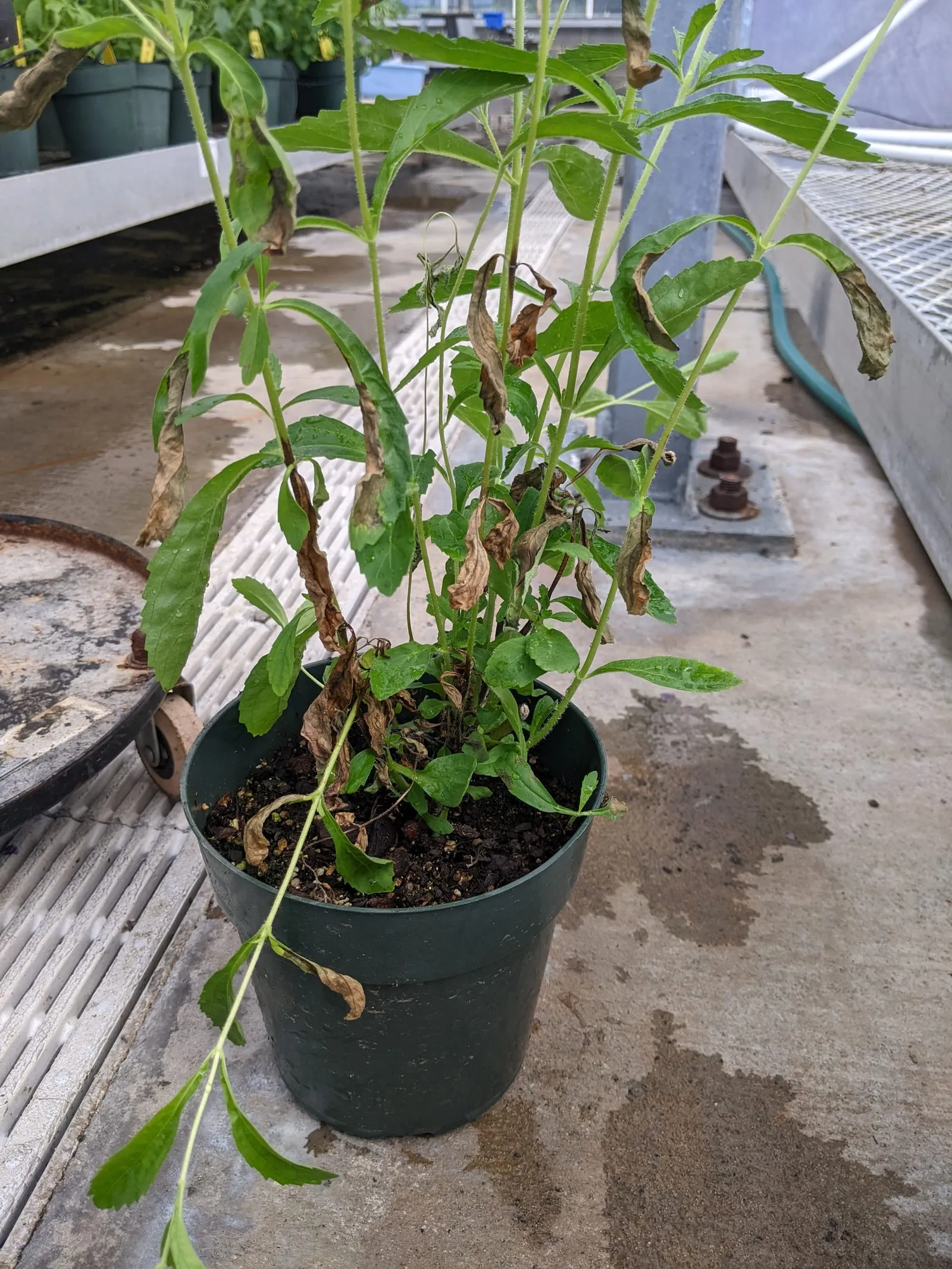
Tomato spotted wilt orthotospovirus (TSWV)
Virus vectored by thrips, particularly western flower thrips. Wide host range and growing global distribution. No cure once infected.
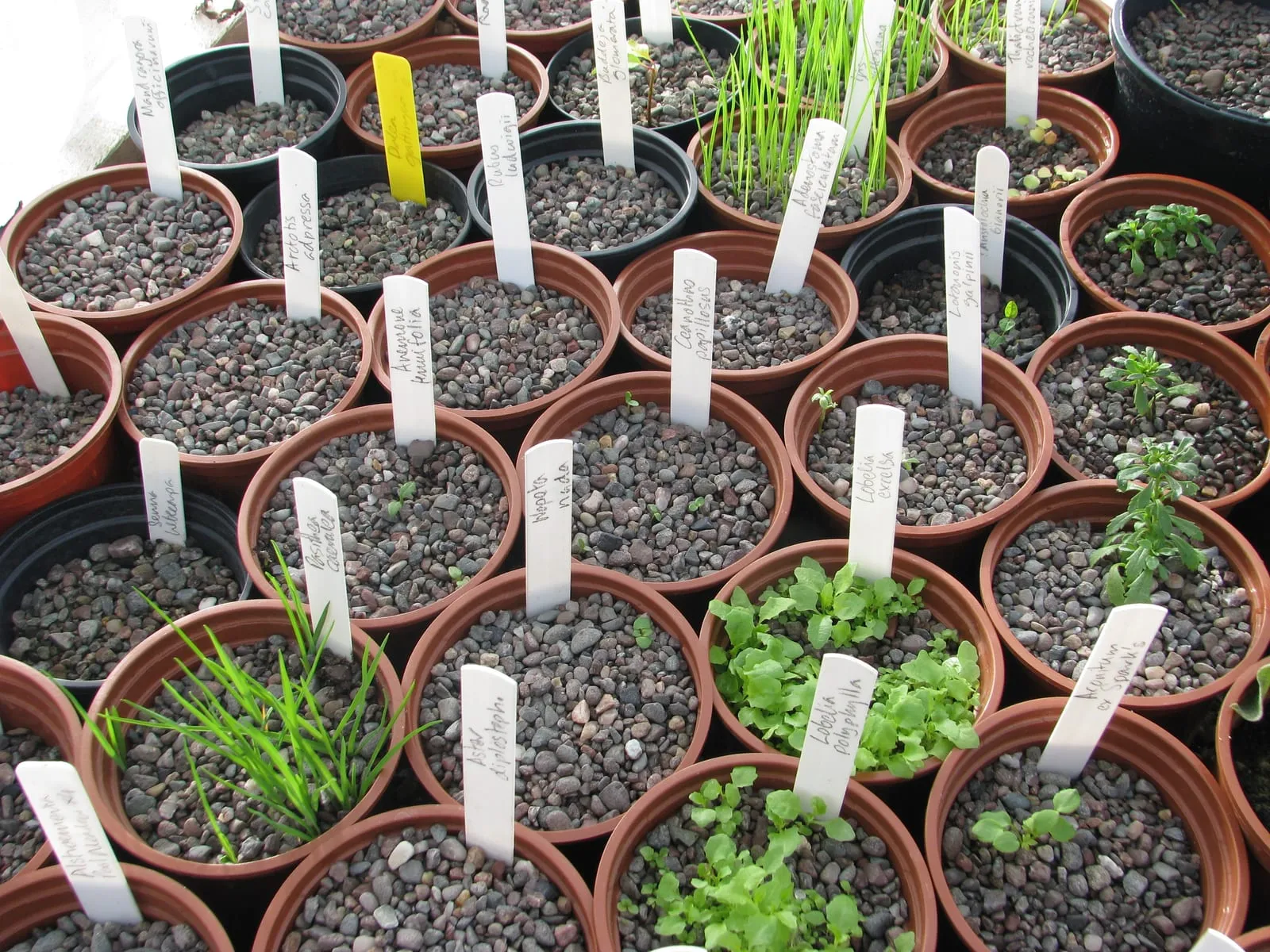
Pythium and Rhizoctonia species
Soil-borne complex of water molds and fungi that kill seedlings before or shortly after emergence. The single most common cause of seed-starting failures.
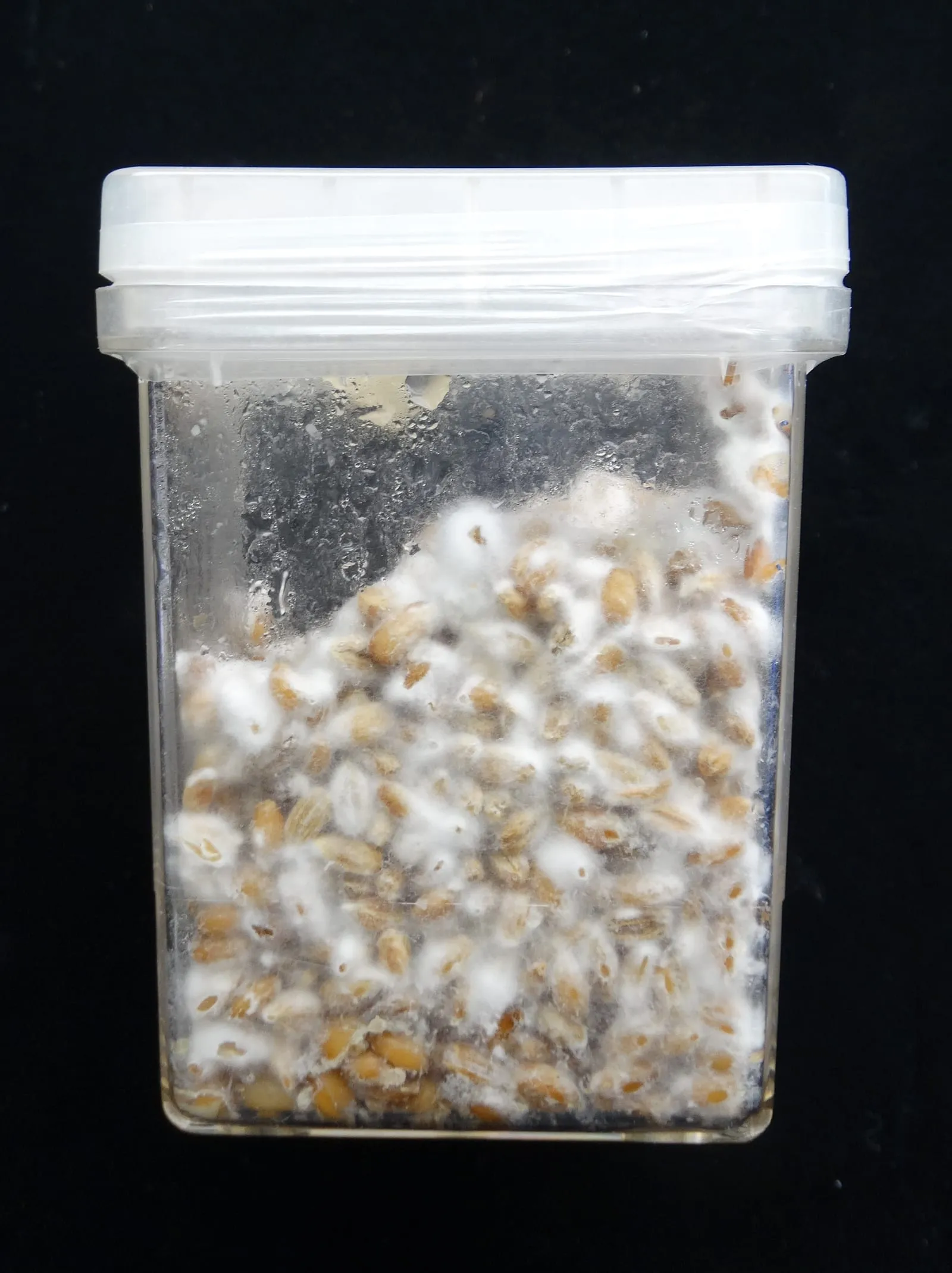
Fusarium oxysporum
Soil-borne fungal disease that plugs vascular tissue and kills affected plants. Persists in soil for many years; impossible to eliminate once established.
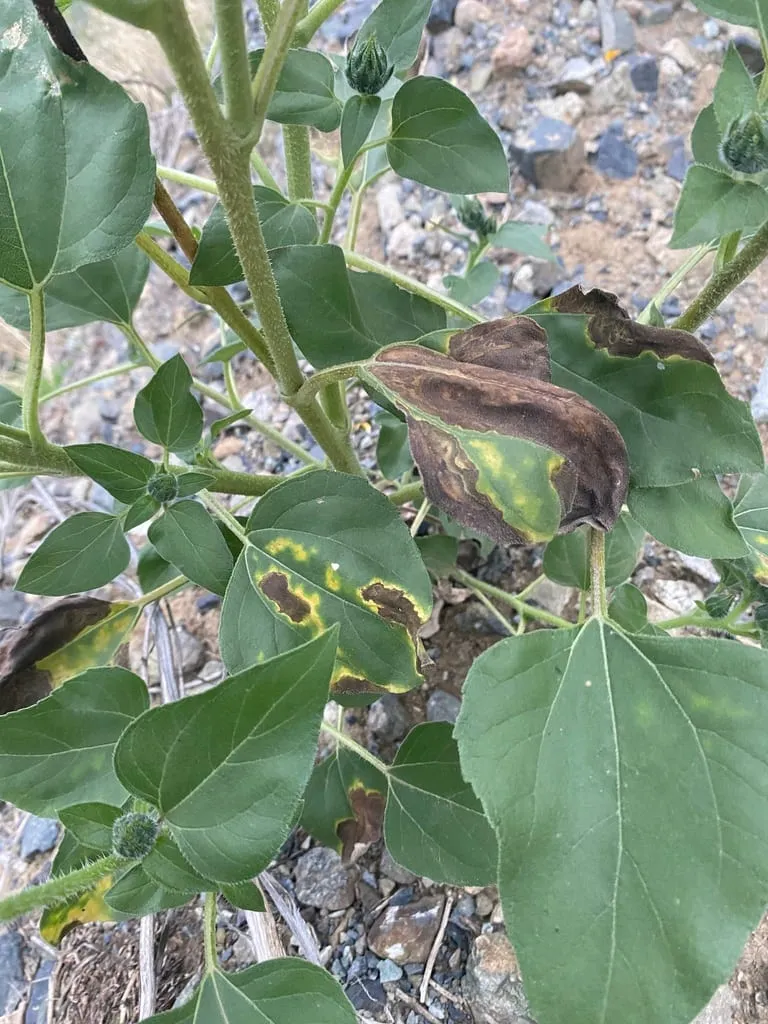
Verticillium dahliae
Soil-borne fungal disease similar to fusarium wilt but with broader host range and cooler temperature optimum. Persists in soil for 10+ years.
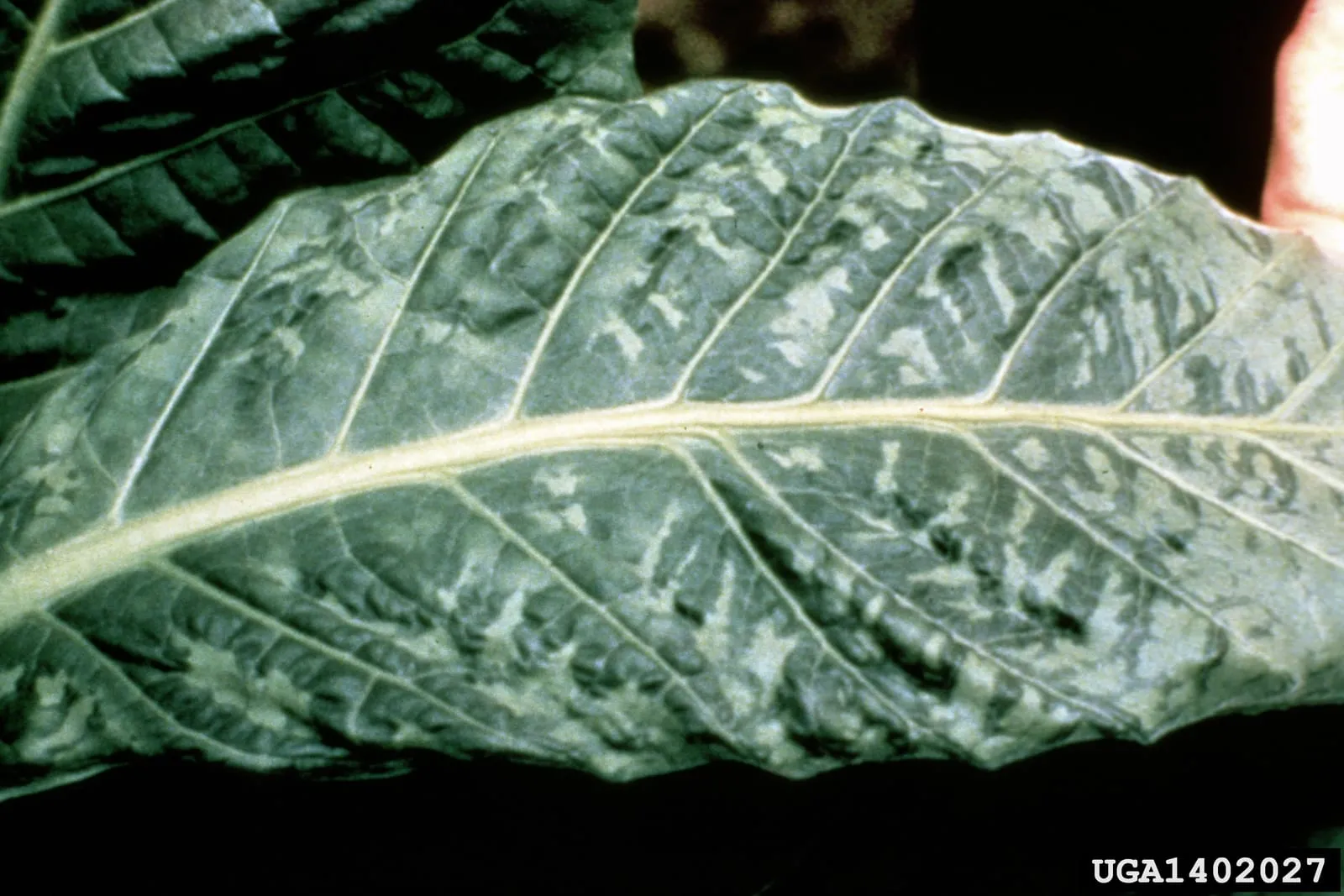
Cucumber mosaic virus, Tobacco mosaic virus, and others
Family of plant viruses producing mottled yellow-and-green leaf patterns. Vectored primarily by aphids; some are seed-transmitted or spread by handling tools and tobacco products.
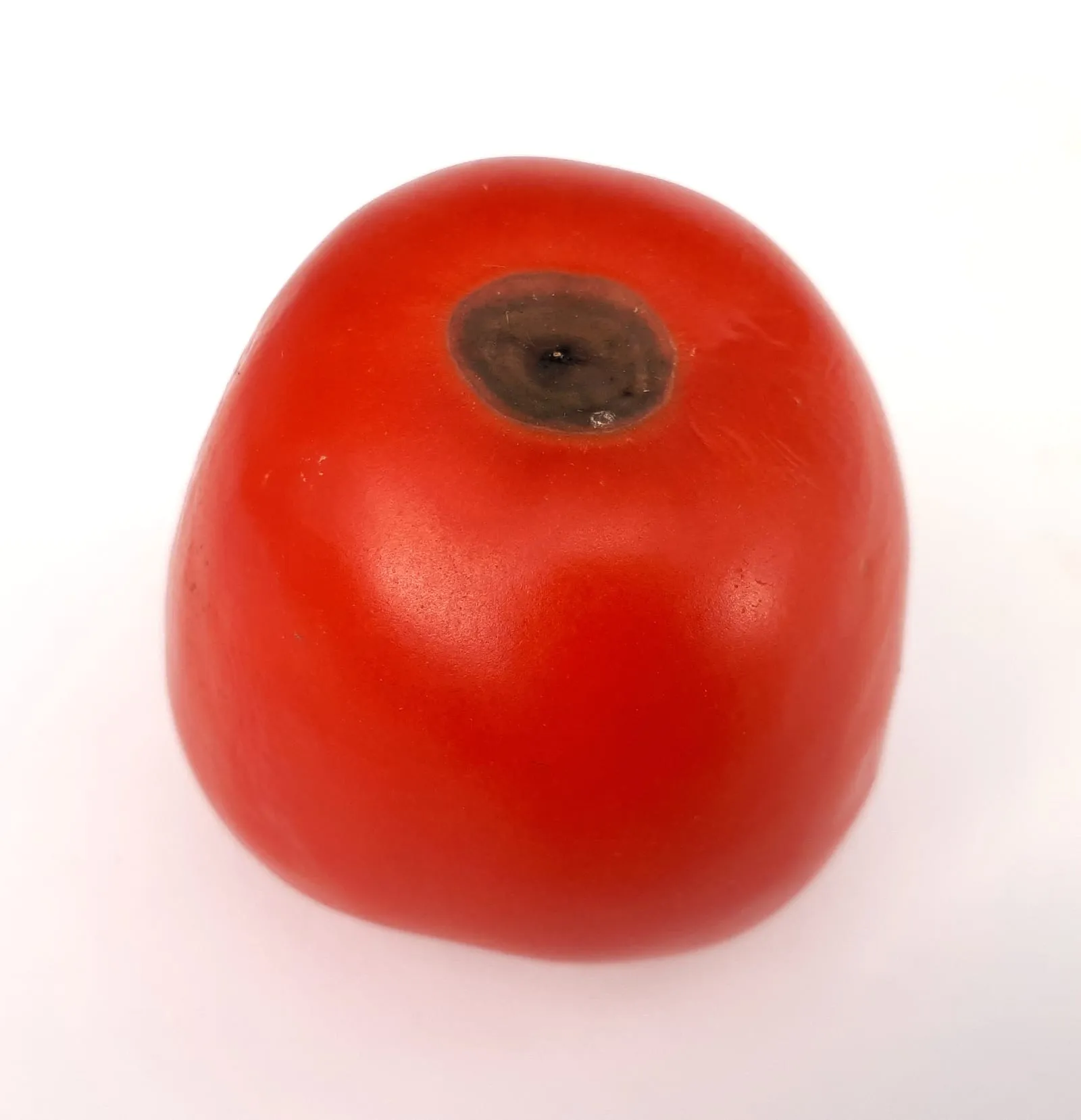
Calcium deficiency physiological disorder
Not a true disease but a calcium-uptake disorder caused by inconsistent soil moisture during fruit development. The dominant cause of damaged first-fruit on home tomato plantings.
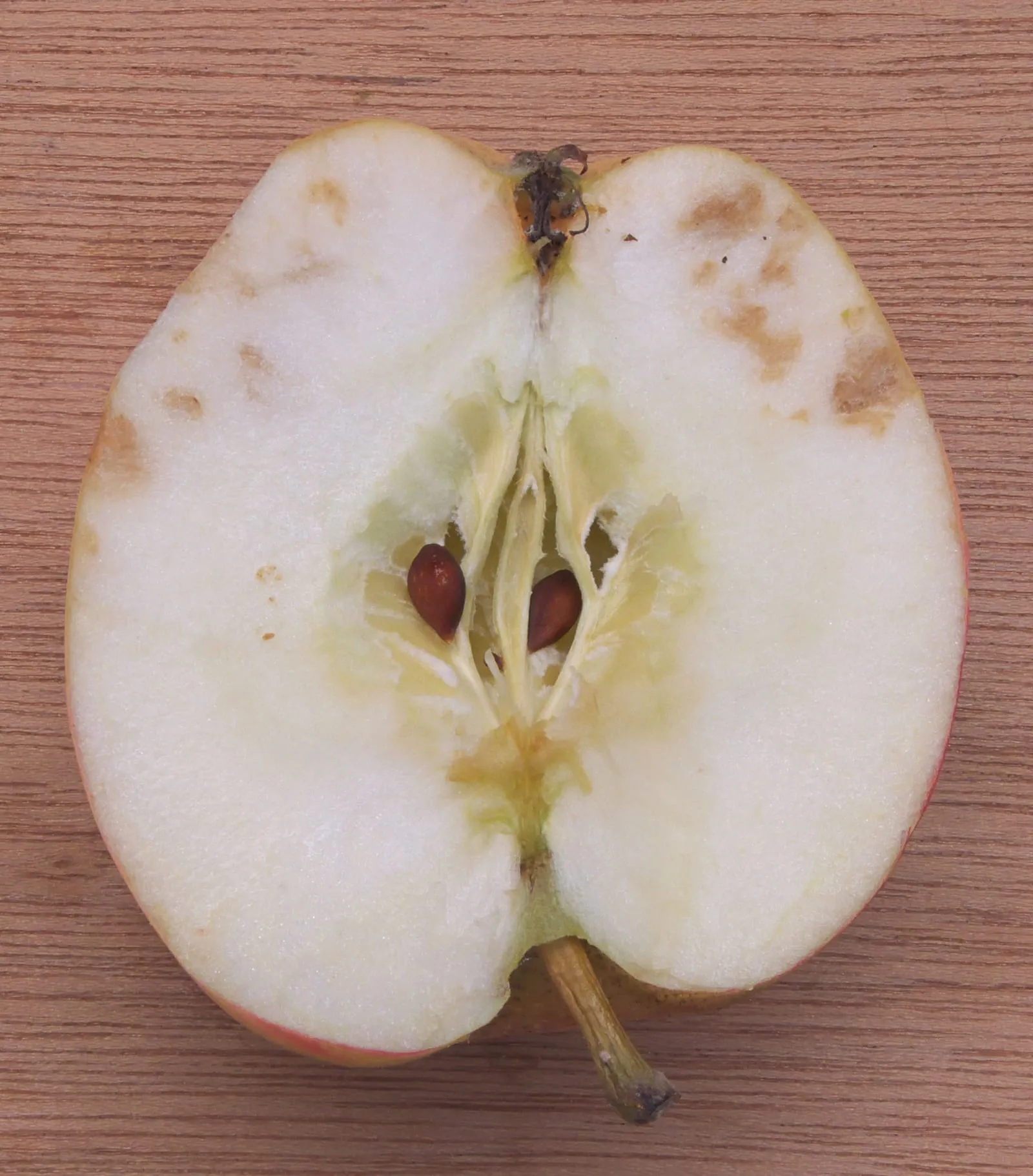
Physiological disorder
Damage from direct intense sun exposure on fruit or bark, particularly on plants suddenly exposed by pruning, defoliation, or hot weather. Distinct from sunburn (which is reversible).
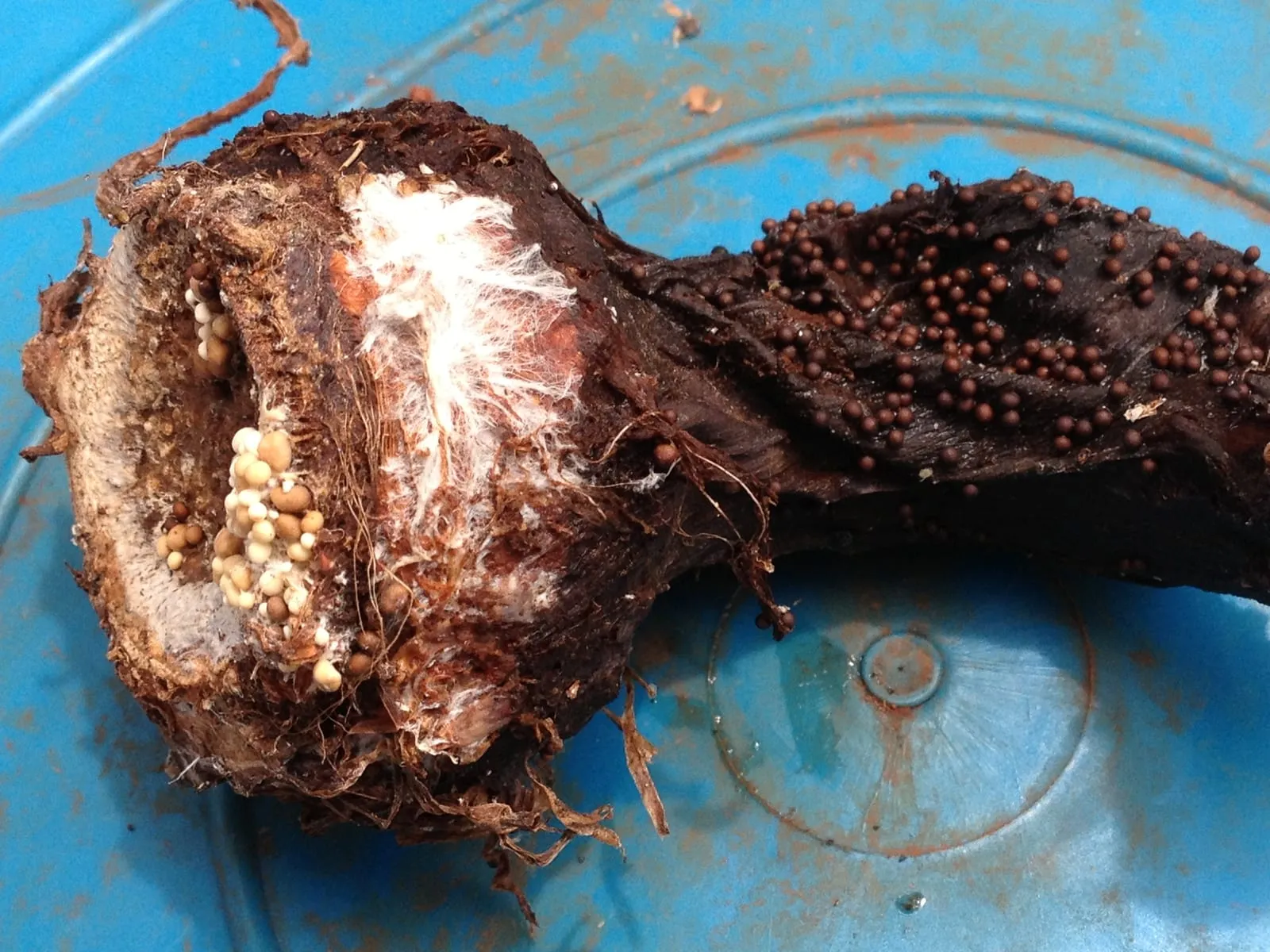
Sclerotium rolfsii
Soil-borne fungal disease most damaging in warm humid Southern conditions. White mycelial fans and small mustard-seed-sized sclerotia at the soil line are diagnostic.
Modified care for zone 10b
The primary adaptation in zone 10b is reorienting to a fall-first planting model. Treating September as the start of the main season and midsummer as a rest or cover-crop period runs counter to how most gardening references describe tomato culture, but it fits the climate.
Disease pressure from early blight, septoria leaf spot, and fusarium wilt is elevated in warm, humid conditions. Mulch heavily to reduce soil splash onto lower leaves, remove infected foliage promptly, and maintain airflow through consistent pruning. Varieties carrying V (verticillium) and F (fusarium) resistance designations are worth prioritizing at purchase.
Coastal growers dealing with saltwater intrusion should test soil electrical conductivity before planting. If salinity is elevated, raised beds filled with known-quality soil sidestep the problem more reliably than in-ground amendment with gypsum, though gypsum can help in moderately affected sites.
Tomato in adjacent zones
Image: "Tomate", by Andrea, via iNaturalist, licensed under CC-BY Source.
Related