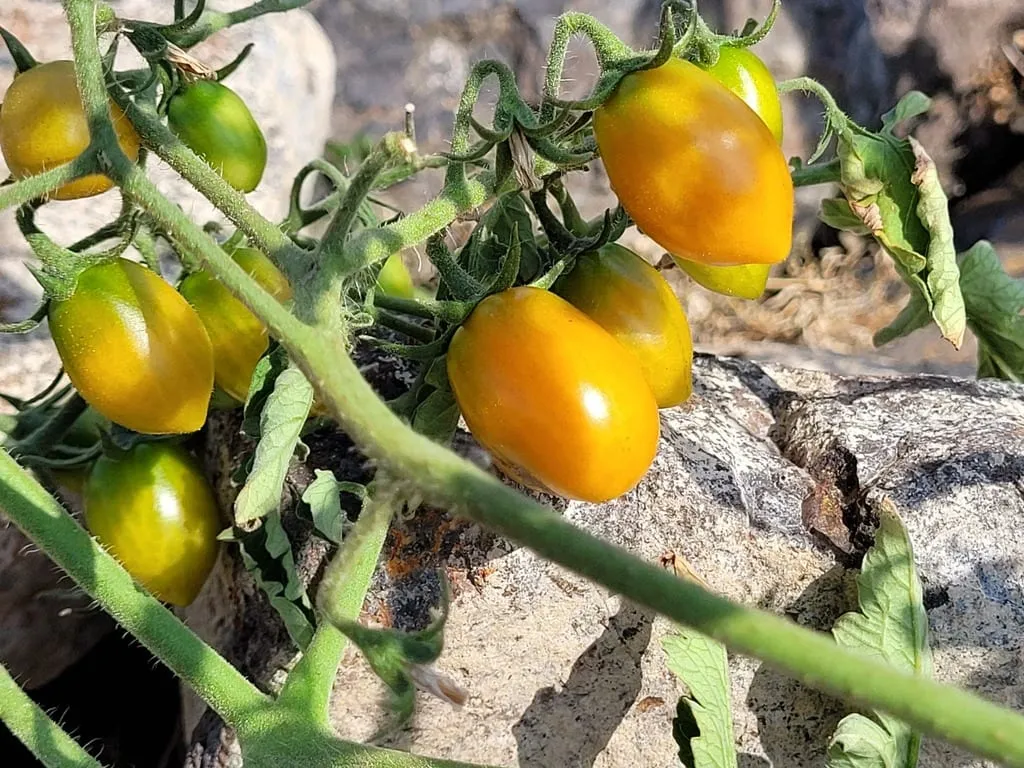
vegetable
Tomato
Solanum lycopersicum
USDA hardiness range
- Zones
- 3a–10b
- Days to harvest
- 55 to 90
- Sun
- Full
- Water
- Moderate
- Lifespan
- annual
Growing tomato
Tomato grows as a warm-season annual across USDA zones 3a through 10b, making it one of the most widely adapted food crops in American home gardens. In short-season zones (3 and 4), success depends on choosing early-maturing varieties with days-to-harvest under 70 and starting transplants 6 to 8 weeks before last frost. In long-season zones (8b through 10b), summer heat above 95°F can cause blossom drop and halt fruit set, making spring and fall plantings more productive than midsummer.
The gap between a productive tomato planting and a failed one usually comes down to three factors: transplant timing, disease management, and consistent moisture. Setting plants out too early into cold soil stunts growth in ways that persist all season. Inconsistent watering drives blossom-end rot and fruit cracking. Where early blight, late blight, or fusarium wilt pressure is high, unprotected plants can defoliate by midsummer before a meaningful harvest is taken.
Tomatoes are heavy feeders and productive over a long season when conditions cooperate. Indeterminate varieties continue setting fruit until frost if disease is controlled; determinate types concentrate harvest over a shorter window, which suits canning or preserving. Variety selection is the first and most consequential decision: no other vegetable shows as much variation in flavor, disease tolerance, and heat performance across the zone range.
Recommended varieties
See all 7 →7 cultivars for home growers, with notes on flavor, ripening, and disease resistance.
| Variety | Notes | Zone fit | Disease resistance |
|---|---|---|---|
| Brandywine | Rich, complex, full tomato flavor with high sugar and high acid; the heritage standard for fresh slicing and BLTs. Beefsteak indeterminate, pink-red, dense flesh. Susceptible to disease but unmatched in flavor. | | none noted |
| Cherokee Purple | Smoky-sweet, complex, almost wine-like; dark purple-red beefsteak. Fresh slicing, sandwiches, salads. Indeterminate, productive, more disease-tolerant than most heirlooms. | | none noted |
| Sungold | Intensely sweet, candy-like, tropical-fruit notes; small orange cherry tomato. Fresh snacking, salads. Indeterminate, very productive, splits if irrigation is uneven. | | none noted |
| San Marzano | Sweet-low-acid, dense flesh with few seeds; the Italian paste tomato standard. Sauce, canning, sun-drying. Indeterminate, long fruiting period. | | none noted |
| Early Girl | Tart-sweet, classic balanced tomato flavor; medium-size red slicer. Fresh, salads, sandwiches. Determinate, ripens early (55 days), reliable in short seasons. | | none noted |
| Roma | Mild, low-water content, meaty; the workhorse paste tomato. Sauce, canning, drying. Determinate, concentrated harvest, holds well after picking. | | none noted |
| Mortgage Lifter | Sweet, mild, very low acid; large pink-red beefsteak with few seeds. Fresh slicing, sandwiches. Indeterminate, productive heritage variety from Depression-era Virginia. | | none noted |
Soil and site requirements
Tomatoes prefer a well-drained loam or sandy loam with a soil pH between 6.0 and 6.8. Below pH 6.0, calcium and magnesium uptake is impaired, increasing the risk of blossom-end rot even when soil calcium levels are adequate. Above pH 7.0, iron and manganese become less available. Test soil before planting and amend accordingly.
Full sun is non-negotiable: at least 8 hours of direct sun per day. Shadier sites produce fewer fruit and are more vulnerable to foliar disease because foliage dries slowly after rain or dew. Where summer temperatures regularly exceed 90°F, afternoon shade from a fence or tall crop can reduce heat stress, but morning sun remains the priority.
Spacing affects both yield and disease pressure. Indeterminate varieties grown on stakes or cages need at least 24 to 36 inches between plants; determinate bush types can be spaced at 18 to 24 inches. Tight spacing reduces airflow and keeps foliage wet longer after rain, accelerating septoria leaf spot and early blight.
Raised beds improve drainage and warm the soil faster in spring, giving a meaningful advantage in zones 5 and colder. Avoid low-lying areas where cold air pools on frost nights and where water stands after heavy rain.
Common diseases
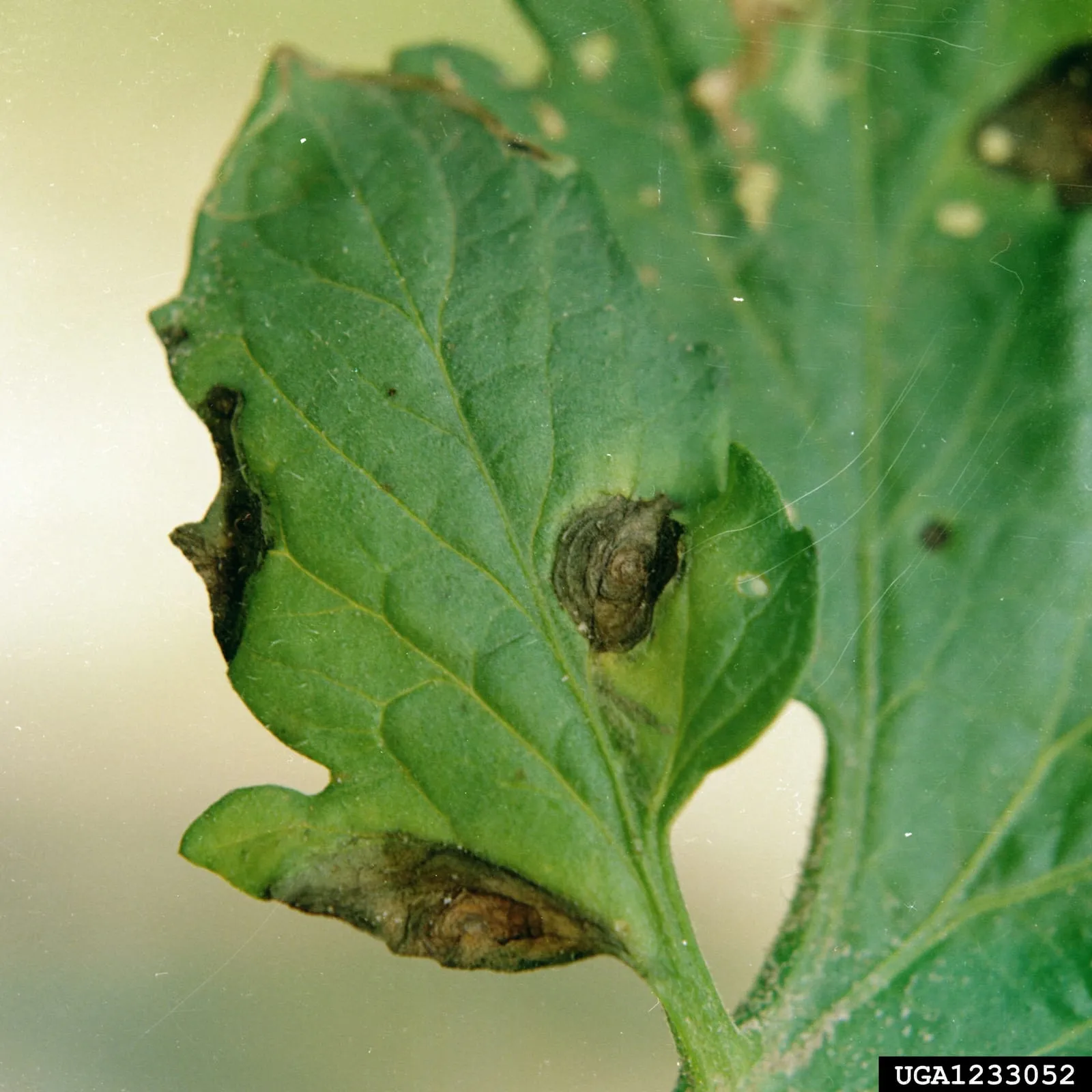
Alternaria solani
Fungal disease starting on lower leaves and progressing upward. The most common tomato and potato leaf disease in the eastern US.
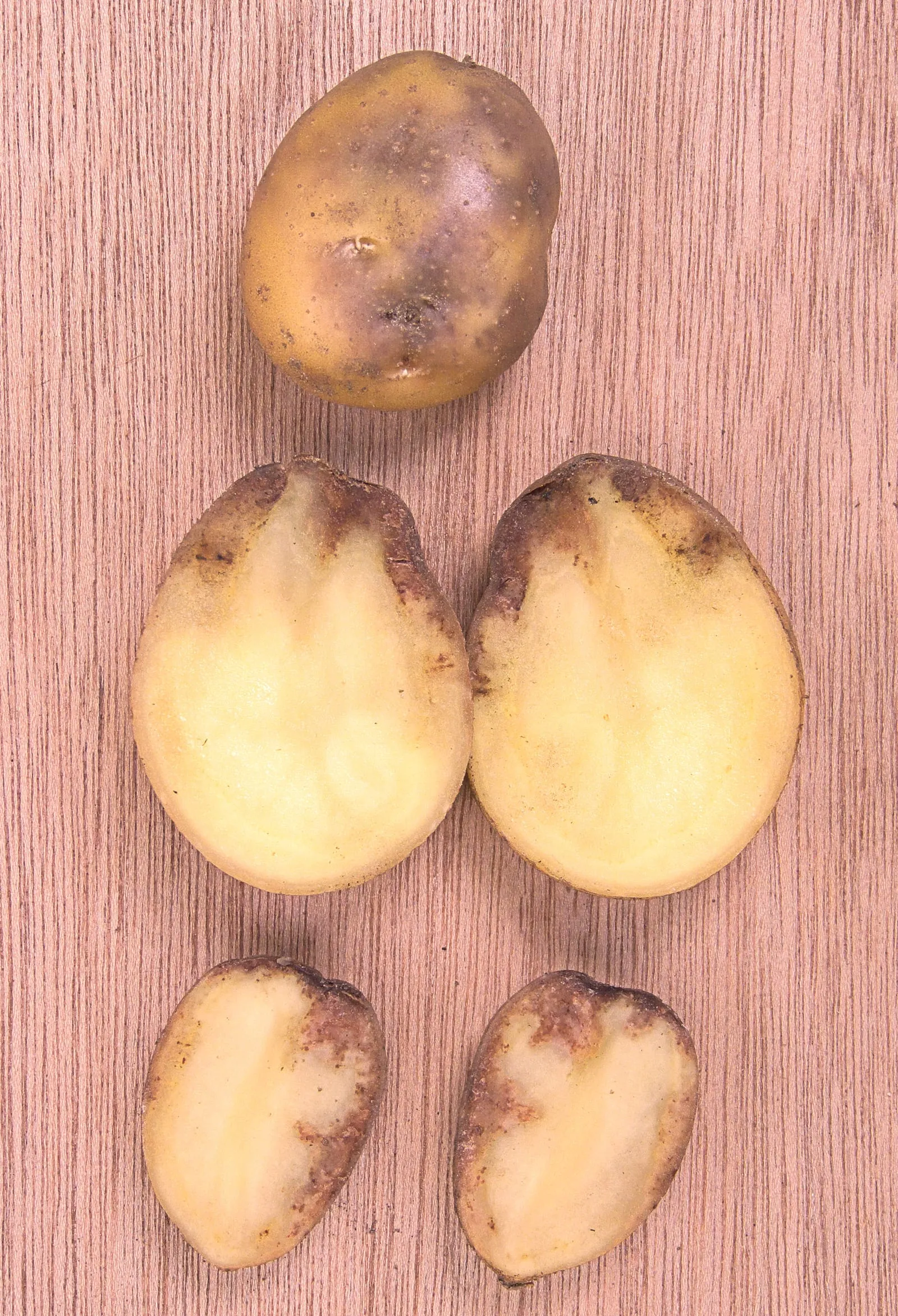
Phytophthora infestans
The pathogen responsible for the Irish Potato Famine. Devastating in cool wet weather; can destroy a tomato planting in days.
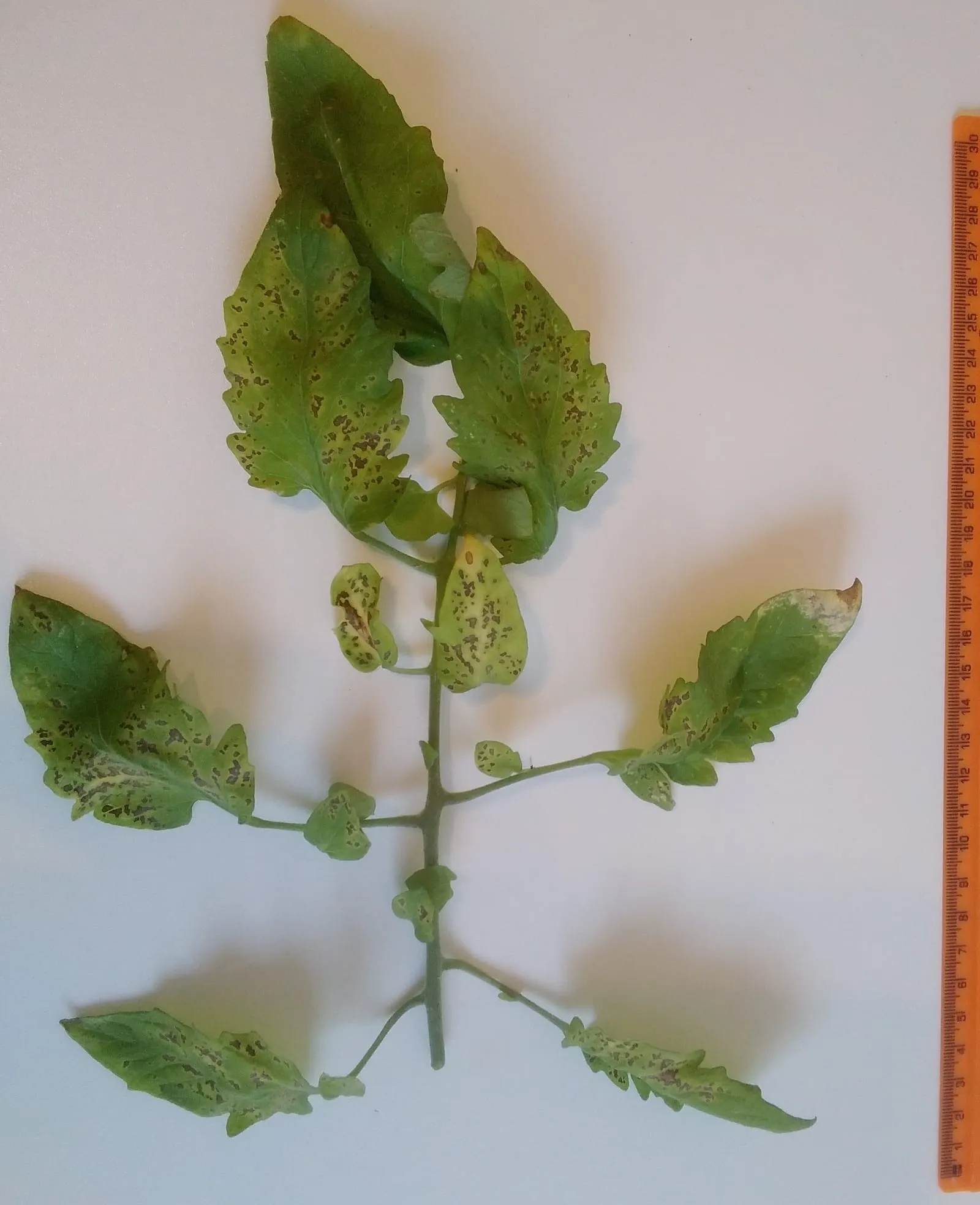
Septoria lycopersici
Fungal disease that defoliates tomato from the bottom up. Doesn't directly affect fruit but reduces yield through loss of leaf area.
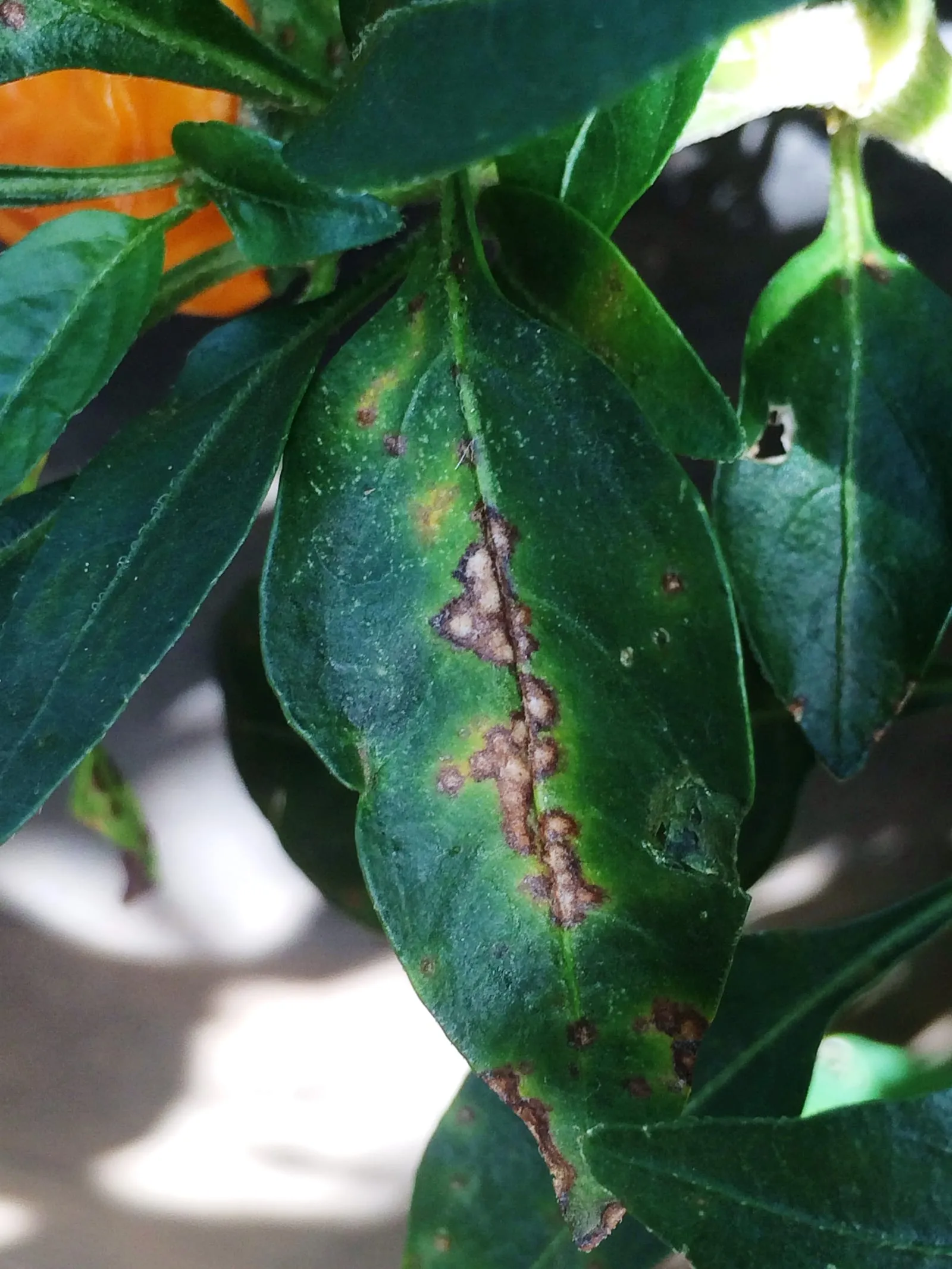
Xanthomonas euvesicatoria and X. perforans
Bacterial disease causing leaf spots and fruit blemishes on pepper and tomato. Severe in warm humid weather, transmitted via splashing water and seed.
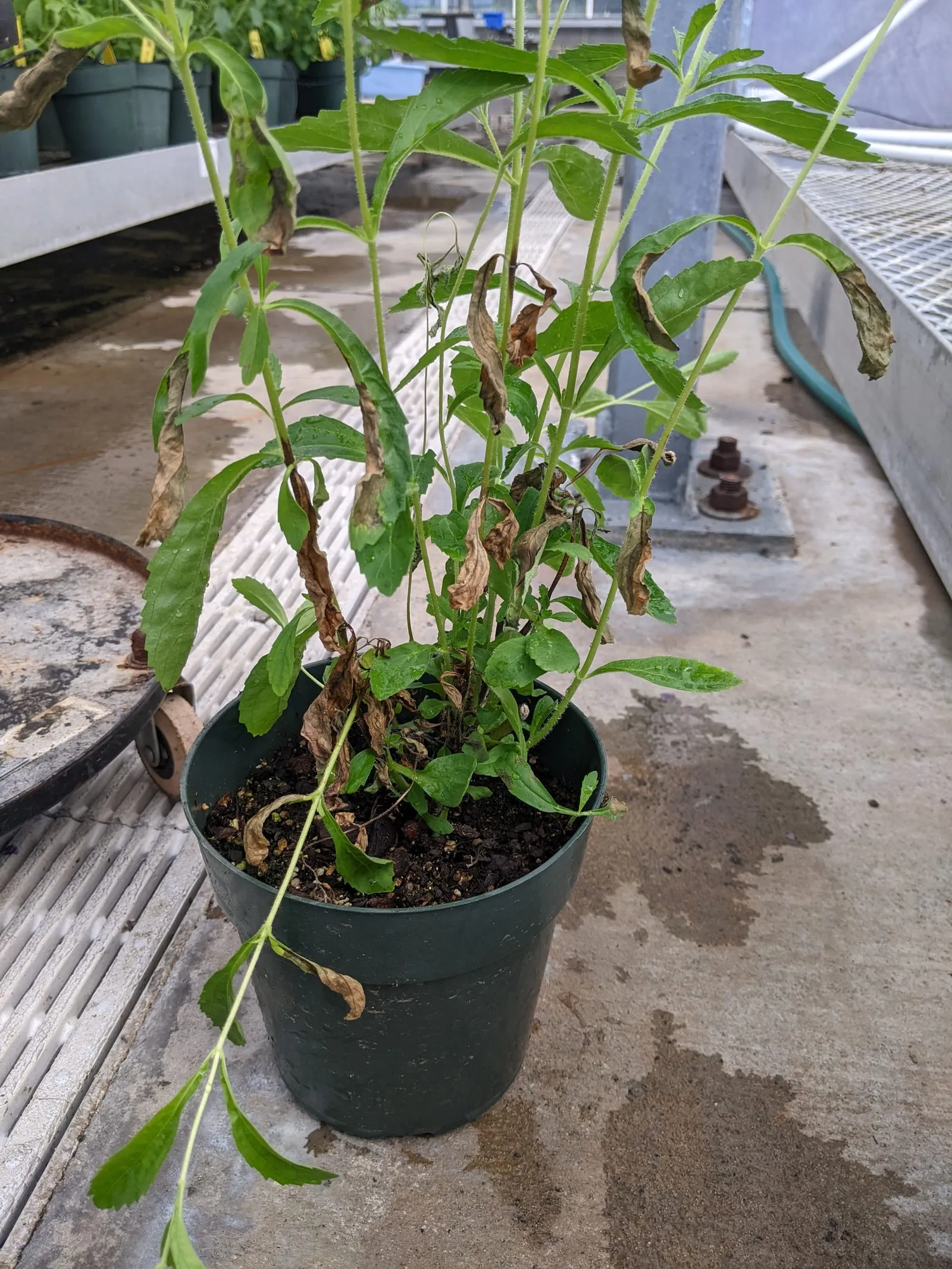
Tomato spotted wilt orthotospovirus (TSWV)
Virus vectored by thrips, particularly western flower thrips. Wide host range and growing global distribution. No cure once infected.
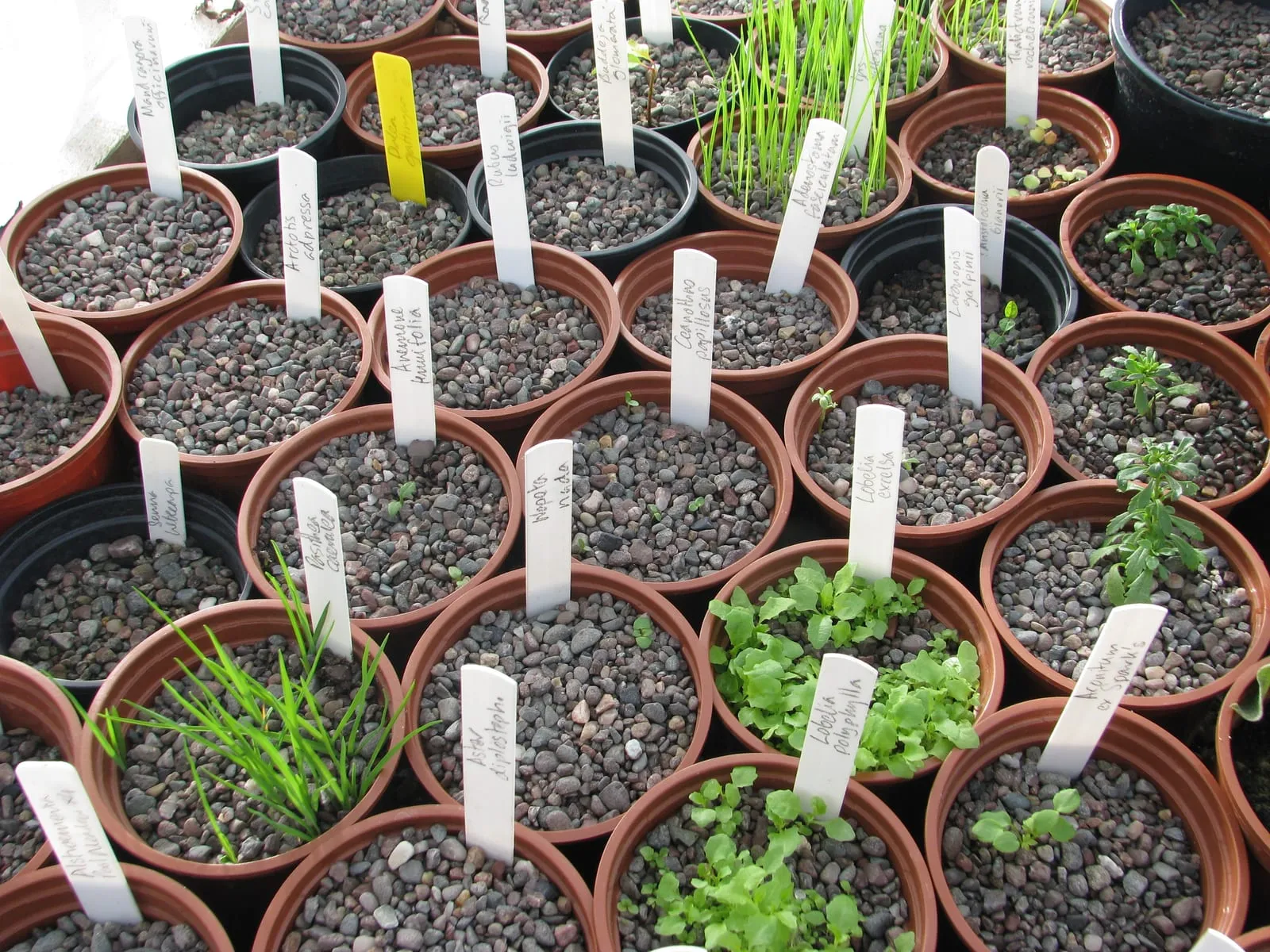
Pythium and Rhizoctonia species
Soil-borne complex of water molds and fungi that kill seedlings before or shortly after emergence. The single most common cause of seed-starting failures.
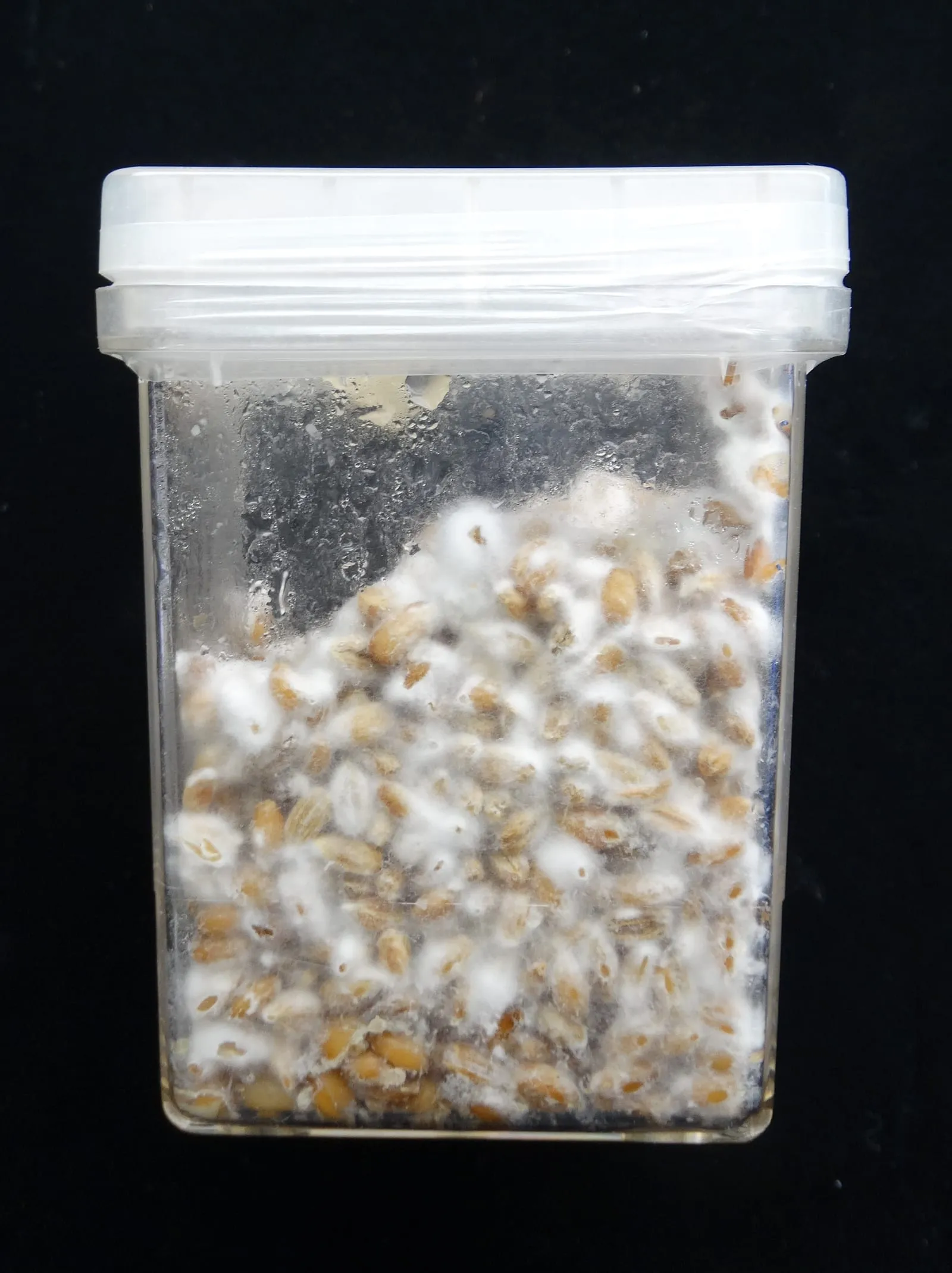
Fusarium oxysporum
Soil-borne fungal disease that plugs vascular tissue and kills affected plants. Persists in soil for many years; impossible to eliminate once established.
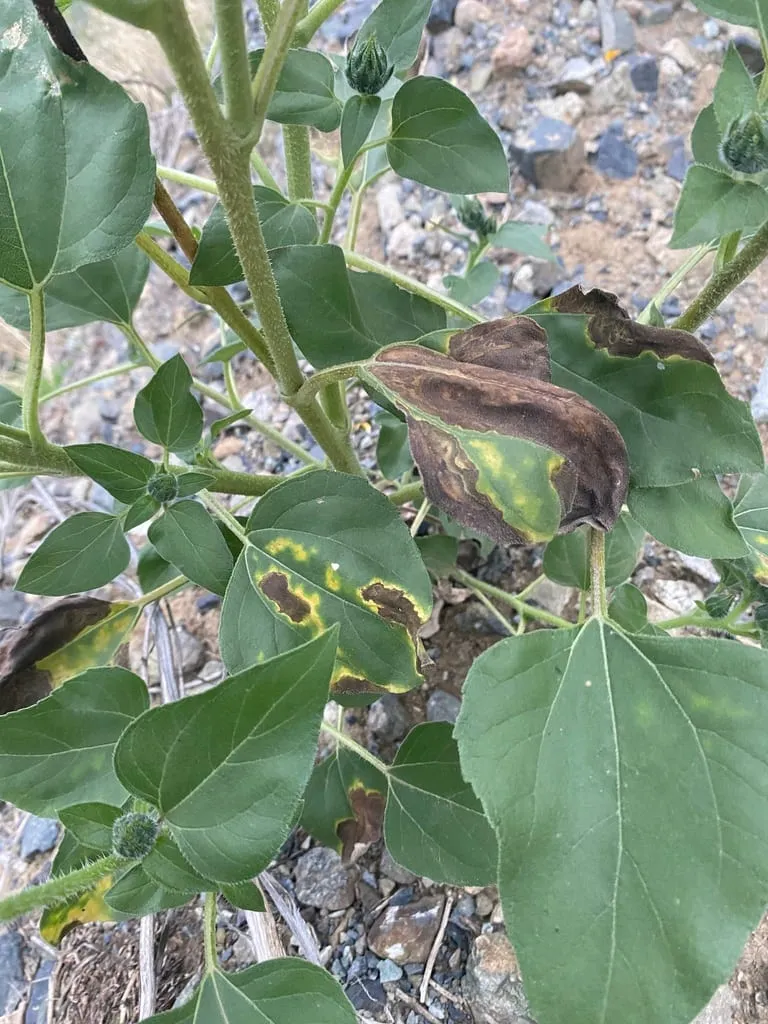
Verticillium dahliae
Soil-borne fungal disease similar to fusarium wilt but with broader host range and cooler temperature optimum. Persists in soil for 10+ years.
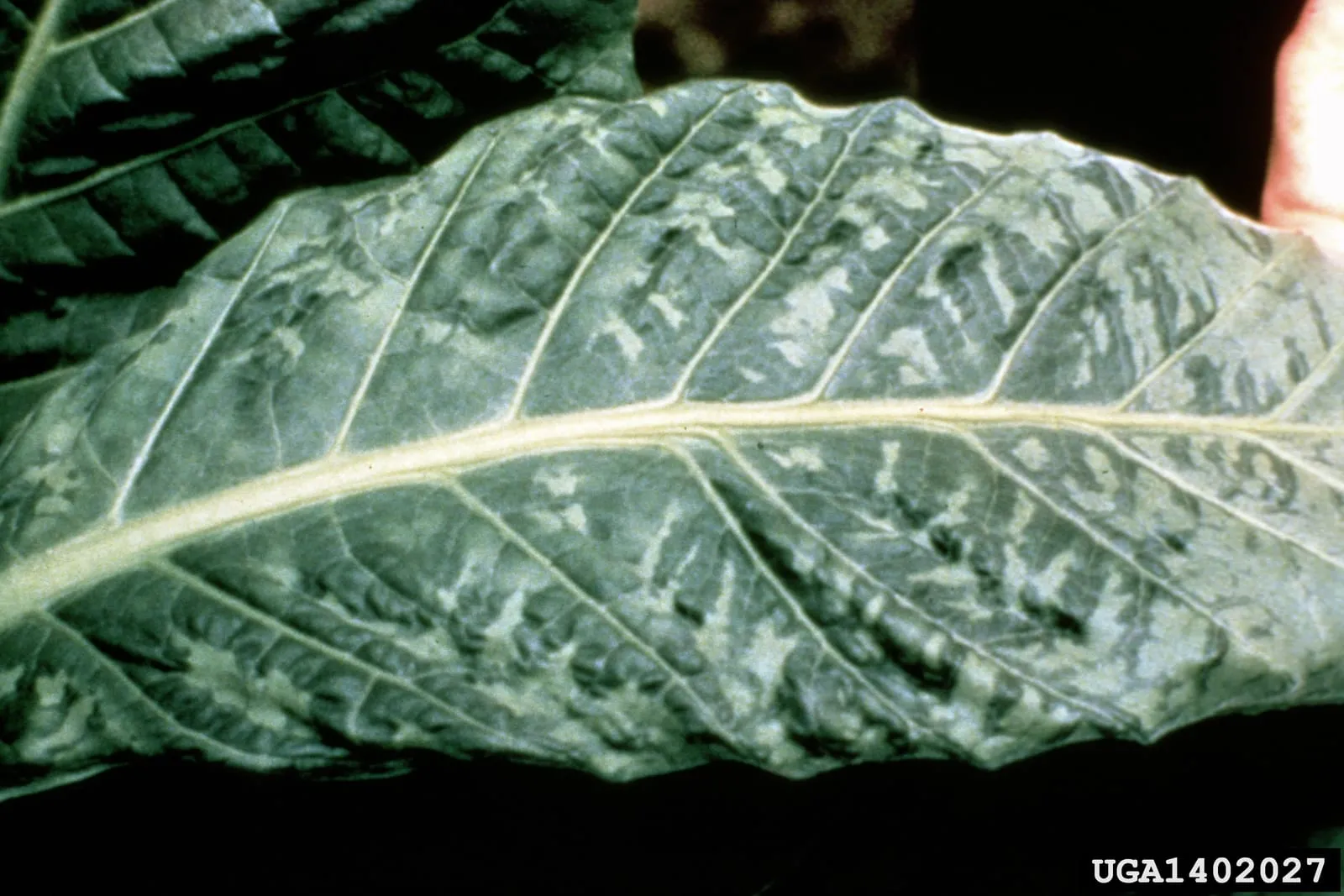
Cucumber mosaic virus, Tobacco mosaic virus, and others
Family of plant viruses producing mottled yellow-and-green leaf patterns. Vectored primarily by aphids; some are seed-transmitted or spread by handling tools and tobacco products.
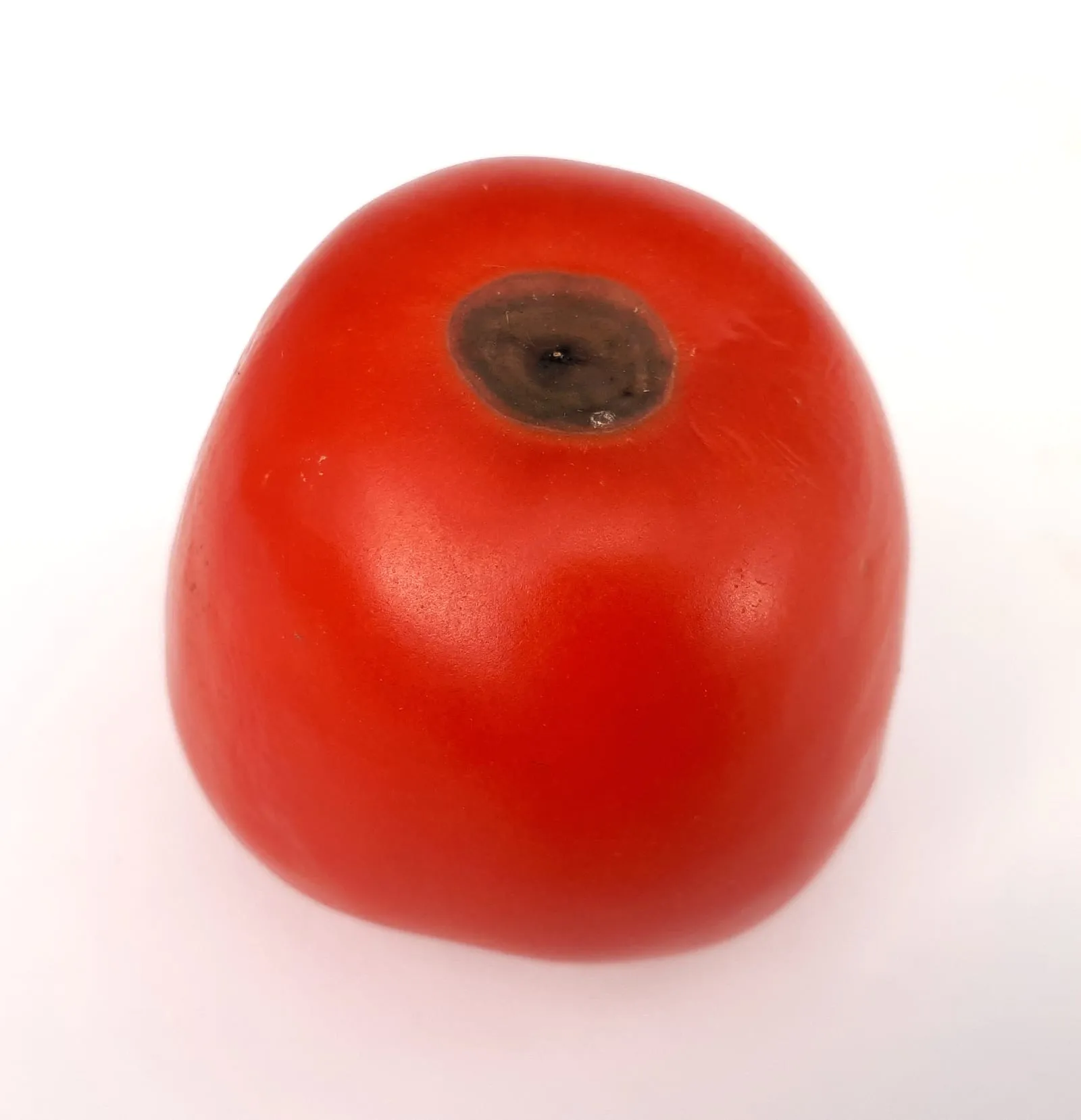
Calcium deficiency physiological disorder
Not a true disease but a calcium-uptake disorder caused by inconsistent soil moisture during fruit development. The dominant cause of damaged first-fruit on home tomato plantings.
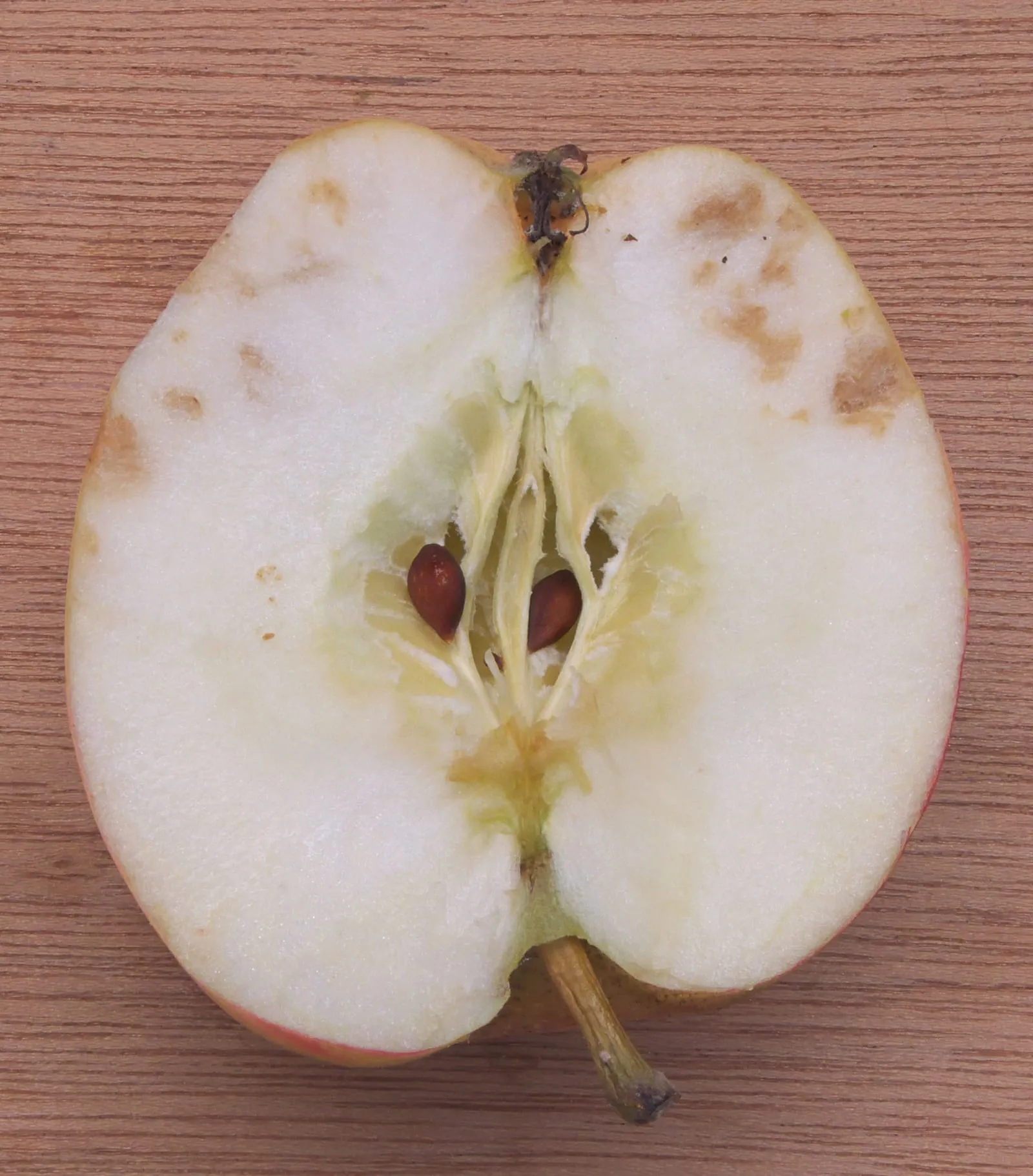
Physiological disorder
Damage from direct intense sun exposure on fruit or bark, particularly on plants suddenly exposed by pruning, defoliation, or hot weather. Distinct from sunburn (which is reversible).
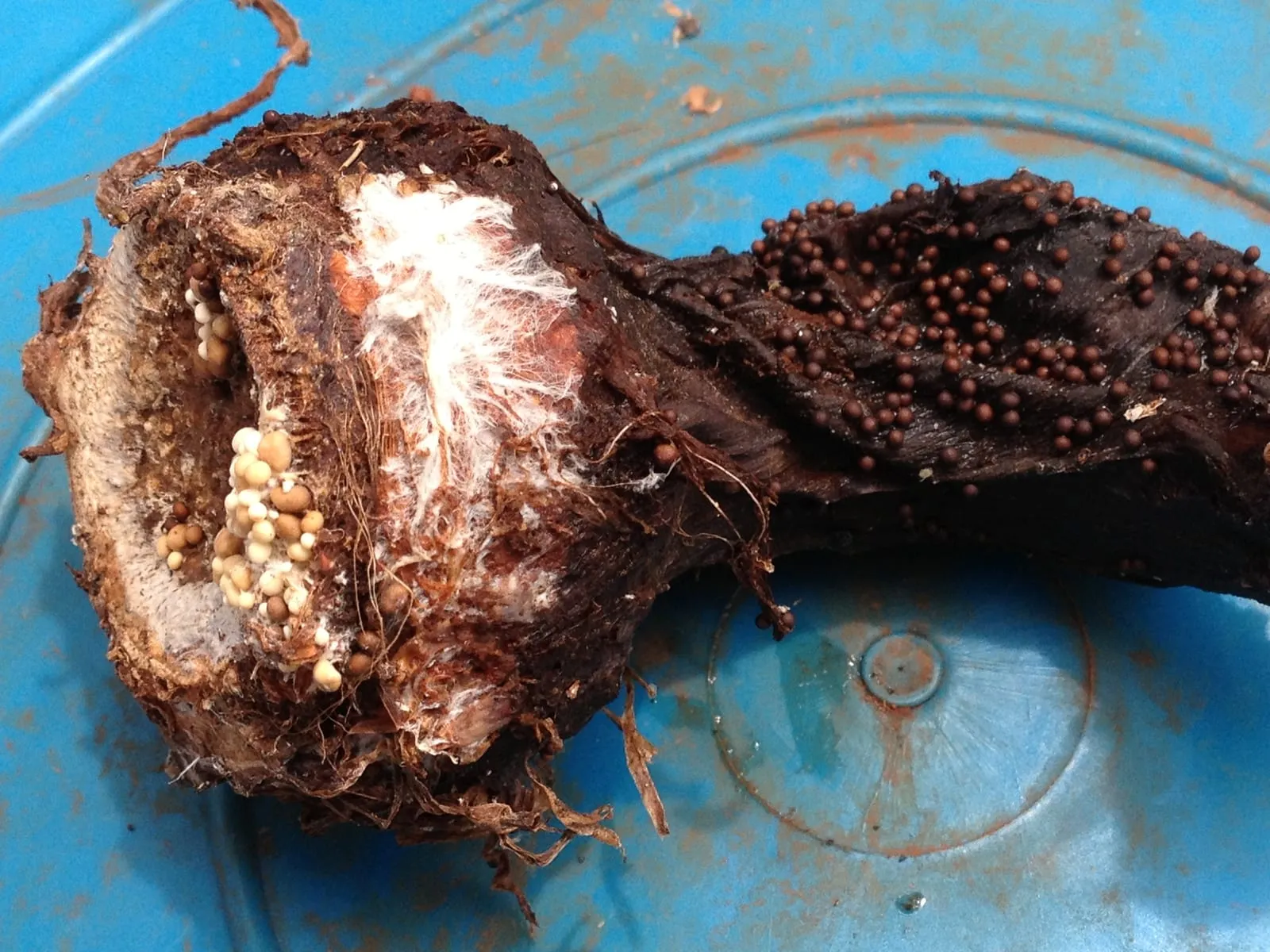
Sclerotium rolfsii
Soil-borne fungal disease most damaging in warm humid Southern conditions. White mycelial fans and small mustard-seed-sized sclerotia at the soil line are diagnostic.
Common pests
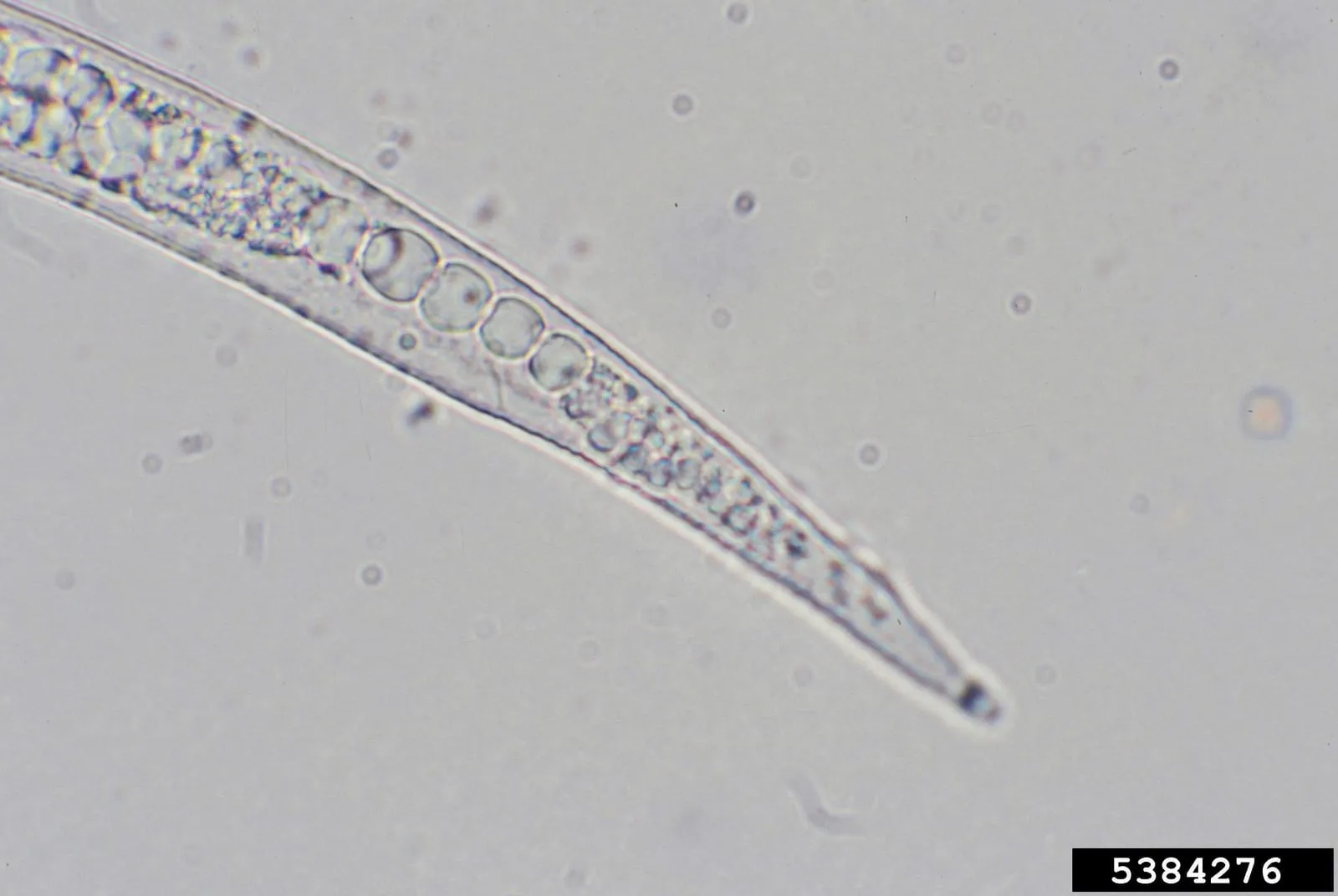
Meloidogyne species
Microscopic soil-dwelling worm that forms galls on roots, reducing vigor and yield.
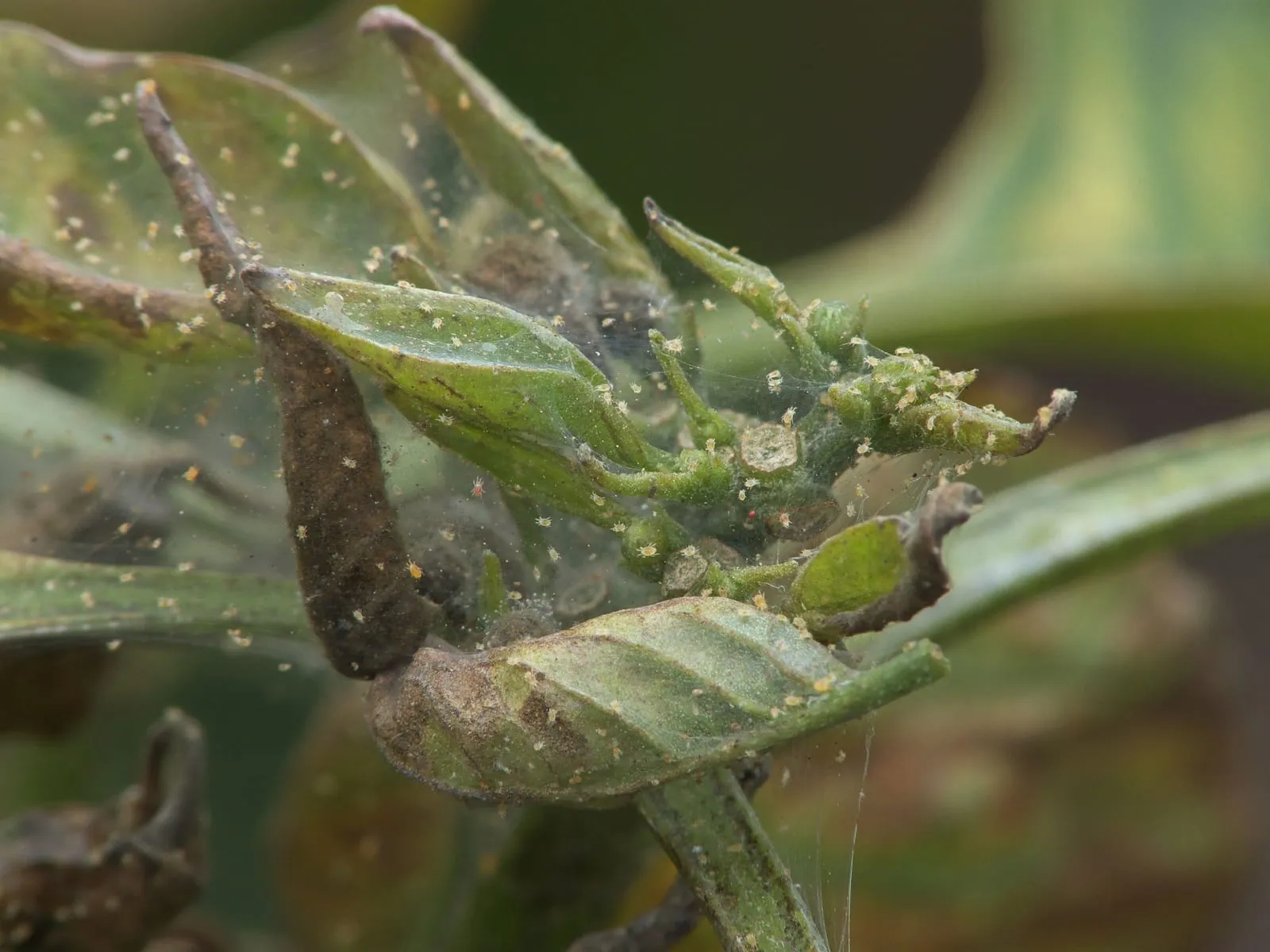
Tetranychus urticae
Tiny mite that feeds on leaf undersides, causing stippling and webbing during hot dry weather.
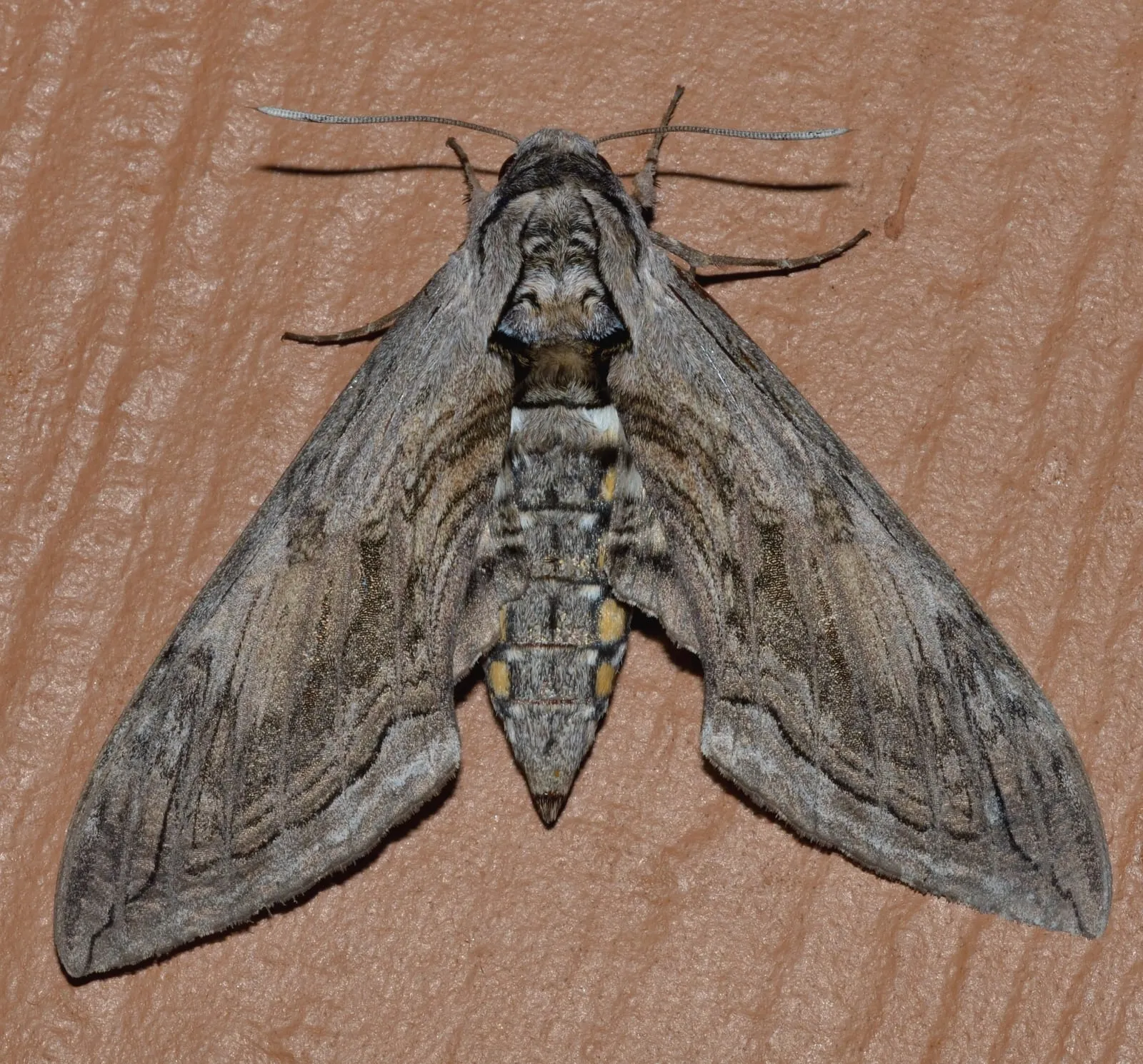
Manduca quinquemaculata
Large green caterpillar (up to 4 inches) that defoliates tomato and other Solanaceae plants rapidly. Mature larvae become five-spotted hawk moths.
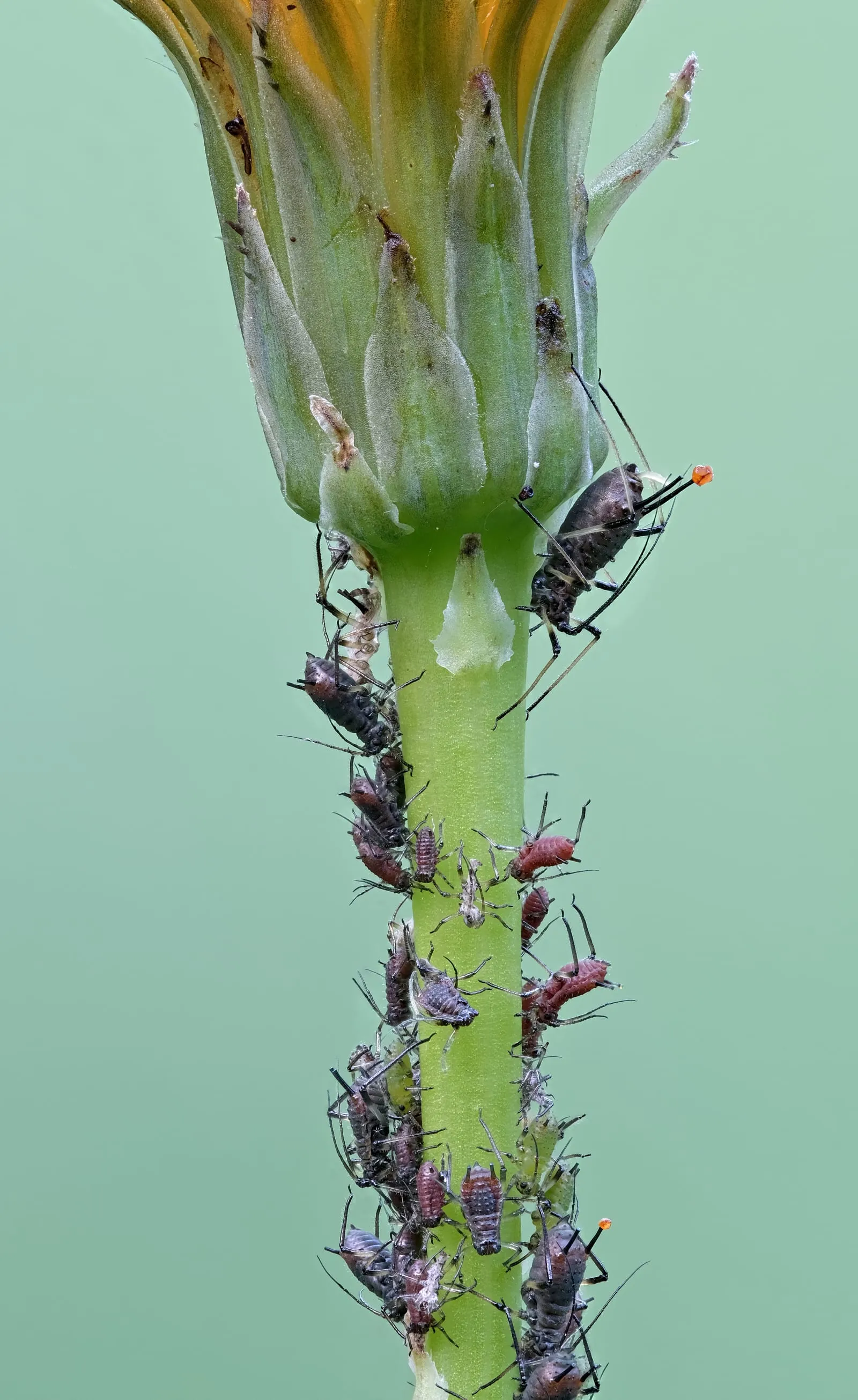
Multiple species (Aphididae)
Small soft-bodied sap-sucking insects that reproduce explosively in spring. Excrete honeydew that supports sooty mold and attracts ants. Transmit viral diseases.
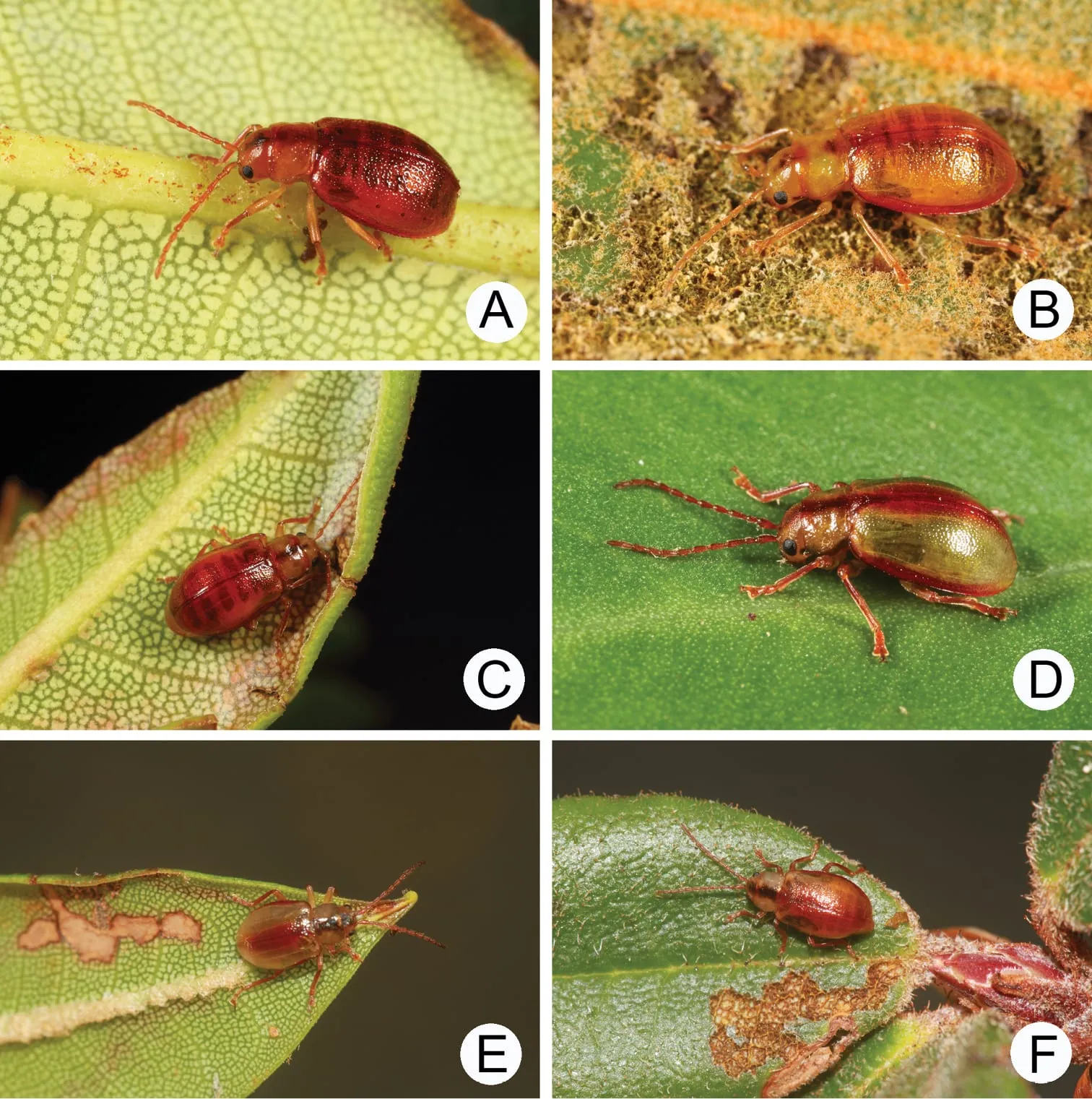
Multiple species (Chrysomelidae)
Tiny black or bronze jumping beetles that put hundreds of small holes in seedling leaves. Most damaging on direct-seeded brassicas and young eggplant.
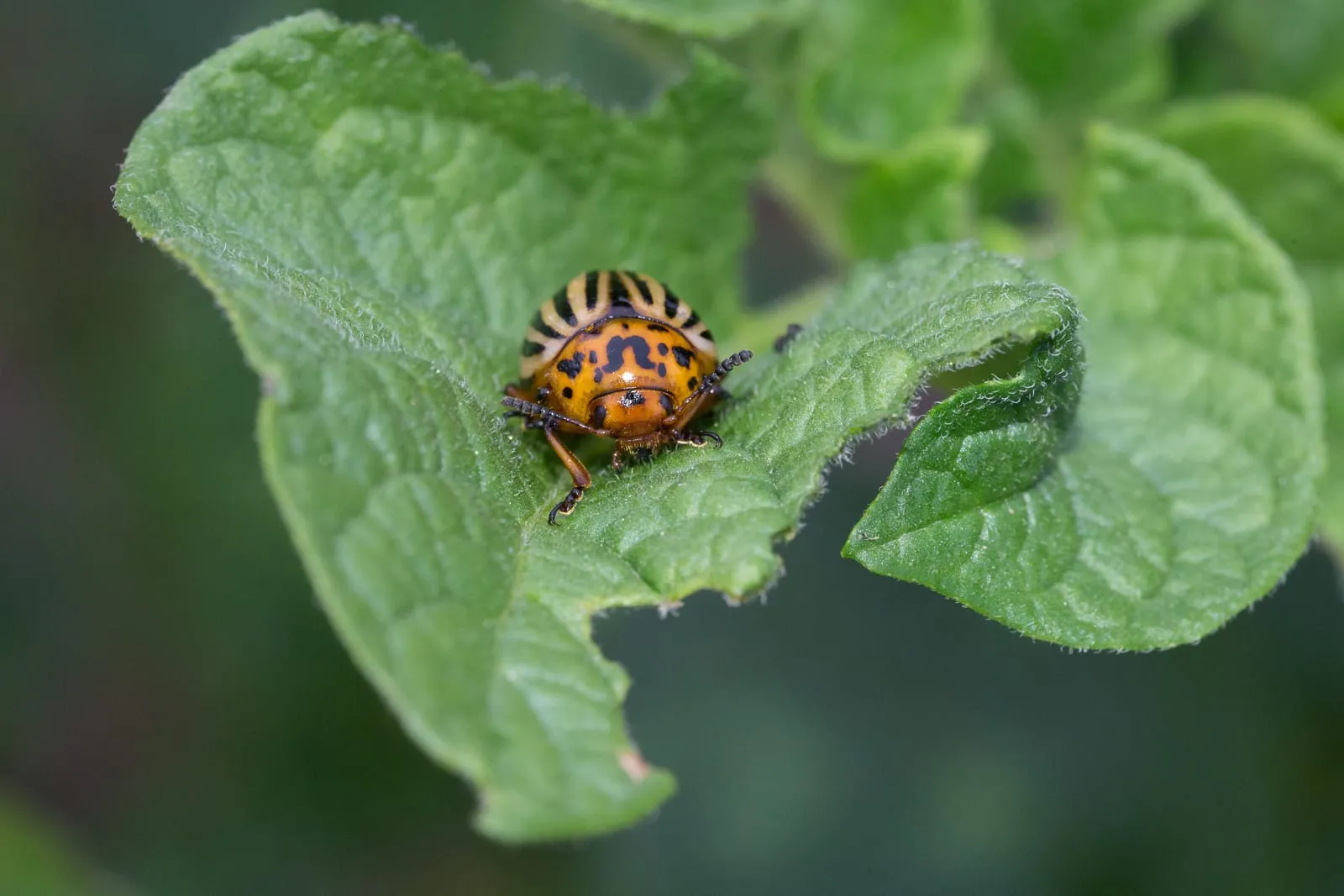
Leptinotarsa decemlineata
Yellow-and-black-striped beetle and red-orange humpbacked larvae that defoliate potato and eggplant. Capable of destroying a planting in days during peak feeding.
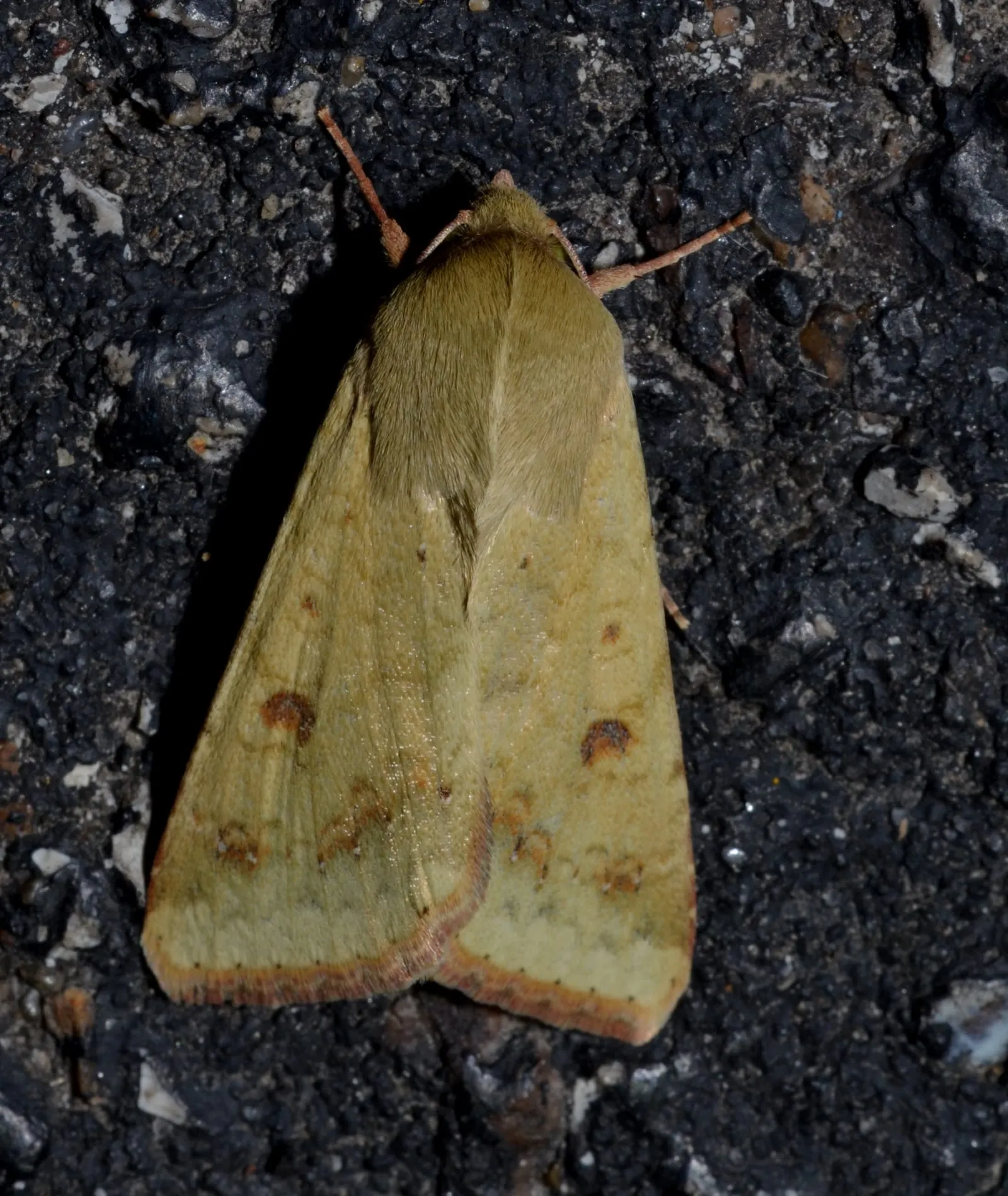
Helicoverpa zea
Caterpillar that bores into corn ear tips through the silk channel and into developing tomato fruit. Also called tomato fruitworm. The most damaging US sweet-corn pest.
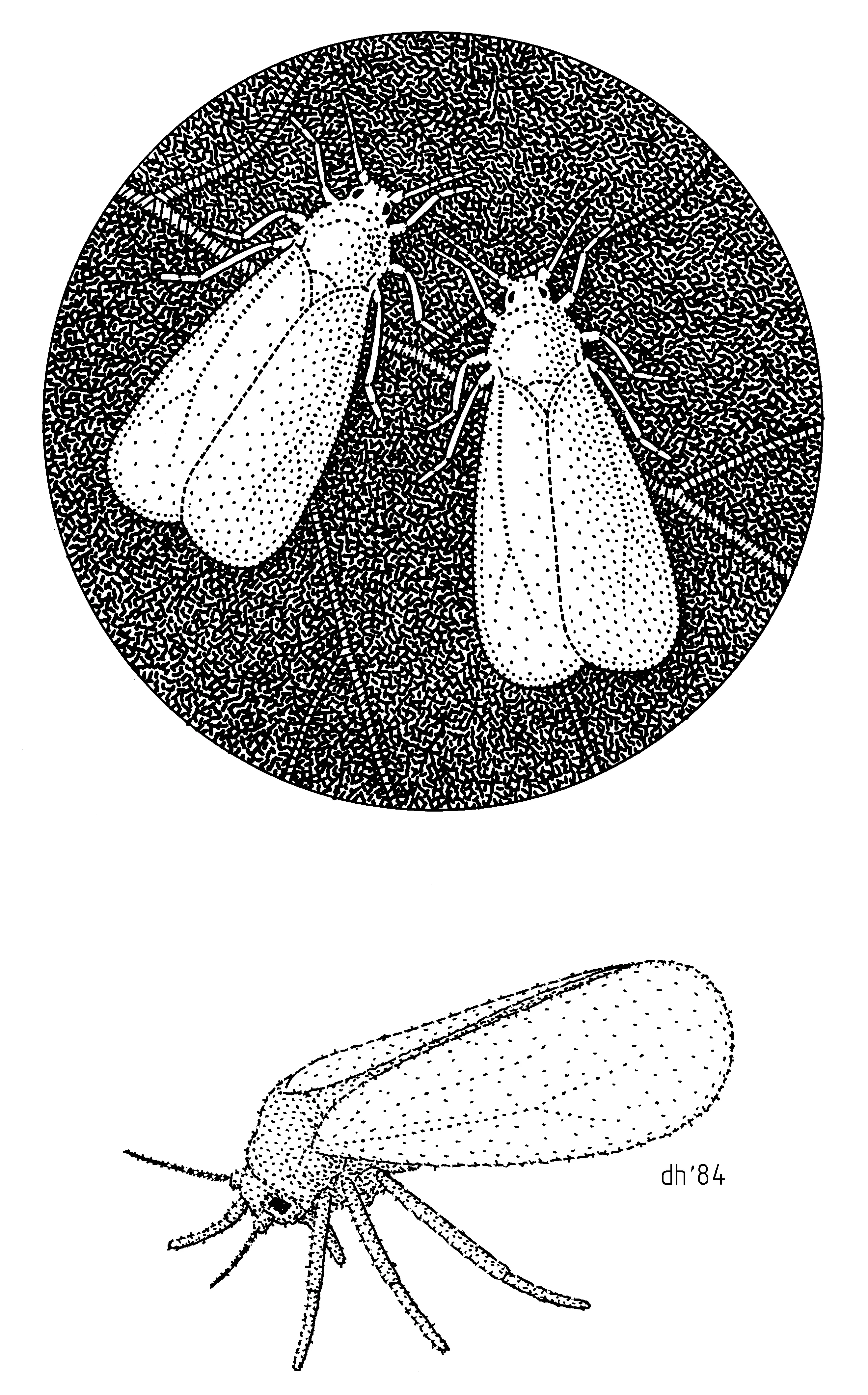
Multiple species (Aleyrodidae)
Tiny white moth-like flying insects that feed on plant sap and excrete honeydew. Transmit numerous viral diseases including tomato yellow leaf curl virus.
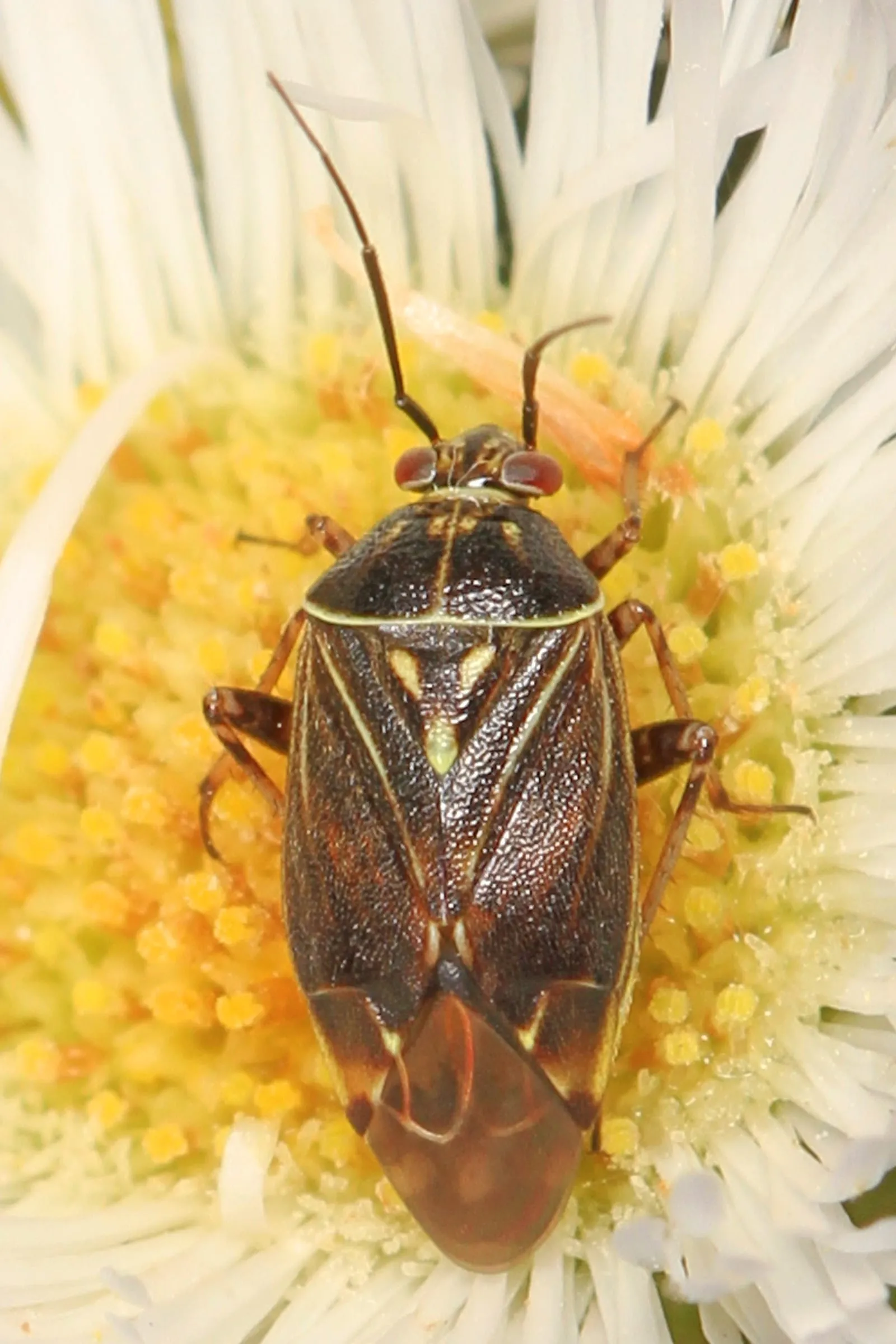
Lygus lineolaris
Mottled brown sucking bug that probes flower buds and developing fruit, causing 'cat-facing' deformities on tomato, peach, and strawberry. Wide host range and rapid generations.
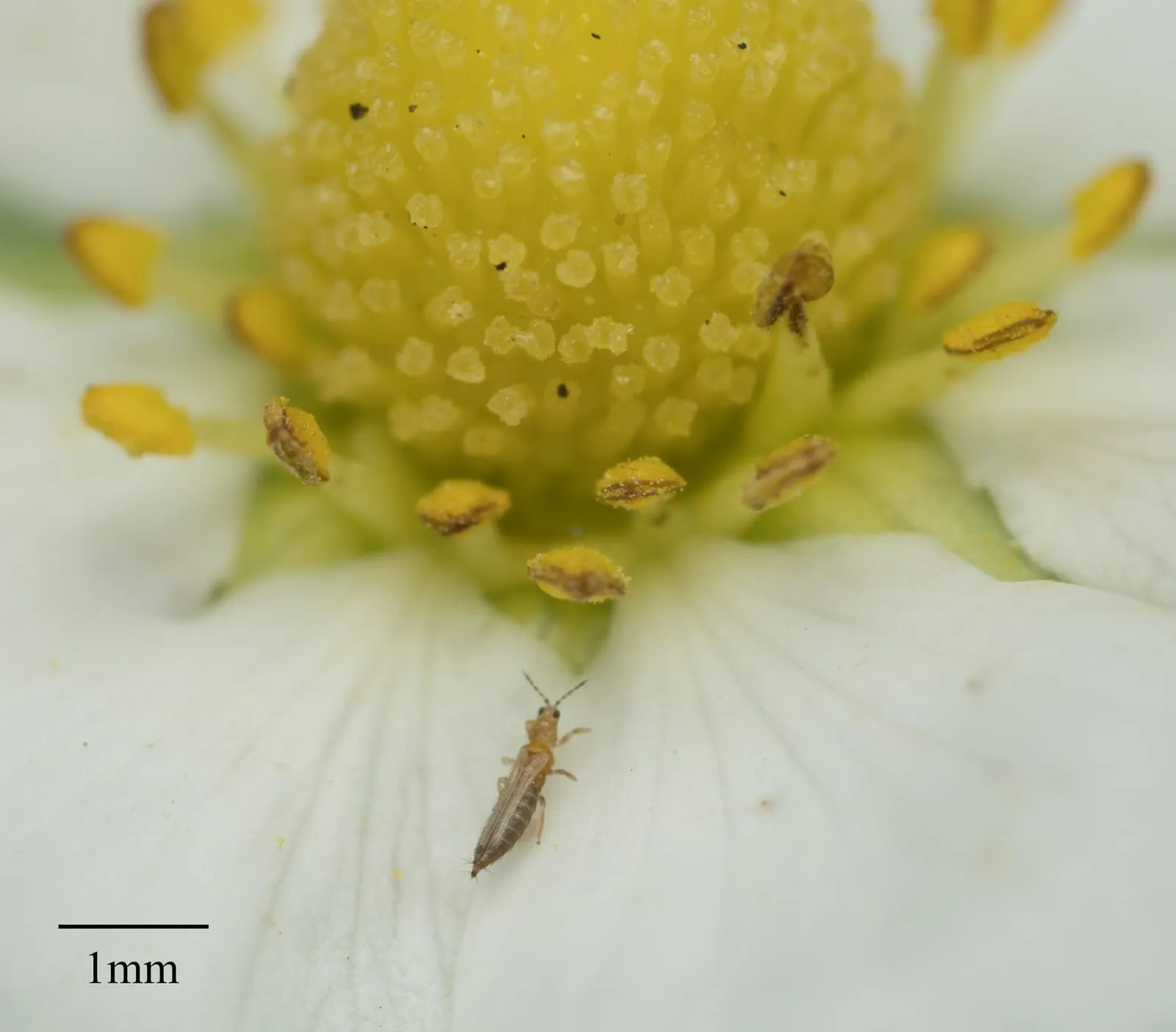
Frankliniella occidentalis
Tiny slender insect that rasps leaf and flower surfaces. The primary vector for Tomato Spotted Wilt Virus and Iris Yellow Spot Virus, which makes it more damaging through disease transmission than direct feeding.
Common challenges
Disease pressure is the primary reason tomato plantings fail in the eastern United States. Early blight (Alternaria solani) and septoria leaf spot appear first, typically from the bottom of the plant upward, and can defoliate an unprotected plant by late July in humid climates. Late blight (Phytophthora infestans) is a more aggressive threat in cool, wet summers and can kill a planting within days if untreated. Rotating tomatoes to a new bed each season and selecting varieties with V, F, N, or T disease-resistance codes reduces but does not eliminate risk. Cornell Vegetable MD Online maintains current spray guides for both fungal and viral diseases.
Frost timing is the second major failure point, particularly in zones 3 through 6. Tomatoes require soil temperatures above 60°F for healthy root development. Transplanting into soil below that threshold, even when air temperatures are acceptable, results in stunted plants that rarely fully recover. Waiting until two weeks after the average last frost date and confirming soil temperature with a thermometer removes most of the guesswork.
Inconsistent irrigation causes more fruit damage than most growers anticipate. Blossom-end rot, fruit cracking, and catfacing are all linked to irregular water uptake. Drip irrigation or a consistent hand-watering schedule, combined with 2 to 3 inches of mulch to moderate soil moisture, addresses most of these issues without significant overhead.
Companion plants
Frequently asked questions
- Do tomatoes require a chill-hour period to produce fruit?
No. Tomatoes are warm-season annuals with no chill-hour requirement. Unlike fruit trees, they do not need a dormancy period to flower or set fruit. They require warm soil and air temperatures to thrive and will not tolerate frost.
- How many days from transplant to first harvest?
Days to harvest ranges from 55 to 90 depending on variety. Cherry types like Sungold typically mature in 55 to 65 days; large beefsteak heirlooms like Brandywine often take 80 to 90 days. The count starts from transplanting into the garden, not from seed sowing.
- What USDA zones can grow tomatoes?
Tomatoes grow as annuals in zones 3a through 10b. In zones 3 and 4, early-maturing varieties and indoor transplant starts 6 to 8 weeks before last frost are essential. In zones 9 and 10, summer heat can suppress fruit set, making spring and fall plantings more reliable than midsummer.
- Are tomatoes self-pollinating or do they need a pollinator?
Tomatoes are self-fertile: each flower contains both male and female structures and can set fruit without a second plant nearby. Fruit set improves with vibration from wind, bumblebee buzz-pollination, or a daily gentle shake of the plant, which dislodges pollen within the flower. In still greenhouses or during extreme heat, poor fruit set is common without supplemental vibration.
- What is the most common disease affecting home-garden tomatoes?
Early blight (Alternaria solani) is the most widespread fungal disease in home tomato gardens, particularly in humid eastern climates. It appears as concentric brown rings on lower leaves and progresses upward through the canopy. Crop rotation, adequate plant spacing, and mulching to reduce soil splash are the primary preventive measures.
- What causes blossom-end rot on tomatoes?
Blossom-end rot results from localized calcium deficiency in developing fruit, almost always triggered by inconsistent soil moisture rather than a shortage of calcium in the soil. Irregular watering impairs calcium uptake even when soil levels are adequate. Consistent irrigation and 2 to 3 inches of mulch prevent most cases.
- Should I choose determinate or indeterminate tomato varieties?
Determinate varieties concentrate harvest over 2 to 3 weeks, which suits canning and preserving. Indeterminate varieties continue setting fruit until frost and offer a longer fresh-eating season. Most heirlooms, including Brandywine and Cherokee Purple, are indeterminate; most paste and processing types are determinate.
+−
+−
+−
+−
+−
+−
+−
Sources
Image: "Tomate", by Andrea, via iNaturalist, licensed under CC-BY. Source.
Tomato by zone
Related