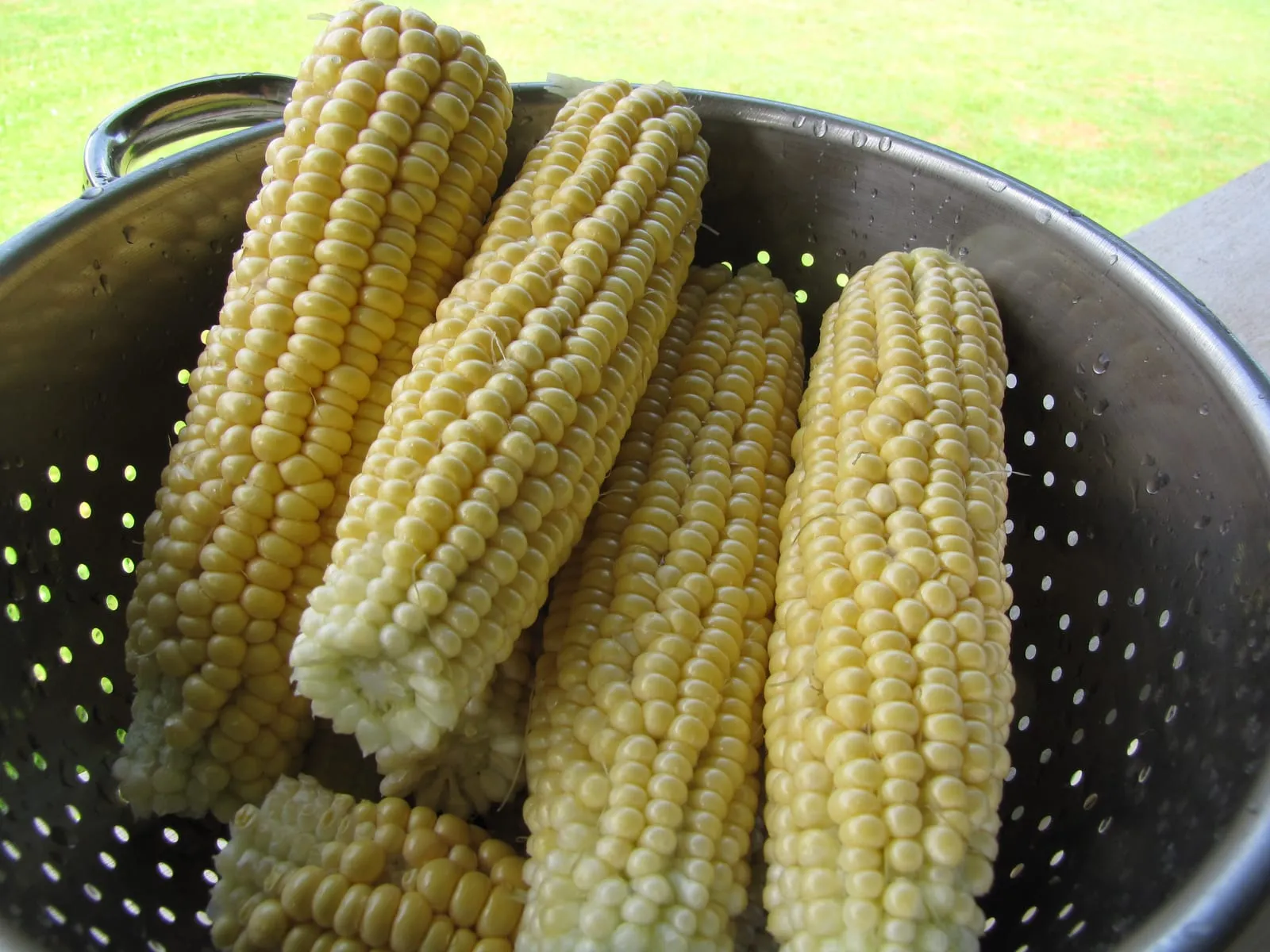
vegetable
Sweet Corn
Zea mays var. saccharata
USDA hardiness range
- Zones
- 3b–9a
- Days to harvest
- 60 to 100
- Sun
- Full
- Water
- Moderate
- Lifespan
- annual
Growing sweet corn
Sweet corn is a warm-season annual that grows across USDA zones 3b through 9a. The binding constraint is not hardiness but heat: the crop needs 60 to 100 days of frost-free growing season with soil temperatures above 60°F for reliable germination and ear development. In zones 3b through 5a, that window is tight enough that variety selection and planting timing become critical decisions, not afterthoughts. In zones 8a through 9a, the challenge shifts to heat stress during pollination, which can reduce kernel set when daytime temperatures consistently exceed 95°F for several days running.
What separates a productive planting from a failed one is usually pollination. Sweet corn is wind-pollinated, and a single row or a small cluster of two or three plants almost always yields poorly filled ears. The minimum viable configuration is four rows of at least four plants each, arranged in a block rather than a long line, so pollen shed from the tassels reaches silks reliably across the planting.
Variety type is the other factor that surprises growers. Standard sugary (su) varieties must be harvested at peak and processed the same day; sugars convert to starch within 24 hours at field temperatures. Sugar-enhanced (se) and supersweet (sh2) types hold quality in the field for 7 to 14 days, a practical advantage for home gardeners who cannot always pick on a fixed schedule. Cornell Sweet Corn Production covers varietal differences and handling in detail.
Recommended varieties
See all 4 →4 cultivars for home growers, with notes on flavor, ripening, and disease resistance.
| Variety | Notes | Zone fit | Disease resistance |
|---|---|---|---|
| Silver Queen | Sweet, classic late-season white corn; the Southern heirloom standard. Fresh, boiled, grilled. Standard sugary (su) variety, eat or freeze the day picked because sugars convert quickly. | | none noted |
| Bodacious | Very sweet, tender yellow corn; sugar-enhanced (se) hybrid. Fresh, freezing. Holds sweetness in the field 7-10 days, much longer than older types. Popular home-garden choice. | | none noted |
| Honey Select | Extremely sweet, tender; supersweet (sh2) yellow corn. Fresh, freezing, the corn-on-the-cob favorite. Holds sweetness 14+ days, but isolation from other corn types required for purity. | | none noted |
| Country Gentleman | Sweet, milky, classic shoepeg-style; small white kernels in irregular pattern (no rows). Heritage 1890s American variety, cream-style and creamed corn standard. | | none noted |
Soil and site requirements
Sweet corn performs best in loamy, well-drained soils with a pH of 6.0 to 6.8. It tolerates a wider pH range than many vegetables but becomes noticeably chlorotic in strongly acidic conditions below 5.8. Poor drainage is a consistent problem: waterlogged soil delays germination, promotes root rots, and can stunt plants before the damage is visible above ground. Avoid any site where water stands for more than a few hours after heavy rain.
Full sun is non-negotiable. Less than eight hours of direct sun per day reduces ear size and delays silking. When laying out garden beds, plant corn on the north end of the plot to avoid shading shorter crops later in the season.
Spacing affects both yield and pollination. Conventional in-row spacing is 12 inches, with rows 30 to 36 inches apart. Tighter than 12 inches reduces ear size without improving pollination density; wider than 36 inches between rows makes block pollination less effective. The block configuration of at least four rows should be maintained regardless of spacing adjustments.
Microclimate matters in zones 3b through 5a. A south-facing slope or a site near a dark-colored wall or fence can advance soil warming by 7 to 10 days in spring, meaningfully extending the effective growing season. Avoid frost pockets and low spots where cold air settles on clear nights, as a late frost after emergence can set back young plants significantly.
Common diseases
Common pests
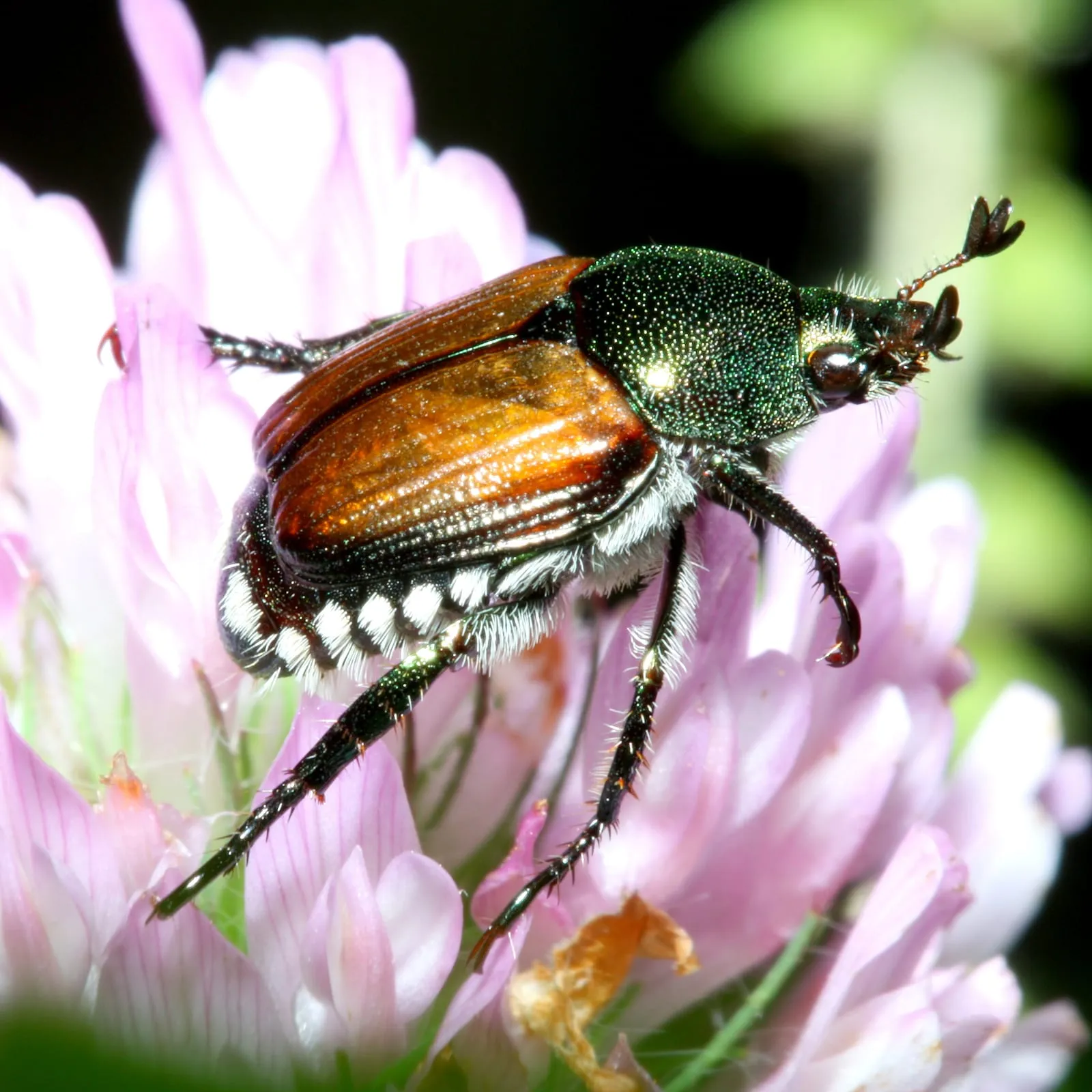
Popillia japonica
Defoliating beetle introduced to North America in 1916. Skeletonizes leaves of many fruit trees, berry canes, and pecan.

Multiple species
Robins, catbirds, mockingbirds, starlings, cedar waxwings and other songbirds can strip ripening berry and fruit crops in days. Crows and blackbirds also damage fresh sweet corn ears in milk stage. The single biggest yield-loss factor in unprotected home plantings.
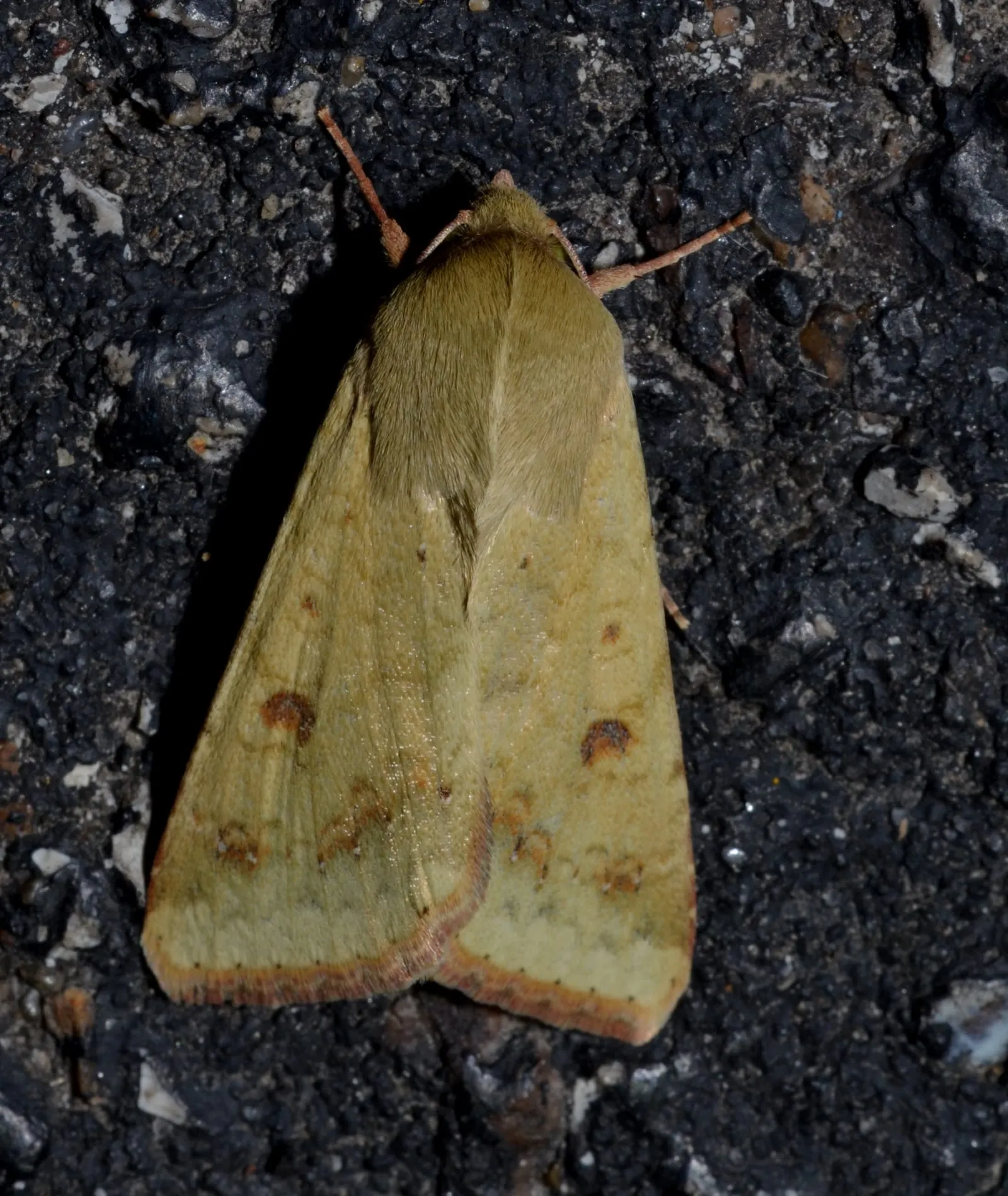
Helicoverpa zea
Caterpillar that bores into corn ear tips through the silk channel and into developing tomato fruit. Also called tomato fruitworm. The most damaging US sweet-corn pest.
Common challenges
Three issues account for most home sweet corn failures: poor pollination, mistimed planting, and corn earworm pressure.
Pollination failure is the most common. Sweet corn requires pollen from the tassel to reach silks on neighboring plants. A single row produces incomplete ear fill because pollen drifts downwind and misses too many silks. Always plant in a block of at least four rows. Different corn varieties, especially sh2 supersweet types, should be isolated by at least 250 to 300 feet or a two-week stagger in planting dates to prevent cross-pollination that degrades sweetness.
Planting too early in cool soil is the second frequent mistake. Soil at 50°F germinates poorly and unevenly; at 55°F, germination is slow enough that seed rot becomes a real risk. Wait for consistent soil temperature above 60°F before direct sowing standard varieties, or 65°F for sh2 types, which are more sensitive to cold germination conditions.
Corn earworm (Helicoverpa zea) is the primary insect pest across most of the growing range. The moth lays eggs on fresh silks; larvae feed into the ear tip before they are visible from the outside. The practical home-garden control is applying a few drops of mineral oil or Bt (Bacillus thuringiensis) to silks 3 to 5 days after silking begins, before larvae penetrate the husk. Check silks twice weekly once tasseling starts.
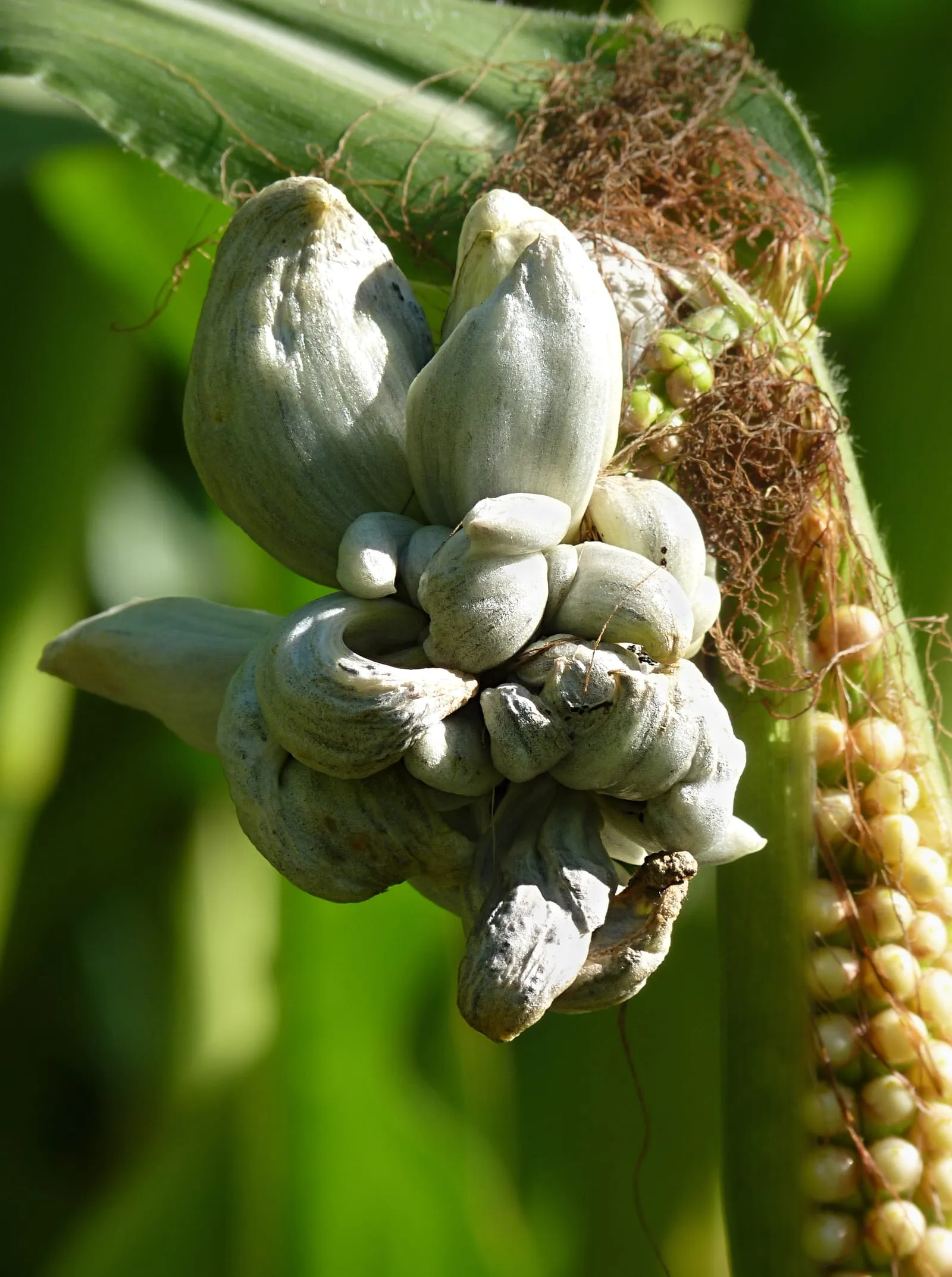
Corn smut (Ustilago maydis) causes irregular galls on ears, stalks, and tassels and occurs sporadically in most regions. Remove and dispose of infected tissue promptly; do not compost it, as spores remain viable.
Companion plants
Frequently asked questions
- Does sweet corn have chill-hour requirements?
No. Sweet corn is a warm-season annual with no chill-hour requirement. It needs warm soil (60°F or higher at the 2-inch depth) for germination and 60 to 100 frost-free days to reach harvest depending on variety. The limiting factor in cold zones is season length, not winter temperature.
- How many days does sweet corn take from planting to harvest?
60 to 100 days from direct sowing, depending on variety type. Early varieties mature in 60 to 75 days, standard mid-season types in 75 to 90 days, and late-season varieties like Silver Queen in 92 to 100 days. Warm soil and consistent moisture at the lower end of those ranges; cool springs push toward the upper end.
- Which USDA zones can grow sweet corn successfully?
Zones 3b through 9a. In zones 3b through 5a, select early-maturing varieties (60 to 75 days) to fit the shorter frost-free window. In zones 8b through 9a, heat stress during pollination above 95°F becomes the primary constraint, and timing the planting to avoid the hottest part of summer is worth considering.
- Does sweet corn need other plants nearby to pollinate, or is it self-fertile?
Sweet corn is wind-pollinated and requires multiple plants growing close together. A single row almost always yields poorly filled ears because pollen shed misses too many silks. Plant in a block of at least four rows, minimum four plants per row. Isolate different variety types, especially sh2 supersweets, to prevent cross-pollination.
- What is the most common disease affecting sweet corn?
Corn smut (Ustilago maydis) is the disease most home gardeners encounter. It produces irregular, often large galls on ears, stalks, and tassels. It rarely destroys an entire planting but renders affected ears inedible. Remove infected tissue before the galls rupture and release spores; bag and discard, do not compost.
- How do I know when sweet corn is ready to harvest?
The silks will have turned brown and dried, the ear will feel fully filled along its length, and a kernel punctured with a thumbnail will release milky (not clear, not doughy) juice. The milk stage lasts only 2 to 4 days under warm conditions. Check daily once the silks begin to brown.
- What is the difference between su, se, and sh2 sweet corn varieties?
Standard sugary (su) types like Silver Queen convert sugars to starch rapidly and should be eaten or processed the day of harvest. Sugar-enhanced (se) types like Bodacious hold sweetness 7 to 10 days in the field. Supersweet (sh2) types like Honey Select hold sweetness 14 or more days but require isolation from other corn types at pollination and warmer soil temperatures for reliable germination.
+−
+−
+−
+−
+−
+−
+−
Sources
Image: "Starr-120625-7599-Zea mays-Ilini Xtra Sweet ears ready to eat-Olinda-Maui (24889896610)", by Forest and Kim Starr, via Wikimedia Commons, licensed under CC-BY. Source.
.jpg)
Sweet Corn by zone
Related