vegetable in zone 3b
Growing sweet corn in zone 3b
Zea mays var. saccharata
- Zone
- 3b -35°F to -30°F
- Growing season
- 100 days
- Suitable varieties
- 0
- Days to harvest
- 60 to 100
The verdict
Sweet corn is an annual, so zone 3b's extreme winter temperatures are not the constraint. The binding limit is the 100-day frost-free growing season. Most standard sweet corn varieties require 65 to 90 days from direct sow to harvest, which means the shortest-season selections can work, but the margin is thin. Mid-season and late-season varieties (80 days and up) carry real risk of frost cutoff before ears mature.
Zone 3b is a marginal zone for sweet corn, not a sweet spot. Success depends on choosing varieties specifically bred for northern short seasons and hitting planting timing accurately. A late cold snap in June or an early frost in late August can end the crop before harvest. Growers who plant the same way as warmer-zone neighbors will regularly come up short.
Critical timing for zone 3b
Soil temperature is the reliable planting trigger. Sweet corn germinates poorly below 60°F and rots readily in cold, wet soil. In zone 3b, soil at 4-inch depth typically reaches 60°F between late May and early June, depending on site and spring weather. Planting before that threshold costs germination rate and stand uniformity.
With a planting date of late May and a 65-to-75-day variety, silk emergence falls in late July, with harvest in mid-to-late August. First frost probability rises sharply after September 1 in most zone 3b locations. That window is workable but leaves almost no buffer if the season opens late. Succession plantings are not practical at this zone, since a second sowing would not reach maturity.
Common challenges in zone 3b
- ▸ Short season
- ▸ Winter desiccation
- ▸ Site selection critical for fruit trees
Disease pressure to watch for
Modified care for zone 3b
Soil warming is the most impactful intervention in zone 3b. Black plastic mulch laid two weeks before planting raises soil temperature by 3 to 5 degrees, meaningfully accelerating germination and early growth. Remove or slit the mulch once plants exceed the plastic.
Variety selection matters more here than almost anywhere else in sweet corn's range. Only varieties rated 75 days or fewer are appropriate. Even within that range, actual days-to-maturity can run longer in cool soils.
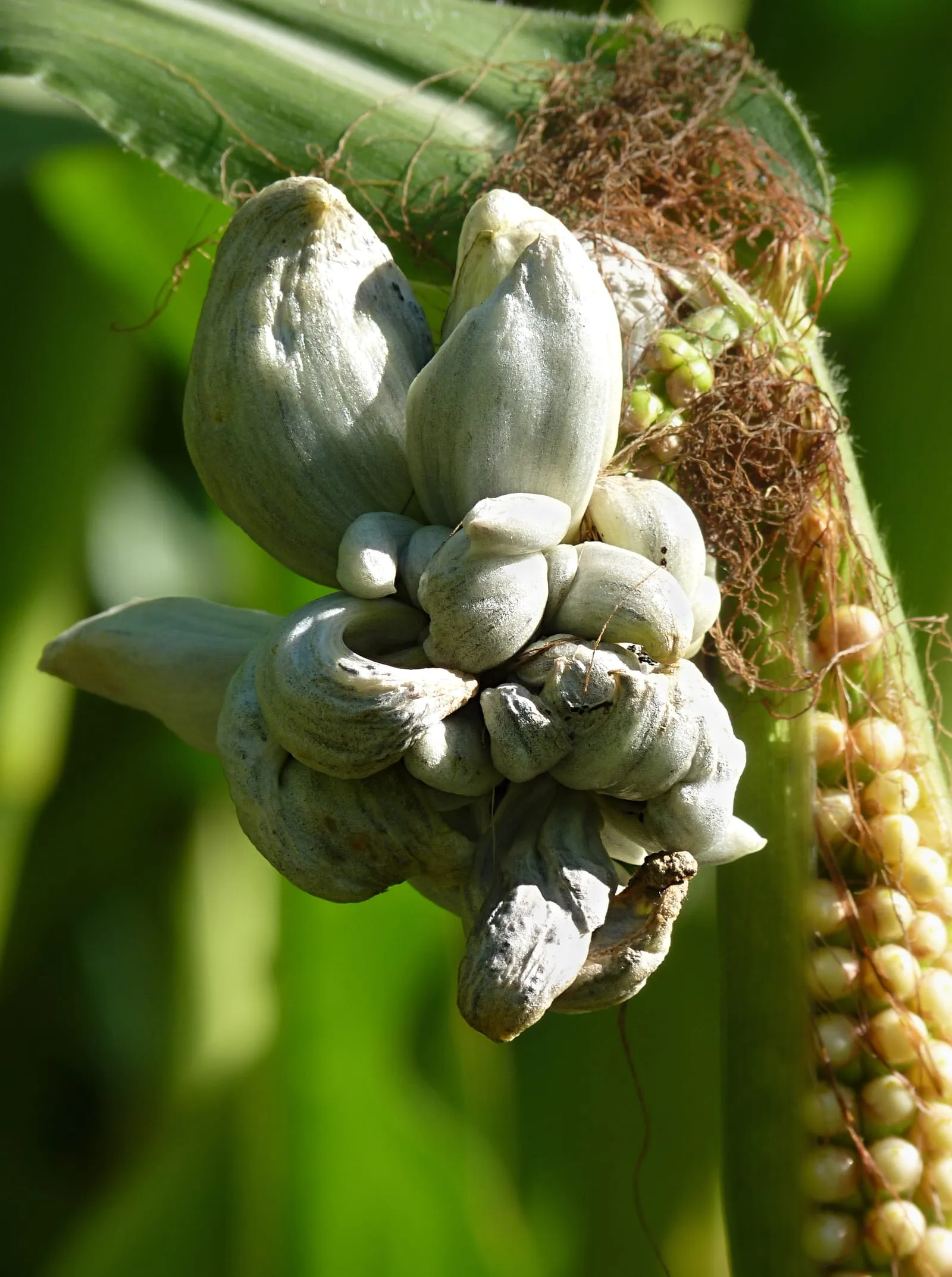
Corn smut (Ustilago maydis) is present across the corn belt and into northern zones. Cool, wet conditions in late summer can favor infection. There is no effective spray treatment once infection occurs; removing and destroying smutted ears before galls rupture reduces spore load for following seasons. Site rotation helps.
Site selection also matters: a south-facing slope with good air drainage provides warmer soils and a slightly longer effective season.
Frequently asked questions
- Can sweet corn reliably mature in zone 3b?
Yes, with short-season varieties rated 75 days or fewer and accurate planting timing. Standard or late-season varieties (80+ days) carry significant risk of frost cutoff before ears mature given a typical 100-day frost-free window.
- When should sweet corn be planted in zone 3b?
Plant when soil at 4-inch depth reaches 60°F, typically late May to early June in zone 3b. Planting into cold soil leads to poor germination and potential seed rot, not an earlier harvest.
- What is corn smut and should zone 3b growers worry about it?
Corn smut is a fungal disease (Ustilago maydis) that produces gray-white galls on ears and tassels. It is present across northern growing regions. There is no curative spray; removing galls before they rupture and rotating planting sites reduces recurrence.
+−
+−
+−
Sweet Corn in adjacent zones
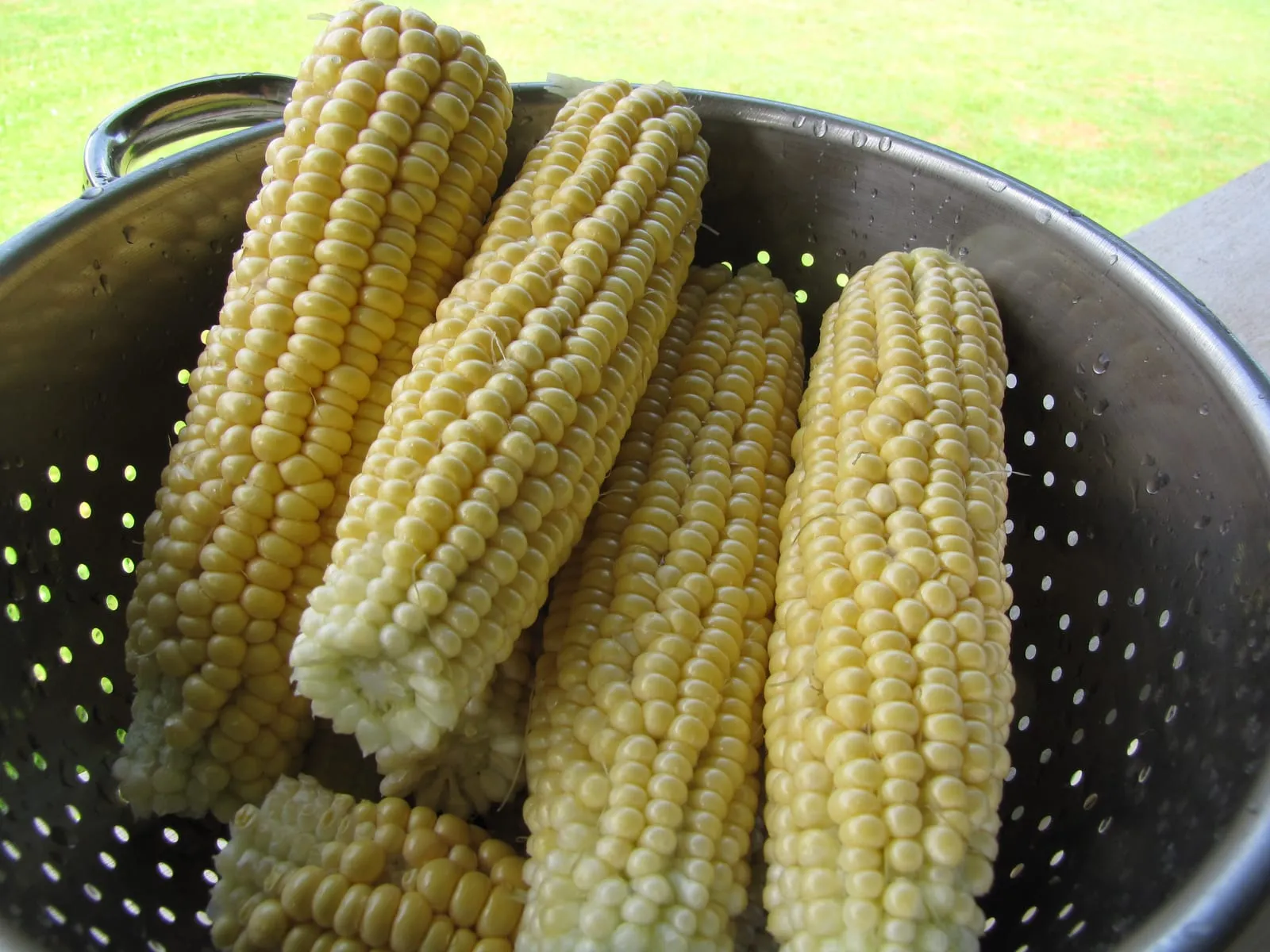
Image: "Starr-120625-7599-Zea mays-Ilini Xtra Sweet ears ready to eat-Olinda-Maui (24889896610)", by Forest and Kim Starr, via Wikimedia Commons, licensed under CC-BY Source.
.jpg)
Related