vegetable in zone 4b
Growing sweet corn in zone 4b
Zea mays var. saccharata
- Zone
- 4b -25°F to -20°F
- Growing season
- 130 days
- Suitable varieties
- 3
- Days to harvest
- 60 to 100
The verdict
Sweet corn is a warm-season annual with no chill-hour requirement, so zone suitability turns on growing-season length and spring frost timing rather than winter cold. Zone 4b's 130-day frost-free window is workable for sweet corn, though not generous. Most early and mid-season varieties mature in 65 to 90 days, fitting comfortably within the window when planted promptly after last frost.
Bodacious and Honey Select, both in the 75 to 78 day range, are well-suited to zone 4b's season length. Country Gentleman runs to around 93 days and may be tight in the coolest microclimates where the effective growing window compresses. Zone 4b is not marginal for sweet corn outright, but it rewards variety selection and timing discipline more than warmer zones where growers have days to spare. Growers at the colder end of the zone should treat early-maturing varieties as the default, not the backup plan.
Recommended varieties for zone 4b
3 cultivars suited to this zone, with disease-resistance and zone-fit annotations.
| Variety | Notes | Zone fit | Disease resistance |
|---|---|---|---|
| Bodacious fits zone 4b | Very sweet, tender yellow corn; sugar-enhanced (se) hybrid. Fresh, freezing. Holds sweetness in the field 7-10 days, much longer than older types. Popular home-garden choice. | | none noted |
| Honey Select fits zone 4b | Extremely sweet, tender; supersweet (sh2) yellow corn. Fresh, freezing, the corn-on-the-cob favorite. Holds sweetness 14+ days, but isolation from other corn types required for purity. | | none noted |
| Country Gentleman fits zone 4b | Sweet, milky, classic shoepeg-style; small white kernels in irregular pattern (no rows). Heritage 1890s American variety, cream-style and creamed corn standard. | | none noted |
Critical timing for zone 4b
Last frost in zone 4b typically falls between late May and early June. Soil temperature at 2-inch depth needs to reach at least 60°F before planting, which often lags air temperature stabilization by one to two weeks. Planting in late May to early June puts harvest for 75-day varieties in mid- to late August, well ahead of average first frost in late September.
Corn planted too early into cold, wet soil germinates unevenly and is prone to seed rot. Black plastic mulch laid two weeks before planting can advance soil temperature by 5 to 10°F, allowing slightly earlier establishment without sacrificing germination quality. For Country Gentleman at 93 days, a late May planting targets a mid-September harvest, workable in average years but vulnerable if an early frost arrives ahead of schedule.
Common challenges in zone 4b
- ▸ Spring frost timing
- ▸ Apple scab pressure
- ▸ Cane berry winter dieback
Disease pressure to watch for
Modified care for zone 4b
Soil warming is the primary adaptation required in zone 4b. Corn germinating in soil below 55°F emerges slowly and unevenly, and cool, wet conditions favor seed and seedling rot. Pre-warming beds with black plastic or row cover for two to three weeks before planting is worth the added step in this zone.
Wind exposure also matters more than in warmer corn-growing regions. Planting in blocks of at least four rows wide, rather than single rows, improves pollination and provides mutual wind support, reducing lodging from late-summer storms.
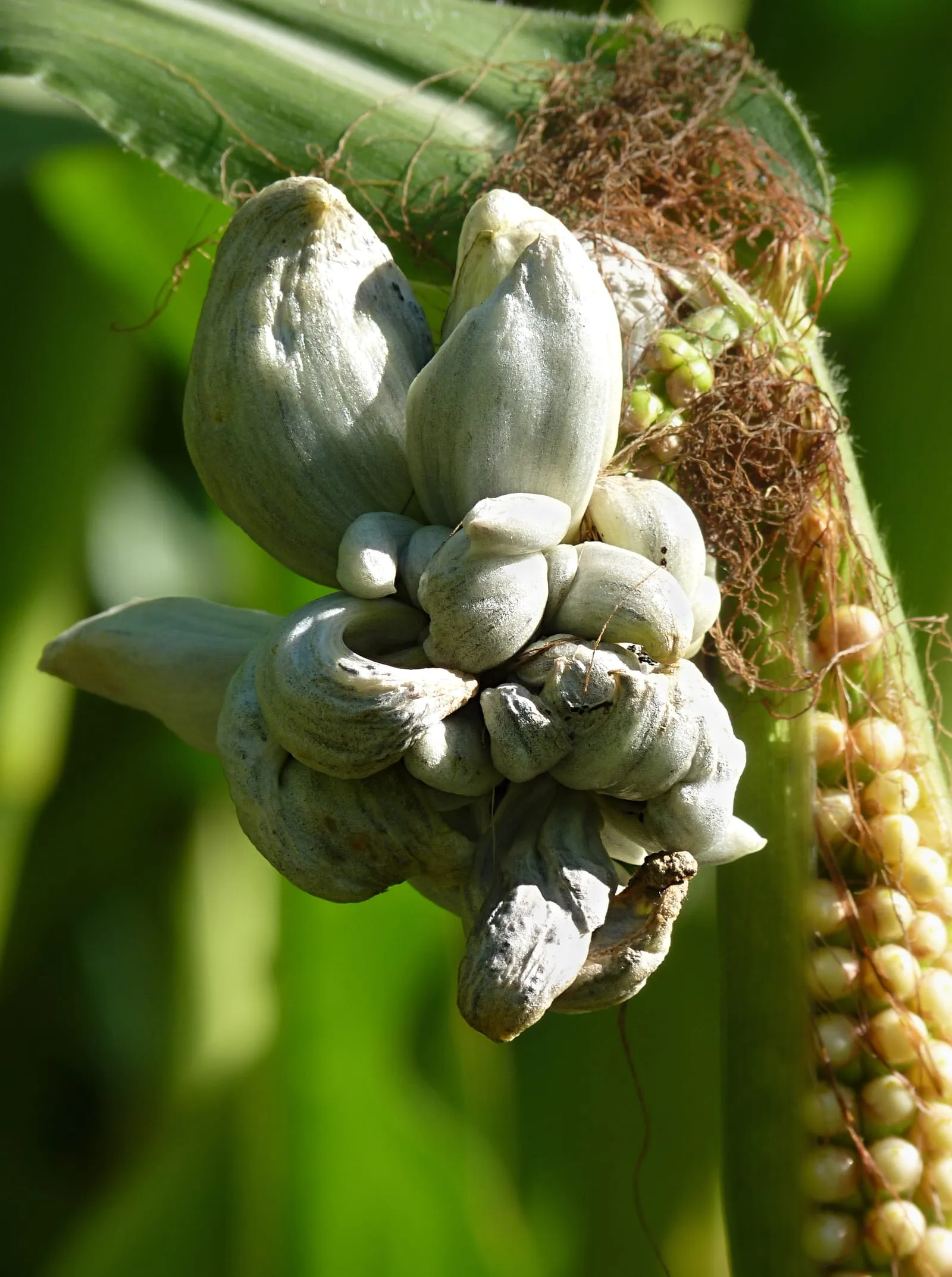
Corn smut (Ustilago maydis) is the primary disease concern here. It favors cycles of drought stress followed by humidity, conditions that occur in zone 4b's variable summers. Maintaining consistent soil moisture and avoiding excessive nitrogen reduces infection pressure. No fungicide treatments are registered for corn smut; remove and destroy infected galls before they rupture and release spores into the soil.
Sweet Corn in adjacent zones
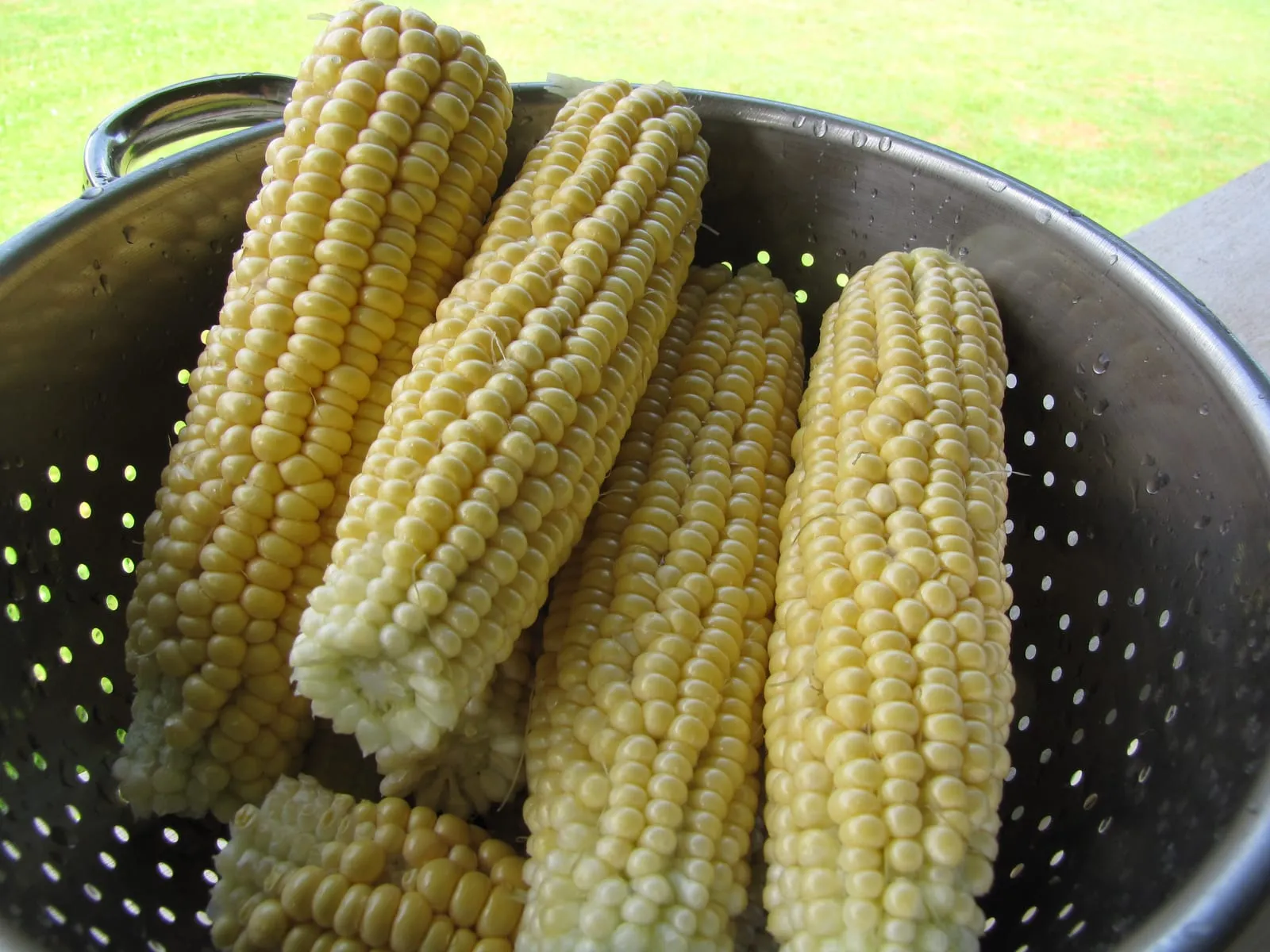
Image: "Starr-120625-7599-Zea mays-Ilini Xtra Sweet ears ready to eat-Olinda-Maui (24889896610)", by Forest and Kim Starr, via Wikimedia Commons, licensed under CC-BY Source.
.jpg)
Related