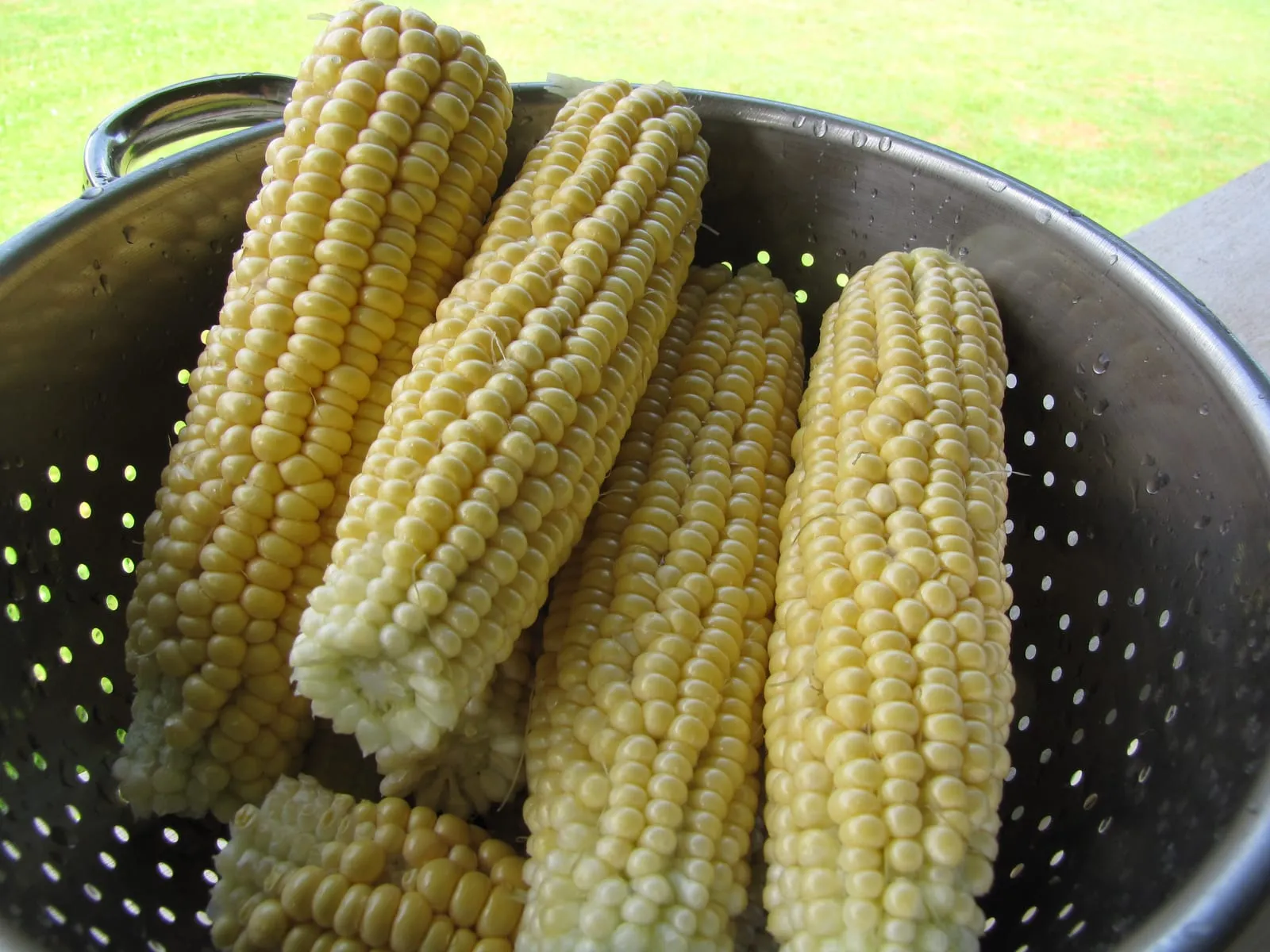
vegetable in zone 8a
Growing sweet corn in zone 8a
Zea mays var. saccharata
- Zone
- 8a 10°F to 15°F
- Growing season
- 240 days
- Suitable varieties
- 3
- Days to harvest
- 60 to 100
The verdict
Sweet corn has no chill-hour requirement, so zone 8a's winter minimums (10 to 15°F) are essentially irrelevant to whether it will perform. The question is heat and season length, and on both counts zone 8a is well within the crop's productive range. Corn germinates best when soil temperatures hold above 60°F, and daytime highs during grain fill should stay in the 75 to 95°F band. Zone 8a delivers both reliably across most of the spring and fall windows. With a 240-day growing season, there is room for a spring planting and a second succession run in late summer. Silver Queen, Bodacious, and Honey Select are all proven performers in this zone, not workarounds for a difficult climate. This is not a marginal situation; zone 8a is a genuine sweet spot for sweet corn production across the lower South and parts of the Southwest.
Recommended varieties for zone 8a
3 cultivars suited to this zone, with disease-resistance and zone-fit annotations.
| Variety | Notes | Zone fit | Disease resistance |
|---|---|---|---|
| Silver Queen fits zone 8a | Sweet, classic late-season white corn; the Southern heirloom standard. Fresh, boiled, grilled. Standard sugary (su) variety, eat or freeze the day picked because sugars convert quickly. | | none noted |
| Bodacious fits zone 8a | Very sweet, tender yellow corn; sugar-enhanced (se) hybrid. Fresh, freezing. Holds sweetness in the field 7-10 days, much longer than older types. Popular home-garden choice. | | none noted |
| Honey Select fits zone 8a | Extremely sweet, tender; supersweet (sh2) yellow corn. Fresh, freezing, the corn-on-the-cob favorite. Holds sweetness 14+ days, but isolation from other corn types required for purity. | | none noted |
Critical timing for zone 8a
First direct sowings are possible as early as late February to mid-March once soil temperatures stabilize at 60°F or above. The primary planting window runs from mid-March through April, targeting silking in May and June before peak summer heat arrives. Silver Queen matures in roughly 92 days, so a mid-March planting reaches harvest in mid-June; faster varieties like Bodacious (75 days) can go in later. The zone's last frost typically falls between late February and mid-March, leaving little risk after the first week of March. A second planting in late July or early August captures the fall window, with harvest before the zone's first fall frost, which generally arrives in November to December. Planning both crops around the silking stage, rather than planting date alone, reduces the chance of pollination coinciding with the hottest July temperatures.
Common challenges in zone 8a
- ▸ Insufficient chill hours for some apple varieties
- ▸ Pierce's disease in grapes
- ▸ Heat stress on cool-season crops
Disease pressure to watch for
Modified care for zone 8a
The primary care adjustment in zone 8a is protecting pollination during heat events. When daytime temperatures exceed 95°F during silking, pollen viability drops and kernel set can be patchy. Timing plantings so that silking falls in May or June, rather than July, avoids the worst of this. Consistent irrigation during the vegetative and grain-fill stages moderates heat stress; sweet corn is a heavy water user and should not be allowed to wilt during these periods.
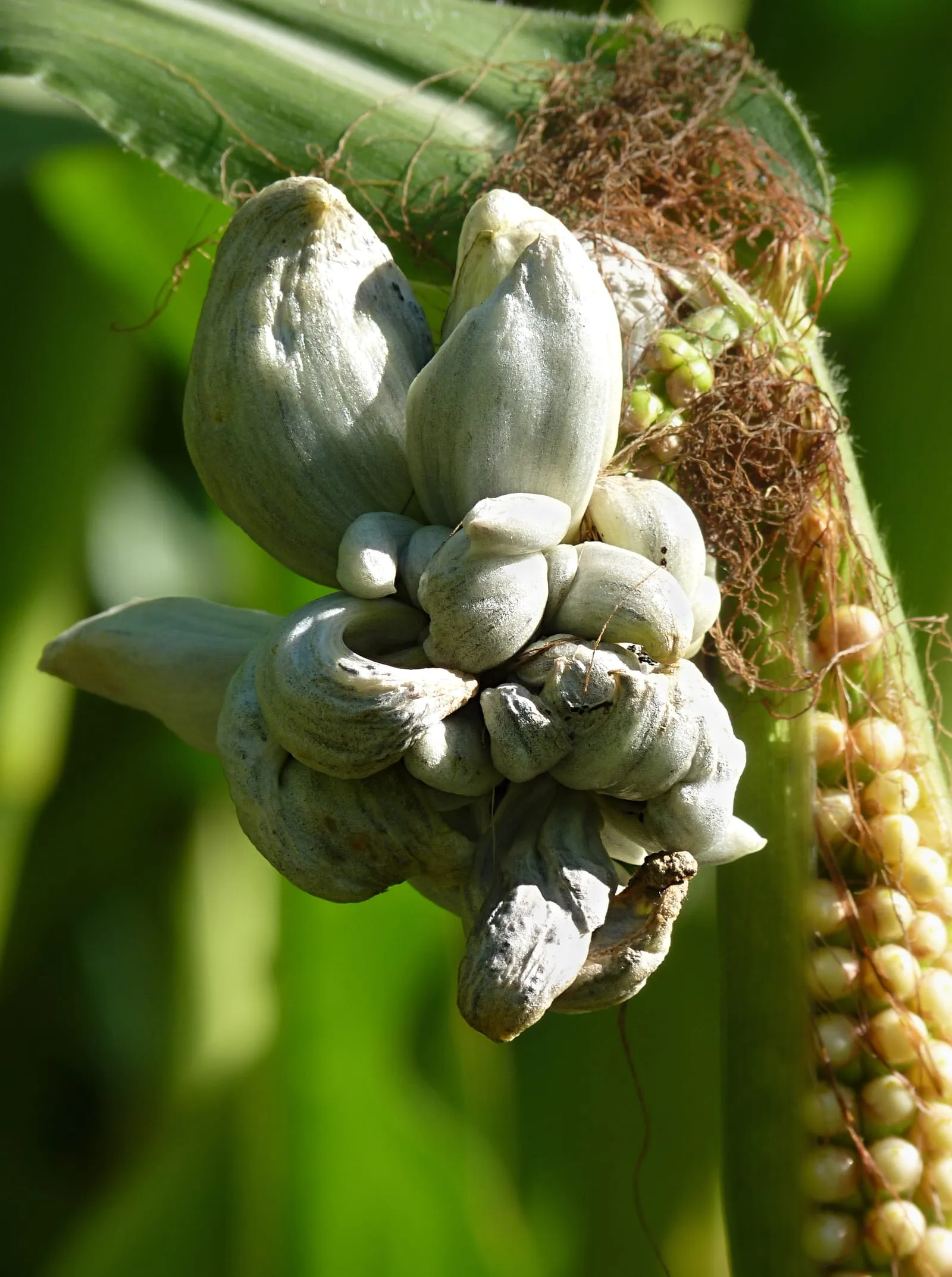
Corn smut (Ustilago maydis) is worth monitoring in zone 8a's warm, humid summers. Infected ears should be removed and bagged before galls mature and release spores, which can persist in soil for years. Corn earworm pressure (Helicoverpa zea) is persistent through the summer months; applying a few drops of mineral oil to silk tips just after pollination is complete provides a low-input barrier. For fall plantings, verify that the chosen variety's days-to-maturity fits within the window before the first expected frost.
Sweet Corn in adjacent zones
Image: "Starr-120625-7599-Zea mays-Ilini Xtra Sweet ears ready to eat-Olinda-Maui (24889896610)", by Forest and Kim Starr, via Wikimedia Commons, licensed under CC-BY Source.
.jpg)
Related