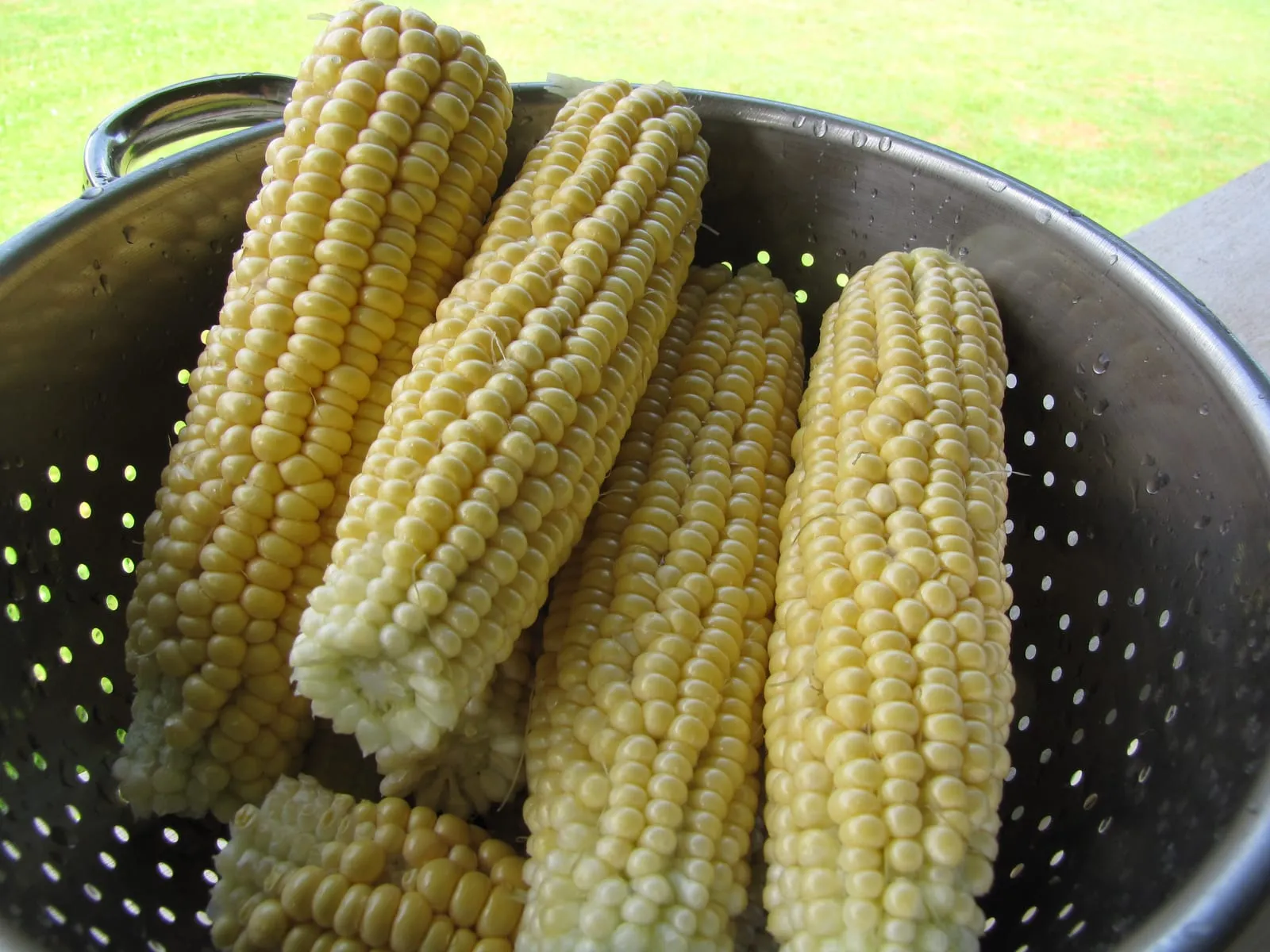
vegetable in zone 7b
Growing sweet corn in zone 7b
Zea mays var. saccharata
- Zone
- 7b 5°F to 10°F
- Growing season
- 220 days
- Suitable varieties
- 4
- Days to harvest
- 60 to 100
The verdict
Sweet corn is a warm-season annual with no chill-hour requirement, so zone compatibility depends on growing-season length and summer heat accumulation rather than winter cold. Zone 7b's 220-day growing season places this crop well within its preferred range, not at the margins. The piedmont and coastal plain portions of zone 7b deliver consistent heat from late spring through early fall, which drives the sugar development that distinguishes good ears from mediocre ones.
Long-season varieties such as Silver Queen and Country Gentleman (both 90-plus days to maturity) have enough runway to mature before first frost, and shorter-season selections like Bodacious and Honey Select finish with time to spare. The main reliability risk is a late-spring cold snap after germination, but that affects individual plantings, not the season. Zone 7b is a productive zone for sweet corn.
Recommended varieties for zone 7b
4 cultivars suited to this zone, with disease-resistance and zone-fit annotations.
| Variety | Notes | Zone fit | Disease resistance |
|---|---|---|---|
| Silver Queen fits zone 7b | Sweet, classic late-season white corn; the Southern heirloom standard. Fresh, boiled, grilled. Standard sugary (su) variety, eat or freeze the day picked because sugars convert quickly. | | none noted |
| Bodacious fits zone 7b | Very sweet, tender yellow corn; sugar-enhanced (se) hybrid. Fresh, freezing. Holds sweetness in the field 7-10 days, much longer than older types. Popular home-garden choice. | | none noted |
| Honey Select fits zone 7b | Extremely sweet, tender; supersweet (sh2) yellow corn. Fresh, freezing, the corn-on-the-cob favorite. Holds sweetness 14+ days, but isolation from other corn types required for purity. | | none noted |
| Country Gentleman fits zone 7b | Sweet, milky, classic shoepeg-style; small white kernels in irregular pattern (no rows). Heritage 1890s American variety, cream-style and creamed corn standard. | | none noted |
Critical timing for zone 7b
Direct sow after the last expected frost, which falls between mid-March and early April across zone 7b. Soil temperature at planting depth should reach 60°F before sowing; germination in cold soil is erratic and produces patchy stands that never catch up. Bodacious (approximately 75 days) sown in early April reaches harvest by late June or early July. Silver Queen and Country Gentleman, requiring 90-plus days, are best planted late April through May for a July to August harvest window.
Succession plantings spaced two to three weeks apart extend fresh harvest through early September. The 220-day season accommodates two full successions comfortably. Fall-planted corn is less reliable in zone 7b; late-summer disease and insect pressure intensifies just as ears are filling, and the payoff rarely justifies the risk.
Common challenges in zone 7b
- ▸ Cedar-apple rust pressure heavy in piedmont
- ▸ Japanese beetles
- ▸ Brown marmorated stink bug
- ▸ Late summer disease pressure
Disease pressure to watch for
Modified care for zone 7b
Japanese beetles and brown marmorated stink bugs are the dominant insect concerns in zone 7b, and both peak during silking and ear fill, when damage is most consequential. Japanese beetle feeding on fresh silk disrupts pollination; check silk daily during peak beetle emergence in July and apply labeled controls if counts are high enough to affect coverage. Stink bugs pierce developing kernels, leaving discolored, sunken spots inside the ear that are not apparent until shucking.
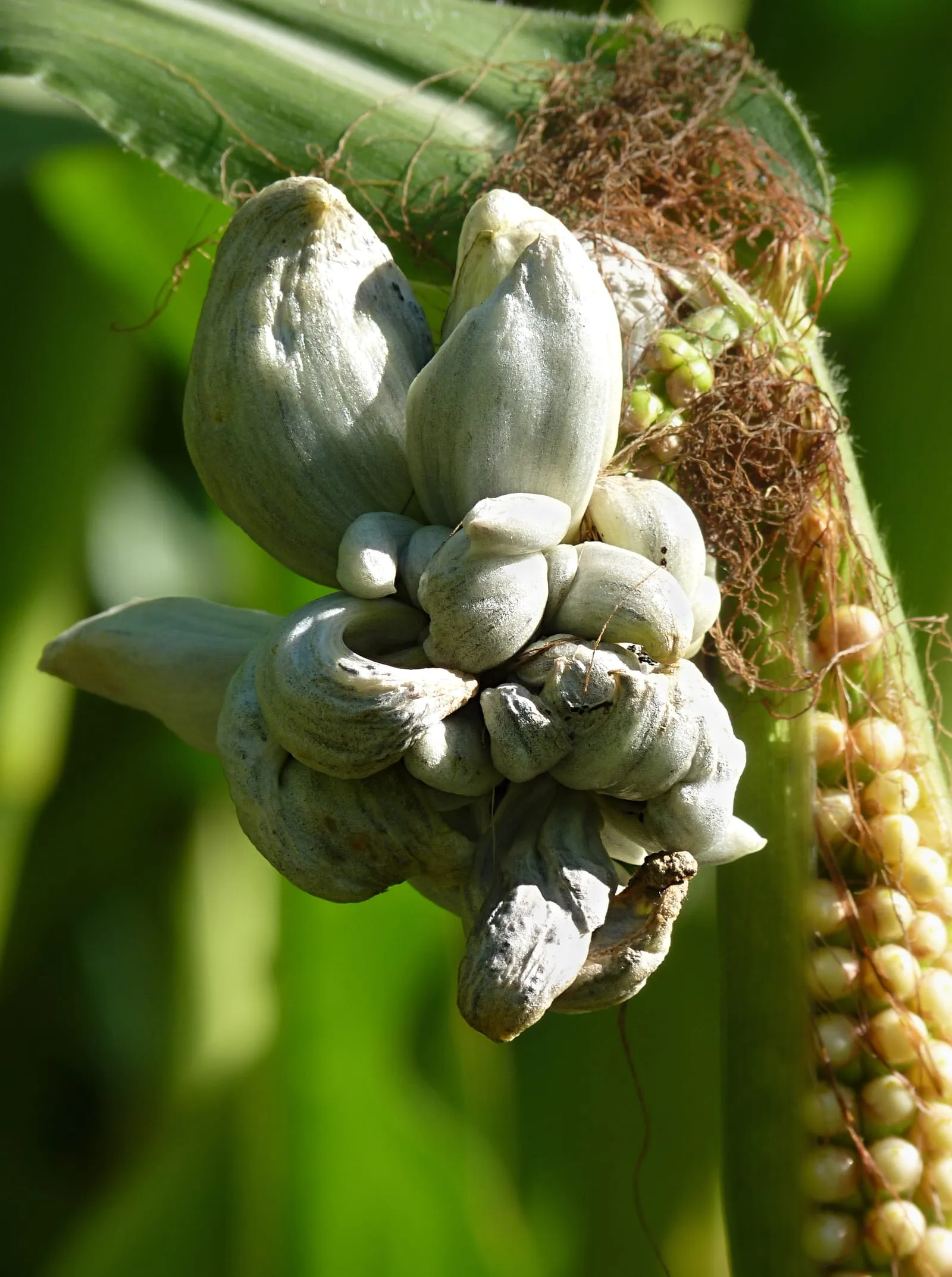
Corn smut (Ustilago maydis) pressure increases with the warm, humid conditions common in zone 7b summers. Remove galls before the membrane ruptures and bag them before disposal to reduce spore load. Corn earworm is essentially universal in zone 7b; growers who want clean tip kernels typically apply food-grade mineral oil to the tip of each ear at early silk. Those comfortable with light tip damage can skip that step.
Sweet Corn in adjacent zones
Image: "Starr-120625-7599-Zea mays-Ilini Xtra Sweet ears ready to eat-Olinda-Maui (24889896610)", by Forest and Kim Starr, via Wikimedia Commons, licensed under CC-BY Source.
.jpg)
Related