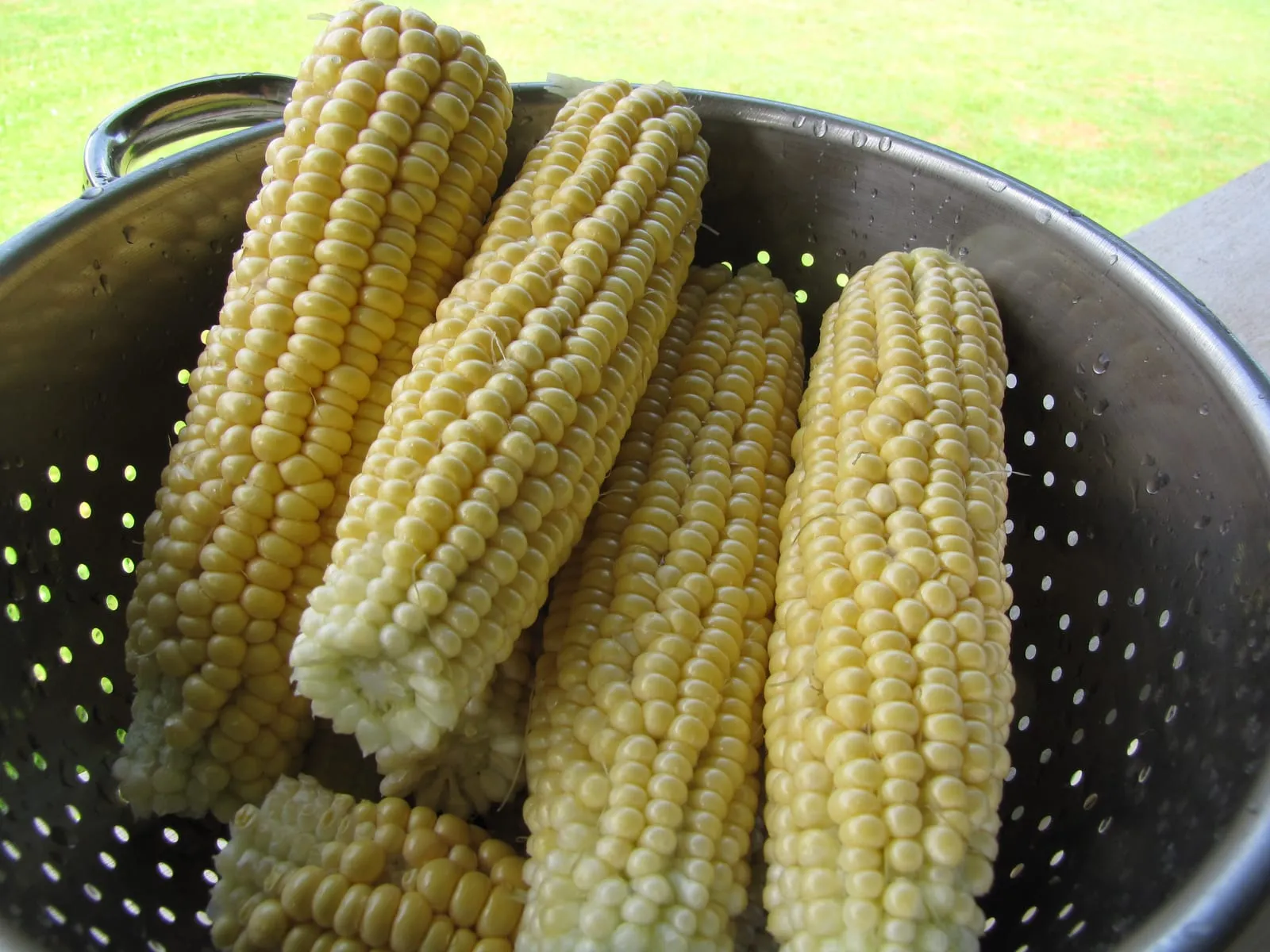
vegetable in zone 7a
Growing sweet corn in zone 7a
Zea mays var. saccharata
- Zone
- 7a 0°F to 5°F
- Growing season
- 210 days
- Suitable varieties
- 4
- Days to harvest
- 60 to 100
The verdict
Sweet corn is a warm-season annual with no chilling requirement, so the chill-hour framework that governs fruit tree site selection does not apply here. Zone 7a is well within the crop's preferred range. The 210-day growing season is roughly twice what most sweet corn varieties need (70 to 90 days from direct sow to harvest), which makes succession planting straightforward and lowers the stakes on any single planting date.
The minimum winter temperatures of 0 to 5°F are irrelevant to corn, which is grown as a direct-seeded annual each season. The binding constraint in zone 7a is not cold tolerance but rather warm, humid summers that elevate disease pressure, particularly corn smut. For a grower willing to manage spacing and timing, zone 7a is a reliable, productive zone for sweet corn rather than a marginal one.
Recommended varieties for zone 7a
4 cultivars suited to this zone, with disease-resistance and zone-fit annotations.
| Variety | Notes | Zone fit | Disease resistance |
|---|---|---|---|
| Silver Queen fits zone 7a | Sweet, classic late-season white corn; the Southern heirloom standard. Fresh, boiled, grilled. Standard sugary (su) variety, eat or freeze the day picked because sugars convert quickly. | | none noted |
| Bodacious fits zone 7a | Very sweet, tender yellow corn; sugar-enhanced (se) hybrid. Fresh, freezing. Holds sweetness in the field 7-10 days, much longer than older types. Popular home-garden choice. | | none noted |
| Honey Select fits zone 7a | Extremely sweet, tender; supersweet (sh2) yellow corn. Fresh, freezing, the corn-on-the-cob favorite. Holds sweetness 14+ days, but isolation from other corn types required for purity. | | none noted |
| Country Gentleman fits zone 7a | Sweet, milky, classic shoepeg-style; small white kernels in irregular pattern (no rows). Heritage 1890s American variety, cream-style and creamed corn standard. | | none noted |
Critical timing for zone 7a
Soil temperatures in zone 7a typically reach 60°F by late April, the minimum threshold for reliable germination. A safe first direct sowing falls between late April and early May, after the last frost date (generally late March to mid-April across the zone). Varieties like Silver Queen and Honey Select reach harvest 78 to 88 days from sowing, putting early plantings into peak pick around mid-July.
A second succession sowing in late May to early June extends the harvest window into late August or early September. Planting much past early June risks the tassel and silk period coinciding with the hottest part of the zone 7a summer, which can reduce pollination success when daytime highs exceed 95°F consistently.
Common challenges in zone 7a
- ▸ Cedar-apple rust
- ▸ Brown rot
- ▸ Fire blight
- ▸ High humidity disease pressure
Disease pressure to watch for
Modified care for zone 7a
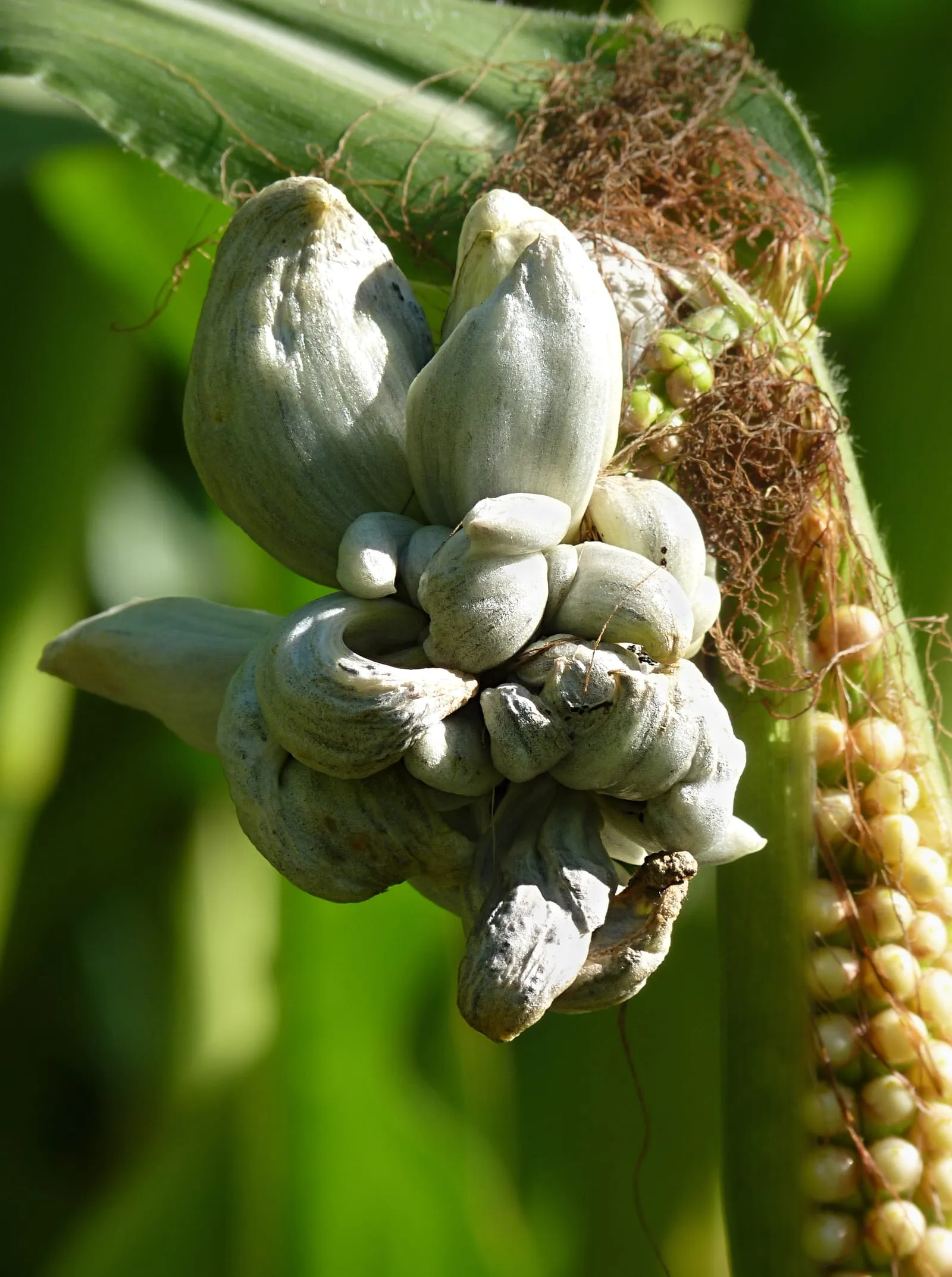
The main zone-specific adjustment in zone 7a is managing disease pressure under high humidity. Corn smut, caused by the fungus Ustilago maydis, thrives in warm, moist conditions common to zone 7a summers. Wider in-row spacing (12 to 15 inches rather than the minimum 9 inches) improves air circulation through the canopy and slows the spread of fungal spores. Remove and dispose of smut galls before they rupture; do not compost them.
Heat stress during pollination is a secondary concern. Planting in blocks of at least four rows rather than single rows improves wind pollination reliability. Watering consistently during the silking and tasseling stage, roughly 1 to 1.5 inches per week, reduces the risk of incomplete kernel fill on ears. No special winter protection is required since the crop does not overwinter.
Sweet Corn in adjacent zones
Image: "Starr-120625-7599-Zea mays-Ilini Xtra Sweet ears ready to eat-Olinda-Maui (24889896610)", by Forest and Kim Starr, via Wikimedia Commons, licensed under CC-BY Source.
.jpg)
Related