vegetable in zone 8b
Growing sweet corn in zone 8b
Zea mays var. saccharata
- Zone
- 8b 15°F to 20°F
- Growing season
- 260 days
- Suitable varieties
- 1
- Days to harvest
- 60 to 100
The verdict
Zone 8b's 260-day growing season makes it a genuinely strong environment for sweet corn. Unlike deciduous fruit trees, sweet corn has no chill-hour requirement, so the low-chill character of zone 8b is irrelevant here. The crop's limiting factors in this zone are summer heat stress and pest pressure, not cold.
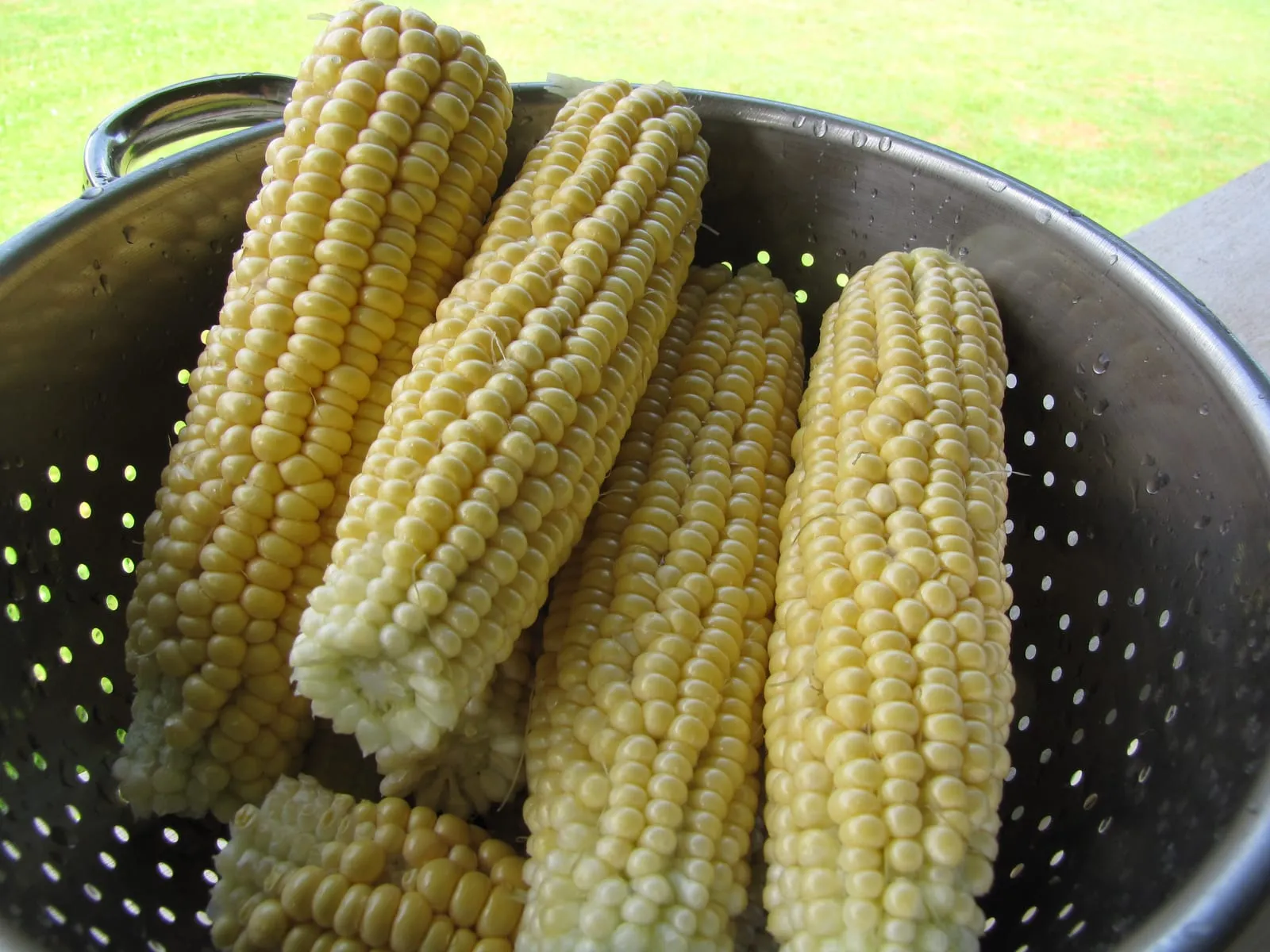
Silver Queen, the primary variety suited to this zone, is a white corn valued for tenderness and sweetness, maturing around 90 to 95 days from direct sow. Its late-season heat tolerance makes it a reasonable fit for zone 8b's extended, humid summers. The long frost-free window also allows multiple succession plantings from late winter through midsummer, spreading harvest across several months rather than compressing it into a single window.
The real question in zone 8b is not whether corn will produce, but whether the grower can manage the heat at pollination time and the elevated pest and disease pressure common across the Gulf Coast corridor.
Recommended varieties for zone 8b
1 cultivar suited to this zone, with disease-resistance and zone-fit annotations.
| Variety | Notes | Zone fit | Disease resistance |
|---|---|---|---|
| Silver Queen fits zone 8b | Sweet, classic late-season white corn; the Southern heirloom standard. Fresh, boiled, grilled. Standard sugary (su) variety, eat or freeze the day picked because sugars convert quickly. | | none noted |
Critical timing for zone 8b
Direct sowing in zone 8b can begin as early as late February to early March, once soil temperature reaches at least 55°F consistently. Last frost typically falls between February 15 and March 15 depending on exact location within the zone. Corn sown in early March reaches silking by late April to mid-May, with harvest following roughly 20 to 25 days after silk emergence.
Silver Queen planted March 1 can be expected at harvest by late May to early June. A second succession sown in late June or early July will mature by late September to early October, well ahead of zone 8b's first fall frost, which typically arrives in November. The 260-day growing season leaves considerable margin for two full successions and potentially a third in mild years.
Common challenges in zone 8b
- ▸ Low chill hours limit apple variety selection
- ▸ Citrus greening risk
- ▸ Nematodes in sandy soils
Disease pressure to watch for
Modified care for zone 8b
Sandy soils common across much of the zone 8b Gulf Coast corridor harbor elevated nematode populations that can stress corn roots and reduce yield. Rotating with a poor nematode host such as a small grain or brassica crop before planting corn, and incorporating organic matter to improve soil structure, reduces exposure. Selecting fields with heavier soil texture where possible also helps.
Pollination is the most weather-sensitive stage. When daytime temperatures exceed 95°F for several consecutive days during silking, kernel set suffers. Staggered succession plantings reduce the risk that an entire crop's pollination window coincides with a heat event.
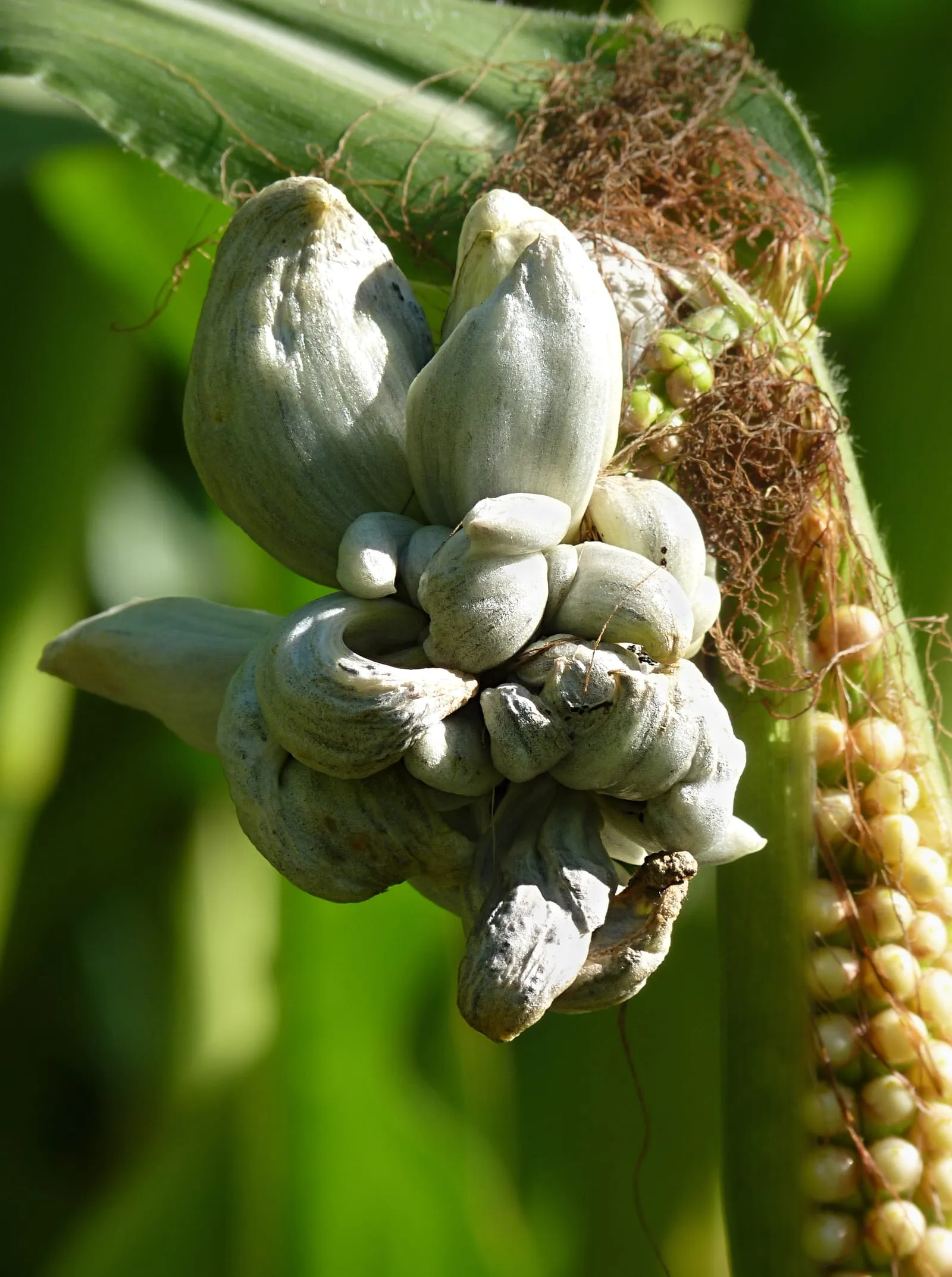
Corn smut, a fungal disease that produces grayish-black galls on ears and stalks, is more prevalent under the warm, humid conditions common to zone 8b summers. Remove and dispose of infected plant tissue promptly rather than leaving it in the field or composting it, as smut spores persist in soil and can build up over multiple seasons.
Sweet Corn in adjacent zones
Image: "Starr-120625-7599-Zea mays-Ilini Xtra Sweet ears ready to eat-Olinda-Maui (24889896610)", by Forest and Kim Starr, via Wikimedia Commons, licensed under CC-BY Source.
.jpg)
Related