vegetable in zone 9a
Growing sweet corn in zone 9a
Zea mays var. saccharata
- Zone
- 9a 20°F to 25°F
- Growing season
- 290 days
- Suitable varieties
- 0
- Days to harvest
- 60 to 100
The verdict
Sweet corn is a warm-season annual with no chill-hour requirement, so zone 9a's mild winters are irrelevant to its performance. The 290-day growing season is more than sufficient for multiple successive plantings each year, and the warm soil speeds germination and early growth. The practical constraint in zone 9a is summer heat rather than cold: daytime temperatures above 95°F during the silking and pollination window cause pollen to desiccate before reaching the silk, resulting in blank tips and poor kernel fill. Zone 9a is a capable zone for sweet corn, not a marginal one, but growers who plant into peak summer will be disappointed. The crop is best treated as a cool-shoulder-season vegetable here, planted for spring and fall harvest rather than midsummer. Timed correctly, yields in zone 9a are excellent.
Critical timing for zone 9a
Direct sow sweet corn as early as February once soil temperatures reach 60°F consistently. Spring plantings sown in February through March typically silk in April to May and reach harvest in May through early June, well ahead of the most intense heat. A second window opens in late July to early August for fall plantings that silk in September and harvest in October, after peak heat has passed. Most sweet corn varieties mature in 65 to 90 days. The critical scheduling target is keeping the silking and pollination stage, roughly 60 to 70 days after sowing, out of the window when daytime highs regularly exceed 95°F.
Common challenges in zone 9a
- ▸ Limited stone fruit options due to insufficient chill
- ▸ Hurricane and tropical storm exposure
- ▸ Citrus disease pressure
Disease pressure to watch for
Modified care for zone 9a
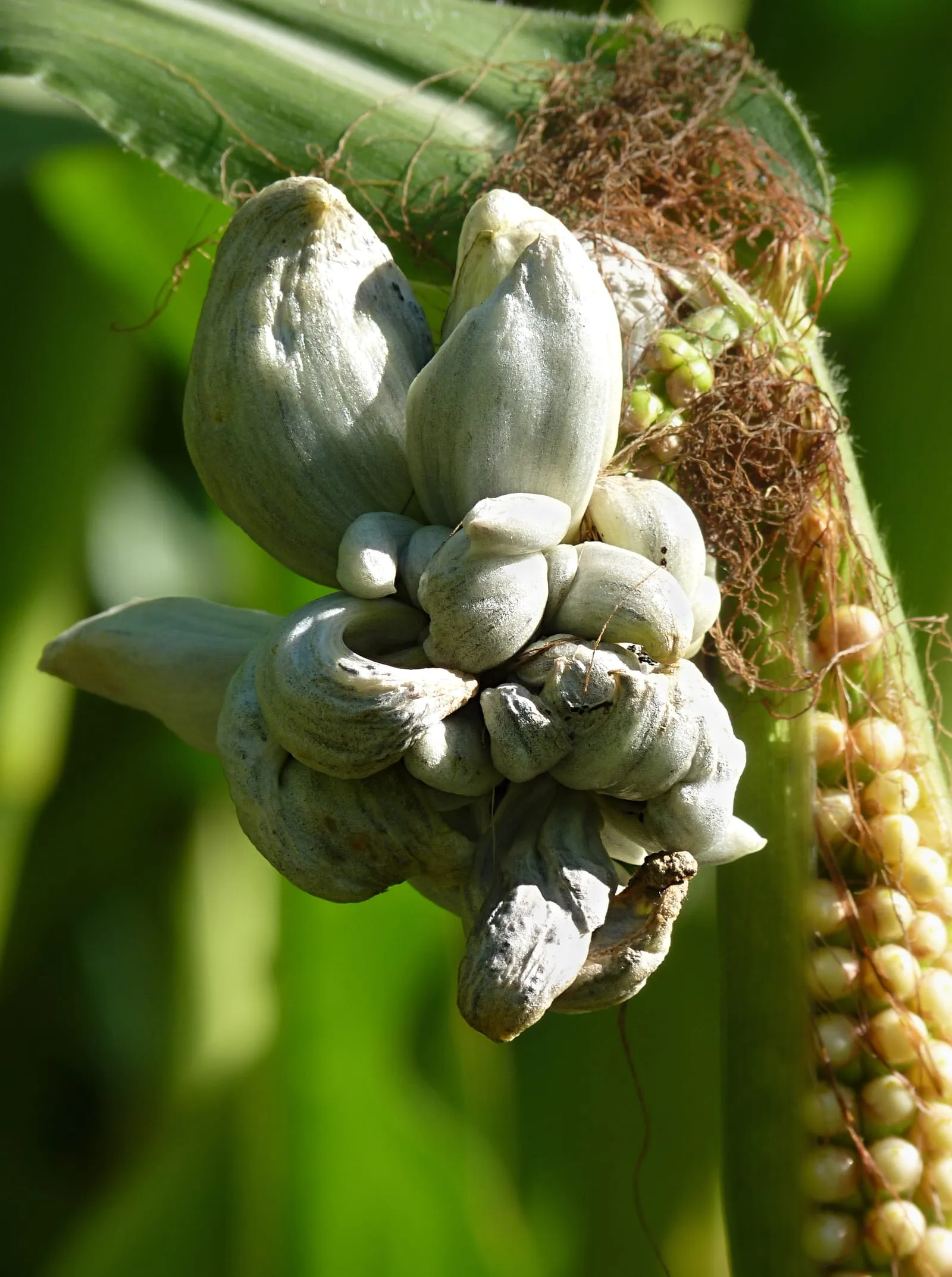
The two adjustments that matter most in zone 9a are pollination management and wind protection. Plant in blocks of at least four rows rather than a single long row; block planting improves pollen distribution and partially compensates for heat stress on individual anthers. Hurricane and tropical storm exposure is a real concern through the Gulf and Atlantic coastal portions of zone 9a: hilling soil up around the base of stalks at knee height and, for late-summer plantings, selecting shorter-stalked varieties reduces lodging risk. Corn smut (Ustilago maydis) pressure increases in warm, humid conditions. Remove galled ears and infected plant tissue immediately and bag them for disposal rather than adding to the compost pile; smut galls release billions of spores when they rupture. Avoid overhead irrigation during silking to limit the moisture that favors smut establishment.
Frequently asked questions
- Can sweet corn be grown year-round in zone 9a?
Not practically. Sweet corn requires soil temperatures above 60°F for germination and performs poorly when it silks during peak summer heat above 95°F. The viable windows are roughly February through March (spring planting) and late July through early August (fall planting), with midsummer avoided.
- What causes blank tips on sweet corn ears in zone 9a?
Blank tips, where the top portion of the ear has no kernels, are usually caused by pollination failure. In zone 9a the most common culprit is heat above 95°F during silking, which desiccates pollen. Poor block planting (single rows rather than multiple rows) and water stress during silking are contributing factors.
- Is corn smut safe to eat?
Yes, corn smut (Ustilago maydis) is edible and considered a delicacy in parts of Mexico, where it is called huitlacoche. However, for most home gardens in zone 9a the practical advice is to remove infected ears promptly to prevent spore spread to healthy plants.
+−
+−
+−
Sweet Corn in adjacent zones
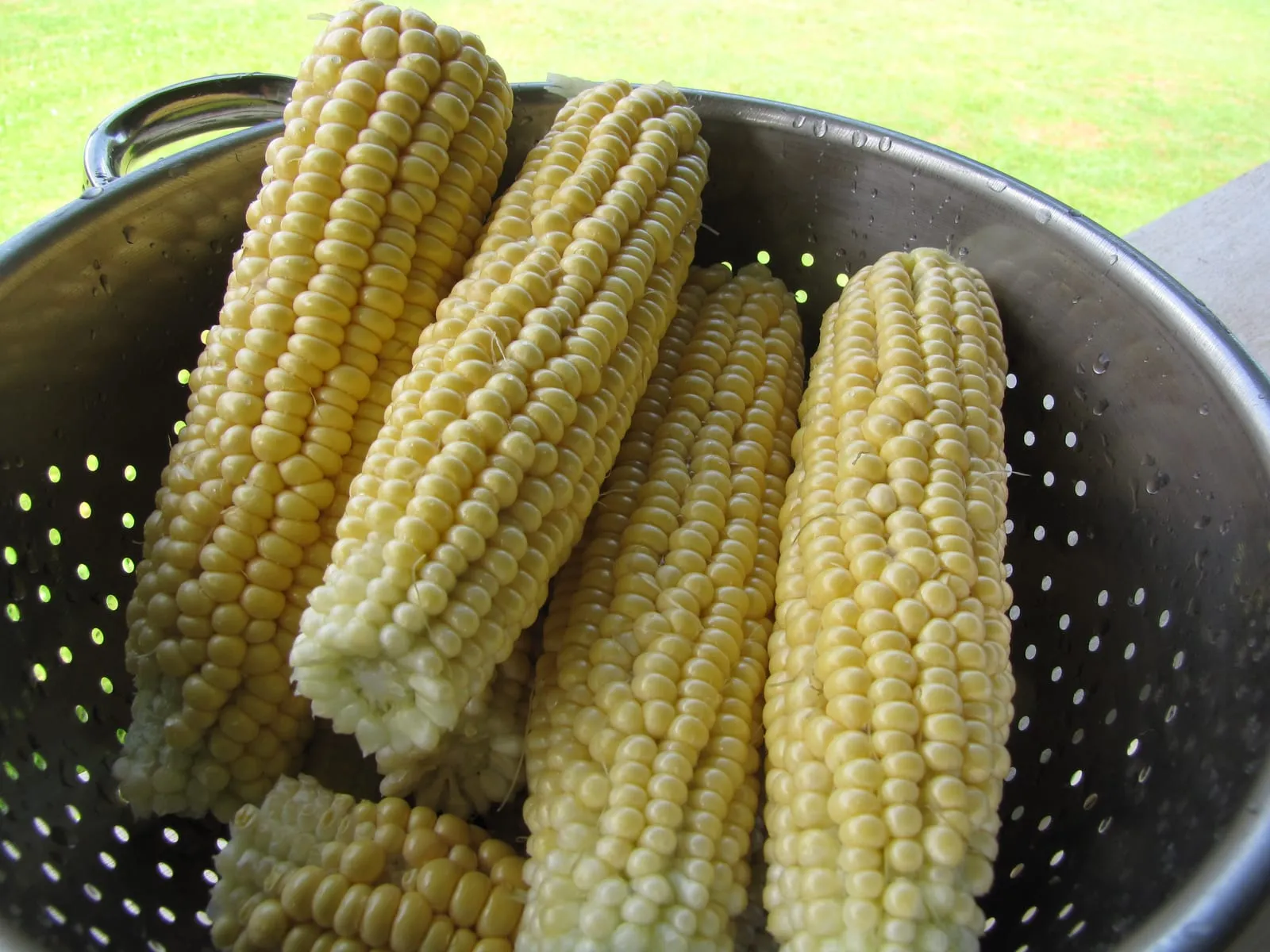
Image: "Starr-120625-7599-Zea mays-Ilini Xtra Sweet ears ready to eat-Olinda-Maui (24889896610)", by Forest and Kim Starr, via Wikimedia Commons, licensed under CC-BY Source.
.jpg)
Related