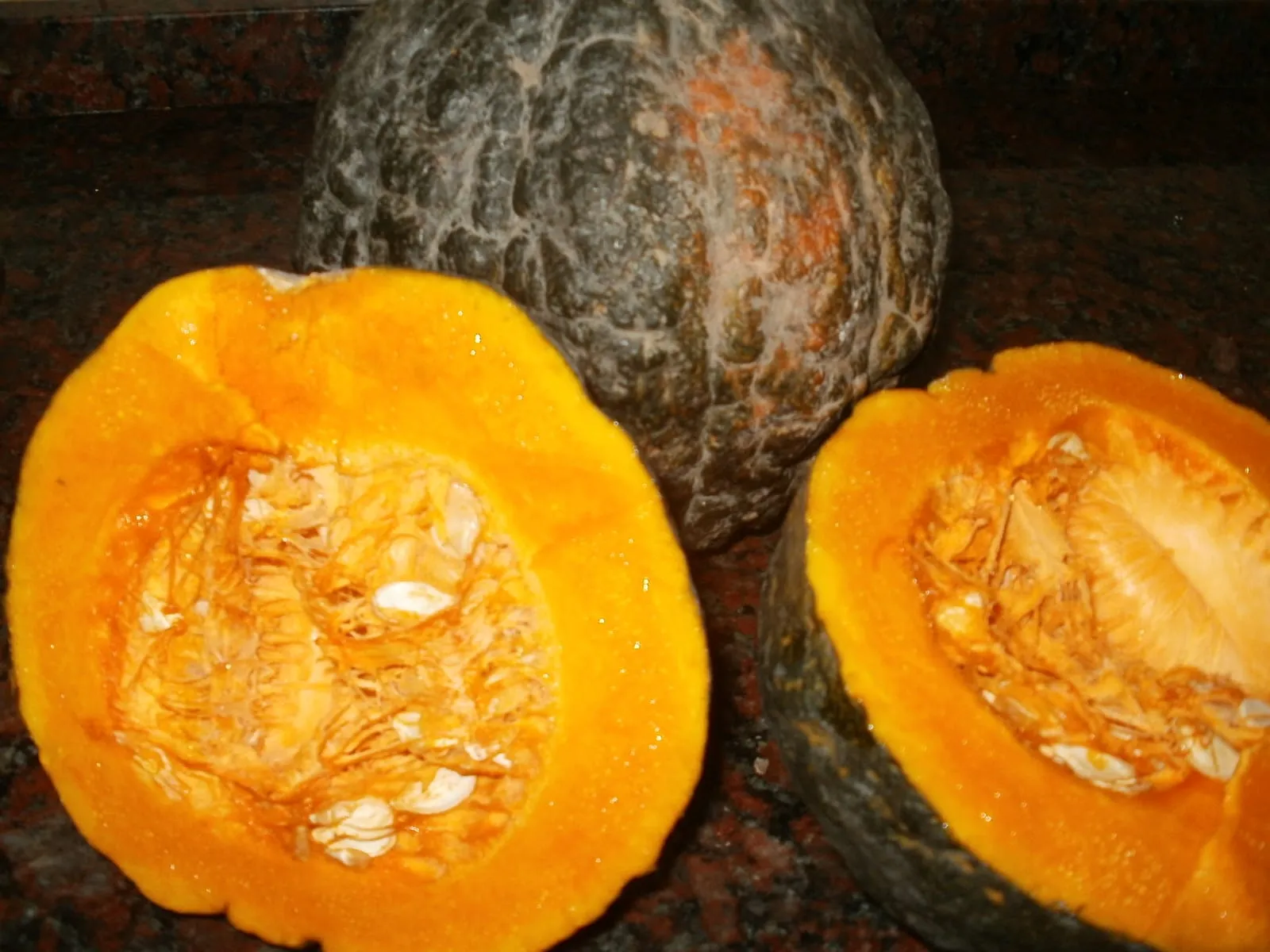
vegetable
Winter Squash
Cucurbita maxima and Cucurbita moschata
USDA hardiness range
- Zones
- 4a–9a
- Days to harvest
- 85 to 120
- Sun
- Full
- Water
- Moderate
- Lifespan
- annual
Growing winter squash
Winter squash is a warm-season annual grown across zones 4a through 9a, covering most of the continental United States. The crop thrives where summers run long and hot enough to fully mature fruit before the first hard fall frost. With 85 to 120 days to harvest depending on variety, the binding constraint in zones 4 and 5 is the calendar: growers in short-season climates need to start transplants indoors 3 to 4 weeks before the last frost date and select faster-maturing types like Delicata over large, slow-curing varieties. In zones 8 and 9, heat availability is rarely the problem; the challenge shifts to timing plantings so vines are established and pollinating before midsummer heat peaks or wet-season rains reduce bee activity.
The crop does not tolerate frost at any growth stage. Vines killed by an early October frost before fruit has cured may look intact but will not store well. Working backward from the average first frost date to select an appropriate variety is the most reliable planning step a grower can take.
Cucurbita maxima and Cucurbita moschata types differ in heat and humidity tolerance, which matters in humid southeastern zones versus drier western climates. Cornell Winter Squash Production recommends harvesting when rinds resist thumbnail pressure and leaving 2-inch stem stubs intact to extend storage life. Variety selection and harvest timing, more than soil amendments or fertilizer, separate productive plantings from disappointing ones.
Recommended varieties
See all 5 →5 cultivars for home growers, with notes on flavor, ripening, and disease resistance.
| Variety | Notes | Zone fit | Disease resistance |
|---|---|---|---|
| Butternut Waltham | Sweet, dense, smooth; classic tan-skinned bell-shaped winter squash. Roasting, soups, pies, mashing. Stores 3-6 months at room temperature, the universal winter squash. | | none noted |
| Delicata | Sweet, creamy, edible-skin; small striped cylindrical squash. Halved and roasted, stuffed, fresh. Stores 2-3 months, ready faster than larger types. | | none noted |
| Acorn | Mildly sweet, dense, slightly fibrous; ribbed dark-green to orange acorn-shaped fruit. Halved and stuffed, roasting, soups. Stores 1-2 months. | | none noted |
| Buttercup | Very sweet, dense, dry; turban-shaped dark green squash. Best for pies, soups, mashing. Stores 3-4 months. The flavor benchmark among winter squashes. | | none noted |
| Spaghetti | Mild, slightly sweet, flesh strands like noodles when baked; pale yellow oval fruit. Roasted halves, low-carb pasta substitute. Productive and easy. | | none noted |
Soil and site requirements
Winter squash performs best in well-drained, loose soil with a pH between 6.0 and 6.8. Waterlogged roots cause vine collapse well before any above-ground symptom appears; on heavy clay, raised beds or mounded planting hills are a practical solution rather than an optional upgrade. Full sun is non-negotiable. The crop needs at least 8 hours of direct sunlight daily to develop sugars and a firm, cure-ready rind. Shaded sites produce soft-skinned fruit that does not store well regardless of harvest timing.
Spacing requires honest planning. Standard vining types spread 6 to 10 feet; planting hills should be 4 to 6 feet apart in rows at least 6 to 8 feet wide. Compact bush varieties can be grown somewhat closer, but they still need room, and crowding adjacent crops is a common mistake in smaller gardens.
Soil temperature at planting should reach at least 60°F. Seeds sown into cold soil rot rather than germinate. Incorporating 2 to 3 inches of compost before planting improves both drainage and moisture retention compared to unamended soil. Sites with some wind protection help young transplants establish, but mature vines benefit from air circulation around foliage; fence corners and tight hedgerows that trap humidity encourage fungal disease. Rotating away from any site where cucurbit crops grew the previous season reduces soilborne pathogen carryover.
Common diseases
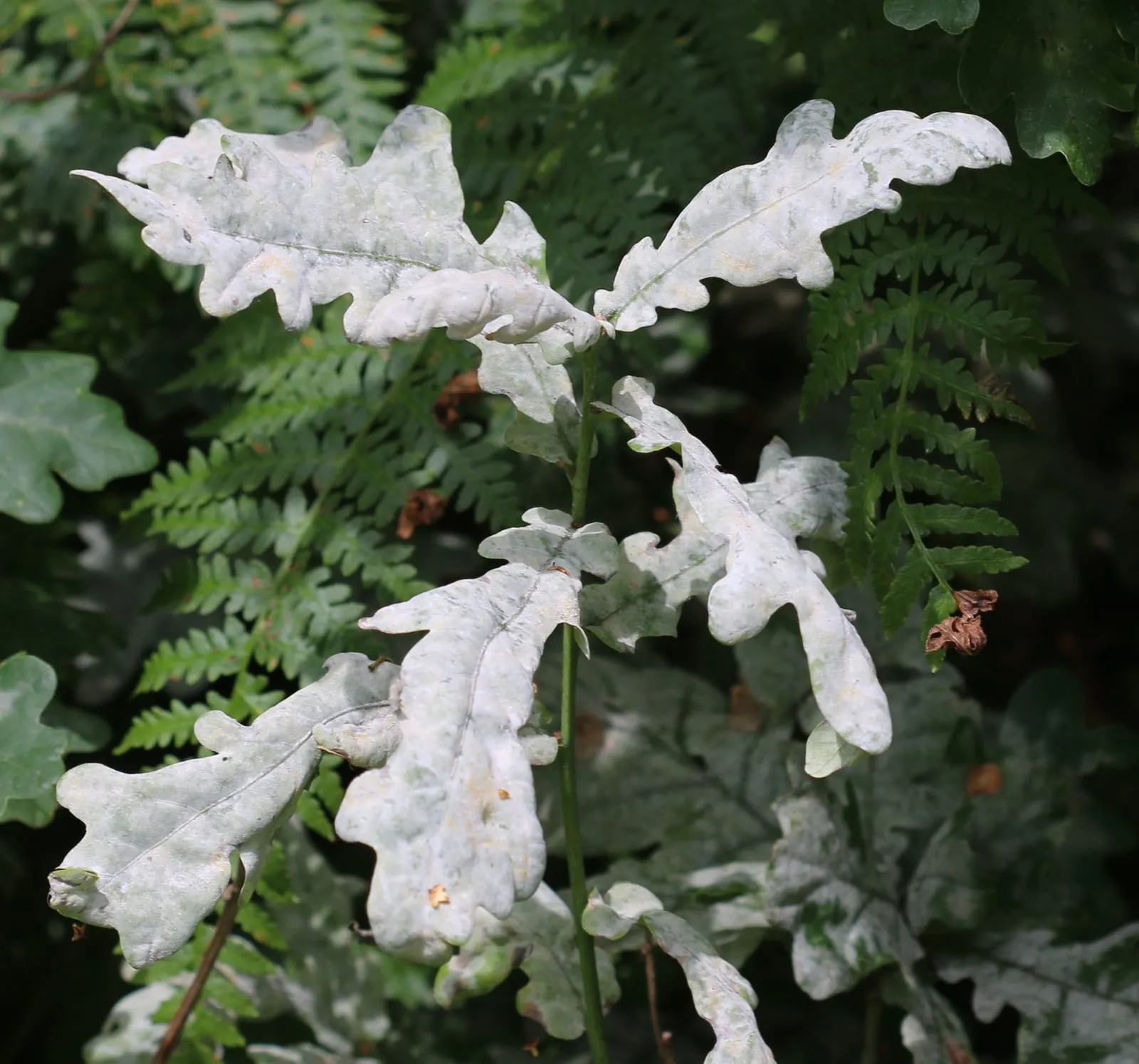
Multiple species (Erysiphales)
Surface-feeding fungal disease producing white powdery growth on leaves and stems. Reduces yield by stealing photosynthate and accelerating senescence.
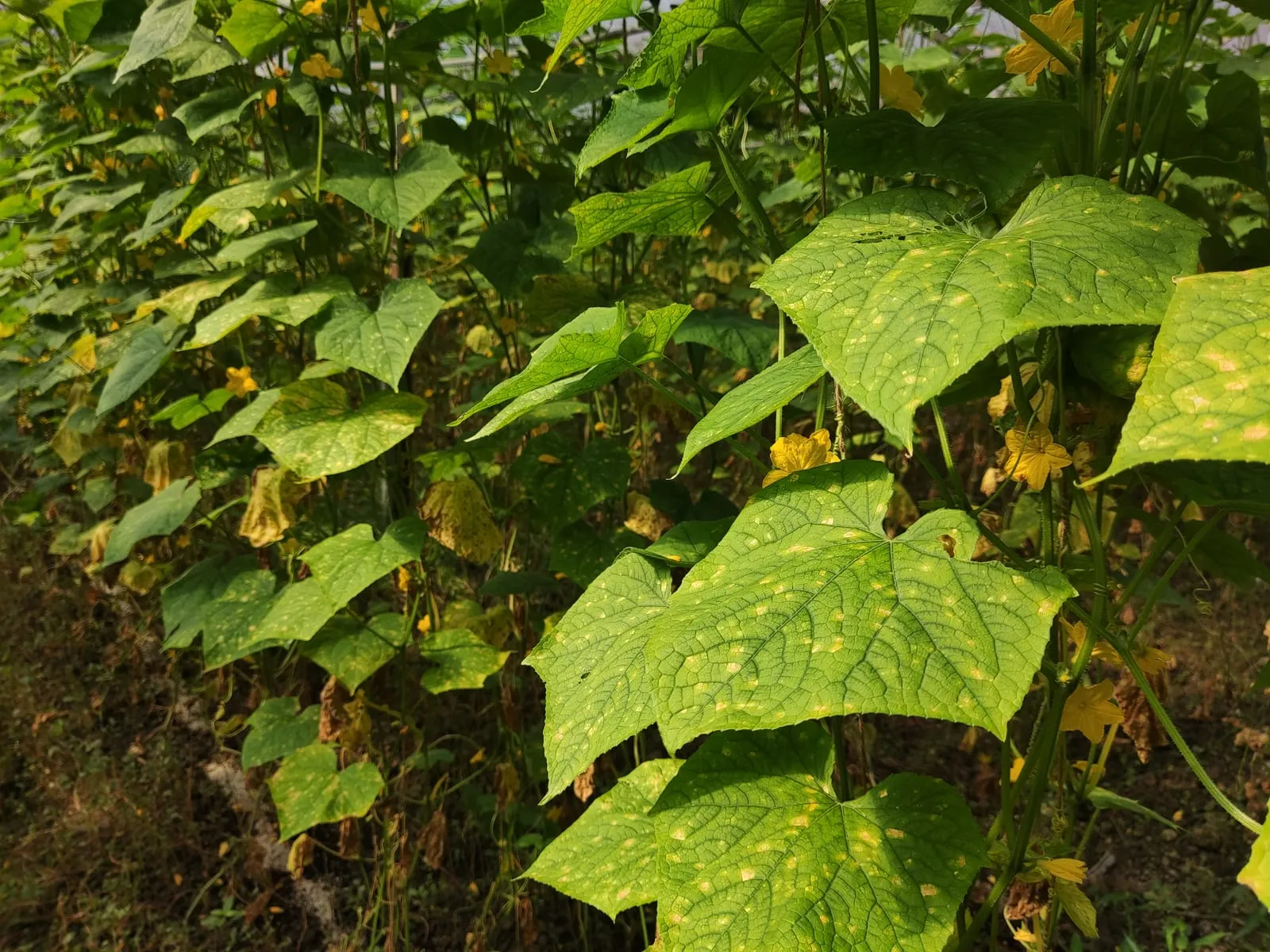
Pseudoperonospora cubensis (cucurbits) and others
Water mold (oomycete, not a true fungus) that thrives in cool damp conditions. Spreads rapidly through cucurbit and brassica plantings on wind-borne spores.
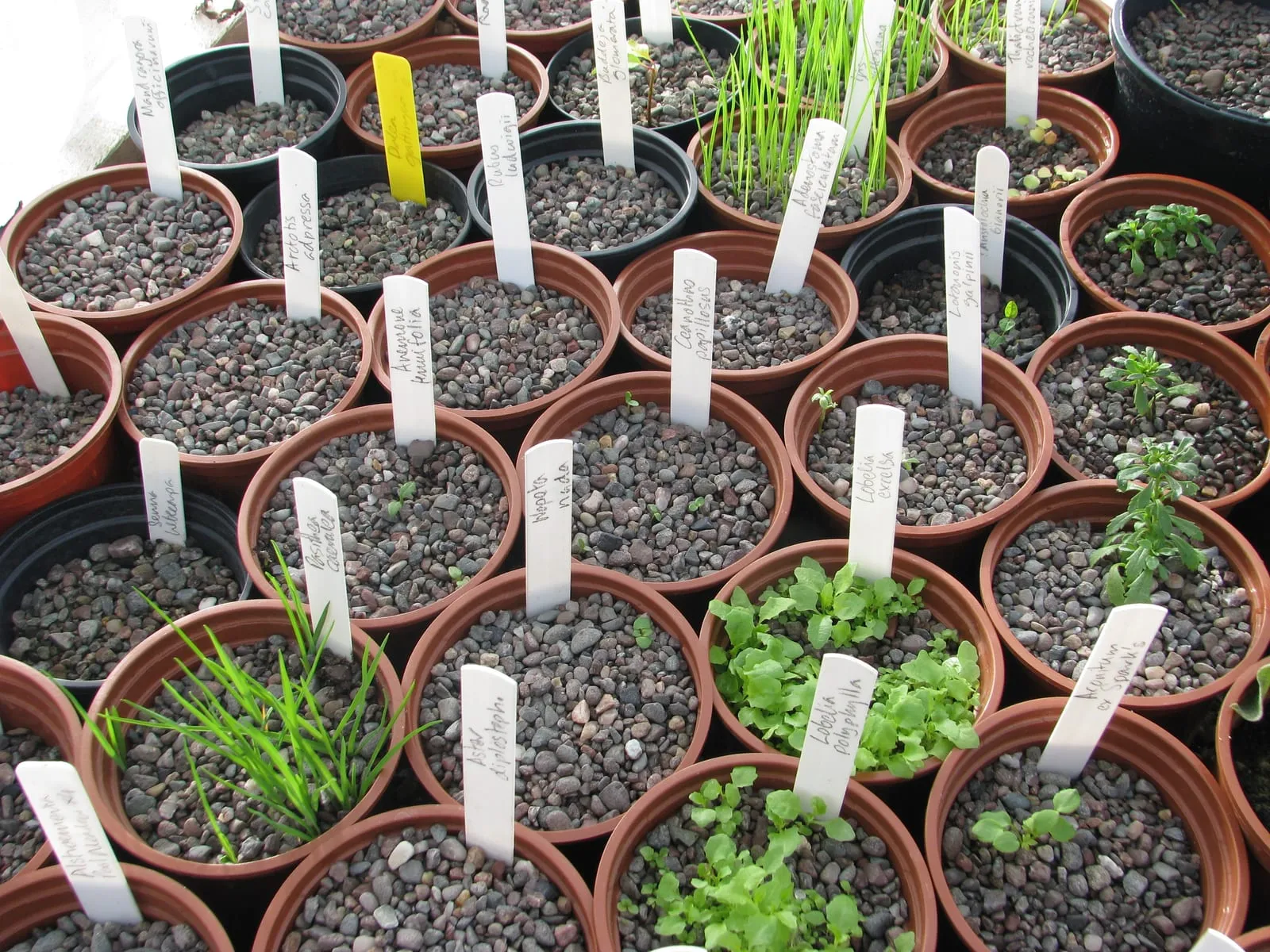
Pythium and Rhizoctonia species
Soil-borne complex of water molds and fungi that kill seedlings before or shortly after emergence. The single most common cause of seed-starting failures.
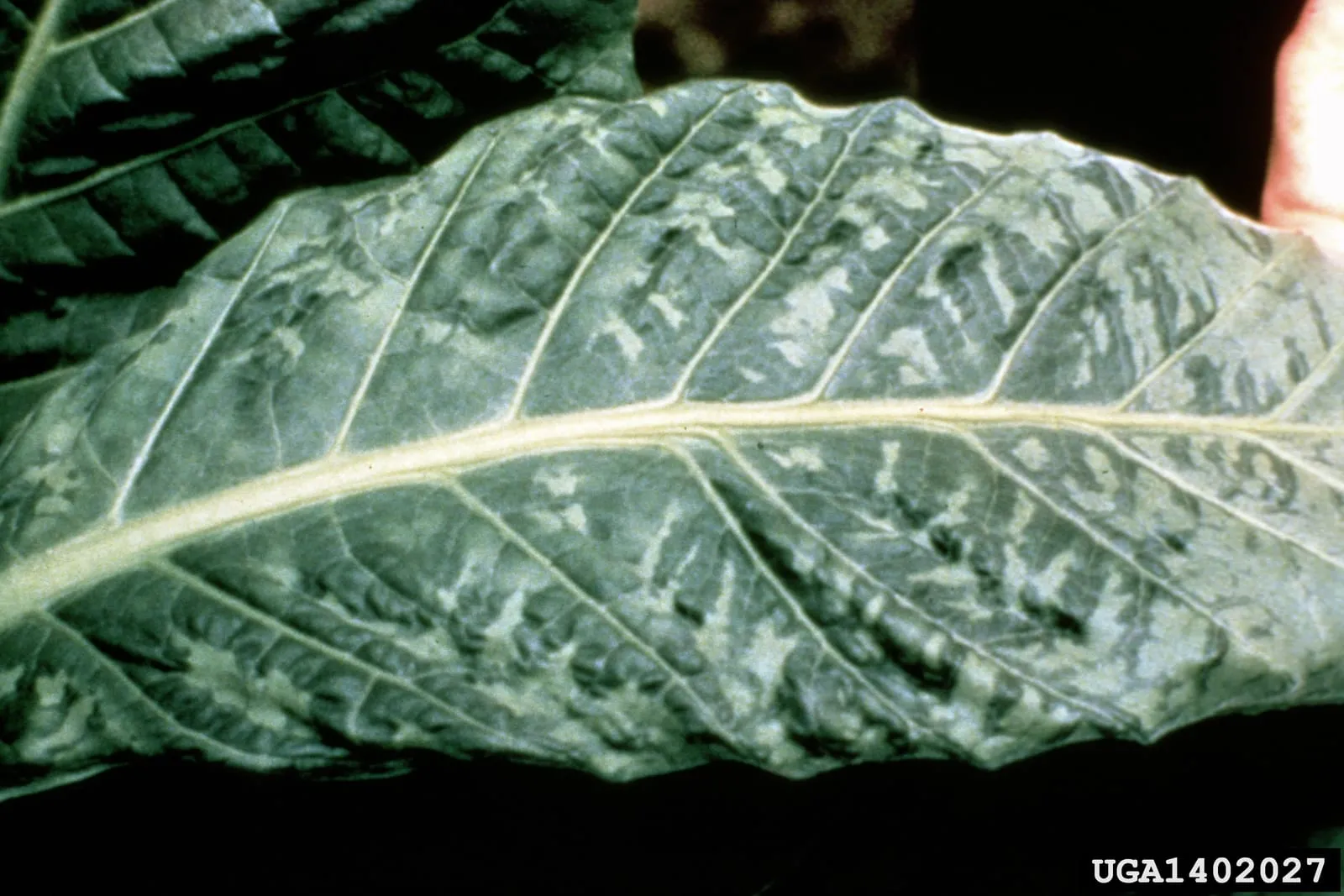
Cucumber mosaic virus, Tobacco mosaic virus, and others
Family of plant viruses producing mottled yellow-and-green leaf patterns. Vectored primarily by aphids; some are seed-transmitted or spread by handling tools and tobacco products.
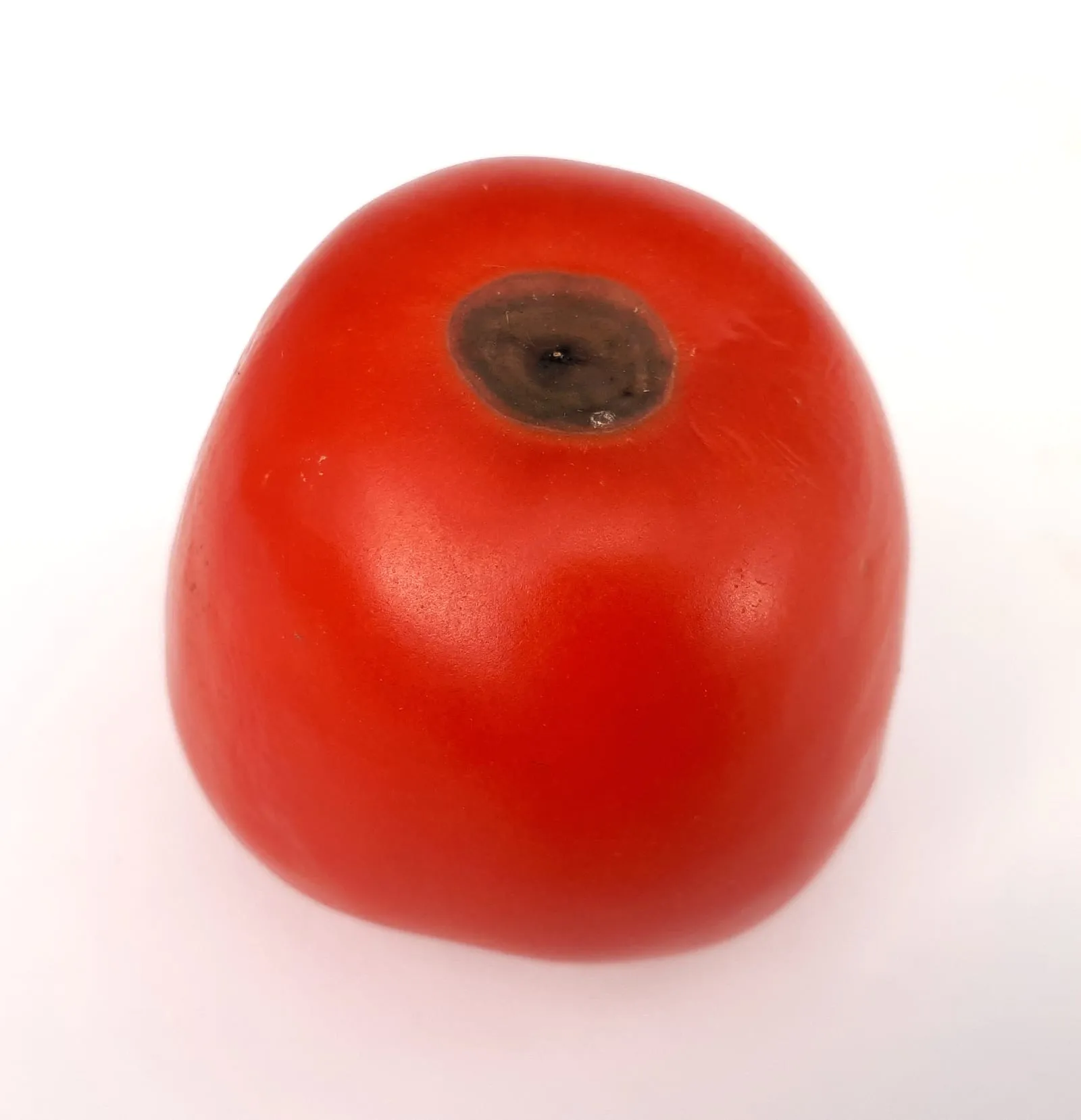
Calcium deficiency physiological disorder
Not a true disease but a calcium-uptake disorder caused by inconsistent soil moisture during fruit development. The dominant cause of damaged first-fruit on home tomato plantings.
Common pests
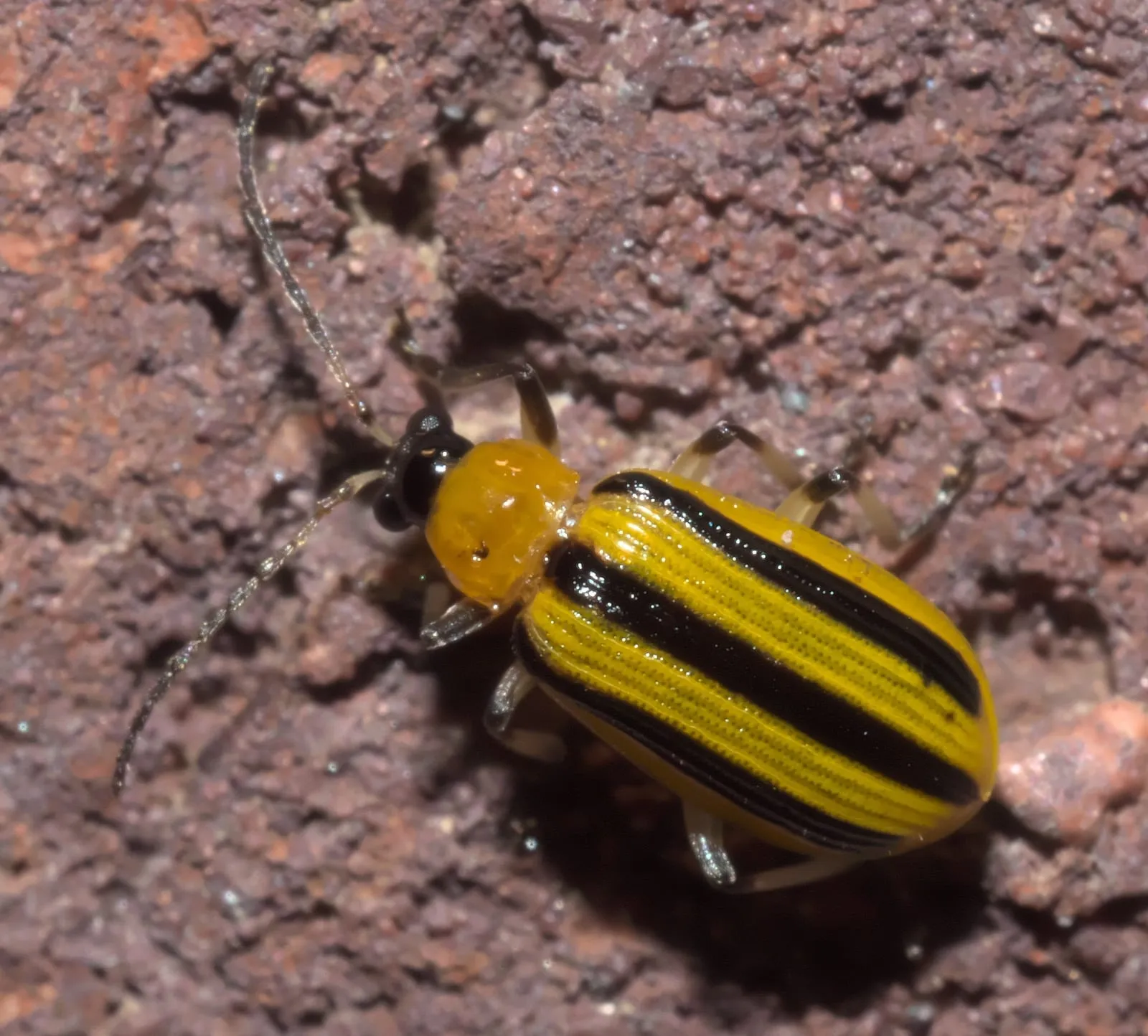
Acalymma vittatum (striped) and Diabrotica undecimpunctata (spotted)
Yellow-and-black beetles that feed on cucurbit foliage and flowers, but the bigger problem is that they vector bacterial wilt and cucumber mosaic virus.
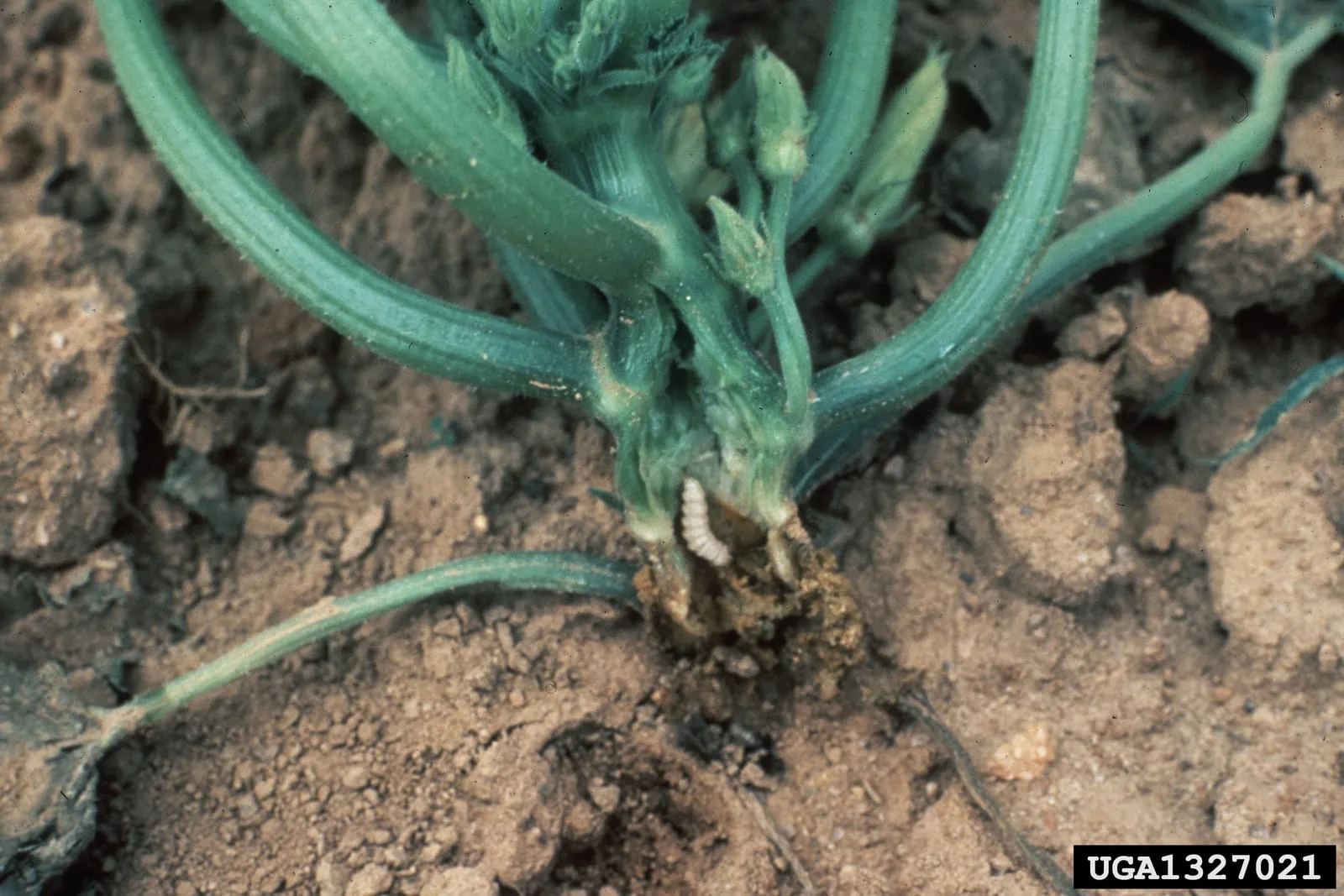
Melittia cucurbitae
Day-flying clearwing moth whose larvae bore into squash stems at the base and hollow them out, causing sudden wilting and plant death. The dominant squash killer east of the Rockies.
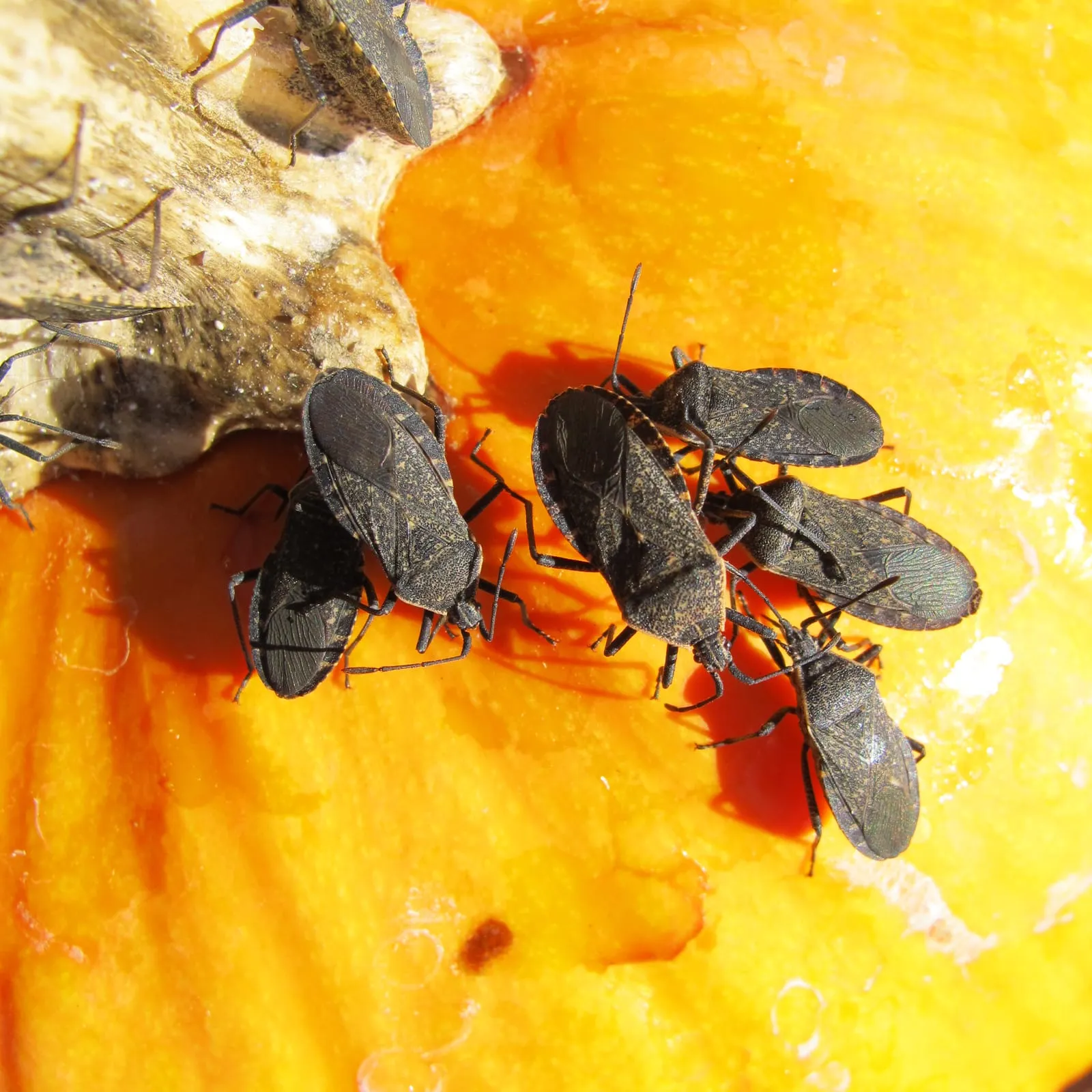
Anasa tristis
Brown shield-shaped bugs that feed on cucurbit foliage and fruit, causing wilting and fruit-quality damage. Transmit cucurbit yellow vine disease.
Common challenges
Three issues account for the majority of winter squash failures in home gardens.
Squash vine borer is the most damaging insect pest in eastern growing regions. Larvae tunnel into vine stems near the base, causing sudden wilt that resembles drought stress. By the time wilting is visible, larvae are already inside the stem and difficult to remove. Preventive row covers applied from transplant until first flowering, then removed to allow pollinator access, reduce borer pressure significantly. In zones 7 and warmer, a second adult moth flight later in the season can affect later-planted crops.
Insufficient pollination causes poor or absent fruit set and is frequently misdiagnosed as a soil or fertility problem. Winter squash produces separate male and female flowers on the same vine. Female flowers, identifiable by the small immature fruit at their base, require multiple pollinator visits within a short morning window. Flowering that coincides with extended rain or recent pesticide applications can result in almost no fruit. Hand-pollinating with a small brush or cotton swab in the early morning is a reliable backup when bee activity is low.
Frost catching late-maturing fruit is the third common failure, particularly in zones 4 and 5. Fruit that experiences a hard freeze before curing is complete will not store well even if externally undamaged. Selecting varieties whose days-to-harvest figure fits inside the local frost-free window is the most direct way to avoid this, with a week or two of buffer for seasons that run cooler than average.
Companion plants
Frequently asked questions
- Does winter squash require chill hours?
No. Winter squash is a warm-season annual with no chill-hour requirement. It needs warmth and a long frost-free period, not winter cold. The word "winter" in the name refers to the season when cured fruit is eaten, not when the plant grows.
- How many days does winter squash take to harvest?
Days to harvest range from 85 to 120 depending on variety. Delicata is among the faster types at around 85 days; larger Butternut types typically need 100 to 110 days; some heirloom varieties push past 120. Growers in zones 4 and 5 should confirm that their chosen variety fits inside the local frost-free window before planting.
- What USDA zones can grow winter squash?
Winter squash grows reliably from zone 4a through zone 9a. In zones 4 and 5, short seasons require early transplanting indoors and variety selection favoring faster-maturing types. In zones 8 and 9, timing is managed around summer heat peaks and the fall dry-season window rather than frost.
- Is winter squash self-fertile, or does it need pollinators?
Winter squash is not self-fertile in the conventional sense. Each plant produces separate male and female flowers, and pollen must be transferred between them, typically by bees. Without adequate pollinator activity during the flowering window, fruit set will be poor or absent. Hand-pollination is a reliable backup during periods of low bee activity.
- What is the most common disease affecting winter squash?
Powdery mildew is the most widespread fungal disease in home plantings, appearing as white powdery patches on older leaves, typically in late summer as vines mature. It rarely kills plants outright but weakens foliage and can reduce final fruit quality if it progresses early. Downy mildew is a secondary concern in humid regions.
- Can winter squash be started indoors?
Yes, and in zones 4 and 5 it often should be. Starting transplants indoors 3 to 4 weeks before the last frost date effectively extends the growing season. Winter squash dislikes root disturbance, so biodegradable or soil block containers that go directly into the ground minimize transplant shock.
- How long does winter squash store after harvest?
Storage life varies considerably by type. Butternut Waltham stores 3 to 6 months at room temperature in a cool, dry location. Delicata stores 2 to 3 months. Acorn squash has the shortest storage life, typically 1 to 2 months. A properly cured rind and intact 2-inch stem are the two most important factors for reaching maximum storage potential.
+−
+−
+−
+−
+−
+−
+−
Sources
Image: "Cucurbita maxima x C. moschata (zapallo kabutia o japonés o grupo Tetsukabuto)", by Patricia Zappia http://patoentusalsa.blogspot.com.ar/, via Wikimedia Commons, licensed under CC-BY. Source.
.JPG)
Winter Squash by zone
Related