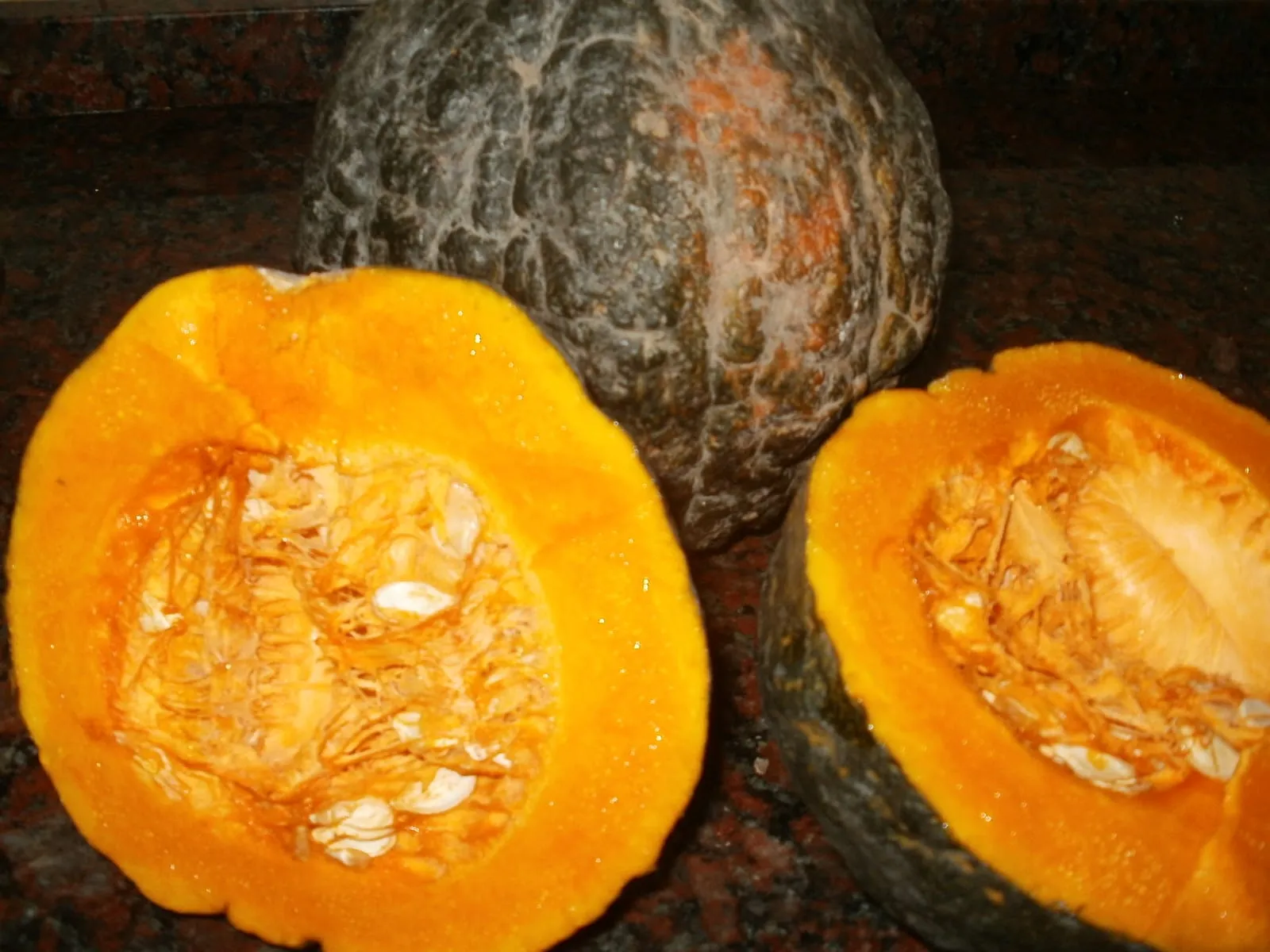
vegetable in zone 6a
Growing winter squash in zone 6a
Cucurbita maxima and Cucurbita moschata
- Zone
- 6a -10°F to -5°F
- Growing season
- 180 days
- Suitable varieties
- 5
- Days to harvest
- 85 to 120
The verdict
Winter squash is well matched to zone 6a. The 180-day frost-free growing season comfortably accommodates all the listed varieties: Butternut Waltham and Buttercup typically need 85 to 110 days from germination, Delicata and Acorn run 80 to 100 days, and Spaghetti squash around 100 days. This is not a marginal zone for the crop.
Worth noting: winter squash is an annual cucurbit with no chill-hour requirement. The zone 6a minimum temperature range of -10 to -5°F is relevant to overwintering perennials and fruit trees, not to a crop sown fresh each spring. The sole cold-season concern is last spring frost timing, which governs when outdoor planting can safely begin. Zone 6a growers have sufficient season length and warm summers to produce full-size, properly cured squash without the row-cover extensions or greenhouse starts that shorter-season zones require.
Recommended varieties for zone 6a
5 cultivars suited to this zone, with disease-resistance and zone-fit annotations.
| Variety | Notes | Zone fit | Disease resistance |
|---|---|---|---|
| Butternut Waltham fits zone 6a | Sweet, dense, smooth; classic tan-skinned bell-shaped winter squash. Roasting, soups, pies, mashing. Stores 3-6 months at room temperature, the universal winter squash. | | none noted |
| Delicata fits zone 6a | Sweet, creamy, edible-skin; small striped cylindrical squash. Halved and roasted, stuffed, fresh. Stores 2-3 months, ready faster than larger types. | | none noted |
| Acorn fits zone 6a | Mildly sweet, dense, slightly fibrous; ribbed dark-green to orange acorn-shaped fruit. Halved and stuffed, roasting, soups. Stores 1-2 months. | | none noted |
| Buttercup fits zone 6a | Very sweet, dense, dry; turban-shaped dark green squash. Best for pies, soups, mashing. Stores 3-4 months. The flavor benchmark among winter squashes. | | none noted |
| Spaghetti fits zone 6a | Mild, slightly sweet, flesh strands like noodles when baked; pale yellow oval fruit. Roasted halves, low-carb pasta substitute. Productive and easy. | | none noted |
Critical timing for zone 6a
In zone 6a, the last spring frost typically falls between April 15 and May 1. Soil temperatures must reach at least 60°F before direct sowing, which generally aligns with mid-May. Squash resents root disturbance, so direct sowing is often preferable to transplanting; if starting indoors, limit the head start to 3 to 4 weeks and use biodegradable pots.
Days to maturity vary by variety: Acorn and Delicata around 80 to 90 days, Spaghetti squash roughly 100 days, Butternut Waltham 105 to 110 days. A mid-May sowing targets harvest from late August through mid-October, well ahead of zone 6a's first fall frost, which typically arrives in mid to late October. The buffer is adequate for all five listed varieties without season extension.
Common challenges in zone 6a
- ▸ Brown rot in stone fruit
- ▸ Japanese beetles
- ▸ Spring frost damage to peach buds
Disease pressure to watch for
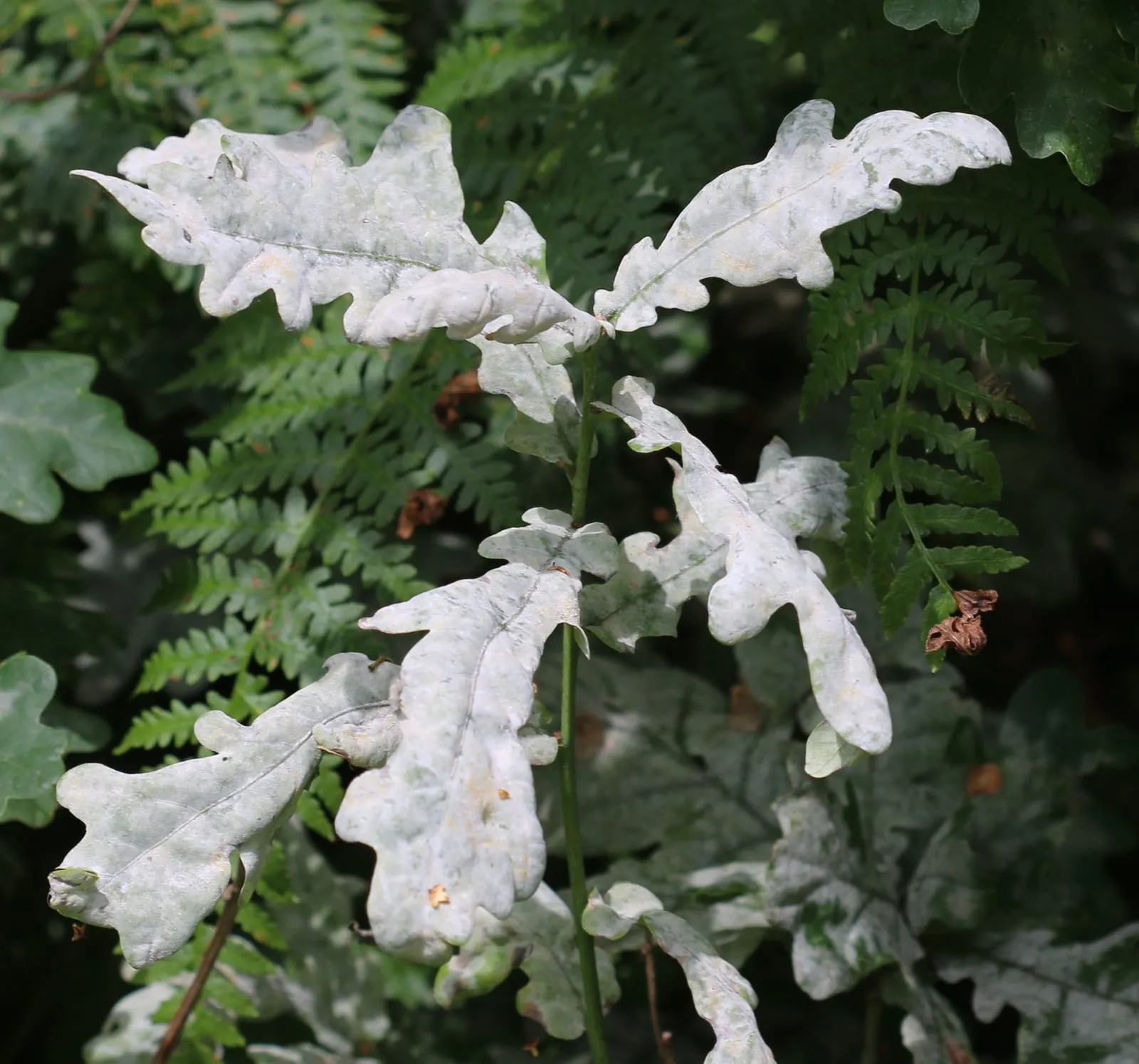
Multiple species (Erysiphales)
Surface-feeding fungal disease producing white powdery growth on leaves and stems. Reduces yield by stealing photosynthate and accelerating senescence.
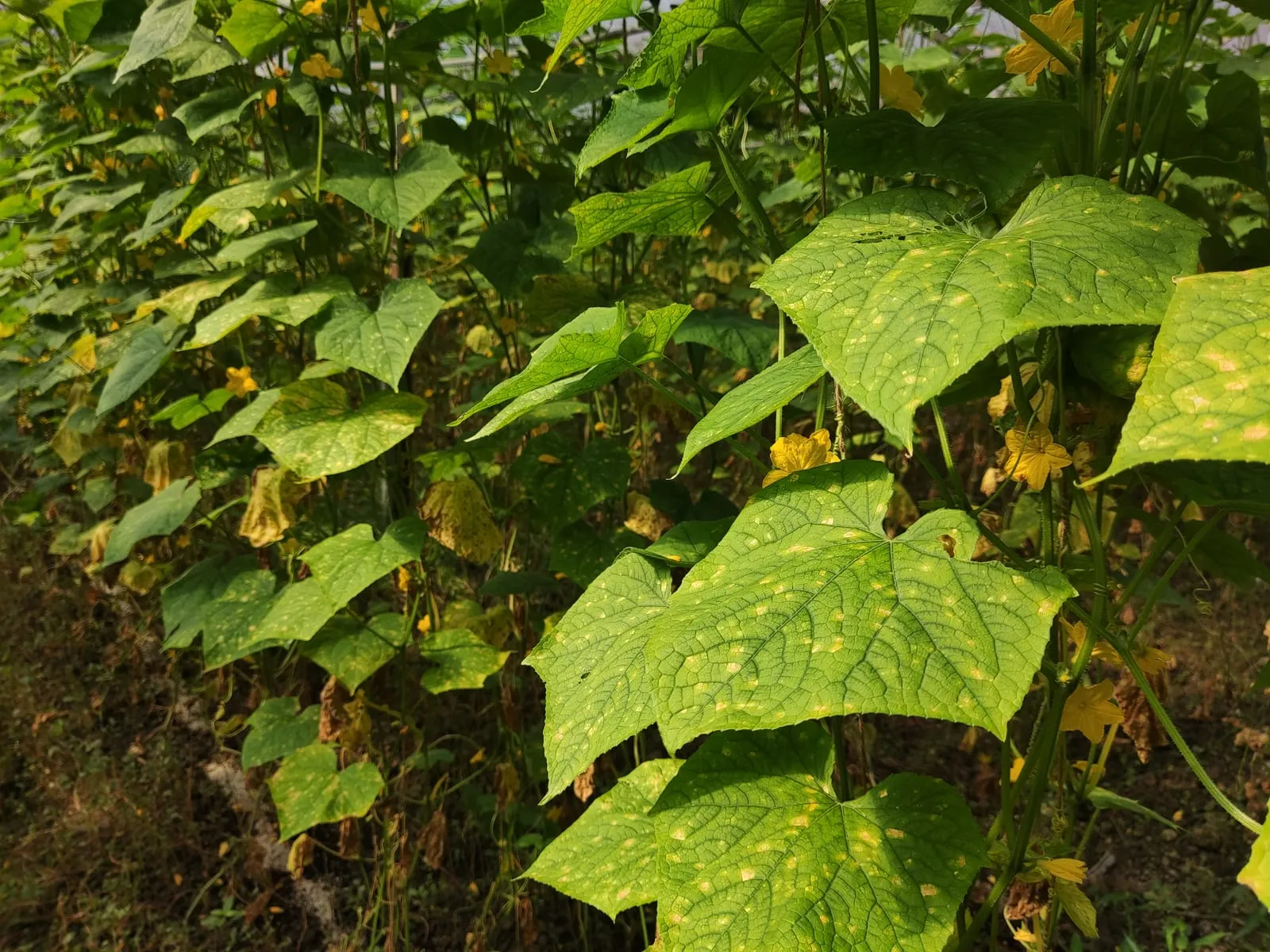
Pseudoperonospora cubensis (cucurbits) and others
Water mold (oomycete, not a true fungus) that thrives in cool damp conditions. Spreads rapidly through cucurbit and brassica plantings on wind-borne spores.
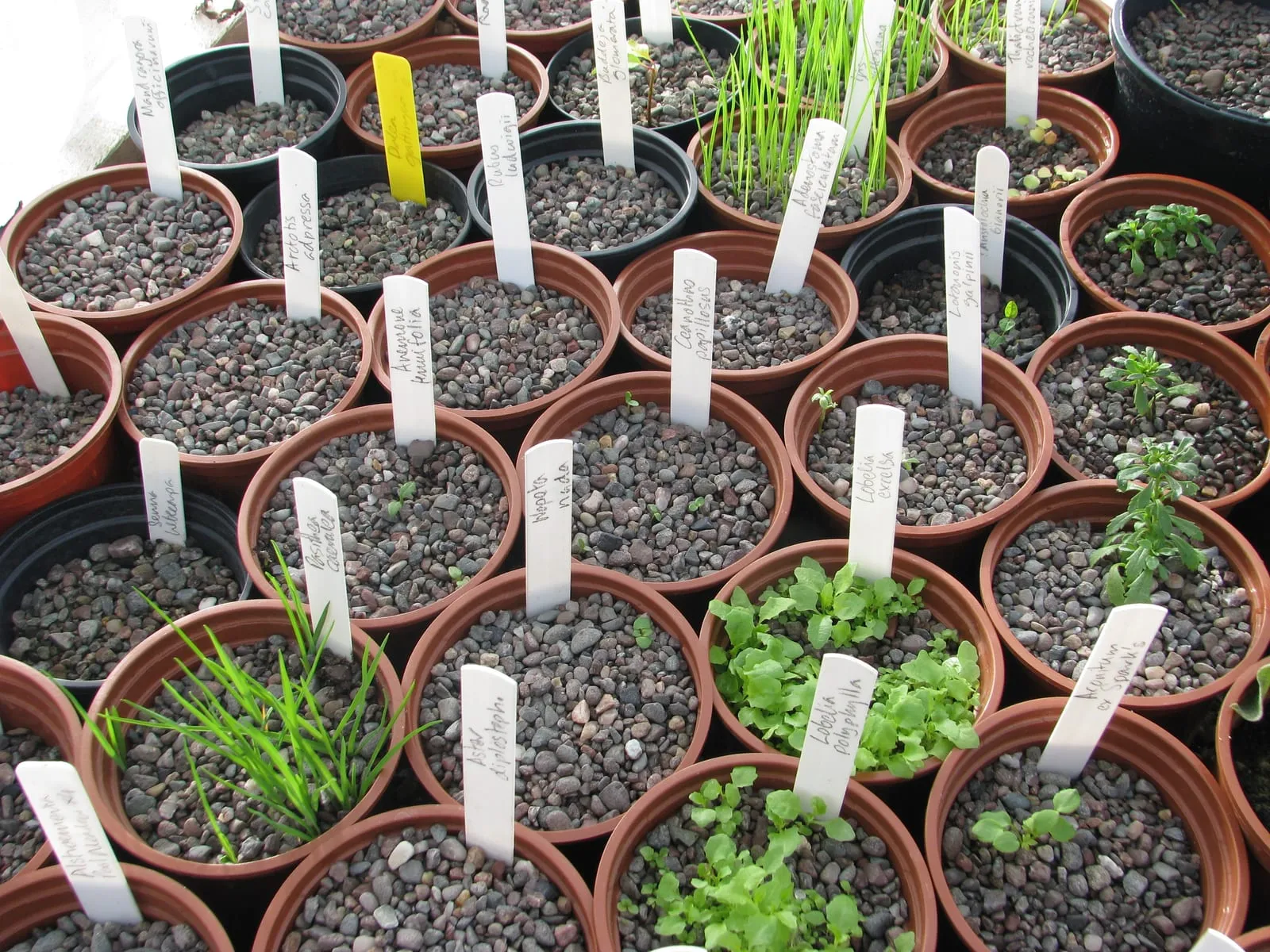
Pythium and Rhizoctonia species
Soil-borne complex of water molds and fungi that kill seedlings before or shortly after emergence. The single most common cause of seed-starting failures.
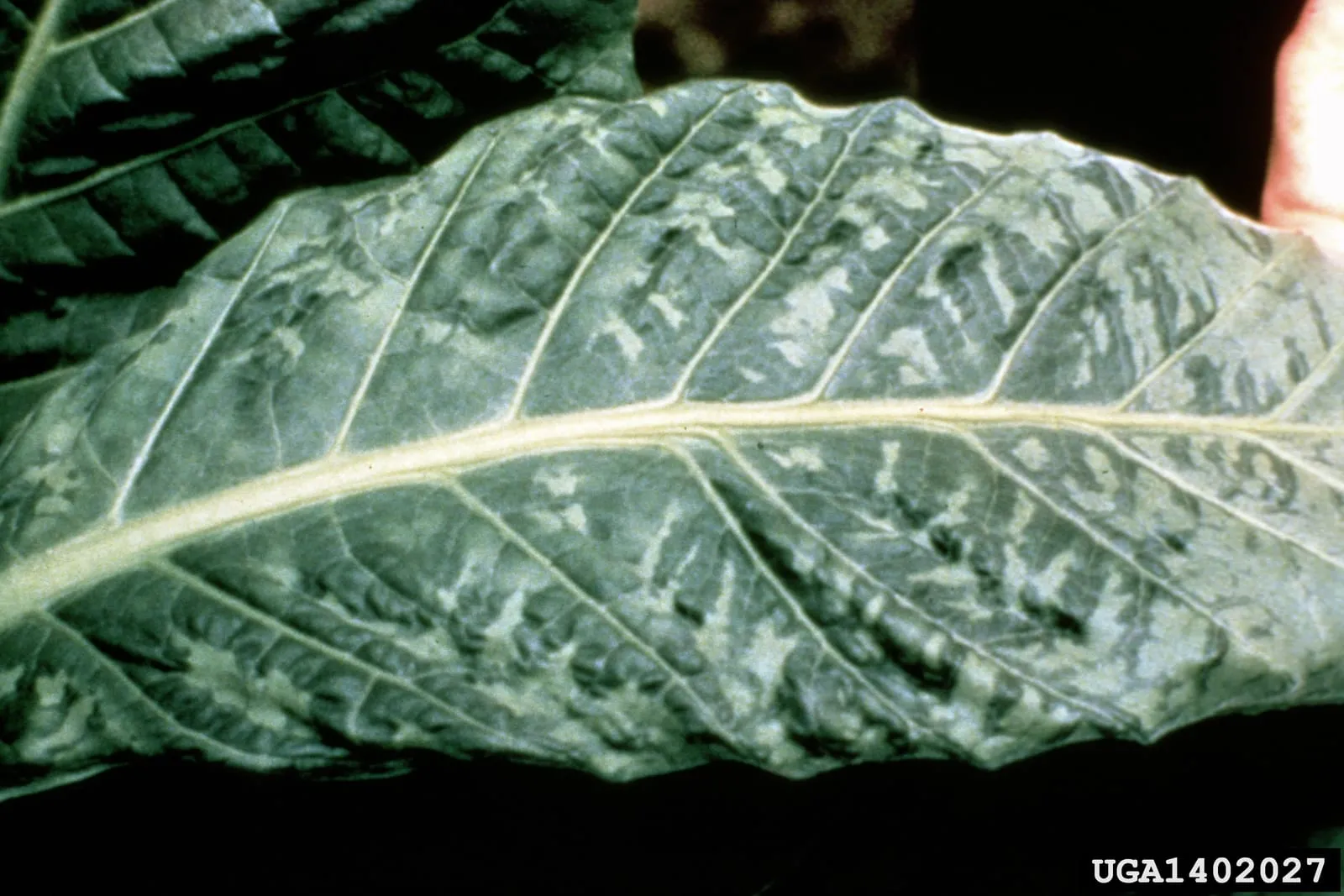
Cucumber mosaic virus, Tobacco mosaic virus, and others
Family of plant viruses producing mottled yellow-and-green leaf patterns. Vectored primarily by aphids; some are seed-transmitted or spread by handling tools and tobacco products.
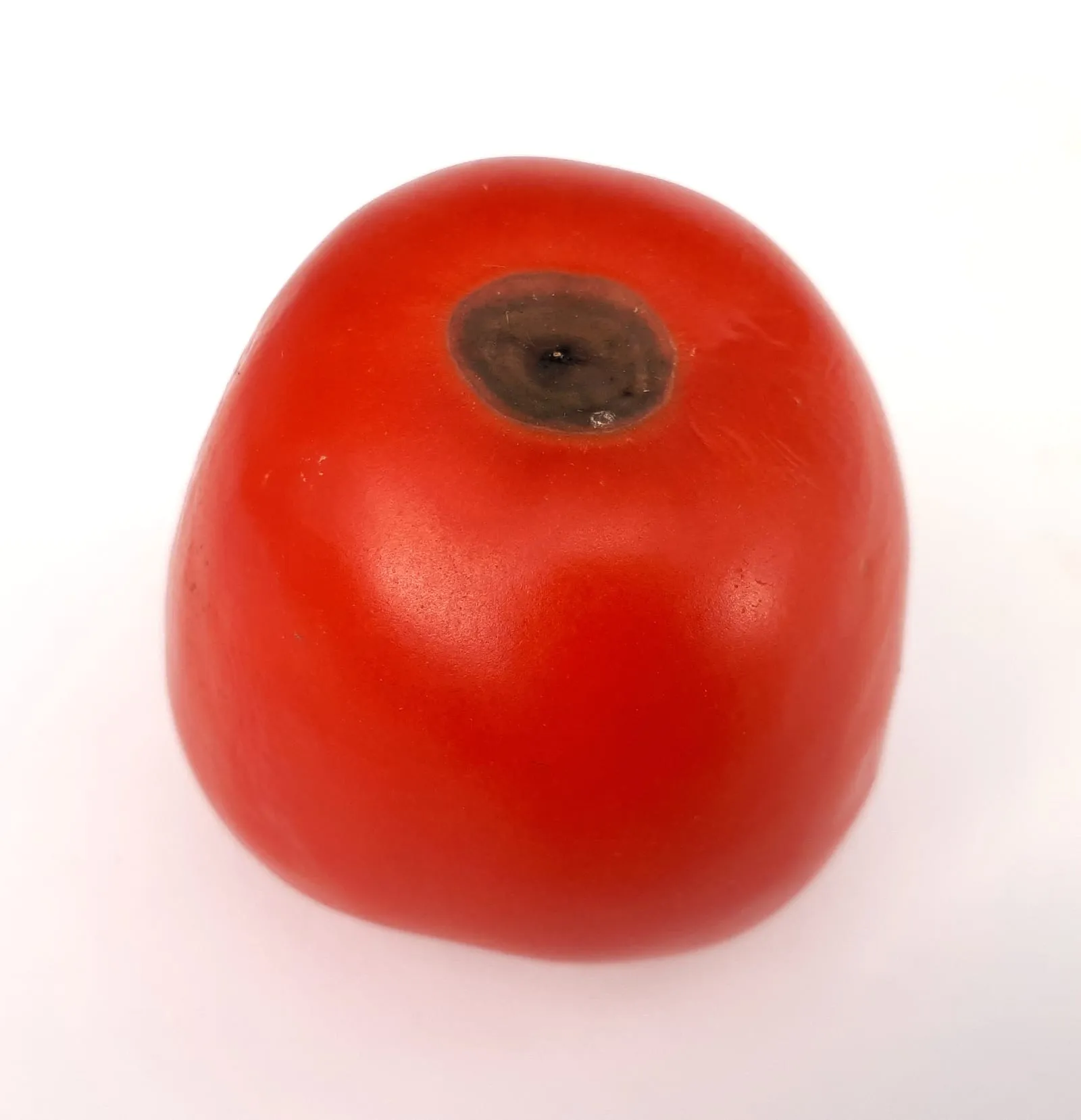
Calcium deficiency physiological disorder
Not a true disease but a calcium-uptake disorder caused by inconsistent soil moisture during fruit development. The dominant cause of damaged first-fruit on home tomato plantings.
Modified care for zone 6a
The primary disease pressures are powdery mildew and downy mildew, both common on cucurbits as late-summer humidity fluctuates. Powdery mildew typically appears on older foliage by late July; adequate vine spacing for airflow and selecting more tolerant varieties (Delicata performs better than Butternut in high-humidity conditions) limits spread. Downy mildew favors cooler, humid periods and can advance quickly once lesions are visible.
Japanese beetles are an active pest in zone 6a through June and July and can cause substantial leaf loss. Handpicking in early morning is effective at low populations; row covers during peak emergence protect plants but must be removed once flowering begins to allow pollinator access.
Drip or soaker irrigation keeps foliage dry, reducing fungal germination conditions. Zone 6a can see midsummer dry spells, so consistent soil moisture without overhead wetting is the standard approach for both disease management and fruit development.
Frequently asked questions
- Does winter squash need chill hours in zone 6a?
No. Chill-hour requirements apply to deciduous fruit trees and some berries, not to annual vegetables. Winter squash is sown each spring and has no dormancy requirement. The zone 6a minimum winter temperature affects overwintering perennials, not cucurbits planted fresh each season.
- Which winter squash variety matures fastest in zone 6a?
Acorn and Delicata are the quickest of the listed varieties, typically reaching harvest in 80 to 90 days. For growers with a shorter effective season within zone 6a, these are safer choices than Butternut Waltham, which needs 105 to 110 days.
- Why do squash leaves develop white powder in late summer?
That is powdery mildew, a fungal disease that is common on cucurbits as temperatures fluctuate between warm days and cooler nights. It rarely kills established plants but can reduce late-season photosynthesis and fruit quality. Improving airflow through vine spacing and avoiding overhead watering reduces incidence.
- Can winter squash survive an early fall frost in zone 6a?
The fruit can tolerate a light frost once the skin has hardened, but foliage and stems will be damaged by temperatures below 28°F. A hard frost before the squash has cured on the vine shortens storage life. Harvest before the first hard frost and cure indoors at 80 to 85°F for 10 to 14 days.
+−
+−
+−
+−
Winter Squash in adjacent zones
Image: "Cucurbita maxima x C. moschata (zapallo kabutia o japonés o grupo Tetsukabuto)", by Patricia Zappia http://patoentusalsa.blogspot.com.ar/, via Wikimedia Commons, licensed under CC-BY Source.
.JPG)
Related