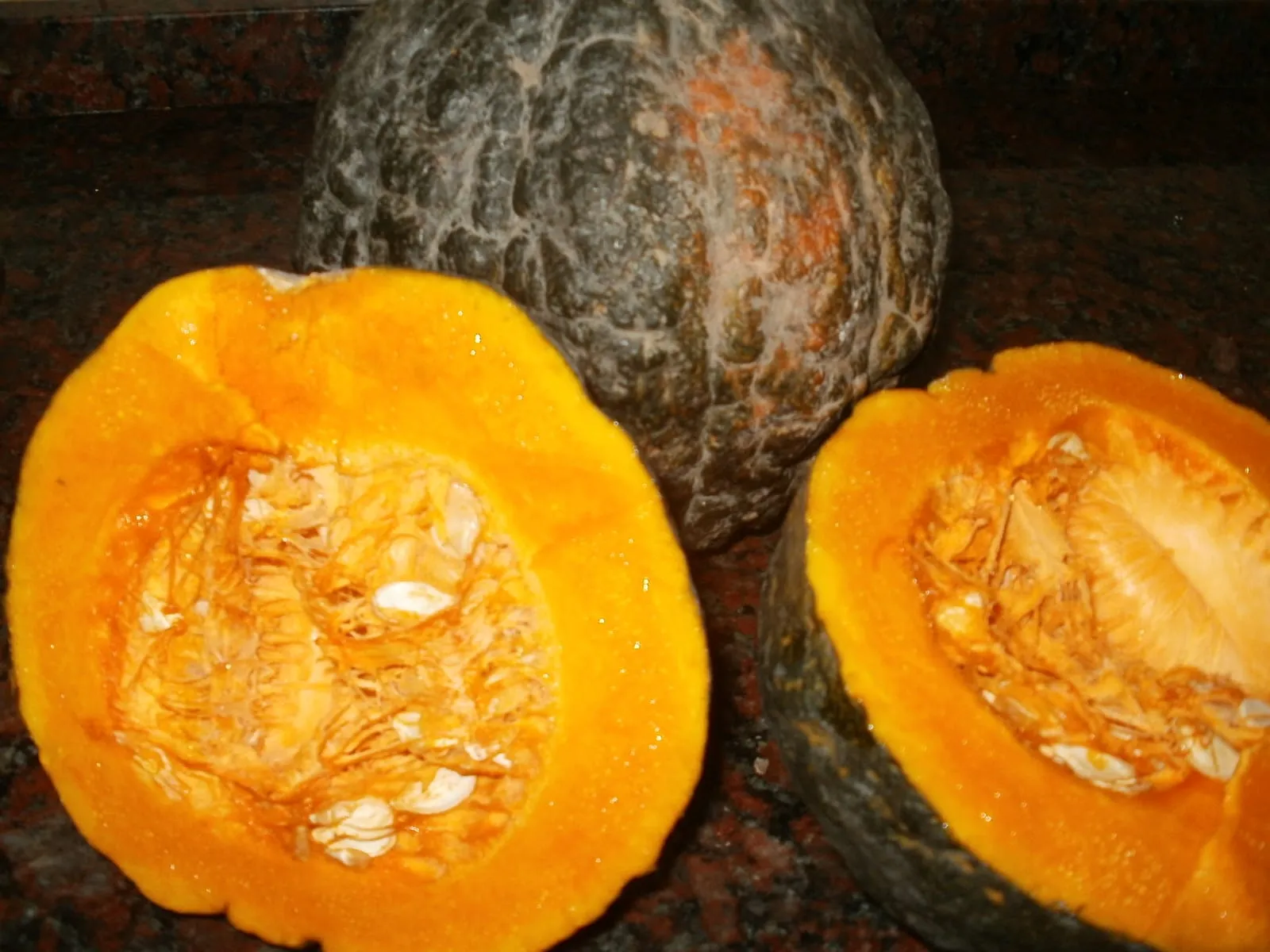
vegetable in zone 7b
Growing winter squash in zone 7b
Cucurbita maxima and Cucurbita moschata
- Zone
- 7b 5°F to 10°F
- Growing season
- 220 days
- Suitable varieties
- 4
- Days to harvest
- 85 to 120
The verdict
Winter squash is a reliable performer in zone 7b. Unlike fruit crops, it has no chill-hour requirement; it is a warm-season annual that needs only a frost-free growing window long enough to reach maturity. Zone 7b's 220-day season comfortably accommodates all standard varieties, including longer-maturing types that need 100 to 110 days from transplant to harvest.
The zone temperature range (winter lows of 5 to 10 degrees F) is irrelevant to winter squash production since the crop is direct-sown or transplanted each spring after last frost. This is not a marginal zone; it is a sweet spot. Heat accumulation through July and August drives fast vine growth and fruit set, and the long fall window before first frost allows fruit to cure on the vine. The main limiting factors are not temperature but disease and insect pressure during the final weeks of the season.
Recommended varieties for zone 7b
4 cultivars suited to this zone, with disease-resistance and zone-fit annotations.
| Variety | Notes | Zone fit | Disease resistance |
|---|---|---|---|
| Butternut Waltham fits zone 7b | Sweet, dense, smooth; classic tan-skinned bell-shaped winter squash. Roasting, soups, pies, mashing. Stores 3-6 months at room temperature, the universal winter squash. | | none noted |
| Delicata fits zone 7b | Sweet, creamy, edible-skin; small striped cylindrical squash. Halved and roasted, stuffed, fresh. Stores 2-3 months, ready faster than larger types. | | none noted |
| Acorn fits zone 7b | Mildly sweet, dense, slightly fibrous; ribbed dark-green to orange acorn-shaped fruit. Halved and stuffed, roasting, soups. Stores 1-2 months. | | none noted |
| Spaghetti fits zone 7b | Mild, slightly sweet, flesh strands like noodles when baked; pale yellow oval fruit. Roasted halves, low-carb pasta substitute. Productive and easy. | | none noted |
Critical timing for zone 7b
In zone 7b piedmont, the last spring frost typically falls in mid-April, and the first fall frost arrives in late October to early November. Direct sow or transplant seedlings after all frost risk has passed, generally the last two weeks of April. Vine flowering begins roughly six to eight weeks after germination, placing most bloom activity in June and early July. Peak pollinator activity during those weeks is critical for fruit set.
For a Butternut Waltham at 100 days, harvest falls in late July through August from an April sowing. Acorn and Delicata are somewhat shorter at 80 to 90 days. Leave fruit on the vine as long as possible to deepen flavor and harden the skin, but clear the field before the first hard frost (below 28 degrees F).
Common challenges in zone 7b
- ▸ Cedar-apple rust pressure heavy in piedmont
- ▸ Japanese beetles
- ▸ Brown marmorated stink bug
- ▸ Late summer disease pressure
Disease pressure to watch for
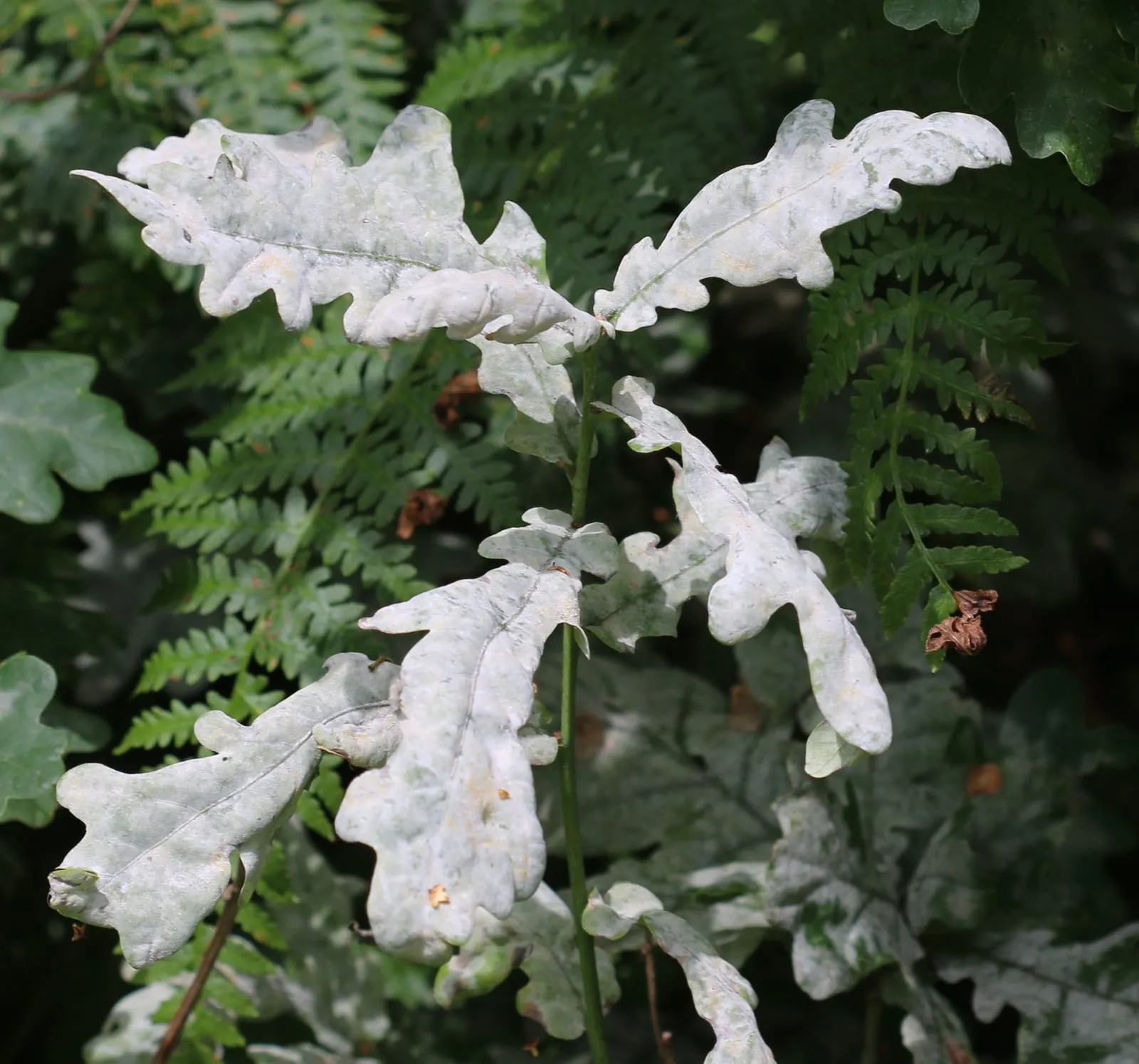
Multiple species (Erysiphales)
Surface-feeding fungal disease producing white powdery growth on leaves and stems. Reduces yield by stealing photosynthate and accelerating senescence.
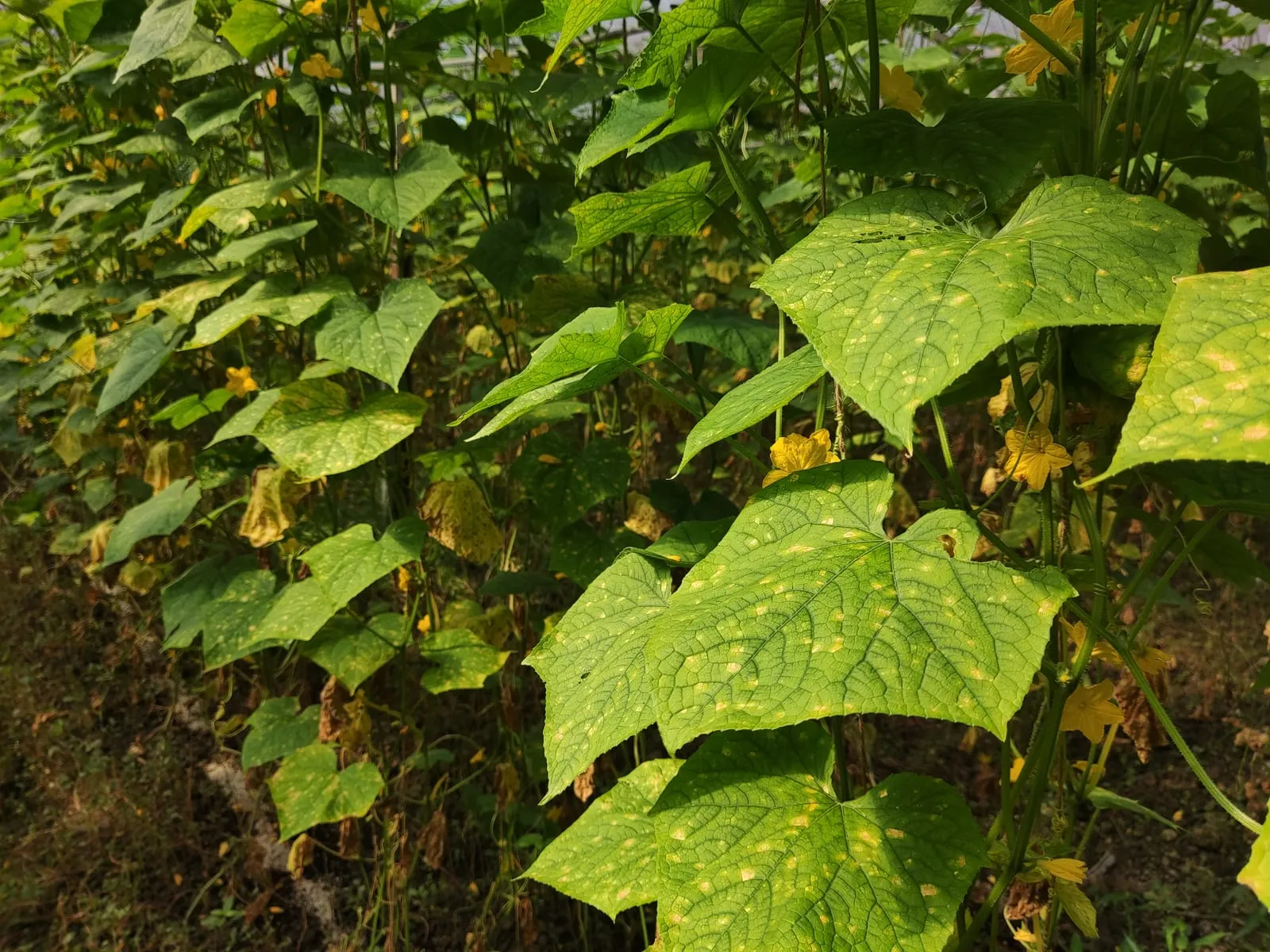
Pseudoperonospora cubensis (cucurbits) and others
Water mold (oomycete, not a true fungus) that thrives in cool damp conditions. Spreads rapidly through cucurbit and brassica plantings on wind-borne spores.
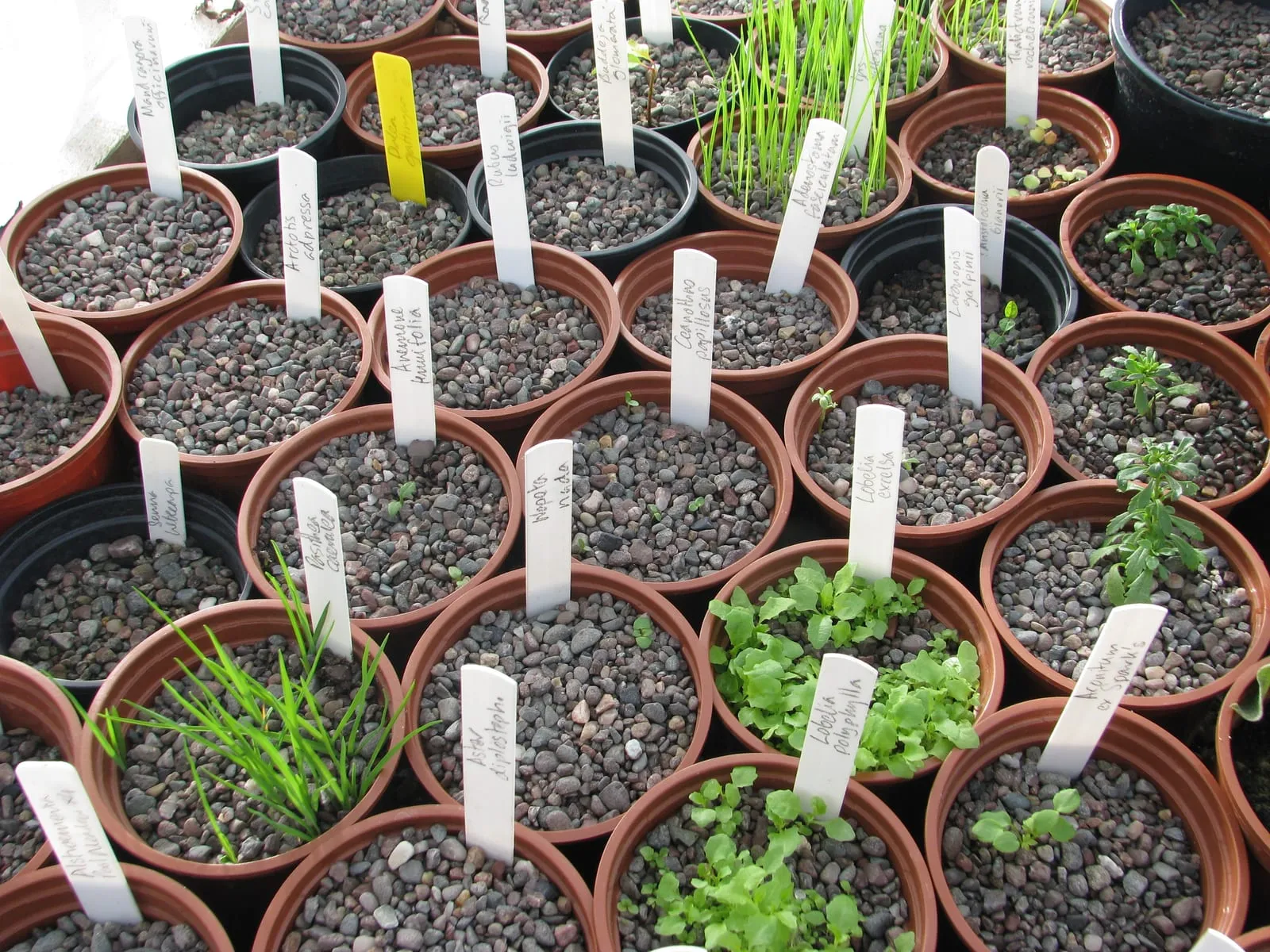
Pythium and Rhizoctonia species
Soil-borne complex of water molds and fungi that kill seedlings before or shortly after emergence. The single most common cause of seed-starting failures.
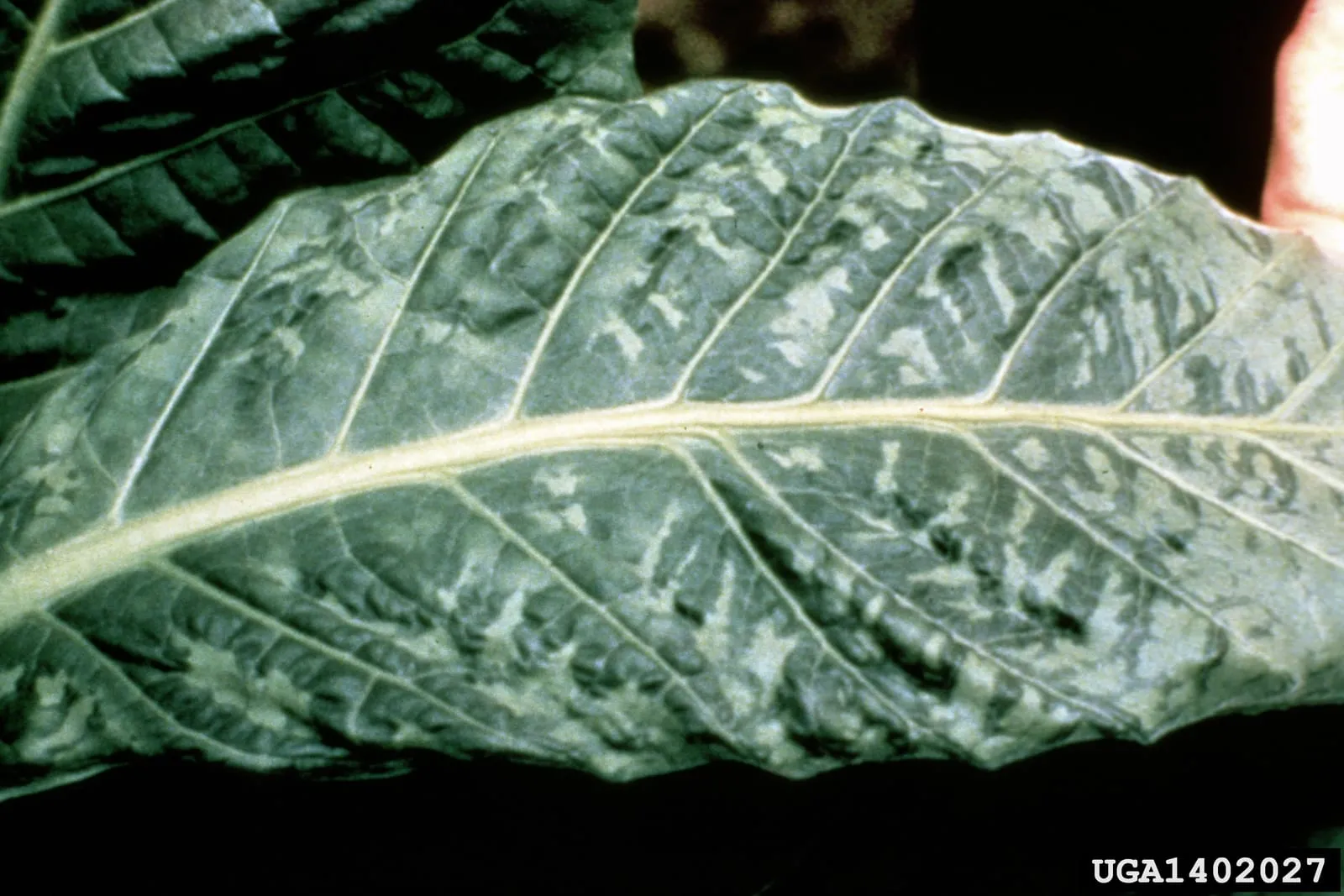
Cucumber mosaic virus, Tobacco mosaic virus, and others
Family of plant viruses producing mottled yellow-and-green leaf patterns. Vectored primarily by aphids; some are seed-transmitted or spread by handling tools and tobacco products.
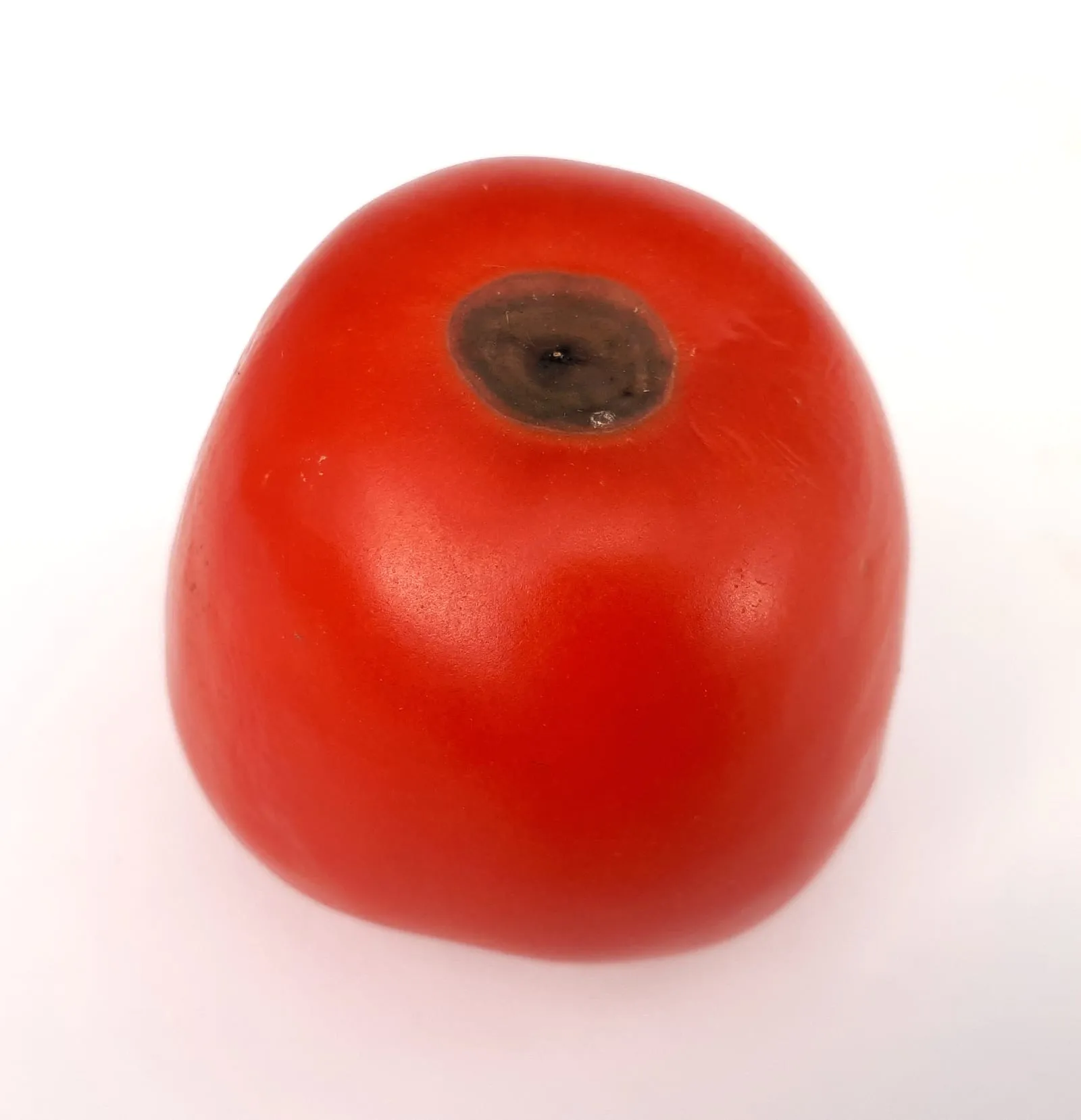
Calcium deficiency physiological disorder
Not a true disease but a calcium-uptake disorder caused by inconsistent soil moisture during fruit development. The dominant cause of damaged first-fruit on home tomato plantings.
Modified care for zone 7b
The primary adaptation in zone 7b is managing late summer disease pressure. Powdery mildew and downy mildew both intensify as nights cool in August and September while days remain warm and humid. A preventive spray program using a sulfur-based or copper fungicide, applied before symptoms appear, is more effective than reactive treatment. Remove any heavily infected leaves promptly to slow spread.
Japanese beetles feed aggressively on squash foliage in June and July; hand-picking or targeted neem applications during peak emergence (early June) reduce pressure. Brown marmorated stink bugs pierce developing fruit and cause corky internal damage. Row covers help during early vine growth but must come off at flowering for pollination. Scout fruit weekly from late July onward and check for stink bug feeding scars on the skin.
Frequently asked questions
- Can winter squash be direct-sown in zone 7b, or does it need to be started indoors?
Both work. Direct sowing after mid-April is simple and avoids transplant shock. Starting indoors two to three weeks before last frost gives a slight head start but offers less advantage here than in shorter-season zones, since zone 7b's growing window is already generous.
- Which winter squash varieties hold up best against the disease pressure in zone 7b?
Delicata tends to reach harvest before late-season mildew peaks, making it a practical choice. Butternut Waltham has moderate tolerance to powdery mildew compared to other butternut selections. No common variety is fully resistant to downy mildew.
- How long can winter squash sit in the field after it matures in zone 7b?
Cured fruit tolerates light frosts (down to about 30 degrees F) briefly, but a hard freeze damages the skin and sharply reduces storage life. Once the vine dies back naturally or a frost is forecast below 28 degrees F, bring fruit in and cure at 80 to 85 degrees F for ten days.
+−
+−
+−
Winter Squash in adjacent zones
Image: "Cucurbita maxima x C. moschata (zapallo kabutia o japonés o grupo Tetsukabuto)", by Patricia Zappia http://patoentusalsa.blogspot.com.ar/, via Wikimedia Commons, licensed under CC-BY Source.
.JPG)
Related